
Last Updated: March 21, 2026
If you’ve ever struggled with bolts that are either too loose or painfully tight, a torque wrench can be your best friend. But how do you use this tool correctly to get the perfect tightness every time?Whether you’re fixing your car, assembling furniture, or working on a bike, knowing how to use a torque wrench will save you from costly mistakes and give you peace of mind. In this guide, you’ll learn simple, step-by-step tips to set and use your torque wrench like a pro—no guesswork, no damage, just precise results.Ready to make your projects safer and smoother? Let’s dive in.Choosing The Right Torque WrenchChoosing the right torque wrench ensures accurate tightening and protects your tools and workpieces. Picking the wrong type or size can lead to mistakes and damage. Consider the task carefully before selecting a wrench. This helps you work safely and efficiently.Types Of Torque Wrenches
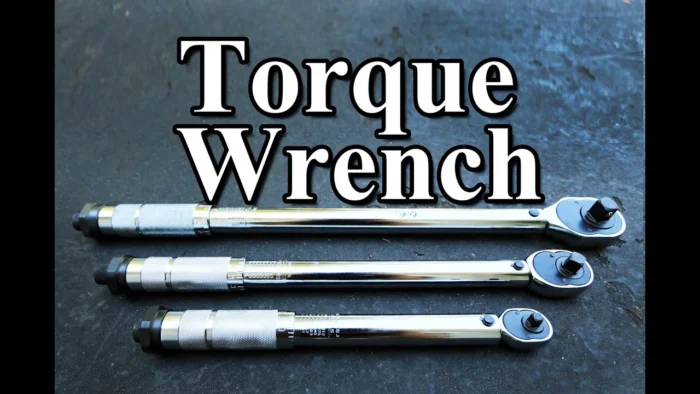
Torque wrenches come in several types. The click type is the most common and signals when the desired torque is reached. Beam torque wrenches have a simple scale and pointer for reading torque. Digital torque wrenches provide precise readings and often have extra features. Choose the type based on your needs and budget.Selecting The Correct Size
Size matters when choosing a torque wrench. The wrench must fit the fasteners you will work on. Smaller wrenches work well for light tasks and small bolts. Larger wrenches handle bigger bolts and higher torque values. A proper fit makes the job easier and safer.Matching Torque Range To Task
Each torque wrench has a torque range it can measure accurately. Pick a wrench with a range that covers the torque needed for your project. Using a wrench with a range too high or too low reduces accuracy. Correct torque ensures fasteners are tight but not over-tightened.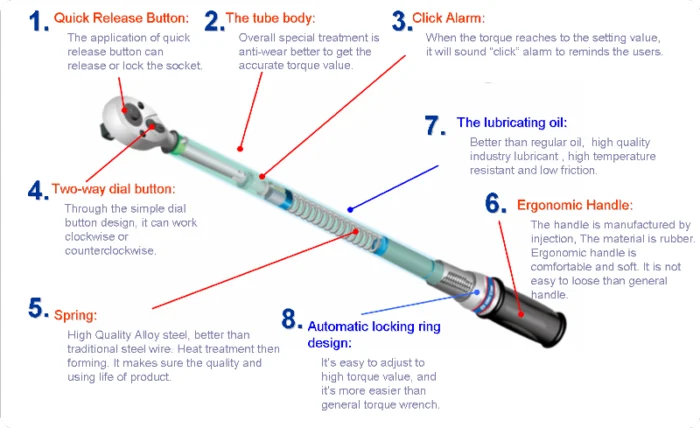 Credit: wagnerenergy.netSetting Torque ValuesSetting the correct torque value is essential when using a torque wrench. It ensures bolts are tightened to the right strength. Too little torque can cause parts to loosen. Too much torque can damage threads or parts. Follow these steps to set your torque wrench accurately.
Finding Manufacturer Specifications
Check the product manual or service guide for torque specs. Manufacturers list the exact torque needed for each bolt. Use these numbers as your target torque. If you cannot find the manual, look online using the model number. Never guess the torque value. Correct specs prevent damage and ensure safety.Adjusting The Wrench
Hold the handle and turn the adjustment knob or sleeve. Rotate it to match the desired torque value on the scale. The scale may show units like foot-pounds (ft-lbs) or Newton-meters (Nm). Align the pointer or mark to the correct number. Turn slowly and carefully for precise setting. Stop when the value matches the spec exactly.Locking The Setting
Most torque wrenches have a locking mechanism. This prevents the setting from changing during use. After setting the torque, tighten the lock ring or push the lock button. Make sure the setting stays fixed before starting work. Unlock only when you need to adjust the torque again. This step keeps your work accurate and consistent.Using The Torque WrenchUsing a torque wrench correctly ensures fasteners are tightened to the right level. This tool helps avoid over-tightening or leaving bolts too loose. Follow simple steps to use it safely and accurately.Attaching The Proper Socket
Select the socket that fits your fastener perfectly. Push it onto the wrench’s square drive until it clicks. A secure fit prevents slipping and damage during tightening.Hand-tightening Fasteners
Start by turning the fastener with your hand. This helps align the threads and reduces the risk of cross-threading. Hand-tighten until it feels snug but do not force it.Applying Steady Force
Hold the wrench handle firmly and apply a slow, steady force. Keep the wrench straight and avoid jerky movements. This steady pressure allows the torque wrench to measure the force accurately.Recognizing The Click
Listen and feel for a distinct click or release in the wrench. This sound signals the set torque is reached. Stop applying force immediately after the click to prevent over-tightening.Avoiding Common MistakesUsing a torque wrench correctly ensures your bolts hold tight without damage. Many users make simple errors that affect safety and performance. Avoiding these mistakes keeps your work reliable and safe. Focus on three key areas to improve your technique.Over-tightening Risks
Applying too much torque can strip threads or break bolts. Over-tightening stresses parts and weakens connections. This may cause leaks or failure in machines. Stop applying force as soon as the wrench clicks. Use the correct torque setting for each fastener.Under-tightening Consequences
Too little torque leaves bolts loose and unsafe. Loose bolts can loosen further with vibration and use. This risks parts coming apart and causing accidents. Always check the recommended torque in manuals. Tighten bolts until the wrench signals the set torque.Using Extensions Properly
Extensions change the torque applied to fasteners. A long extension can reduce torque accuracy. Use extensions designed for torque wrenches only. Avoid adding extra levers or bars. Hold the wrench handle firmly and apply force evenly for best results.Maintenance And StorageProper maintenance and storage extend your torque wrench’s life and accuracy. Treat it with care after every use. Clean, store, and calibrate regularly to keep it reliable. Follow these simple steps for best results.Cleaning After Use
Wipe the torque wrench with a clean cloth after use. Remove dirt, grease, and dust gently. Avoid using water or harsh chemicals. Keep the wrench dry to prevent rust and damage. Clean the handle and head carefully to maintain smooth operation.Storing In Case
Always store your torque wrench in its protective case. The case guards against dust, moisture, and impacts. Keep the wrench at its lowest torque setting before storing. This reduces tension on the internal spring. Store the case in a cool, dry place away from direct sunlight.Regular Calibration
Calibration ensures your torque wrench stays accurate. Have it checked at least once a year. Frequent use or heavy work may need more frequent calibration. Use a professional service for precise adjustment. Record calibration dates to track maintenance history.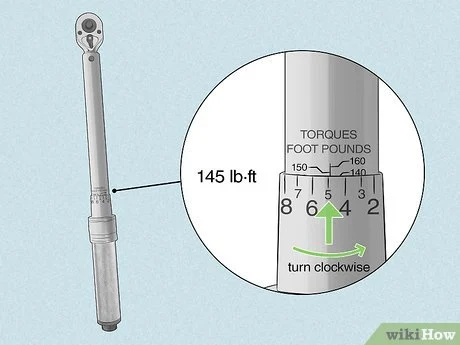 Credit: www.wikihow.com
 Credit: www.youtube.com
Frequently Asked Questions
How Do You Use A Torque Wrench For Beginners?
Set the desired torque on the wrench using the adjustment ring. Attach the correct socket firmly. Tighten the bolt steadily until you hear or feel a click. Stop immediately to avoid over-tightening. Always follow the bolt’s torque specification from the manual.What Are Three Rules Of Torque Wrenches?
Three rules of torque wrenches: Inspect before use, keep dry and clean, and always follow manufacturer’s instructions. Store in its case after use.How Much Is 30 Ft Lbs Of Torque?
30 ft lbs of torque equals 40. 7 Newton-meters (Nm). It measures rotational force used to tighten bolts.How To Set Tightening Torque?
Consult the manual for the correct torque value. Loosen the wrench handle, adjust to the desired torque, and lock it. Use the right socket, then apply steady force until the wrench clicks. Tighten bolts in a star pattern for even pressure.What Is A Torque Wrench Used For?
A torque wrench tightens bolts to a set force to avoid damage or loosening.How Do You Set Torque On A Wrench?
Turn the handle to the desired torque value shown on the scale.Conclusion
Using a torque wrench correctly keeps bolts tight and safe. Always set the right torque before starting. Apply steady pressure until you hear the click. This prevents damage and ensures even tightening. Store the wrench properly after each use. Check your tool often for accuracy.Following these simple steps protects your work and tools. Trust the process, and your projects will hold strong.Related reading: How to Use a Strap Wrench.
{ “@context”: “https://schema.org”, “@type”: “Article”, “headline”: “How to Use a Torque Wrench: Master Precision and Avoid Damage”, “description”: “Learn how to use a torque wrench to apply precise torque to fasteners, ensuring accurate tightening and preventing damage in mechanical tasks.”, “url”: “https://www.powertoolstoday.com/how-to-use-a-torque-wrench/”, “datePublished”: “2026-02-11”, “dateModified”: “2026-03-18”, “author”: { “@type”: “Organization”, “name”: “Power Tools Today”, “url”: “https://www.powertoolstoday.com” }, “publisher”: { “@type”: “Organization”, “name”: “Power Tools Today”, “url”: “https://www.powertoolstoday.com” }, “mainEntityOfPage”: { “@type”: “WebPage”, “@id”: “https://www.powertoolstoday.com/how-to-use-a-torque-wrench/” }, “image”: { “@type”: “ImageObject”, “url”: “https://www.powertoolstoday.com/wp-content/uploads/2025/11/how-to-use-a-torque-wrench.jpg” } }{ “@context”: “https://schema.org”, “@type”: “Article”, “headline”: “How to Use a Torque Wrench: Master Precision and Avoid Damage”, “description”: “Learn how to use a torque wrench to apply precise torque to fasteners, ensuring accurate tightening and preventing damage in mechanical tasks.”, “url”: “https://www.powertoolstoday.com/how-to-use-a-torque-wrench/”, “datePublished”: “2026-02-11”, “dateModified”: “2026-03-19”, “author”: { “@type”: “Organization”, “name”: “Power Tools Today”, “url”: “https://www.powertoolstoday.com” }, “publisher”: { “@type”: “Organization”, “name”: “Power Tools Today”, “url”: “https://www.powertoolstoday.com” }, “mainEntityOfPage”: { “@type”: “WebPage”, “@id”: “https://www.powertoolstoday.com/how-to-use-a-torque-wrench/” }, “image”: { “@type”: “ImageObject”, “url”: “https://www.powertoolstoday.com/wp-content/uploads/2025/11/how-to-use-a-torque-wrench.jpg” } }nn