
Last Updated: March 21, 2026
If you’ve ever struggled to drive long screws or loosen stubborn bolts, an impact driver can be your best friend. But how do you use this powerful tool correctly to get the job done quickly and safely?
Whether you’re a beginner or just looking to sharpen your skills, understanding the right way to handle an impact driver will save you time and frustration. In this guide, you’ll discover simple, step-by-step instructions that make using your impact driver easy and effective.
Ready to unlock the full potential of your tool and tackle your projects with confidence? Let’s dive in.
Impact Driver Basics
An impact driver is a powerful tool designed to drive screws and bolts with ease. It delivers strong rotational force combined with quick bursts of impact. This action helps drive screws quickly into hard materials like wood, metal, and plastic.
Understanding the basics of an impact driver is important for safe and effective use. Learning how it works and what parts it has makes your work faster and easier.
What Is An Impact Driver?
An impact driver is a cordless or corded tool. It has a motor that spins the bit and a hammer mechanism that creates short, strong impacts. These impacts increase torque and reduce the chance of stripping screws.
Key Parts Of An Impact Driver
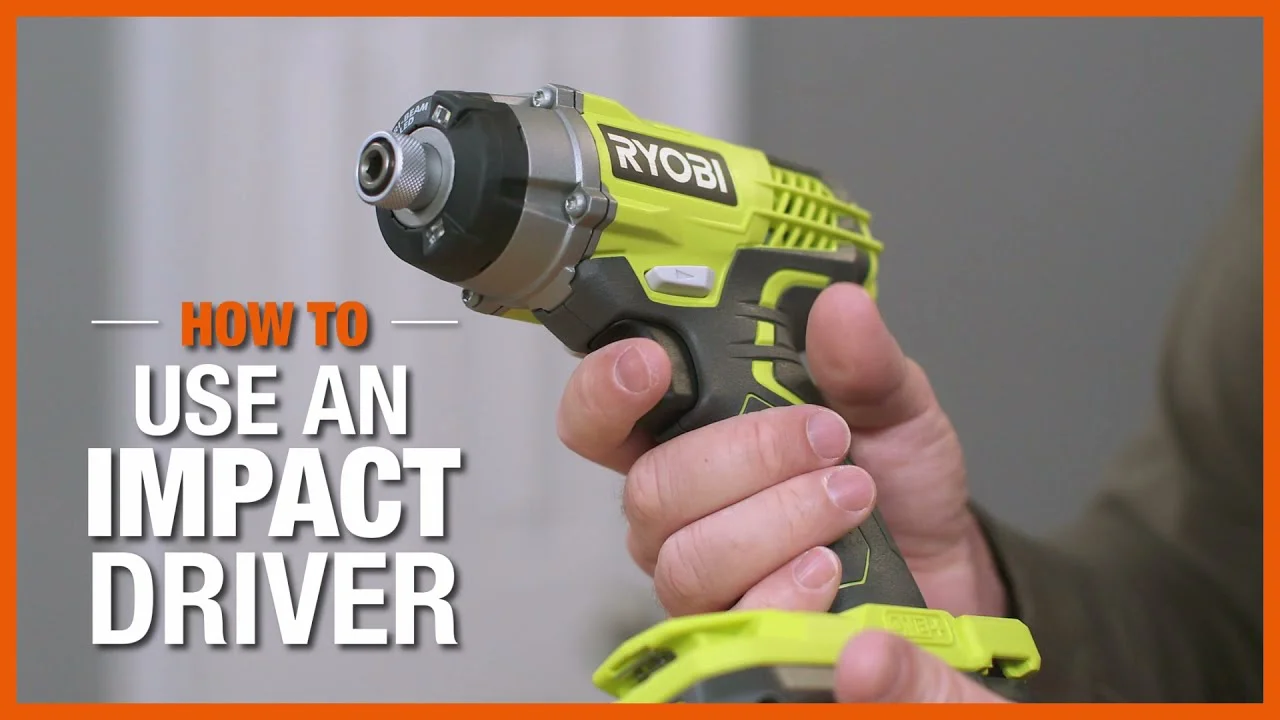
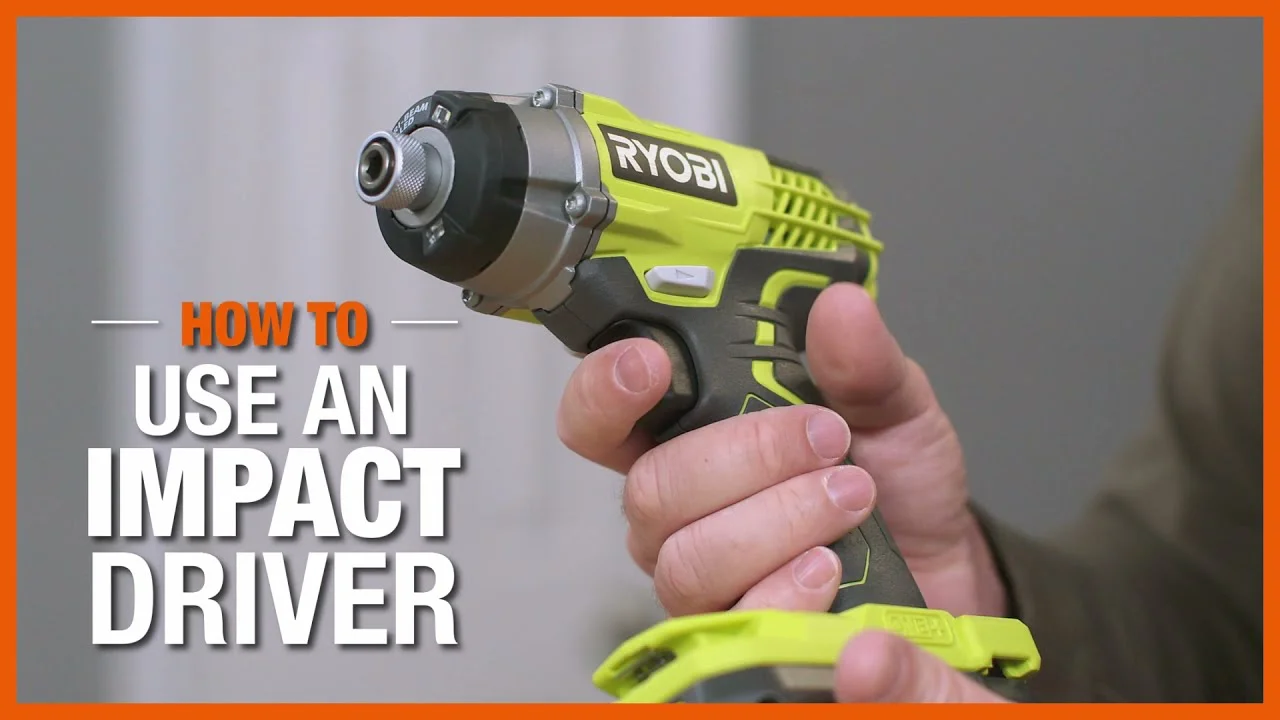
The main parts include the chuck, motor, trigger, and battery (if cordless). The chuck holds the bit tightly. The trigger controls speed. The battery powers the tool, and the motor creates the turning force.
How Does It Work?
The motor spins the bit. When it meets resistance, the internal hammer hits the bit repeatedly. This impact helps drive screws deeper without extra effort from you. It also helps loosen tight screws.
When To Use An Impact Driver
Use it for driving large screws or bolts into tough materials. It works well on wood, metal, and plastic. It also helps with removing stuck screws. It is best for jobs needing high torque.
Credit: www.youtube.com
Choosing The Right Bits
Choosing the right bits for your impact driver makes a big difference. The correct bit fits the screw head tightly and handles the power of the tool. This prevents damage to both the fastener and the driver. Using the wrong bit can strip screws or break the bit. It also saves time and effort.
Impact drivers use special bits designed to handle high torque and impact forces. These bits last longer and perform better than regular drill bits. Knowing which bit to pick helps you work faster and safer.
Types of Impact Driver Bits
Impact driver bits come in many types. The most common are Phillips, flathead, Torx, and hex. Each type fits a specific screw head shape. Phillips bits have a cross shape. Flathead bits are flat and straight. Torx bits look like a star. Hex bits have six sides.
Choose the bit that matches your screw head exactly. This ensures a strong grip and good control.
Material and Durability of Bits
Impact bits must be tough to handle strong force. Look for bits made of high-quality steel. Some bits have a special coating to resist wear and rust. Hardened steel bits last longer and reduce the chance of breaking.
Buying durable bits saves money over time. You replace bits less often and get better results.
Bit Size and Fit
Bit size is important for fitting screws properly. Each screw size needs a matching bit size. Using a bit too small or too big can damage the screw head.
Check the size marked on the bit and match it to your screws. A snug fit helps your impact driver work efficiently.
Quick-Change and Magnetic Bits
Quick-change bits make swapping bits faster. They fit into the impact driver easily and lock in place. Magnetic bits hold screws tight on the tip. This helps keep screws steady as you drive them in.
Using quick-change and magnetic bits speeds up your work and reduces dropped screws.
Proper Grip And Stance
Using an impact driver correctly starts with a proper grip and stance. Holding the tool firmly helps control the strong torque it produces. A good stance keeps your body balanced and steady. This makes driving screws or bolts safer and easier. Here is how to position your hands and body for best results.
Hold The Impact Driver Firmly
Grip the handle with your dominant hand. Wrap your fingers around the grip tightly but not too hard. Use your other hand to support the front of the tool if needed. This helps reduce vibration and gives better control. Keep your wrist straight to avoid strain.
Stand With Feet Shoulder-width Apart
Place your feet about shoulder-width apart for balance. Bend your knees slightly and keep your back straight. This stance lets you absorb tool recoil better. Lean a little into the work for stability. Avoid stretching or reaching too far.
Align Your Body With The Work Surface
Face the work area directly. Keep the impact driver bit aligned with the screw or bolt head. This prevents slipping and damage to the fastener. Hold the tool close to your body to maintain control. Proper alignment reduces effort and improves accuracy.
Driving Screws Efficiently
Driving screws efficiently with an impact driver saves time and effort. This tool uses strong torque and quick bursts of force to push screws deep. It works well on tough materials like wood and metal.
Using the right technique helps you get clean, tight screws every time. Holding the driver steady and choosing the correct bit are key steps. Let the tool do the hard work while you guide it carefully.
Choosing The Correct Bit
Select a bit that fits the screw head snugly. A loose bit can strip the screw or slip out. Check that the bit locks firmly into the driver before starting. Match the bit type to the screw, like Phillips or flathead.
Maintaining Proper Alignment
Keep the driver straight with the screw. Tilted angles cause the screw to go in crooked or damage the material. Hold the driver so the bit and screw form a straight line. Use both hands if needed for better control.
Controlling Speed And Pressure
Start slowly to position the screw correctly. Increase speed as the screw bites into the material. Avoid pushing too hard; the impact driver’s force is enough. Let the tool drive the screw fully without extra pressure from your hand.
Loosening Stubborn Fasteners
Loosening stubborn fasteners can be a tough job. Rust, dirt, or over-tightening often cause screws or bolts to stick. An impact driver uses strong, rapid bursts of force to loosen these fasteners quickly. This power tool saves effort and time, especially on old or tight screws.
Follow these simple steps to loosen stuck fasteners safely and effectively with an impact driver.
Choose The Correct Bit
Select a bit that fits the fastener head exactly. A loose fit can strip the screw. Use bits made for impact drivers. Tighten the bit securely in the chuck before starting.
Set The Impact Driver To Reverse
Switch the tool to reverse mode to loosen fasteners. Double-check the direction before applying force. This prevents damage and ensures the fastener turns out properly.
Hold The Tool Steady And Apply Pressure
Grip the impact driver firmly with both hands. Press the bit straight into the fastener. Apply steady pressure to avoid slipping. Let the tool do the work, not your strength.
Use Short Bursts Of Power
Press the trigger in short bursts instead of holding it down. This reduces heat and prevents damage to the fastener. It also helps break the rust or dirt holding the fastener tight.
Try Penetrating Oil For Extra Help
Apply penetrating oil if the fastener remains stuck. Let it sit for a few minutes. The oil loosens rust and makes turning easier. Then use the impact driver again for best results.
Credit: sawsonskates.com
Safety And Maintenance Tips
Using an impact driver safely protects you and extends the tool’s life. Regular maintenance keeps it running smoothly and avoids costly repairs. Follow simple safety rules and care tips for better results.
Wear Proper Safety Gear
Always wear safety glasses to protect your eyes from flying debris. Use ear protection to reduce noise from the tool. Gloves help protect your hands from sharp edges and vibration.
Check The Tool Before Use
Inspect the impact driver for damage or loose parts before starting. Ensure the battery is fully charged and properly seated. Use the correct bit and check it fits tightly.
Use Correct Handling Techniques
Hold the impact driver firmly with both hands. Keep your body balanced and feet steady. Apply steady pressure without forcing the tool.
Power Off When Changing Bits
Always turn off and unplug the tool before swapping bits. Remove the battery if possible. This prevents accidental starts and injuries.
Clean The Tool Regularly
Wipe the impact driver with a clean cloth after use. Remove dust and debris from vents to avoid overheating. Check the bit holder and chuck for dirt.
Store Properly
Store the impact driver in a dry, cool place. Keep it away from moisture and dust. Use a case or toolbox to protect it during storage.
Charge Batteries Safely
Use only the charger made for your battery type. Avoid overcharging by removing the battery when full. Store batteries in a cool, dry place away from metal objects.
Credit: www.youtube.com
Frequently Asked Questions
How To Properly Use Impact Driver?
Hold the impact driver firmly with both hands. Use the correct bit and secure it tightly. Align the bit with the fastener. Apply steady pressure and let the tool deliver torque. Turn off power before changing bits or performing maintenance.
What Would You Use An Impact Driver For?
Use an impact driver to drive long screws, bolts, and fasteners into tough materials quickly and efficiently. It also loosens stubborn or stuck screws without stripping heads. Ideal for construction, automotive, and heavy-duty fastening tasks requiring high torque and percussive force.
What’s The Most Common Rookie Mistake With The Drill And Impact Driver?
The most common rookie mistake is using the wrong bit or applying excessive force, causing stripped screws or damage. Always use the correct bit and let the tool do the work.
What Not To Do With An Impact Driver?
Avoid using an impact driver with drill bits or delicate screws. Don’t apply excessive force or use it on soft materials. Never operate without proper safety gear. Avoid running it continuously to prevent overheating. Don’t change bits without powering off the tool first.
What Is An Impact Driver Used For?
An impact driver is used to drive screws and bolts into hard materials quickly and easily.
How Do I Choose The Right Bit For An Impact Driver?
Select a bit that fits your screw head tightly and is designed for impact drivers.
Conclusion
Using an impact driver makes tough tasks easier and faster. Hold the tool firmly and pick the right bit each time. Keep the driver aligned with the screw to avoid damage. Always turn off the tool before changing bits to stay safe.
With practice, you will drive screws into wood or metal with less effort. This simple tool saves time on many home projects. Keep it clean and well-maintained for long-lasting use. Now, you can handle your DIY tasks with more confidence and ease.
Related reading: Can You Use an Impact Driver as an Impact Wrench.
Related reading: How Does an Impact Driver Work.
Related reading: How Does a Hammer Drill Work.
{ “@context”: “https://schema.org”, “@type”: “Article”, “headline”: “How to Use an Impact Driver: Expert Tips for Perfect Results”, “description”: “Learn how to use an impact driver by understanding its function, key features, and tips for effective fastening in various construction and DIY tasks.”, “url”: “https://www.powertoolstoday.com/how-to-use-an-impact-driver/”, “datePublished”: “2026-02-09”, “dateModified”: “2026-03-18”, “author”: { “@type”: “Organization”, “name”: “Power Tools Today”, “url”: “https://www.powertoolstoday.com” }, “publisher”: { “@type”: “Organization”, “name”: “Power Tools Today”, “url”: “https://www.powertoolstoday.com” }, “mainEntityOfPage”: { “@type”: “WebPage”, “@id”: “https://www.powertoolstoday.com/how-to-use-an-impact-driver/” }, “image”: { “@type”: “ImageObject”, “url”: “https://www.powertoolstoday.com/wp-content/uploads/2025/11/how-to-use-an-impact-driver.jpg” } }{ “@context”: “https://schema.org”, “@type”: “Article”, “headline”: “How to Use an Impact Driver: Expert Tips for Perfect Results”, “description”: “Learn how to use an impact driver by understanding its function, key features, and tips for effective fastening in various construction and DIY tasks.”, “url”: “https://www.powertoolstoday.com/how-to-use-an-impact-driver/”, “datePublished”: “2026-02-09”, “dateModified”: “2026-03-19”, “author”: { “@type”: “Organization”, “name”: “Power Tools Today”, “url”: “https://www.powertoolstoday.com” }, “publisher”: { “@type”: “Organization”, “name”: “Power Tools Today”, “url”: “https://www.powertoolstoday.com” }, “mainEntityOfPage”: { “@type”: “WebPage”, “@id”: “https://www.powertoolstoday.com/how-to-use-an-impact-driver/” }, “image”: { “@type”: “ImageObject”, “url”: “https://www.powertoolstoday.com/wp-content/uploads/2025/11/how-to-use-an-impact-driver.jpg” } }nn