
Last Updated: March 27, 2026
Using an oscillating multi-tool can change the way you handle home improvement and repair projects. This one tool can cut, sand, scrape, grind, and more. But while it’s flexible, many people don’t know how to use it safely or get the best results.
If you’re new to oscillating tools or just want to use yours better, this guide is for you. We’ll look at the basics, practical tips, safety, and even expert tricks that most beginners miss. By the end, you’ll know how to use an oscillating multi-tool confidently and avoid common mistakes.
What Is An Oscillating Multi-tool?
An oscillating multi-tool is a power tool with a small blade or accessory that moves back and forth very quickly. Instead of spinning like a drill or saw, the head vibrates in a tiny arc—usually 3° to 5°. This means you can cut, sand, or grind in tight spaces and control the tool easily.
Most models are powered by electricity or batteries. You can attach different accessories for cutting wood, metal, plastic, drywall, or for sanding and scraping. This makes it a “jack-of-all-trades” for home repairs, remodeling, and even hobbies.
Main Uses Of An Oscillating Multi-tool
You can do many jobs with a multi-tool. Here are the most common:
- Cutting wood (door frames, baseboards, trim)
- Cutting metal (nails, pipes, screws)
- Cutting drywall (outlets, patches)
- Removing grout (between tiles)
- Scraping (paint, glue, adhesives)
- Sanding (corners, edges, tight spots)
- Trimming pipes and bolts
- Plunge cutting (starting a cut in the middle of a material)
- Undercutting door jambs (for flooring)
- Detail grinding and polishing
Some jobs need a special blade or accessory, so check what’s available for your tool. Not all blades are universal, so buy the right type for your brand.
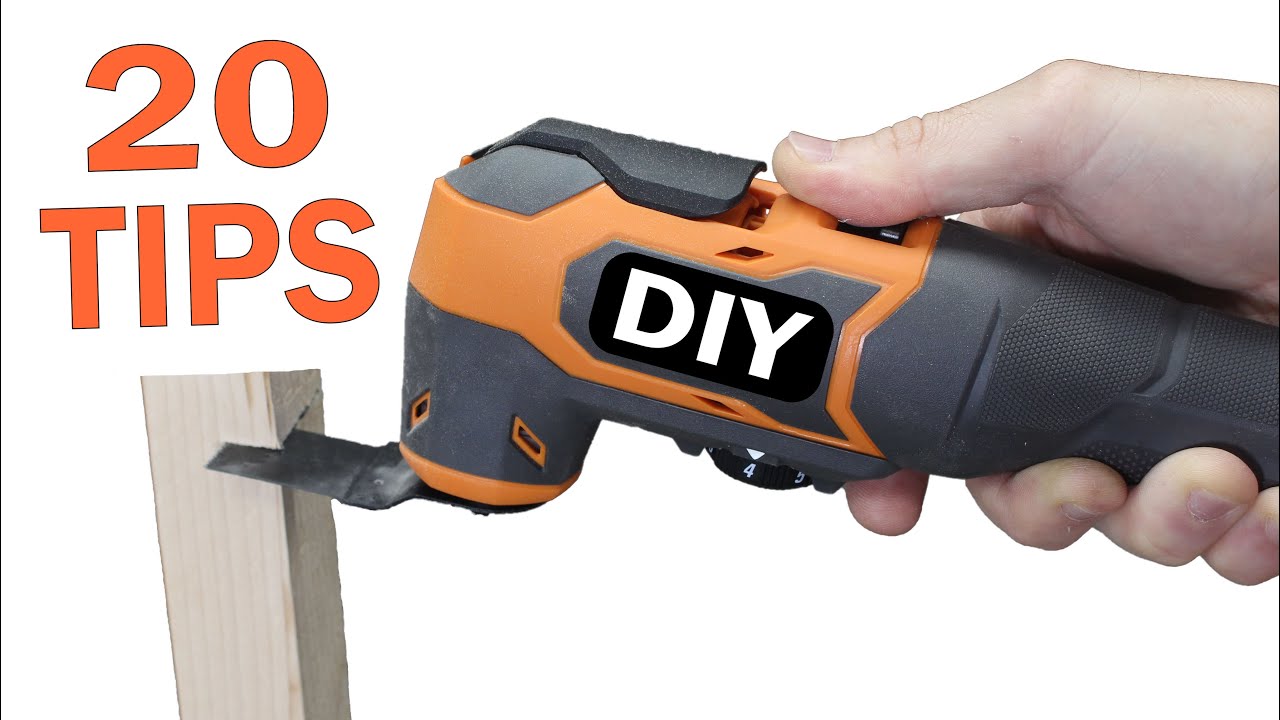
Credit: www.youtube.com
Choosing The Right Oscillating Multi-tool
Before you can use a multi-tool well, it’s important to choose the right one. Here’s what to consider:
| Feature | Corded | Cordless |
|---|---|---|
| Power | Usually stronger | Portable, less power |
| Convenience | Needs outlet | Use anywhere |
| Weight | Lighter | Heavier (battery) |
| Best For | Long jobs, workshops | Quick repairs, mobile work |
Other features to look for:
- Variable speed: Lets you control how fast the tool vibrates for different jobs.
- Tool-free blade change: Makes switching accessories quicker and safer.
- Ergonomic grip: Important for comfort during long use.
- Dust extraction: Useful for sanding or cutting indoors.
A common beginner mistake is buying a cheap model that lacks power or doesn’t fit standard blades. Always check compatibility before you buy.
Essential Accessories And Blades
The real power of a multi-tool is in its accessories. Here are some key ones:
- Wood-cutting blades: Great for trim, flooring, or plunge cuts.
- Metal-cutting blades: For nails, pipes, or screws.
- Bi-metal blades: Can handle both wood and nails at once.
- Scraper blades: Remove paint, glue, or old caulk.
- Grout removal blades: Clean out tile grout.
- Sanding pads: For small or awkward areas.
- Polishing pads: Add a smooth finish to metal or wood.
Not all blades are equal. Higher-quality blades last longer and make cleaner cuts. Cheap blades often dull quickly or overheat.
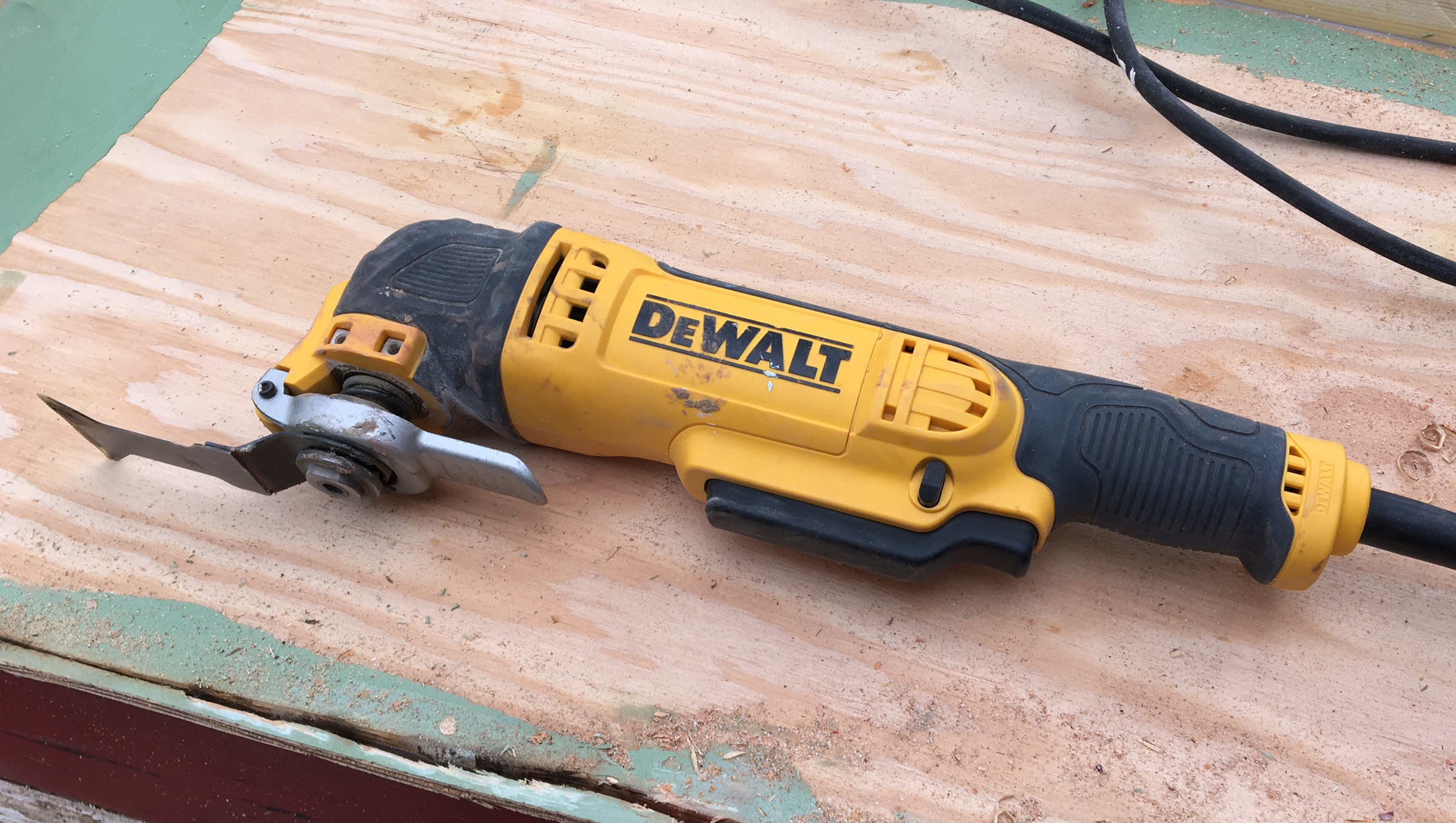
Credit: smallboatsmonthly.com
Preparing To Use An Oscillating Multi-tool
Getting ready is just as important as the cutting itself. Here’s how to prepare:
- Read the manual: Every model is a bit different. Learn the safety advice and how to change accessories.
- Choose the right blade: Pick the right blade for your material (wood, metal, grout, etc. ).
- Check the work area: Remove anything that could get damaged or is in the way.
- Wear safety gear: Use safety glasses, hearing protection, and a dust mask for sanding or cutting.
- Test on scrap: Before your main cut, test the tool on a spare piece to get a feel for it.
A mistake many new users make is skipping the safety gear—especially eye protection. Flying debris is a real risk.
How To Attach And Change Blades
Most new multi-tools make blade changes simple, but the process can vary. Here’s a general method:
- Unplug or remove battery: Always do this before changing accessories.
- Open the locking lever (or use the supplied wrench): This releases the blade mount.
- Position the blade: Blades often have holes or notches to fit the tool’s head. Align them carefully.
- Secure the blade: Close the lever or tighten the bolt. Make sure the blade is tight and doesn’t wiggle.
- Plug in or reattach battery: Now the tool is ready.
Some blades can be rotated to different angles. This is useful for working in tight spaces or getting the right cutting direction.
Basic Techniques For Common Tasks
Let’s look at some of the most useful ways to use your oscillating tool.
Cutting Wood
To cut wood, use a straight or plunge-cut blade. Mark your cut line with a pencil. Start the tool before touching the wood, then move slowly into the cut. Let the blade do the work—don’t push hard. If cutting a door jamb or trim, you can rest the blade flat for even cuts.
Cutting Metal
Use a metal blade and set the tool to a higher speed. Hold the tool steady and let the vibration cut through nails or screws. If you see sparks, don’t worry—this is normal. However, keep flammable materials away from your work area.
Removing Grout
A carbide or diamond blade works best. Hold the blade at a slight angle and move it back and forth in the grout line. Go slowly to avoid chipping the tiles.
Scraping Paint Or Adhesives
Fit a scraper blade and set a medium speed. Keep the blade flat against the surface. Work in small sections and don’t force the tool—let the vibration do the lifting.
Sanding
Attach a sanding pad and use a low to medium speed. Move the pad gently over the surface, keeping it flat. Replace sanding sheets as soon as they clog or wear out.
Advanced Tips Most Beginners Miss
Many people use multi-tools only for simple cuts, but you can do more with these expert tricks:
- Blade angle matters: For plunge cuts, rotate the blade slightly to see your line better and reduce kickback.
- Control dust: Attach a vacuum or use a dust shroud, especially when sanding or cutting indoors.
- Protect finished surfaces: Place masking tape around the cut line to avoid scratches.
- Multiple passes: For thick materials, make several shallow cuts instead of forcing a deep one.
- Use the whole blade: Move the tool side-to-side so one spot doesn’t wear out faster than the rest.
Safety Practices For Oscillating Multi-tools
Never ignore safety. Here’s what to keep in mind:
- Always wear eye protection—even for quick jobs.
- Use ear protection for long use or powerful models.
- Keep fingers away from the blade, even when the tool is off.
- Secure your workpiece. Clamp down wood or metal so it doesn’t move.
- Let the tool stop completely before setting it down.
- Check the blade for damage before each use.
A surprising risk is overheating. If the blade or tool body feels hot, stop and let it cool. Overheating can damage the tool and dull the blades.
When To Use An Oscillating Tool Vs. Other Tools
Sometimes a jigsaw or hand saw is better. Here’s a simple comparison:
| Task | Oscillating Multi-Tool | Other Tools |
|---|---|---|
| Plunge Cuts | Best choice | Difficult with saws |
| Cutting in tight spaces | Excellent | Often too large |
| Straight long cuts | Not ideal | Circular/jigsaw better |
| Sanding details | Very effective | Only with detail sander |
| Removing grout | Best tool | Manual tools slow |
If you need to cut a long, straight line in plywood, a circular saw is faster. For corners, repairs, or small cuts, a multi-tool shines.
Maintenance And Blade Care
To keep your tool working well:
- Clean blades after use. Wipe off dust and debris.
- Sharpen or replace dull blades. Don’t force a dull blade—it’s unsafe and damages your tool.
- Check and clean vents to prevent overheating.
- Store in a dry place to avoid rust.
A tip that many users miss: Some blades can be sharpened with a small file, especially wood-cutting types. But metal blades are better replaced when dull.
Common Mistakes And How To Avoid Them
- Using the wrong blade: Always match the blade to the job.
- Pushing too hard: Let the tool’s vibration do the work.
- Cutting too fast: Go slow, especially in hard materials.
- Ignoring safety gear: Even short jobs need eye and ear protection.
- Not securing the workpiece: This leads to rough cuts and accidents.
Many beginners also forget to check if the blade is tight before starting—a loose blade can fly off or ruin your cut.
Real-world Examples
- Installing laminate flooring: Use the tool to undercut door jambs for a perfect fit.
- Bathroom repairs: Cut out old grout, trim pipes, or sand rough edges.
- Window repairs: Scrape away old caulk or paint with a scraper blade.
In one case, a homeowner used a multi-tool to cut a precise hole in drywall for an electrical box—saving time and getting a cleaner edge than with a hand saw.
Where To Learn More
If you want in-depth videos or tutorials, you can check resources like Family Handyman for expert advice and visuals.
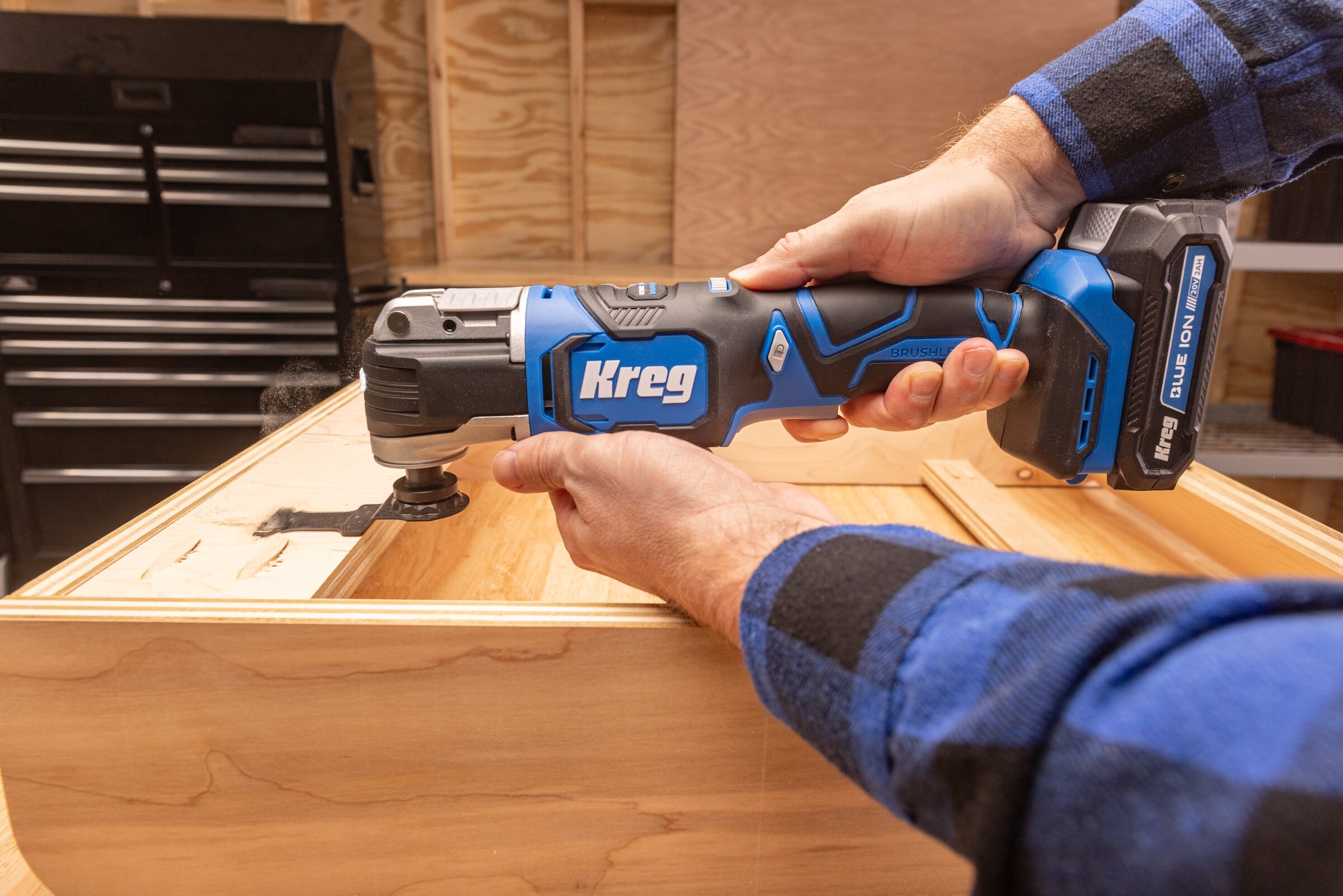
Credit: learn.kregtool.com
Frequently Asked Questions
What Materials Can I Cut With An Oscillating Multi-tool?
You can cut wood, plastic, drywall, metal, and even tile grout with the right blade. Always check the blade’s label to make sure it matches your material.
Can I Use Any Brand Of Blade With My Multi-tool?
Not always. Some tools use universal blades, but others have a unique attachment system. Check your tool’s manual to see which blades fit.
Is A Cordless Or Corded Tool Better For Home Use?
Cordless tools are more convenient for quick jobs and moving around. Corded models usually have more power for bigger projects. If you do many repairs, cordless is handy. For long jobs, corded may be better.
How Do I Avoid Damaging The Surface When Cutting Or Sanding?
Use masking tape to protect finished edges. Don’t push too hard, and move the tool gently. Practice on scrap material if possible.
What Should I Do If The Blade Gets Stuck?
Turn off and unplug the tool first. Gently wiggle the tool to loosen the blade. Don’t force it. If needed, remove the blade and check for debris or damage.
With a bit of practice and the right blade, an oscillating multi-tool can handle almost any small repair or improvement task around the home. With proper care and these tips, you’ll get clean results and enjoy safer, smoother projects every time.
