
Last Updated: March 21, 2026
If you’ve ever tackled upholstery repairs, car seat restoration, or wire fencing projects, you know how tricky it can be to secure materials firmly and neatly. That’s where hog ring pliers come in—a simple yet powerful tool designed to fasten materials quickly and securely with metal rings.But if you’re new to using them, you might wonder how to get started or avoid common mistakes. In this guide, you’ll discover exactly how to use hog ring pliers step-by-step, so you can complete your project with confidence and ease.Ready to master this handy tool and achieve professional results? Let’s dive in!Choosing The Right Hog Ring PliersSelecting the proper hog ring pliers ensures efficient and safe work. The right tool fits your project and your hands well. It makes fastening easier and faster.Many types of hog ring pliers exist. Each suits a different task or hog ring size. Choosing carefully prevents frustration and poor results.Consider The Hog Ring Size
Match the pliers with the size of hog rings you plan to use. Small rings need smaller, precise pliers. Larger rings require heavy-duty pliers with strong jaws.Using the wrong size causes weak fastening or damage. Check the package of hog rings for size recommendations.Check The Handle Design
Look for pliers with comfortable handles. Soft grips reduce hand strain during long use. Some handles have ergonomic shapes for better control.Non-slip grips improve safety, especially if your hands are wet or oily. The handle length also affects leverage and comfort.Pick Between Manual And Spring-loaded
Manual pliers require more hand strength but are simpler. Spring-loaded pliers automatically open after each squeeze, speeding up work.Spring-loaded types reduce hand fatigue on large jobs. Consider your strength and job size to decide which suits you best.Look For Durable Materials
Choose pliers made from strong metals like steel. Durable materials resist bending or breaking during use. Some pliers have rust-resistant coatings.Quality pliers last longer and provide consistent performance. Avoid cheap tools that wear out quickly.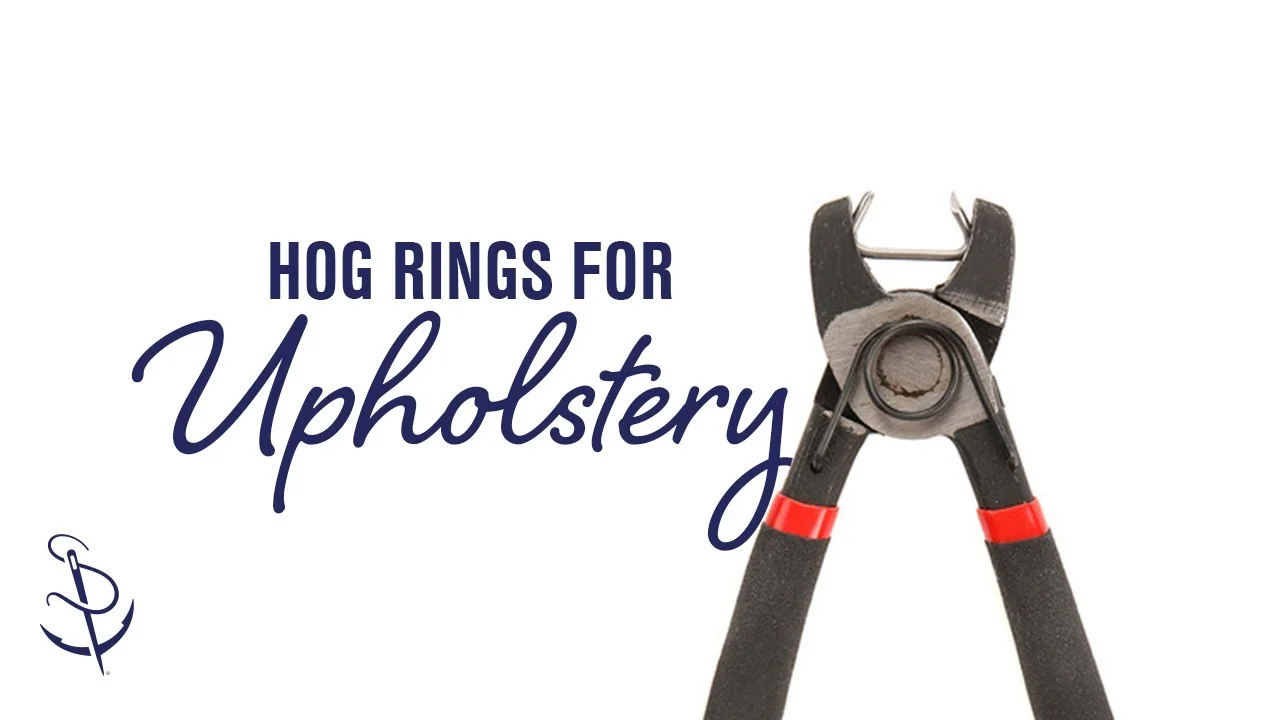 Credit: www.youtube.comPreparing Hog Rings For UsePreparing hog rings for use is a key step for effective fastening. Proper preparation saves time and avoids frustration. It ensures the rings fit well on the pliers. It also guarantees a secure hold on materials. Follow simple steps to get ready.
Choose The Right Hog Rings
Select hog rings that match your project size. Rings vary in diameter and thickness. Use smaller rings for light fabrics and larger ones for thick materials. Check the packaging for size details. Using the right size prevents damage to your work.Organize The Hog Rings
Arrange the hog rings in an easy-to-grab container. Keep them close to your workspace. This reduces interruptions during your task. Avoid mixing different sizes in one container. Organized rings speed up the fastening process.Check The Hog Ring Pliers
Inspect your hog ring pliers before loading. Make sure the jaws open and close smoothly. Clean any dirt or rust on the tool. Properly working pliers make closing rings easier. Lubricate the joints lightly if needed.Load The Hog Rings Correctly
Hold the pliers firmly and open the jaws. Place a hog ring between the jaws, flat side down. Ensure the ring sits centered in the tool. This positioning helps the ring close evenly. Avoid forcing the ring in the wrong direction.Loading Hog Rings CorrectlyLoading hog rings correctly is essential for efficient and secure fastening. Proper loading ensures the hog ring fits snugly on the pliers. This makes closing the ring easier and prevents slipping during use.Start by choosing the right size hog ring for your pliers. Using rings that are too large or too small can cause problems. The ring should sit comfortably in the jaws of the pliers without falling out.Positioning The Hog Ring On The Pliers
Place the hog ring on the tips of the pliers with the open ends facing outward. The flat side of the ring should rest against the inner surface of the jaws. This position helps the ring close evenly around the material.Securing The Ring Before Closing
Hold the pliers firmly to keep the ring in place. Avoid letting the ring slip or shift. A steady grip allows the pliers to close the ring smoothly and tightly around the objects.Checking The Ring Alignment
Make sure the ring is centered between the jaws. Misalignment can cause uneven closure or damage the ring. Proper alignment guarantees a strong and neat fastening.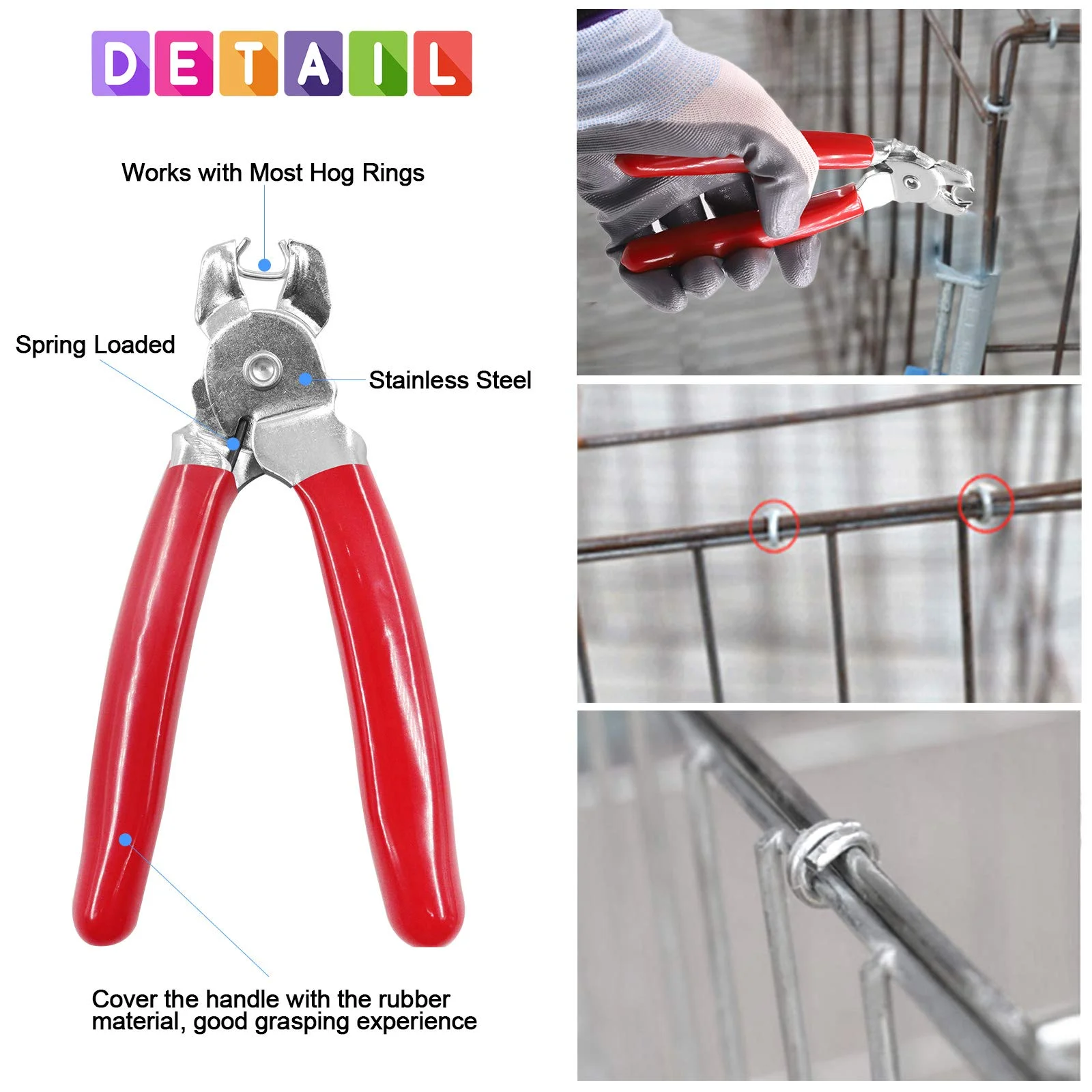 Credit: www.amazon.comTechniques For Securing MaterialsSecuring materials with hog ring pliers requires precise techniques. Proper methods ensure a tight hold and long-lasting results. These techniques work for various materials like fabric, wire, and mesh.Using the right approach reduces damage to the materials. It also speeds up the fastening process. Below are key techniques to help you secure materials effectively.
Positioning The Hog Ring Correctly
Place the hog ring in the jaws of the pliers with the open ends facing outward. This allows the ring to close around the materials evenly. Make sure the flat side of the ring touches the surface for a firm grip.Aligning Materials For A Tight Hold
Hold the materials together firmly before closing the ring. Proper alignment prevents slipping or gaps. Use your free hand to keep the layers steady and flat.Applying Even Pressure When Closing
Squeeze the pliers steadily to close the ring. Avoid sudden or uneven pressure that may deform the ring or materials. A smooth squeeze ensures the ring closes tightly without damage.Spacing Rings For Maximum Strength
Place hog rings at regular intervals along the seam or edge. Close rings too far apart risk weak spots. A spacing of 2 to 3 inches works well for most projects.Checking The Finished Fastening
Inspect the closed rings for secure fastening. The ends should overlap completely without gaps. If any rings are loose or misshaped, remove and replace them.Common Mistakes To AvoidUsing hog ring pliers seems simple but many make common mistakes. These errors can cause poor fastening and damage materials. Avoiding these mistakes helps to get strong, neat results every time.Incorrect Hog Ring Placement
Placing the hog ring too far from the edge weakens the hold. It may slip off or tear the fabric. Position the ring close to the edge but not too close to avoid damage.Using The Wrong Size Hog Rings
Using rings that are too large or too small causes poor grip. Small rings may break; large rings may not close tightly. Match the ring size to the material thickness for secure fastening.Not Loading The Pliers Properly
Loading the hog ring upside down wastes time and effort. The flat side should face down in the pliers. Ensure the ring sits correctly before squeezing for smooth closing.Applying Too Much Force
Pressing too hard can bend or break the ring. It may also damage the pliers or material. Apply steady, even pressure to close the ring fully without overdoing it.Failing To Wear Safety Gear
Hog rings can snap or fly off during use. Not wearing gloves or eye protection risks injury. Always wear simple safety gear to protect your hands and eyes.Maintenance And Care TipsProper maintenance and care keep hog ring pliers working smoothly and lasting longer. Clean and store them correctly to avoid rust and damage. Regular upkeep ensures reliable performance for every use.Cleaning After Each Use
Remove dirt and debris with a dry cloth. Use a soft brush to clear small crevices. Avoid water to prevent rust, unless you dry the pliers immediately afterward.Lubricating Moving Parts
Apply a few drops of light machine oil on the joints. This reduces friction and makes squeezing easier. Wipe off extra oil to avoid attracting dust.Storing In A Dry Place
Keep pliers in a toolbox or drawer away from moisture. Use silica gel packs to absorb any humidity. Avoid leaving them outdoors or in damp areas.Inspecting For Wear And Damage
Check for bent tips or loose springs before use. Replace any worn parts to maintain proper grip. Early detection prevents tool failure during work.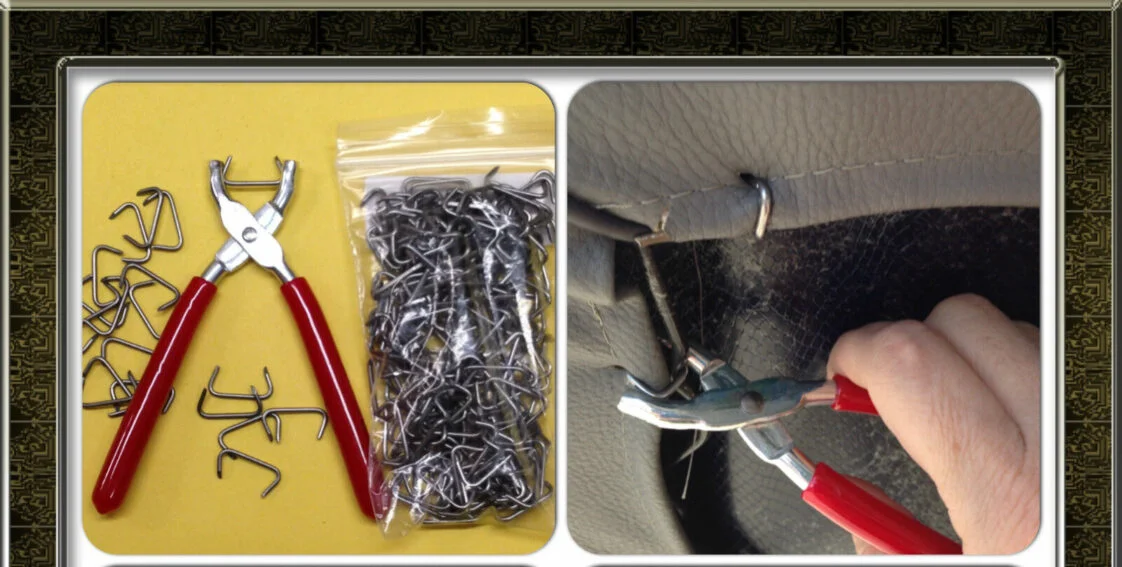 Credit: www.hogrings.com
Frequently Asked Questions
How Do You Use Hog Ring Pliers?
Place a hog ring into the pliers’ grooves. Position the ring over materials to join. Squeeze the pliers to close and secure the ring tightly.How Do You Load Hog Ring Pliers?
Place the hog ring with its flat side down into the pliers’ grooves. Hold firmly and squeeze the handles to close the ring securely around the material.How Does A Hog Ring Work?
A hog ring clamps a C-shaped metal ring around materials using special pliers. Squeezing the pliers closes the ring, securing fabrics or objects firmly together.How To Use Ring Opening Pliers?
Place the hog ring in the pliers’ grooves with the flat side down. Position over materials, then squeeze the pliers to close the ring securely.What Are Hog Ring Pliers Used For?
Hog ring pliers fasten materials like upholstery, fencing, and bags securely with metal rings.How Do You Properly Load Hog Ring Pliers?
Place the hog ring in the pliers with the flat side facing down before squeezing.Conclusion
Using hog ring pliers is simple with practice and care. Place the hog ring on the pliers correctly. Squeeze firmly to close the ring and secure materials tightly. This tool works well for upholstery, fencing, and more. Always choose the right size hog rings for your project.Keep your hands steady to avoid mistakes. With these tips, your work looks neat and lasts longer. Try using hog ring pliers on small projects first. Soon, you will feel confident handling bigger tasks easily.Related reading: How to Use Hog Ring Pliers.
{ “@context”: “https://schema.org”, “@type”: “Article”, “headline”: “How to Use Hog Ring Pliers: Expert Tips for Perfect Results”, “description”: “Learn how to use hog ring pliers to fasten materials securely by bending metal rings, commonly used in upholstery and fencing applications.”, “url”: “https://www.powertoolstoday.com/how-to-use-hog-ring-pliers/”, “datePublished”: “2026-02-14”, “dateModified”: “2026-03-18”, “author”: { “@type”: “Organization”, “name”: “Power Tools Today”, “url”: “https://www.powertoolstoday.com” }, “publisher”: { “@type”: “Organization”, “name”: “Power Tools Today”, “url”: “https://www.powertoolstoday.com” }, “mainEntityOfPage”: { “@type”: “WebPage”, “@id”: “https://www.powertoolstoday.com/how-to-use-hog-ring-pliers/” }, “image”: { “@type”: “ImageObject”, “url”: “https://www.powertoolstoday.com/wp-content/uploads/2025/11/How-to-Use-Hog-Ring-Pliers-Expert-Tips-for-Perfect-Results-1024×576.webp” } }{ “@context”: “https://schema.org”, “@type”: “Article”, “headline”: “How to Use Hog Ring Pliers: Expert Tips for Perfect Results”, “description”: “Learn how to use hog ring pliers to fasten materials securely by bending metal rings, commonly used in upholstery and fencing applications.”, “url”: “https://www.powertoolstoday.com/how-to-use-hog-ring-pliers/”, “datePublished”: “2026-02-14”, “dateModified”: “2026-03-19”, “author”: { “@type”: “Organization”, “name”: “Power Tools Today”, “url”: “https://www.powertoolstoday.com” }, “publisher”: { “@type”: “Organization”, “name”: “Power Tools Today”, “url”: “https://www.powertoolstoday.com” }, “mainEntityOfPage”: { “@type”: “WebPage”, “@id”: “https://www.powertoolstoday.com/how-to-use-hog-ring-pliers/” }, “image”: { “@type”: “ImageObject”, “url”: “https://www.powertoolstoday.com/wp-content/uploads/2025/11/How-to-Use-Hog-Ring-Pliers-Expert-Tips-for-Perfect-Results-1024×576.webp” } }nn