
Last Updated: March 21, 2026
If you work with machinery, aviation, or automotive projects, you know how crucial it is to keep fasteners secure. That’s where safety wire pliers come in.But are you using them the right way to make sure your work stays reliable and safe? In this guide, you’ll discover simple, step-by-step tips on how to use safety wire pliers effectively. By mastering this skill, you’ll prevent parts from loosening, avoid costly repairs, and boost your confidence on any job.Ready to learn a tool technique that can make a real difference? Let’s get started.Choosing Safety Wire Pliers
Choosing the right safety wire pliers makes a big difference in your work. These tools help secure bolts and parts by twisting wire tightly and evenly. Picking the right pliers ensures easy, reliable safety wiring. Consider the types, build, and key features to find the best fit for your needs.Types Of Safety Wire Pliers
Safety wire pliers come in several types. Standard pliers have a simple twisting function. Double-twist pliers twist wire twice for extra strength. Some models include a cutter to trim wire quickly. Pick the type that matches your project and skill level.Material And Build Quality
Look for pliers made with strong materials like stainless steel. Good build quality means the tool lasts longer and resists rust. Solid grips improve comfort and control. Avoid cheap pliers that bend or break easily.Features To Look For
Choose pliers with a locking mechanism to hold wire tightly. A smooth twisting action reduces hand strain. Some pliers have a built-in wire cutter. Check for ergonomic handles that fit well in your hand. These features make safety wiring faster and easier.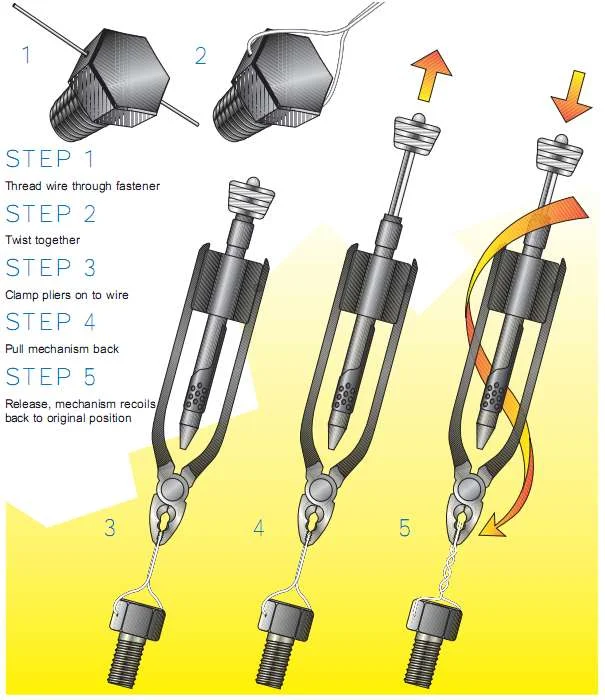 Credit: www.mgaguru.com
Preparing Wire For Twisting
Preparing wire for twisting is a key step in using safety wire pliers effectively. Proper preparation ensures the wire holds fasteners securely. This process involves choosing the right wire, cutting it cleanly, and threading it properly through fasteners.Selecting The Right Wire Gauge
Choose a wire gauge that matches your fastener size. Thicker wire offers more strength but is harder to twist. Thinner wire twists easily but may not hold tight. Check manufacturer guidelines for recommended wire gauges.Cutting And Threading Wire
Cut the wire with sharp wire cutters for a clean end. Avoid crushed or bent tips. Straight wire ends slide easily through holes. Thread the wire carefully through fastener holes without forcing it. This prevents damage and ensures proper placement.Positioning Wire Through Fasteners
Pass the wire through all required fasteners in the correct order. Pull the wire tight to remove slack. Keep the wire aligned to avoid twisting before using pliers. Proper positioning helps create a secure and neat twist.Using Safety Wire Pliers
Using safety wire pliers makes securing fasteners easier and safer. These pliers help twist and tighten wire that locks bolts or nuts in place. Proper use prevents loosening from vibration or movement.Follow simple steps to use safety wire pliers correctly. Understanding how to clamp the wire, twist it, and maintain tension is key. This ensures a strong and reliable safety wire installation.Clamping Wire In Pliers
First, open the safety wire pliers. Place the wire ends inside the jaws. Squeeze the handles to clamp the wire tightly. The jaws hold the wire firmly for twisting.Ensure the wire sits straight between the jaws. This avoids slipping during twisting. A secure clamp helps create even twists without damaging the wire.Twisting Techniques
With the wire clamped, pull the pliers’ twisting knob or rotate the handles. The wire will begin to twist evenly. Apply steady, smooth motion for clean twists.Count the twists to keep them consistent. Avoid over-twisting as it can weaken the wire. Proper twisting locks the wire and holds fasteners firmly in place.Maintaining Proper Tension
Keep the wire tight while twisting. Tension prevents slack that can cause loosening later. Use your free hand to hold the wire steady if needed.Check the wire for firmness after twisting. The wire should feel tight but not strained. Correct tension ensures the safety wire performs its locking function well.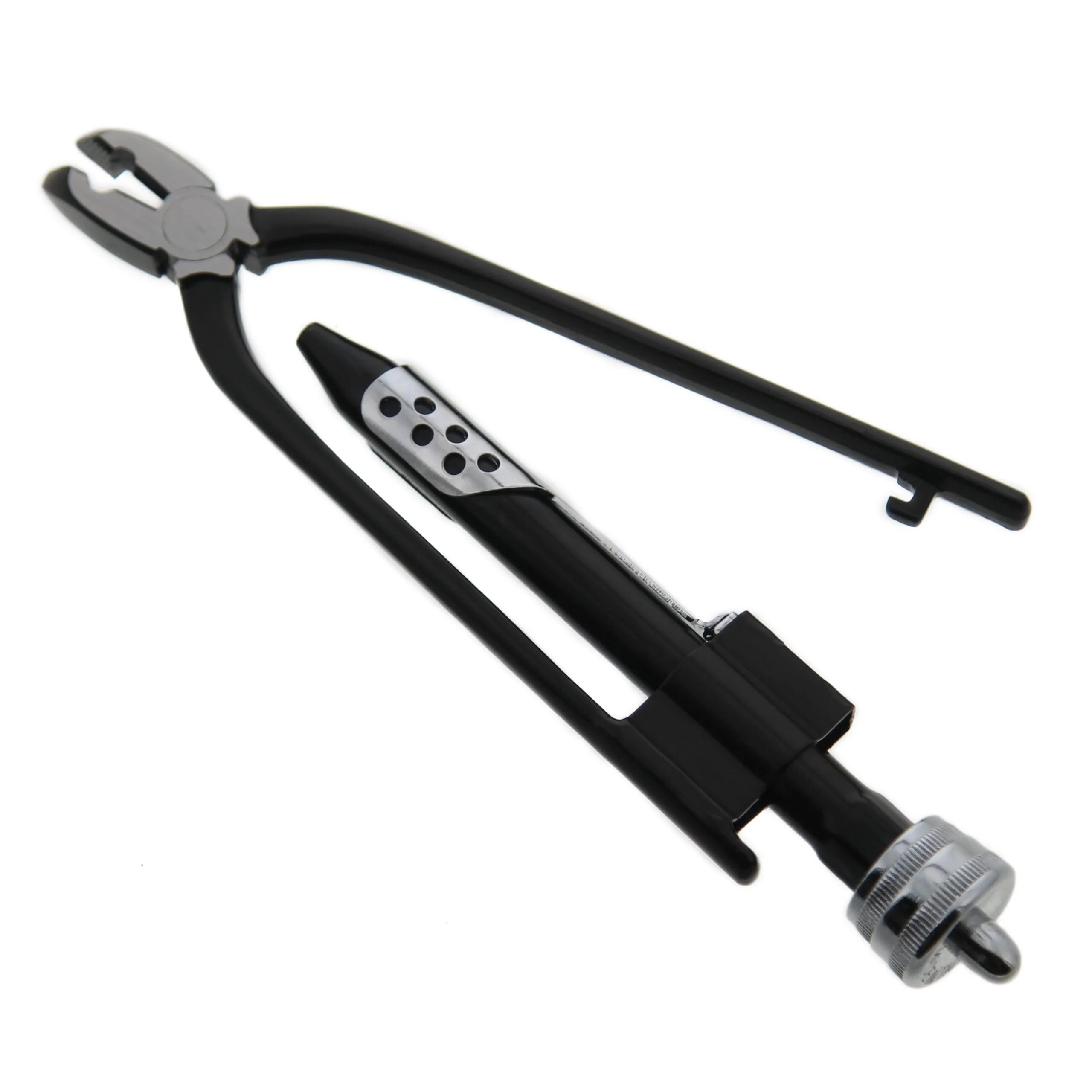 Credit: www.amazon.com
Securing Fasteners With Wire
Securing fasteners with wire is a reliable method to prevent loosening due to vibration or movement. Safety wire pliers help twist and tighten the wire around fasteners. This process adds an extra layer of security to nuts, bolts, and screws in critical applications.Using safety wire correctly ensures parts stay firmly in place. The wire holds the fastener tight and stops it from turning. Below are key steps to secure fasteners using wire and safety wire pliers.Looping Through Pre-drilled Holes
Start by threading the wire through the fastener’s pre-drilled hole. This hole is designed for the wire to pass through easily. Pull enough wire through to create a loop. The loop helps hold the wire firmly in place when twisted.Make sure the wire passes cleanly without kinks. The loop anchors the wire so it won’t slip during twisting. Proper looping is essential for a strong hold.Wrapping And Locking Wire Ends
After looping, wrap the wire ends tightly around each other. Use safety wire pliers to grip both ends. Squeeze the pliers and twist the wire evenly. Twisting locks the wire securely and prevents loosening.Keep twists close and neat for better strength. Avoid gaps or loose sections. The locked wire holds the fastener in place under stress.Ensuring Fastener Stability
Check the twisted wire for tightness and firmness. The wire should not move or feel loose. A stable fastener stays fixed even with vibrations or shocks.Use safety wire pliers to pull the wire taut during twisting. Tight wire ensures maximum security. Inspect the wire regularly for any signs of wear or damage.Common Mistakes To Avoid
Using safety wire pliers correctly ensures strong and reliable twists. Avoiding common mistakes saves time and prevents unsafe connections. Below are frequent errors that many make when using these pliers. Knowing these will improve your work quality and safety.Over-twisting Wire
Twisting the wire too much can weaken it. Excessive twisting causes the wire to break or become brittle. Stop twisting once the wire looks tight and neat. Too many twists reduce the wire’s strength and safety.Incorrect Wire Placement
Placing the wire wrongly in the pliers leads to poor twists. The wire must be positioned firmly between the jaws. Loose or off-center wire slips during twisting and creates uneven tension. Correct wire placement ensures smooth and secure twists every time.Using Damaged Tools
Using bent or worn pliers makes twisting difficult and unsafe. Damaged jaws may not grip the wire properly. Always check your pliers before use. Replace or repair any tool that shows signs of wear or damage. Good tools help you work faster and safer. Credit: www.youtube.com
Maintenance Of Safety Wire Pliers
Maintaining safety wire pliers ensures they stay effective and last longer. Proper care prevents rust and keeps the twisting mechanism smooth. This section covers key maintenance steps for your pliers.Cleaning After Use
Remove all wire debris from the jaws and handles. Use a soft brush or cloth to clean tight spots. Avoid harsh chemicals that can damage the metal. Clean pliers work better and last longer.Lubrication Tips
Apply a few drops of light machine oil to the pivot joint. This keeps the movement smooth and prevents rust. Wipe off excess oil to avoid attracting dirt. Lubricate regularly for best performance.Storage Recommendations
Store safety wire pliers in a dry place away from moisture. Use a tool box or pouch to protect them from dust and damage. Keep them separate from other tools to avoid scratches. Proper storage extends the tool’s life.Frequently Asked Questions
How To Use Pittsburgh 9 In Safety Wire Twisting Pliers?
Insert both wire ends into Pittsburgh 9 jaws and clamp tightly. Pull the knob to twist wire evenly. Repeat pulls to secure.How To Use Cable Pliers?
Grip the cable firmly with cable pliers. Squeeze the handles to cut, strip, or twist the cable as needed. Use steady pressure for clean cuts or twists. Release the pliers to remove or adjust the cable. Always wear safety gear during use.How To Twist Wire With Fencing Pliers?
Grip both wire ends with fencing pliers, clamp tightly, then twist by rotating the pliers’ handle firmly until the wire coils evenly.How Does Safety Wire Work?
Safety wire secures fasteners by threading wire through holes and twisting it tightly. This prevents loosening from vibration or movement.What Are Safety Wire Pliers Used For?
Safety wire pliers twist wire to secure fasteners and prevent loosening from vibration.How Do You Load Wire Into Safety Wire Pliers?
Insert both wire ends into the pliers’ jaws and then lock the handles closed.Conclusion
Using safety wire pliers makes securing fasteners easier and safer. Twist the wire tightly to prevent loosening. Practice helps improve your technique and speed. Always check your work to ensure the wire holds firm. Safety wire pliers are useful in many mechanical tasks.Keep your tools clean and in good condition. With patience and care, you can use them confidently. Safety matters—wire pliers help keep parts secure and reliable.Related reading: What Are Lineman Pliers Used For.
{ “@context”: “https://schema.org”, “@type”: “Article”, “headline”: “How to Use Safety Wire Pliers: Master Tips for Secure Fastening”, “description”: “Learn how to use safety wire pliers to securely twist and tighten wire for locking fasteners, ensuring reliable safety in mechanical and aviation applications.”, “url”: “https://www.powertoolstoday.com/how-to-use-safety-wire-pliers/”, “datePublished”: “2026-02-17”, “dateModified”: “2026-03-18”, “author”: { “@type”: “Organization”, “name”: “Power Tools Today”, “url”: “https://www.powertoolstoday.com” }, “publisher”: { “@type”: “Organization”, “name”: “Power Tools Today”, “url”: “https://www.powertoolstoday.com” }, “mainEntityOfPage”: { “@type”: “WebPage”, “@id”: “https://www.powertoolstoday.com/how-to-use-safety-wire-pliers/” }, “image”: { “@type”: “ImageObject”, “url”: “https://www.powertoolstoday.com/wp-content/uploads/2025/11/How-to-Use-Safety-Wire-Pliers–1024×576.webp” } }{ “@context”: “https://schema.org”, “@type”: “Article”, “headline”: “How to Use Safety Wire Pliers: Master Tips for Secure Fastening”, “description”: “Learn how to use safety wire pliers to securely twist and tighten wire for locking fasteners, ensuring reliable safety in mechanical and aviation applications.”, “url”: “https://www.powertoolstoday.com/how-to-use-safety-wire-pliers/”, “datePublished”: “2026-02-17”, “dateModified”: “2026-03-19”, “author”: { “@type”: “Organization”, “name”: “Power Tools Today”, “url”: “https://www.powertoolstoday.com” }, “publisher”: { “@type”: “Organization”, “name”: “Power Tools Today”, “url”: “https://www.powertoolstoday.com” }, “mainEntityOfPage”: { “@type”: “WebPage”, “@id”: “https://www.powertoolstoday.com/how-to-use-safety-wire-pliers/” }, “image”: { “@type”: “ImageObject”, “url”: “https://www.powertoolstoday.com/wp-content/uploads/2025/11/How-to-Use-Safety-Wire-Pliers–1024×576.webp” } }nn