
Last Updated: March 21, 2026
Are you wondering if your impact driver can double as an impact wrench? It’s a common question, especially when you want to save money or avoid buying another tool.
You might have a stubborn lug nut or a heavy bolt that needs extra power, and you’re asking yourself: Can this one tool handle both jobs? Before you reach for that impact driver, it’s important to understand how these tools work and whether one can truly replace the other.
Keep reading to find out what you need to know so you don’t risk damaging your tools or your project. This guide will clear up the confusion and help you make the right choice for your task.
Credit: www.maxtool.com
Impact Driver Basics
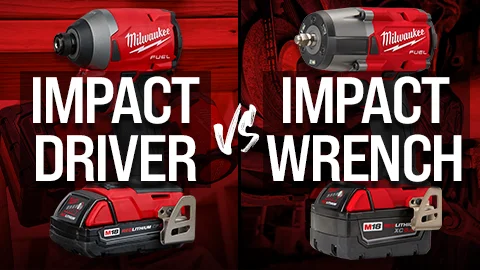
An impact driver is a powerful tool designed for driving screws and bolts quickly. It combines rotational force with strong concussive blows. This action helps to loosen or tighten fasteners more efficiently than a regular drill. Understanding the basics of impact drivers is essential before comparing them to impact wrenches.
How Impact Drivers Work
Impact drivers use a motor to spin the bit at high speed. When resistance increases, the tool delivers rapid, strong bursts of torque. These bursts help break loose stuck screws or bolts without stripping them. The tool’s hammering action works in the direction of rotation only. This makes it very effective for driving screws deep into tough materials.
Common Uses
Impact drivers are mostly used in woodworking and construction. They handle tasks like driving long screws and lag bolts. These tools are great for assembling furniture, building decks, and installing drywall. Impact drivers work well with hex-shank driver bits. They are not designed for heavy-duty automotive work, like removing lug nuts or large bolts.
Impact Wrench Features
Understanding the features of an impact wrench helps clarify its differences from an impact driver. These features define how the tool works and the tasks it can handle. Impact wrenches deliver high torque and use a hammering mechanism to tighten or loosen bolts quickly. The design supports heavy-duty jobs requiring strong rotational force.
Design And Function
Impact wrenches have a robust design with a square drive for sockets. They use a hammering action inside the tool to produce short bursts of high torque. This helps break loose stubborn nuts or bolts fast. Most impact wrenches are powered by air (pneumatic), electricity, or batteries. The tool’s body is larger and heavier than an impact driver. It focuses on delivering maximum torque, not speed or precision.
Typical Applications
Impact wrenches are common in automotive repair for removing lug nuts. Mechanics use them to change tires quickly. They also work well in construction, heavy equipment maintenance, and assembly lines. Any task requiring strong torque to fasten or loosen large bolts suits an impact wrench. Using the right tool saves effort and prevents damage to fasteners.
Key Differences Between Tools
Understanding the key differences between an impact driver and an impact wrench helps decide the right tool for your task. Both tools use impact action to deliver torque, but they vary in design and purpose. These differences affect their performance on specific jobs, especially in automotive and construction work.
Torque And Power Output
Impact wrenches provide much higher torque than impact drivers. Torque is the force that turns bolts and nuts. Impact wrenches can easily handle large lug nuts and heavy fasteners. Impact drivers deliver less torque, enough for screws and smaller bolts. Using an impact driver on big nuts might not loosen them effectively. The power output of each tool suits different types of jobs.
Drive Mechanism Variations
Impact drivers use a 1/4-inch hex collet for screwdriver bits. They are designed for driving screws quickly and with control. Impact wrenches have a square drive, usually 1/2 inch or larger. This drive fits sockets to work on nuts and bolts. The internal mechanism of impact wrenches is built for stronger impacts. Impact drivers focus more on speed and precision than raw power.
Using Impact Drivers For Wrench Tasks
Impact drivers and impact wrenches share similar names, but they serve different purposes. Using an impact driver for wrench tasks may seem convenient. Many DIYers wonder if this tool can handle bolts and nuts like an impact wrench. Understanding when an impact driver might work and its limits is essential for safe and effective work.
When It Might Work
Impact drivers deliver high rotational speed and quick bursts of torque. This makes them useful for driving screws and small bolts. For light tasks, such as loosening or tightening small nuts, an impact driver can be helpful. Using the right socket adapter can allow the driver to fit wrench sockets. For low-torque jobs, like assembling furniture or fixing bike parts, an impact driver may do the job. It works best on fasteners that do not need very high torque.
Limitations And Risks
Impact drivers are not made for heavy-duty wrenching. Their torque is lower than impact wrenches, limiting their strength on large bolts and lug nuts. Using an impact driver on tough bolts can damage the tool or the fastener. The tool’s motor and hammering mechanism differ, so it may wear out faster under wrench-like stress. Using improper adapters can cause the socket to slip or break. Over-tightening is a risk and can strip threads or break bolts. Safety is important; an impact wrench is safer for heavy mechanical work.
Adapters And Modifications
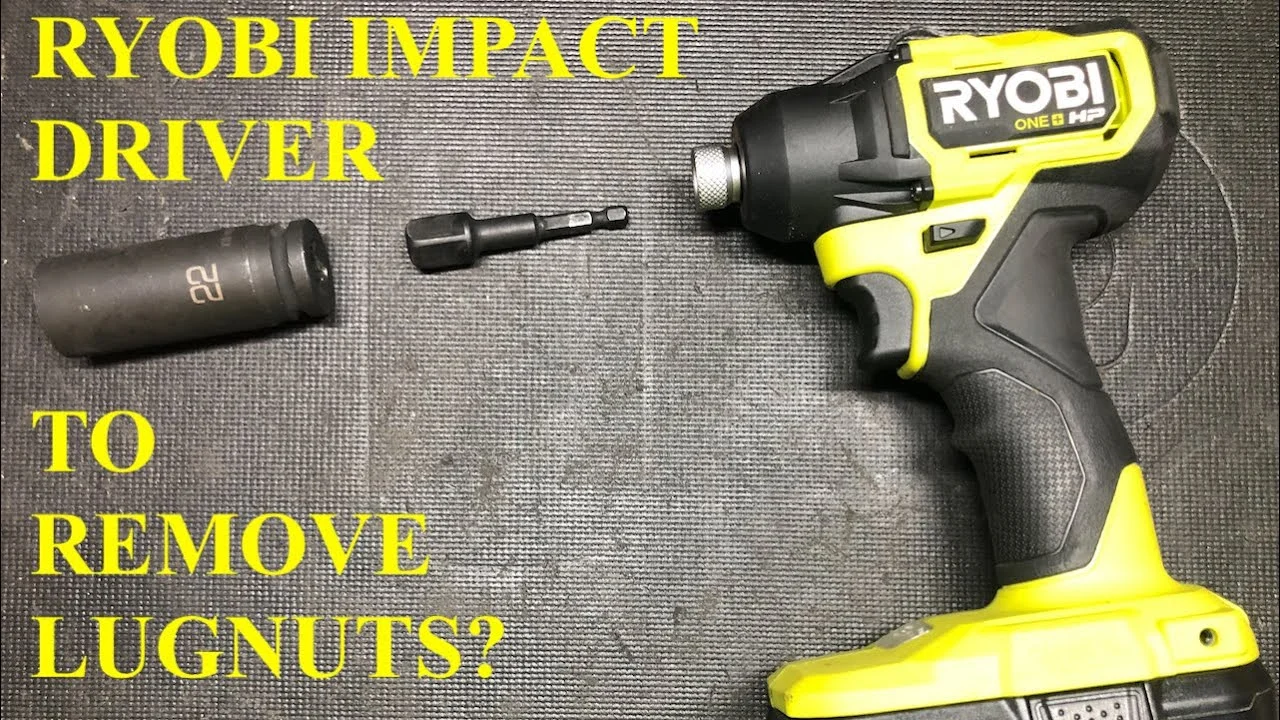
Adapters and modifications can help you use an impact driver more like an impact wrench. These tools have different designs and power levels. Yet, adapters can bridge the gap between them. You can attach sockets to an impact driver with the right adapter. This expands what the driver can do, especially for loosening or tightening bolts.
Adapters come in various sizes and types. They help fit sockets onto the driver’s hex chuck. But adding adapters changes how the tool performs. It can reduce power and torque. Knowing how adapters affect your tool is important before use.
Socket Adapters For Impact Drivers
Socket adapters let you use standard sockets with impact drivers. They convert the driver’s hex bit holder to a square drive. Most common sizes are 1/4″, 3/8″, and 1/2″ drives. This lets you fit many socket sizes on your driver.
Impact-rated socket adapters are best. They handle the impacts and torque without breaking. Cheaper adapters may crack or wear quickly. Use adapters made from strong steel for safety and durability.
Effect On Performance
Adapters reduce torque and speed slightly. The tool has to transfer power through an extra piece. This causes some energy loss. Your impact driver may feel less powerful with large sockets.
Adapters also add length, changing tool balance. This can affect control and comfort. Using heavy sockets with an impact driver may cause strain or slipping.
Adapters do not make an impact driver a full replacement for an impact wrench. Impact wrenches deliver more torque and power. Adapters help, but they cannot match wrench performance fully.
Credit: www.youtube.com
Choosing The Right Tool
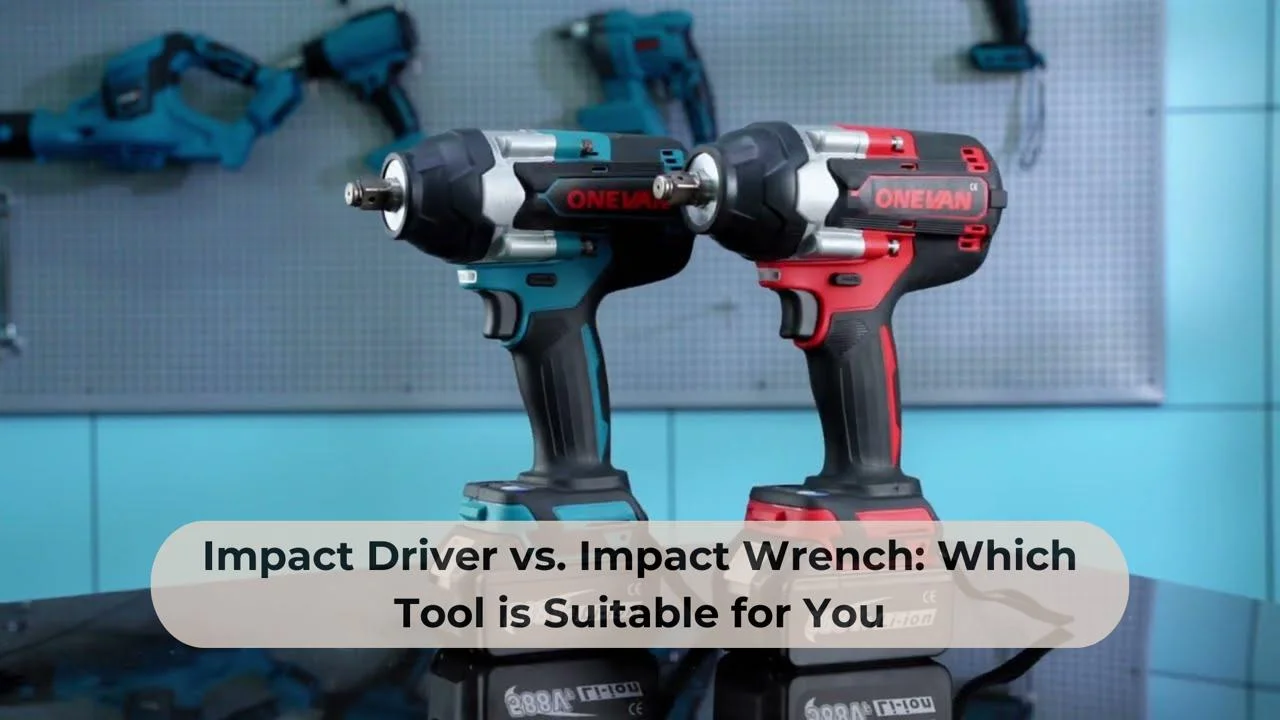
Choosing the right tool is crucial for any project. Using the correct tool ensures efficiency and safety. It also protects your materials from damage. Impact drivers and impact wrenches look similar but serve different purposes. Understanding these differences helps you pick the best tool for your task.
Job Requirements
Consider what the job demands before selecting a tool. Impact wrenches provide high torque for heavy-duty tasks. They excel at loosening or tightening large bolts and lug nuts. Impact drivers deliver less torque but offer more speed and control. They work well for driving screws and small fasteners. Match the tool’s power to the job’s needs to avoid damage or frustration.
Tool Versatility Vs. Specialization
Impact drivers are versatile for many tasks around the house. They handle wood screws, drywall screws, and small bolts easily. Impact wrenches specialize in tasks requiring strong torque. They are ideal for automotive repair or construction involving large nuts. Using an impact driver as a wrench may work for light jobs but lacks power. Choose a specialized tool for heavy or professional work to get better results.
Credit: onevantool.com
Frequently Asked Questions
Can I Use An Impact Driver To Remove Lug Nuts?
An impact driver can remove some lug nuts but lacks the torque of an impact wrench. Use an impact wrench for safety and efficiency.
What Not To Do With An Impact Driver?
Avoid over-tightening to prevent fastener and material damage. Do not use impact drivers as impact wrenches. Never use worn or damaged bits. Avoid adding excessive adapters, which reduce torque. Do not neglect regular cleaning and maintenance for optimal performance.
What To Use Instead Of Impact Wrench?
Use a manual wrench with a hammer for extra force or a breaker bar for loosening tight bolts.
Are An Impact Wrench And Impact Driver The Same Thing?
An impact wrench delivers higher torque for heavy bolts, while an impact driver suits screws and smaller fasteners. They serve different purposes.
Can An Impact Driver Replace An Impact Wrench?
An impact driver cannot fully replace an impact wrench due to lower torque and socket compatibility.
What Is The Main Difference Between These Tools?
Impact wrenches deliver higher torque and use square drive sockets, while impact drivers use hex bits.
Conclusion
Using an impact driver as an impact wrench is not ideal. Impact drivers are designed for screws and small bolts, not heavy nuts. They lack the torque needed for tough jobs like lug nuts. Adapters may help but reduce power and risk damage.
For strong, reliable results, use the right tool. This keeps your work safe and efficient. Choose tools made for the task, and avoid frustration. Your projects will go smoother and last longer this way.
nn
Related Articles
- Hammer Drill Vs Impact Driver: Ultimate Guide to Choose Right Tool
- Electric Screwdriver Vs Drill: Ultimate Guide to Choose Right Tool
- How Does an Impact Driver Work: Ultimate Guide to Power and Precision
- What is a Rotary Hammer Used for: Ultimate Guide to Powerful Drilling
nn
