
Last Updated: March 20, 2026
When it comes to choosing the right power saw for your project, you might find yourself stuck between a jigsaw and a circular saw. Both are essential tools, but they serve very different purposes.
Are you wondering which one fits your needs best? Maybe you want clean, curved cuts or fast, straight lines? Understanding the strengths and limitations of each saw can save you time, money, and frustration. You’ll discover exactly how a jigsaw and a circular saw work, what projects each excels at, and how to make the right choice for your next woodworking or DIY task.
Keep reading to find out which saw will become your go-to tool!
Credit: www.thehandymansdaughter.com
Tool Types And Uses
Choosing the right saw depends on the type of work you want to do. Both jigsaws and circular saws serve different purposes. Understanding their tool types and uses helps you pick the best one for your project.
What Is A Jigsaw?
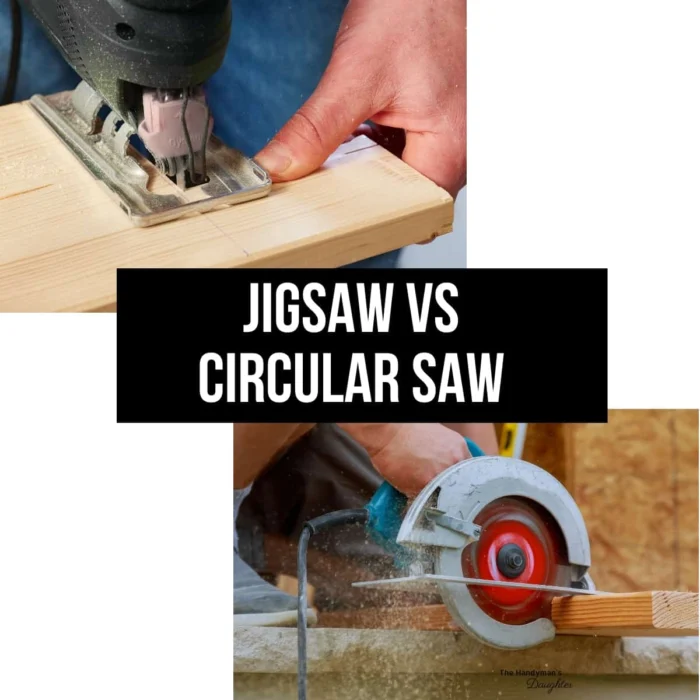
A jigsaw is a handheld power tool with a small blade. The blade moves up and down to cut materials. It is perfect for making curved or intricate cuts. Jigsaws handle wood, plastic, and metal sheets well. They work best for detailed work and irregular shapes.
What Is A Circular Saw?
A circular saw has a round, spinning blade. It cuts straight lines quickly and accurately. This saw is ideal for cutting large pieces of wood or sheet materials. Circular saws are strong and fast, making them great for rough cuts. They work well for framing, decking, and other big projects.
Key Uses Of A Jigsaw
Jigsaws cut curves, circles, and detailed shapes easily. They are good for crafts, furniture, and small repairs. The tool is light and easy to control. It can cut inside shapes by drilling starter holes first. Jigsaws provide more control for delicate cuts.
Key Uses Of A Circular Saw
Circular saws cut straight lines and large materials fast. They are used for crosscutting and ripping wood sheets. This saw is common in construction and carpentry. Circular saws are great for breaking down big pieces. They offer power and precision for straight cuts.
Cutting Precision
Cutting precision is a key factor when choosing between a jigsaw and a circular saw. Each tool offers different levels of accuracy depending on the task. Understanding their cutting precision helps you pick the best saw for your project.
Precision affects the quality of cuts, the ease of use, and the final look of your work. Both saws have unique features that influence how clean and accurate the cuts can be.
Precision Of Jigsaw Cuts
A jigsaw excels in making curved and intricate cuts. Its thin blade moves up and down, allowing detailed shaping. The blade size helps in tight spaces and complex patterns.
Cut lines with a jigsaw may not be perfectly straight without a guide. Slow cutting and steady hands improve accuracy. For best results, use a guide or clamp a straight edge to the material.
Accuracy Of Circular Saw Cuts
Circular saws provide very straight and clean cuts. Their round blades spin quickly, cutting through materials with ease. This makes them ideal for long, straight cuts on wood or sheet materials.
Using a circular saw with a guide rail or straight edge ensures even better precision. Cuts are usually faster and more consistent than with a jigsaw. They work well for framing, plywood, and other flat surfaces.
Factors Affecting Cutting Precision
Blade type and sharpness impact how clean the cut will be. Dull or wrong blades cause rough edges and splinters. Proper blade choice matches the material and cut type.
Material stability matters too. Clamping the wood firmly reduces vibration and movement. This helps both saws maintain a straight line and smooth finish.
Material Compatibility
Choosing between a jigsaw and a circular saw depends largely on the materials you plan to cut. Each saw handles different materials better. Knowing their strengths helps you pick the right tool for the job.
Both saws work well with wood, but they vary in precision and thickness capacity. Some materials require special blades or cutting techniques. Understanding these differences can save time and improve results.
Wood Cutting
Jigsaws excel at cutting curves and detailed shapes in wood. They work best on thin to medium thickness wood. Circular saws handle straight cuts quickly and cleanly. They cut through thicker wood with ease and speed.
Metal Cutting
Jigsaws can cut thin metal sheets using the correct blade. Circular saws also cut metal but need special blades designed for metal. Circular saws are faster but less precise on metal than jigsaws.
Plastic And Laminates
Jigsaws cut plastic sheets and laminates smoothly. Their slower cutting action reduces cracking and chipping. Circular saws can cut plastic but may cause rough edges without careful handling.
Tile And Masonry
Jigsaws can cut thin tile with proper blades but are not ideal for thick masonry. Circular saws with diamond blades cut tile and masonry faster. They are better suited for heavy-duty materials.
Credit: sawsonskates.com
Portability And Handling
Portability and handling are key factors when choosing between a jigsaw and a circular saw. Both tools offer different experiences in how you carry and use them. Understanding these differences helps pick the right saw for your project.
Portability Of The Jigsaw
The jigsaw is compact and lightweight. It fits easily in one hand and a small tool bag. This makes it ideal for jobs that need movement or working in tight spaces. Battery-powered jigsaws add to the freedom of use without cords.
Portability Of The Circular Saw
Circular saws are larger and heavier than jigsaws. They require more space for carrying and storage. Corded models need access to power outlets, limiting mobility. Battery models offer better portability but still weigh more.
Handling The Jigsaw
Jigsaws offer great control for detailed and curved cuts. Their small size allows precise movements. The handle design helps reduce hand fatigue during long use. The blade moves up and down, giving smooth cuts on various materials.
Handling The Circular Saw
Circular saws require a firm grip for straight, long cuts. The saw’s weight provides stability but can tire the user faster. It uses a rotating blade that cuts quickly through thick wood and other materials. Handling skill improves cut accuracy and safety.
Safety Features
Safety is a key factor when choosing between a jigsaw and a circular saw. Both tools have unique features that protect users from accidents. Understanding these safety features helps prevent injuries and ensures a smooth cutting experience.
Blade Guards
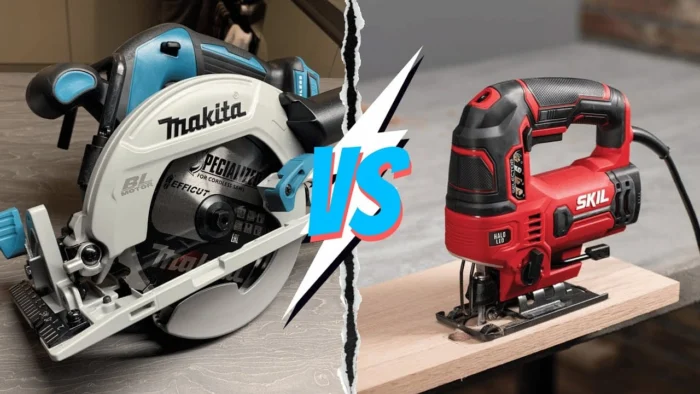
Both saws include blade guards to cover the sharp edges. The circular saw has a retractable guard that moves as you cut. It exposes the blade only when needed. The jigsaw has a fixed guard around the blade area. This guard keeps fingers away from the blade during operation.
Ergonomic Handles
Ergonomic handles improve grip and reduce hand fatigue. Circular saws often feature a front and rear handle for better control. Jigsaws have a pistol grip or top handle design. These grips help keep the tool steady and reduce slips.
Safety Switches
Safety switches prevent accidental startups. Circular saws require pressing a trigger and a safety lock to start. Jigsaws also include a safety switch that must be engaged before cutting. This design reduces the risk of the blade spinning unexpectedly.
Dust Collection
Dust collection systems protect your eyes and lungs. Circular saws often have ports for attaching a vacuum. Jigsaws produce less dust but may include small dust blowers. These features keep the cutting area clear and improve visibility.
Stability Features
Stability is vital for safe cuts. Circular saws have a flat base plate that rests on the material. This base helps guide the saw in a straight line. Jigsaws come with adjustable base plates to control cutting angles. Both designs reduce the chance of the tool slipping during use.
Credit: www.youtube.com
Cost And Maintenance
Cost and maintenance matter when choosing between a jigsaw and a circular saw. Both tools have upfront prices and ongoing care needs. Understanding these helps you pick the right saw for your budget and workload.
Cost Of Jigsaw And Circular Saw
Jigsaws generally cost less than circular saws. Entry-level models start around $40 to $70. Circular saws often begin near $60 but can go much higher. Price rises with power, brand, and features.
Jigsaws use smaller blades that cost less to replace. Circular saw blades vary in size and type, usually costing more. Blade changes occur more often with circular saws due to heavy use.
Maintenance Needs
Jigsaws require regular cleaning to keep the blade moving smoothly. Dust and debris can block the blade path. Lubricate the blade guide occasionally for easy cutting.
Circular saws need blade sharpening or replacement to maintain clean cuts. The motor and base plate should stay clean and free of rust. Check the power cord for damage before each use.
Durability And Repair Costs
Circular saws tend to last longer under tough conditions. Their strong motors handle thick materials better. Repairs can be more expensive due to complex parts.
Jigsaws suit lighter work and may wear out faster with heavy use. Parts like blades and springs are cheaper and easier to replace. Repairs usually cost less but may be needed more often.
Frequently Asked Questions
Can You Cut 2×4 With A Jigsaw?
Yes, you can cut a 2×4 with a jigsaw using a sharp, coarse blade. Cut slowly and steady. Clamp the wood securely and consider using a straight guide for cleaner cuts. Multiple passes may be needed for a complete, smooth cut.
Can You Make Straight Cuts With A Jigsaw?
Yes, you can make straight cuts with a jigsaw by clamping a straight guide to your workpiece. Use the right blade, secure the material firmly, and push the saw steadily along the guide for accurate, straight cuts.
What Is The Most Versatile Saw For Diy?
The circular saw is the most versatile for DIY projects. It cuts wood, metal, and plastic quickly and accurately.
When Would You Use A Jigsaw?
Use a jigsaw for cutting curves, intricate shapes, and non-straight lines in wood, metal, or plastic. It suits detailed, precise cuts.
What Are The Main Differences Between A Jigsaw And Circular Saw?
A jigsaw cuts curves and shapes, while a circular saw makes straight, long cuts quickly.
Which Saw Is Better For Cutting Curves And Detailed Shapes?
A jigsaw is best for curves and detailed cuts because of its small, thin blade.
Conclusion
Choosing between a jigsaw and a circular saw depends on your project needs. Jigsaws handle curves and detailed cuts well. Circular saws excel at straight, long cuts and faster work. Both tools have unique strengths and suit different tasks. Consider your cutting style, material, and precision before buying.
Having both can cover most woodworking needs. Remember, safety and proper technique make any cut better. Keep practicing to improve your skills with either saw.
{ “@context”: “https://schema.org”, “@type”: “Article”, “headline”: “Jigsaw Vs Circular Saw: Ultimate Comparison for Perfect Cuts”, “description”: “Jigsaw vs circular saw compares two power tools: the jigsaw offers curved cuts while the circular saw excels in straight, precise cutting tasks.”, “url”: “https://www.powertoolstoday.com/jigsaw-vs-circular-saw/”, “datePublished”: “2025-11-15”, “dateModified”: “2026-03-18”, “author”: { “@type”: “Organization”, “name”: “Power Tools Today”, “url”: “https://www.powertoolstoday.com” }, “publisher”: { “@type”: “Organization”, “name”: “Power Tools Today”, “url”: “https://www.powertoolstoday.com” }, “mainEntityOfPage”: { “@type”: “WebPage”, “@id”: “https://www.powertoolstoday.com/jigsaw-vs-circular-saw/” }, “image”: { “@type”: “ImageObject”, “url”: “https://www.powertoolstoday.com/wp-content/uploads/2025/11/Jigsaw-Vs-Circular-Saw-1024×576.webp” } }{ “@context”: “https://schema.org”, “@type”: “Article”, “headline”: “Jigsaw Vs Circular Saw: Ultimate Comparison for Perfect Cuts”, “description”: “Jigsaw vs circular saw compares two power tools: the jigsaw offers curved cuts while the circular saw excels in straight, precise cutting tasks.”, “url”: “https://www.powertoolstoday.com/jigsaw-vs-circular-saw/”, “datePublished”: “2025-11-15”, “dateModified”: “2026-03-19”, “author”: { “@type”: “Organization”, “name”: “Power Tools Today”, “url”: “https://www.powertoolstoday.com” }, “publisher”: { “@type”: “Organization”, “name”: “Power Tools Today”, “url”: “https://www.powertoolstoday.com” }, “mainEntityOfPage”: { “@type”: “WebPage”, “@id”: “https://www.powertoolstoday.com/jigsaw-vs-circular-saw/” }, “image”: { “@type”: “ImageObject”, “url”: “https://www.powertoolstoday.com/wp-content/uploads/2025/11/Jigsaw-Vs-Circular-Saw-1024×576.webp” } }nn