
Last Updated: March 20, 2026
When it comes to choosing the right tool for your next project, you might find yourself stuck between a jigsaw and an oscillating tool. Both have unique strengths, but which one fits your needs best?
If you want smooth curves and detailed shapes, a jigsaw might be your go-to. On the other hand, if you need precise flush cuts, plunge cuts, or to work in tight spaces, an oscillating tool could be the perfect match.
Understanding their differences will save you time, effort, and frustration. Ready to find out which tool will make your work easier and more efficient? Keep reading to discover the key features, best uses, and practical tips for choosing between a jigsaw and an oscillating tool. Your next project deserves the right tool — let’s make sure you pick it!
Credit: www.homedepot.com
Jigsaw Features
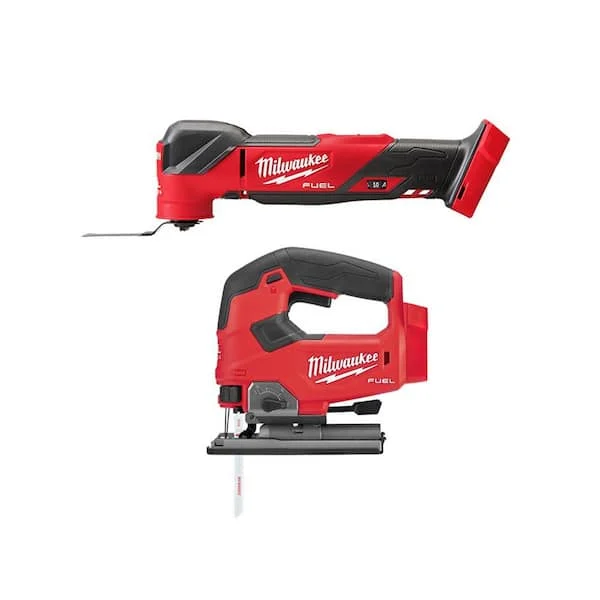
A jigsaw is a versatile power tool designed for cutting curves and shapes with precision. Its unique features make it a popular choice for various DIY and professional projects. Understanding these features helps in choosing the right tool for your needs.
The jigsaw stands out because of its blade movement, cutting capabilities, and material compatibility. Each aspect plays a key role in its performance and usability.
Blade Movement And Design
The jigsaw uses a reciprocating blade that moves up and down rapidly. This vertical motion allows it to cut through materials smoothly. The blade is thin and narrow, ideal for making curved and intricate cuts. Some jigsaws offer adjustable speed settings for better control. The design usually includes a comfortable handle for steady grip.
Ideal Cutting Tasks
A jigsaw excels at cutting curves, circles, and complex shapes. It works well for detailed woodwork, such as making patterns or stenciled designs. It can also perform straight cuts, but it is less precise than a circular saw for long straight lines. The tool is useful for DIY projects, crafts, and remodeling jobs.
Material Compatibility
Jigsaws can cut through wood, metal, plastic, and ceramic tiles. The blade type changes depending on the material to ensure clean cuts. Wood blades have larger teeth, while metal blades have finer teeth. This adaptability makes the jigsaw suitable for many different projects. It is important to select the right blade for the material to avoid damage.
Credit: www.homedepot.com
Oscillating Tool Features
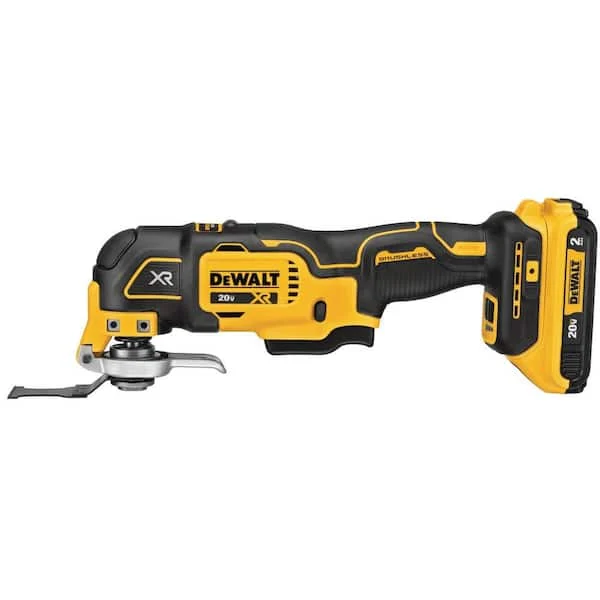
The oscillating tool stands out for its unique design and versatile features. It delivers precise control, making it a favorite for many tasks. Its compact size helps work in tight spaces easily. This tool suits both professionals and DIY enthusiasts. Understanding its features helps to choose the right tool for your project.
Oscillating Motion Explained
The oscillating tool moves in a rapid back-and-forth motion. This side-to-side movement is very small, usually just a few degrees. It does not spin like a drill or saw. This motion allows for careful and controlled cutting or sanding. The tool vibrates at high speed, which helps it cut or scrape without much effort.
Versatile Applications
The oscillating tool can handle many jobs around the home or workshop. It cuts wood, metal, plastic, and drywall with ease. It can also sand surfaces or remove old paint and grout. Its ability to make flush cuts or plunge cuts makes it special. This tool is perfect for working in narrow spaces or corners. It often replaces several tools in one, saving time and space.
Blade And Attachment Types
Many blades and attachments fit the oscillating tool. There are blades for cutting wood, metal, or plastic. Some blades are designed for fast rough cuts, while others make fine, detailed cuts. Sanding pads attach for smoothing surfaces. Scraper blades remove old glue or paint. The wide range of attachments makes this tool highly flexible for many tasks.
Cutting Performance
Cutting performance defines how well a tool handles different tasks. The jigsaw and oscillating tool each offer unique strengths. Understanding their cutting abilities helps you pick the right tool for your project.
Both tools can cut wood, metal, and plastic, but their approach differs. The jigsaw moves the blade up and down, while the oscillating tool uses a fast side-to-side motion. This difference affects speed, precision, and the type of cuts each tool makes best.
Speed And Precision
The jigsaw cuts quickly through large pieces of wood. It works well for straight and simple cuts. Precision depends on the blade quality and user control. The oscillating tool cuts slower but offers more control. It can make small, precise cuts in tight spaces. This tool suits detailed work more than fast cutting.
Curve And Detail Cutting
The jigsaw shines at cutting curves and detailed shapes. Its long blade moves smoothly through bends and corners. It is ideal for creating rounded edges or complex patterns. The oscillating tool can cut curves but only with special blades. It struggles with deep, flowing curves due to its short blade and motion style.
Flush And Plunge Cuts
The oscillating tool excels at flush cuts and plunge cuts. It can cut directly into materials without needing a starting hole. This makes it perfect for removing old flooring or cutting close to walls. The jigsaw is less suited for flush cuts. It requires space to move and cannot plunge straight down easily.
Safety And Ease Of Use
Safety and ease of use are key factors in choosing between a jigsaw and an oscillating tool. Both tools offer unique benefits but vary in how easy and safe they are to operate. Understanding these differences helps you work more confidently and avoid accidents.
User Control And Handling
The jigsaw has a handle shaped for a firm grip. It allows smooth movement for curved cuts. Users can guide the blade along lines with good precision.
An oscillating tool uses a smaller, pistol-like grip. It is lighter and easier to hold steady for detailed tasks. The tool moves in small, rapid oscillations, which reduces kickback.
Risk Factors
Jigsaws have exposed blades that move up and down quickly. This can cause injury if fingers touch the blade. Loose clothing or gloves may also get caught.
Oscillating tools have blades or attachments that vibrate side to side. The smaller cutting area lowers the risk of deep cuts. Still, users must keep hands clear of the blade path.
Learning Curve
Beginners find jigsaws harder to control on straight cuts. The blade can bend or wander, requiring practice to keep clean lines. Using guides helps with accuracy.
Oscillating tools are easier for new users to handle. The tool’s small movements make precise cuts less challenging. It takes less time to feel comfortable using it safely.
Project Suitability
Choosing the right tool depends on the project you plan to do. Each tool fits certain tasks better. Knowing their strengths helps you work faster and cleaner. This section shows which tool suits different jobs.
Best Uses For Jigsaws
Jigsaws cut curves and complex shapes with ease. They work well on wood, metal, and plastic sheets. Their blades can be changed for different materials. Ideal for making detailed cuts on furniture or crafts. Jigsaws handle long, smooth cuts better than many tools.
Best Uses For Oscillating Tools
Oscillating tools excel at tight, precise cuts and flush trimming. They plunge directly into surfaces for quick access. Perfect for removing grout or cutting drywall. Great for sanding and scraping in small spaces. They handle a variety of attachments for diverse tasks.
Common Diy Scenarios
Use a jigsaw to cut shapes in plywood or laminate flooring. Choose an oscillating tool for door jamb trimming or pipe cutting. Both tools work well for home repairs but serve different needs. Pick the tool that matches the cut type and space you have.
Choosing The Right Tool
Choosing the right tool between a jigsaw and an oscillating tool depends on several factors. Each tool has strengths and fits specific tasks better. Understanding your needs helps you pick the best option for your project.
Consider the cost, maintenance, and your skill level to make an informed choice. These points affect your satisfaction and the tool’s performance over time.
Cost And Availability
Jigsaws are often more affordable than oscillating tools. They come in many models, from basic to advanced. Oscillating tools tend to cost more because of their versatility. Both tools are widely available online and in stores. Prices vary depending on brand and features. Choose a tool that fits your budget and use frequency.
Maintenance And Accessories
Jigsaws require blade changes based on material type. Blades are easy to find and inexpensive. Oscillating tools use different attachments for cutting, sanding, and scraping. These attachments can add to the cost. Both tools need regular cleaning to work well. Proper maintenance extends tool life and ensures safety.
Personal Skill Level
Jigsaws need steady hands for precise cuts, especially curves. Beginners may find learning to control the jigsaw easier. Oscillating tools offer more control for flush cuts and tight spaces. They suit users comfortable with multi-tasking tools. Assess your confidence and experience before choosing. The right tool matches your skill and task demands.
Credit: www.bobvila.com
Frequently Asked Questions
Can You Use An Oscillating Tool As A Jigsaw?
You can use an oscillating tool for some cuts, but it lacks the speed and precision of a jigsaw for curves. Oscillating tools excel in tight spaces and flush cuts, while jigsaws handle detailed, curved, and long cuts better. Use the right tool for your specific task.
What Is The Biggest Limitation About Using A Jig Saw?
The biggest limitation of a jigsaw is its blade flex, causing less precise and angled cuts without a steady hand or guide fence.
Why Doesn’t An Oscillating Tool Cut Skin?
An oscillating tool vibrates side-to-side at high speed, preventing deep cuts. Skin’s flexibility and movement absorb the motion, avoiding injury.
Can You Cut Through A 2×4 With An Oscillating Tool?
Yes, an oscillating tool can cut through a 2×4, but it works best for precise, small cuts. Use a wood-cutting blade for efficiency. For faster, longer cuts, a saw like a jigsaw or circular saw is better suited.
What Is The Main Difference Between A Jigsaw And Oscillating Tool?
A jigsaw cuts curved lines; an oscillating tool makes precise flush cuts and multi-tasking.
Which Tool Is Better For Cutting Curves And Shapes?
Jigsaws are better for curves and complex shapes because their blades move in a smooth up-and-down motion.
Conclusion
Choosing between a jigsaw and an oscillating tool depends on your task. Jigsaws cut curves and shapes quickly and easily. Oscillating tools work well in tight spaces and for flush cuts. They also sand, scrape, and remove grout efficiently. Both tools have unique strengths that suit different projects.
Think about the type of cut and space before deciding. Using the right tool makes your work cleaner and faster. Keep these points in mind for your next DIY job.
{ “@context”: “https://schema.org”, “@type”: “Article”, “headline”: “Jigsaw Vs Oscillating Tool: Ultimate Comparison for DIY Success”, “description”: “Jigsaw vs oscillating tool compares two versatile power tools used for cutting and precision tasks, each suited for different materials and project types.”, “url”: “https://www.powertoolstoday.com/jigsaw-vs-oscillating-tool/”, “datePublished”: “2025-11-15”, “dateModified”: “2026-03-18”, “author”: { “@type”: “Organization”, “name”: “Power Tools Today”, “url”: “https://www.powertoolstoday.com” }, “publisher”: { “@type”: “Organization”, “name”: “Power Tools Today”, “url”: “https://www.powertoolstoday.com” }, “mainEntityOfPage”: { “@type”: “WebPage”, “@id”: “https://www.powertoolstoday.com/jigsaw-vs-oscillating-tool/” }, “image”: { “@type”: “ImageObject”, “url”: “https://www.powertoolstoday.com/wp-content/uploads/2025/11/Jigsaw-Vs-Oscillating-Tool-1024×576.webp” } }{ “@context”: “https://schema.org”, “@type”: “Article”, “headline”: “Jigsaw Vs Oscillating Tool: Ultimate Comparison for DIY Success”, “description”: “Jigsaw vs oscillating tool compares two versatile power tools used for cutting and precision tasks, each suited for different materials and project types.”, “url”: “https://www.powertoolstoday.com/jigsaw-vs-oscillating-tool/”, “datePublished”: “2025-11-15”, “dateModified”: “2026-03-19”, “author”: { “@type”: “Organization”, “name”: “Power Tools Today”, “url”: “https://www.powertoolstoday.com” }, “publisher”: { “@type”: “Organization”, “name”: “Power Tools Today”, “url”: “https://www.powertoolstoday.com” }, “mainEntityOfPage”: { “@type”: “WebPage”, “@id”: “https://www.powertoolstoday.com/jigsaw-vs-oscillating-tool/” }, “image”: { “@type”: “ImageObject”, “url”: “https://www.powertoolstoday.com/wp-content/uploads/2025/11/Jigsaw-Vs-Oscillating-Tool-1024×576.webp” } }nn