
Last Updated: March 20, 2026
When it comes to choosing a circular saw, you might not have thought much about whether it’s left-handed or right-handed. But this simple detail can change your cutting experience a lot.
Are you struggling to see the blade while cutting? Or maybe you feel less control and stability with your current saw? Understanding the difference between left-handed and right-handed circular saws can help you work smarter, safer, and with more confidence.
You’ll discover which type fits your style best, why many saws have blades on the left side, and how this affects visibility, comfort, and control. Keep reading to find out which circular saw will truly make your next project easier and more precise.
Credit: www.youtube.com
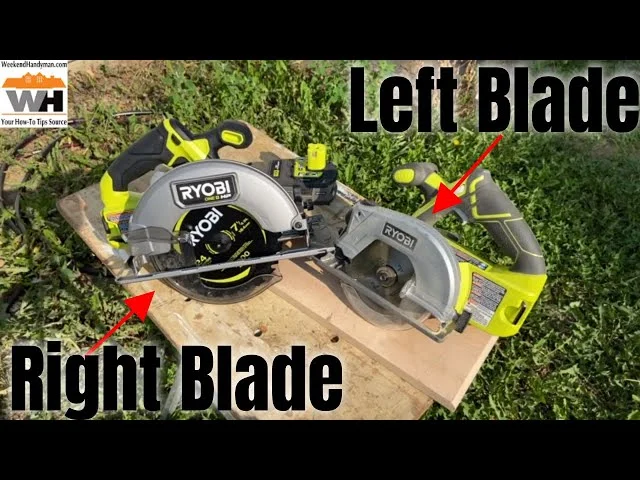
Blade Position Differences
The blade position in circular saws plays a key role in their use and handling. It affects visibility, control, and safety for the user. Left-handed and right-handed circular saws differ mainly by where the blade sits relative to the handle. This difference changes how the user sees the cut line and holds the saw.
Understanding blade position differences helps users choose the right saw for their needs. It also explains why some saws feel easier or harder to use depending on hand dominance.
Left-handed Circular Saw Blade Position
In left-handed circular saws, the blade is located on the right side of the saw body. This setup allows left-handed users to hold the handle with their left hand while watching the blade and cut line clearly. The blade placement offers better sight of the cutting path for lefties.
Because the blade is on the opposite side of the dominant hand, it gives more control and stability. Left-handed saws often feel more natural for lefties, reducing strain and improving precision.
Right-handed Circular Saw Blade Position
Right-handed circular saws have the blade on the left side of the saw body. This design suits right-handed users who hold the saw with their right hand. The blade position lets them see the cut line without the saw blocking the view.
The blade on the left side improves balance and control for right-handed users. It helps keep the saw steady on the cutting line, leading to cleaner cuts and safer use.
Impact Of Blade Position On Visibility And Control
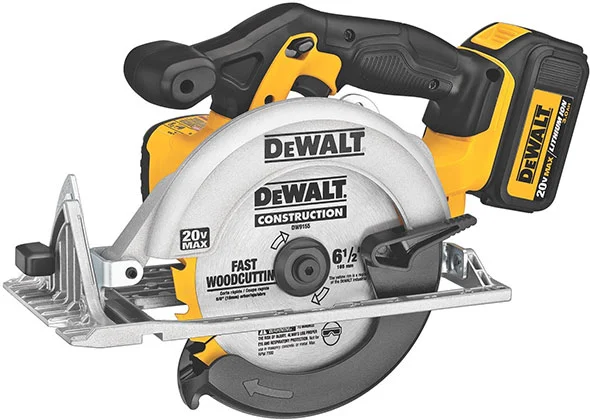
Blade position directly affects how well users see the cut line. A blade positioned on the same side as the dominant hand improves sight. This leads to more accurate cuts and less guesswork.
Control also improves when the blade sits opposite the dominant hand. Users can better guide the saw along the material. The saw feels more stable, reducing the risk of mistakes or accidents.
Credit: toolguyd.com
Advantages Of Left-handed Blades
Left-handed circular saw blades offer unique advantages, especially for users who prefer better visibility and control. These blades position the cutting edge on the left side, changing how operators interact with the tool. This design can improve the overall cutting experience by enhancing sightlines and comfort. Understanding these benefits helps in choosing the right saw for your projects.
Visibility Benefits
Left-handed blades place the blade on the left side of the saw. This setup lets users see the cutting line clearly. The blade does not block the view of the material being cut. Clear visibility helps in making more precise and accurate cuts. It reduces guesswork and the chance of mistakes.
Control And Comfort
With the blade on the left, users can hold the saw more steadily. Right-handed users find it easier to guide the saw along the cut line. This positioning balances the saw’s weight better over the material. It reduces hand fatigue and improves cutting comfort. More control means smoother, cleaner cuts.
Safety Considerations
Left-handed blades improve safety by enhancing line of sight. Users can watch the blade and the cut area closely. This reduces the risk of slips and accidents. The saw’s design also helps keep hands away from the blade path. Better visibility and control work together to create a safer work environment.
Reasons For Right-handed Blades
Right-handed circular saw blades dominate the market for clear reasons. They match the habits of most users and the history of tool design. Understanding why right-handed blades remain standard helps buyers make informed choices. These reasons range from tradition to personal comfort and control during work.
Traditional Designs
Most circular saws have blades on the right side. This design dates back to older models. Manufacturers followed this setup because it suits the majority. The right-side blade allows the user to hold the saw with the right hand. This design also positions the blade away from the body for safety.
Traditional designs focus on balance and ease of use. The motor and handle placement support right-handed use. This setup provides stability during cutting tasks. The layout helps maintain control and precision on various materials. Many workshops and professionals rely on this familiar design.
User Preferences
Most users are right-handed and prefer tools that feel natural. Right-handed blades let these users see the cutting line clearly. Holding the saw with the right hand and guiding the cut is easier this way. This preference improves accuracy and reduces fatigue during long tasks.
Comfort plays a big role in choosing blade placement. Right-handed users feel more stable and confident with right-side blades. This setup allows better control over the saw’s weight and direction. User preference often guides manufacturers to keep right-handed blade designs standard.
Corded Vs Cordless Circular Saws
Corded and cordless circular saws offer different advantages for left-handed and right-handed users. Corded saws provide consistent power but limit mobility. Cordless saws offer freedom of movement with battery power but can have limited runtime. Choosing between corded and cordless affects how users handle the saw and see the blade during cutting.
Blade Orientation Trends
Most corded circular saws have blades on the right side. This suits left-handed users better, allowing clear blade visibility. Cordless saws often place the blade on the left side. This design fits right-handed users by improving line of sight and control. Manufacturers choose blade positions based on common user preferences.
Impact On Usage
Right-handed users find left-blade cordless saws easier to guide. They see the cut line clearly and hold the saw steadily. Left-handed users may prefer corded saws with right-side blades for better control. Cordless saws give more freedom but require managing battery life. Blade position and power source both influence cutting comfort and accuracy.
Availability Of Left-handed Saws
Finding circular saws designed specifically for left-handed users can be challenging. Most circular saws on the market target right-handed users. This makes left-handed models less common but not impossible to find. Many manufacturers now recognize the need for left-handed tools. These models help left-handed users work safely and comfortably.
Left-handed circular saws often mirror the design of right-handed versions. They place the blade on the right side, making the cut line visible to left-handed operators. This improves accuracy and safety. The growing demand for inclusive tools is pushing brands to offer more left-handed options.
Brands Offering Left-handed Models
Several top tool brands offer left-handed circular saws. Makita includes left-handed options in its cordless saw lineup. DeWalt provides some models with reversible blades suitable for left-handed users. Bosch offers circular saws with adjustable features to accommodate left or right-handed operation. Milwaukee has begun introducing tools that meet left-handed user needs. These brands ensure left-handed users get quality and performance.
Features Of Left-handed Saws
Left-handed circular saws place the blade on the right side. This design allows left-handed users to see the cut line clearly. The handles are shaped for comfortable left-hand grip. Safety guards and blade controls are positioned for easy access. Some models include adjustable bevels and depth controls for precise cuts. These features help left-handed users maintain control and accuracy. Lightweight designs reduce fatigue during long tasks. Overall, these saws improve the cutting experience for left-handed users.

Credit: www.youtube.com
Choosing The Right Circular Saw
Choosing the right circular saw is important for safety and performance. The saw must suit your hand and project needs. Comfort and control affect the quality of your cuts.
Understanding your preferences helps you pick the best tool. This section guides you through key factors for choosing between left handed and right handed circular saws.
Assessing Your Dominant Hand
Your dominant hand controls most tasks. Most people are right-handed and use right handed saws comfortably. Left handed users often find left handed saws easier to handle.
Choosing a saw that matches your dominant hand improves accuracy. It also reduces fatigue and increases safety during use.
Project Requirements
Consider the type of projects you do. Large or detailed cuts may require more control and visibility. Some saws place the blade on the left side, ideal for right handed users.
For left handed users, a right side blade offers better line of sight. Think about the material and space you work in to decide the best fit.
Ergonomics And Comfort
Comfort matters during long use. Choose a saw with a handle shape that fits your hand well. Weight and balance affect how easily you control the saw.
Saws designed for your dominant hand let you hold the tool naturally. This reduces strain and helps you work longer without discomfort.
Frequently Asked Questions
How Do You Tell If A Circular Saw Is Left Or Right-handed?
A circular saw is left or right-handed based on the blade’s position. Left-handed saws have the blade on the right side. Right-handed saws have the blade on the left side for better visibility and control during cutting.
Why Are So Many Circular Saws Left-handed?
Many circular saws have left-side blades to improve visibility and control for right-handed users. This design lets users clearly see the cut line and safely support material with their left hand. Cordless models favor left-handed blades for comfort and stability, while some corded saws keep traditional right-side blades.
Is There A Left-hand Circular Saw?
Yes, left-hand circular saws exist. Most cordless saws feature left-side blades for better visibility and control by right-handed users.
Can You Get Left And Right-handed Circular Saws?
Yes, circular saws come with left or right-handed blade positions. Left-blade saws suit right-handed users for better visibility and control. Right-blade saws follow traditional design and user preference. Choose based on comfort, cutting visibility, and handling style.
What Is The Main Difference Between Left And Right Handed Circular Saws?
Left handed saws have the blade on the left side; right handed saws have it on the right.
Which Circular Saw Blade Side Suits Right-handed Users Best?
Left side blades suit right-handed users due to better blade visibility and control.
Conclusion
Choosing between a left-handed or right-handed circular saw depends on your comfort and needs. Left-blade saws often suit right-handed users by improving visibility and control. Right-blade saws may feel better for left-handed users or specific tasks. Always consider how you hold the saw and where the blade sits.
Testing both types can help you find the best fit. Remember, safety and precision come first when cutting wood or other materials. Select the saw that feels natural and gives you confidence in your work.
{ “@context”: “https://schema.org”, “@type”: “Article”, “headline”: “Left Handed Vs Right Handed Circular Saw: Ultimate Guide to Choose”, “description”: “Left handed vs right handed circular saws differ in blade placement and user comfort, affecting visibility and control during cutting tasks.”, “url”: “https://www.powertoolstoday.com/left-handed-vs-right-handed-circular-saw/”, “datePublished”: “2025-11-11”, “dateModified”: “2026-03-18”, “author”: { “@type”: “Organization”, “name”: “Power Tools Today”, “url”: “https://www.powertoolstoday.com” }, “publisher”: { “@type”: “Organization”, “name”: “Power Tools Today”, “url”: “https://www.powertoolstoday.com” }, “mainEntityOfPage”: { “@type”: “WebPage”, “@id”: “https://www.powertoolstoday.com/left-handed-vs-right-handed-circular-saw/” }, “image”: { “@type”: “ImageObject”, “url”: “https://www.powertoolstoday.com/wp-content/uploads/2025/11/Left-Handed-Vs-Right-Handed-Circular-Saw-1024×576.webp” } }nn