
Last Updated: March 20, 2026
Mixing concrete without a mixer might sound tough, but it’s easier than you think. Whether you’re fixing a small crack or tackling a quick home project, knowing how to mix concrete in a bucket by hand can save you time, money, and hassle.
You don’t need fancy tools or a big workspace—just a few simple steps and the right technique. Ready to get your hands dirty and create strong, smooth concrete on your own? Keep reading, and you’ll learn exactly how to do it quickly and effectively.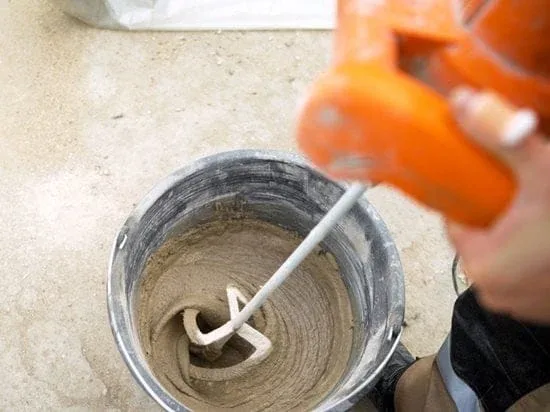
Credit: www.concretenetwork.com
Gather Materials
Gathering the right materials is the first step to mix concrete in a bucket without a mixer. Having everything ready makes the process faster and smoother. It also helps to get a strong and even mix.
Prepare all items before starting. This way, you avoid interruptions and mistakes.
Concrete Mix
Use a pre-mixed concrete bag for ease. These bags contain cement, sand, and gravel in correct proportions. Choose the right amount based on your project size.
Water
Clean water is essential. It activates the cement and binds the mixture. Measure water carefully; too much weakens the concrete, too little makes it dry and hard to work with.
Bucket
Pick a sturdy bucket with enough space to mix comfortably. A 5-gallon bucket works well for small batches. Make sure it is clean and free from debris.
Trowel Or Mixing Tool
Use a trowel or a strong stick to mix by hand. These tools help combine ingredients evenly. Avoid using tools that might break easily.
Protective Gear
Wear gloves to protect your hands from cement irritation. Safety glasses and a mask help avoid dust inhalation. Keep water nearby to rinse off any cement spills on skin.
Prepare The Bucket
Start by placing dry concrete mix into a clean bucket. Create a small well in the center to pour water gradually. Use about three-quarters of the water needed, adjusting as you mix for the right consistency.
Choose The Right Bucket
Select a sturdy bucket with a capacity of at least 5 gallons. The bucket must be strong enough to hold heavy concrete mix. Plastic or metal buckets both work well. Avoid thin, weak buckets that can crack or bend.
Clean The Bucket Thoroughly
Remove dirt, dust, and debris from the bucket. A clean bucket prevents unwanted particles from weakening the concrete. Rinse it with water and scrub if needed. Dry the bucket before starting the mix.
Mark Measurement Lines
Draw measurement lines inside the bucket for water and dry mix. This helps keep the right ratio of ingredients. Use a permanent marker or tape for clear, visible lines. Accurate measurements improve the strength of your concrete.
Prepare A Mixing Area
Place the bucket on a flat, stable surface. This makes mixing easier and safer. Avoid tilting or moving the bucket during mixing. A steady base helps you control the mixing process well.
Add Dry Ingredients
Start by pouring the dry concrete mix into the bucket. Create a small well in the center for water. This helps blend ingredients evenly without clumps.
Start by placing a clean bucket on a flat surface. Pour the concrete mix into the bucket. Use the amount needed for your project.
Spread the dry mix evenly inside the bucket. This step helps avoid clumps in the final mix. Break up any lumps using your hands or a small tool.
Measure Cement, Sand, And Gravel
Measure each dry ingredient carefully. Use a small container or scoop for accuracy. The usual ratio is one part cement, two parts sand, and three parts gravel.
Adjust the quantities based on your project needs. Adding the right proportions ensures strong concrete. Too much cement or sand can weaken the mix.
Mix Dry Ingredients Thoroughly
Use a trowel or a sturdy stick to mix the dry ingredients. Stir the materials until they look uniform in color. This ensures even strength throughout the concrete.
Mixing dry ingredients well also helps water absorb evenly later. Take your time to create a consistent base before adding water.
Mix With Water
Start by pouring dry concrete mix into the bucket. Create a small hole in the center and slowly pour water in. Stir continuously until the mixture reaches a smooth, thick consistency like peanut butter.
Water is the key ingredient for mixing concrete in a bucket. It activates the cement and binds all materials together. Without the right amount of water, the concrete won’t set properly.
Start by adding dry concrete mix into the bucket. Make a small hollow in the center of the dry mix. This hollow will hold the water before mixing.
Measure The Water Correctly
Use the water amount suggested on the concrete bag. Usually, it is about half the volume of the dry mix. Too much water weakens the concrete. Too little water makes it hard to mix and apply.
Add Water Slowly
Pour water gradually into the hollow. Avoid dumping all water at once. Slowly adding water helps control the mix consistency. Stir the mix as you add water to blend well.
Check The Consistency
The concrete should look like thick peanut butter. It must be wet enough to hold shape but not runny. Test by squeezing a handful. It should hold together without dripping water.
Adjust Water As Needed
If the mix is dry and crumbly, add a little more water. If it is too soupy, add a bit of dry mix. Small adjustments make the best concrete for your project.
Check Consistency
Checking the consistency of concrete is a vital step when mixing in a bucket without a mixer. Proper consistency ensures the concrete is workable and strong once it sets. Too dry or too wet concrete can cause problems during application and curing.
Consistency refers to the texture and moisture level of the concrete mix. It should be smooth and hold together without being runny or crumbly. This balance helps the concrete fill molds or forms easily and cure evenly.
How To Test Concrete Consistency By Hand
Use your hand to test the mix. Scoop some concrete and squeeze it tightly. If water or slurry leaks out, the mix is too wet. If it crumbles or falls apart, it is too dry. Aim for a firm, moldable texture like thick peanut butter.
Adjusting Water For Better Consistency
Add water slowly in small amounts. Mix thoroughly after each addition. Stop adding water once the mix feels sticky but not sloppy. Avoid pouring too much water at once to prevent weak concrete.
Signs Of Proper Concrete Consistency
Concrete should be easy to shape and hold form. It should stick to tools and surfaces without dripping. The mix should not slump excessively when placed or molded. This consistency ensures a durable final product.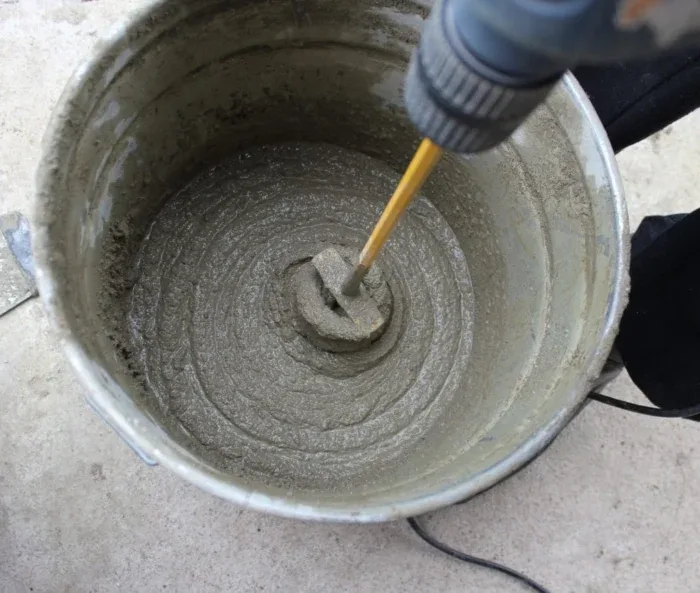
Credit: quikspray.com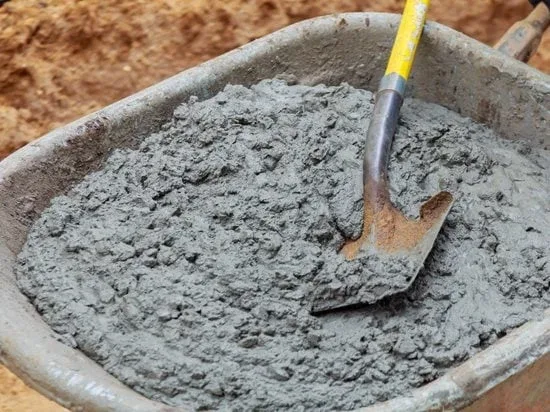
Credit: www.concretenetwork.com
Conclusion
Mixing concrete in a bucket without a mixer is simple and effective. Use the right water-to-mix ratio for best results. Stir well until the mixture is smooth and consistent. Take your time to avoid lumps and dry spots. This method works well for small projects and tight spaces.
With patience and care, you can create strong concrete by hand. Keep your tools clean to prevent hardened residue. Now, you are ready to handle basic concrete mixing confidently and efficiently.
Frequently Asked Questions
Add dry concrete mix into a bucket. Create a small well in the center. Pour about 75% of required water slowly. Mix thoroughly with a trowel or stick. Add more water gradually until the mix reaches peanut butter consistency. Use immediately.
Add cement and sand to the bucket. Create a small well in the center. Pour three-quarters of the water slowly. Mix thoroughly with a trowel or stick until smooth. Adjust water to achieve a peanut butter consistency. Avoid lumps for strong, even cement mix.
Poor man’s concrete is a low-cost material made by hydrating raw ash in layers, compacted and hardened to form a solid platform.
Yes, you can mix concrete in a bucket using a drill with a mixing paddle attachment. It saves time and ensures even mixing. Avoid using high speeds to prevent splashing. Use a sturdy bucket and mix in small batches for best results.
Add dry mix to the bucket, create a small well, then slowly add water while stirring.
A sturdy bucket, a hoe or trowel, and water are enough for hand mixing.