
Last Updated: March 20, 2026
When it comes to tackling wood cutting tasks, choosing the right tool can make all the difference. You might be wondering whether a reciprocating saw or a chainsaw is better suited for your project.
Both tools have their strengths, but understanding how they differ will help you work smarter, not harder. Are you cutting down a big tree, trimming branches, or working in tight spaces? Your choice will affect how quickly and safely you get the job done.
Keep reading to discover which tool matches your needs perfectly and why picking the right saw could save you time, effort, and frustration.
Chainsaw Strengths
Chainsaws stand out for their strength and ability to handle tough cutting jobs. They deliver high power and speed, making them the preferred choice for heavy outdoor work. Their design focuses on cutting large, thick wood quickly and efficiently.
These tools excel in tasks that need strong, fast cuts. Their durability and cutting capacity make them valuable for many outdoor projects.
Power And Speed
Chainsaws have engines built for high power output. This allows them to cut through thick tree trunks and large branches with ease. Their fast-moving chain slices wood quickly, reducing work time significantly. This speed makes chainsaws ideal for demanding tasks that require strength and efficiency.
Ideal Outdoor Uses
Chainsaws are perfect for cutting firewood, felling trees, and clearing brush. They handle large wood pieces that other saws cannot manage. Their long bar and chain reach help cut through wide logs. These tools are best suited for outdoor environments where heavy-duty cutting is needed.
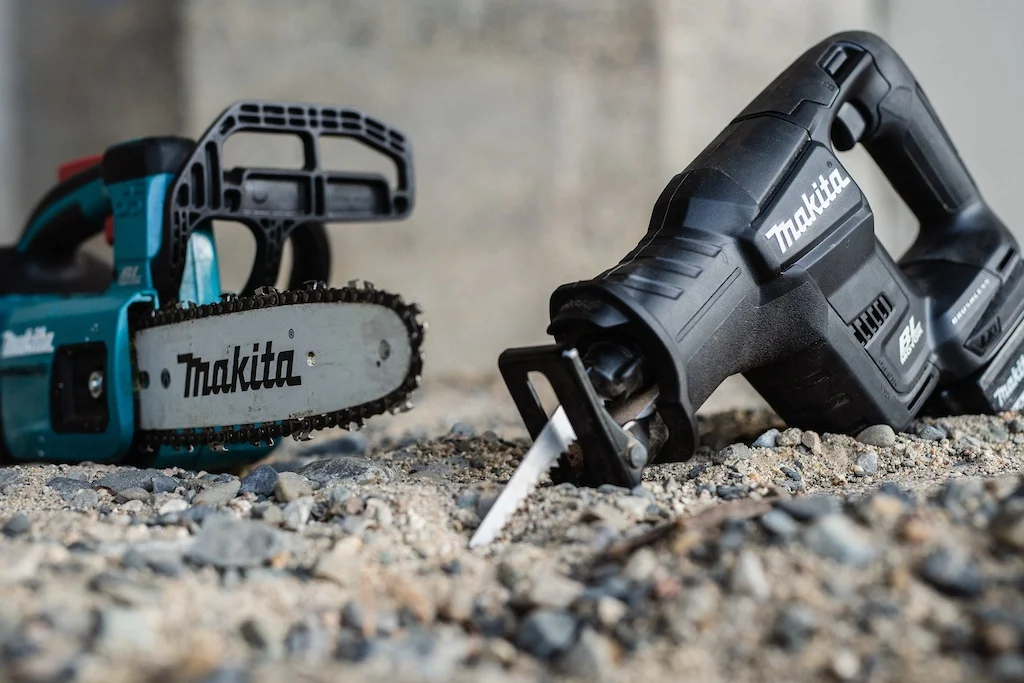
Credit: www.pinkbike.com
Reciprocating Saw Benefits
Reciprocating saws offer many benefits for both home and professional use. Their design allows for efficient cutting in various conditions. Users value their adaptability and ease of handling. These saws excel in tasks that demand more control and precision than a chainsaw can provide.
Versatility Across Materials
Reciprocating saws cut through wood, metal, plastic, and more. Changing blades is quick and simple, expanding their use. They handle demolition, plumbing, and electrical work with ease. This tool suits many projects beyond just cutting trees or logs.
Precision In Tight Spaces
The compact size lets users work in narrow or awkward areas. It fits well for detailed cuts where a chainsaw is too large. This precision helps avoid damage to nearby surfaces or objects. The reciprocating saw is ideal for trimming, shaping, and controlled demolition tasks.
Cutting Capabilities Compared
Understanding the cutting abilities of a reciprocating saw and a chainsaw helps choose the right tool. Each tool excels in different types of cutting tasks. Knowing their strengths guides better project results. This section compares their cutting capabilities in key areas.
Handling Large Wood
A chainsaw is built for cutting large wood quickly and efficiently. Its powerful motor and sharp chain make short work of thick logs and tree trunks. This tool is the preferred choice for felling trees and cutting large branches.
A reciprocating saw struggles with large wood due to its smaller blade and lower power. It can cut through medium-sized wood but is slower and less effective than a chainsaw. For big wood pieces, the chainsaw offers better speed and ease.
Managing Smaller Branches
Reciprocating saws shine in handling smaller branches and tight spaces. Their compact size and precise blade control make pruning and trimming easier. They work well in areas where a chainsaw might be too large or dangerous.
Chainsaws can also cut smaller branches but may be harder to control in tight spaces. Their size and power can make delicate cuts challenging. For precise work on small branches, a reciprocating saw provides better accuracy and safety.
Portability And Ease Of Use
Portability and ease of use are key factors when choosing between a reciprocating saw and a chainsaw. Both tools serve different purposes but offer unique advantages in handling and transport. Understanding their weight, maneuverability, and power options helps pick the right tool for your task.
Weight And Maneuverability
A reciprocating saw is generally lighter than a chainsaw. It often weighs between 5 to 10 pounds, making it easier to carry for long periods. Its compact design allows cutting in tight spaces and awkward angles. The blade moves back and forth, offering precise control for detailed work.
Chainsaws are heavier, usually weighing 10 to 15 pounds or more. This weight helps with cutting large branches and trees by providing steady force. However, the bulkiness can make it harder to handle for beginners or in confined areas. Chainsaws require a firm grip and careful balance during use.
Power Source Options
Reciprocating saws come in corded and cordless models. Corded versions offer continuous power but limit movement due to the cord. Cordless models provide freedom and ease of movement but need battery charging. Batteries vary in capacity, affecting the runtime and power.
Chainsaws also have gas, electric, and battery-powered options. Gas chainsaws deliver strong power for heavy-duty tasks but require fuel and maintenance. Electric chainsaws need a power outlet, restricting mobility but offering quieter operation. Battery chainsaws combine portability with moderate power, ideal for small to medium jobs.
Safety Considerations
Safety is a top priority when using cutting tools like reciprocating saws and chainsaws. Both tools can be dangerous if not handled properly. Understanding the safety risks helps prevent accidents and injuries. Careful attention to how each tool operates is essential for safe use.
Kickback Risks
Kickback happens when the saw blade suddenly jerks back toward the user. Chainsaws have a higher kickback risk due to their fast-moving chains. This can cause serious injury if the operator is not prepared. Reciprocating saws also have kickback, but it is usually less violent. Users must always hold the tool firmly and stand to the side of the cutting path.
User Control And Comfort
Good control reduces accidents. Reciprocating saws are lighter and easier to maneuver in tight spaces. This helps users keep a steady grip and precise cuts. Chainsaws are heavier and can be harder to control, especially for beginners. Wearing gloves and using both hands on the tool improve control. Comfort also matters, as fatigue can lead to mistakes during long jobs.
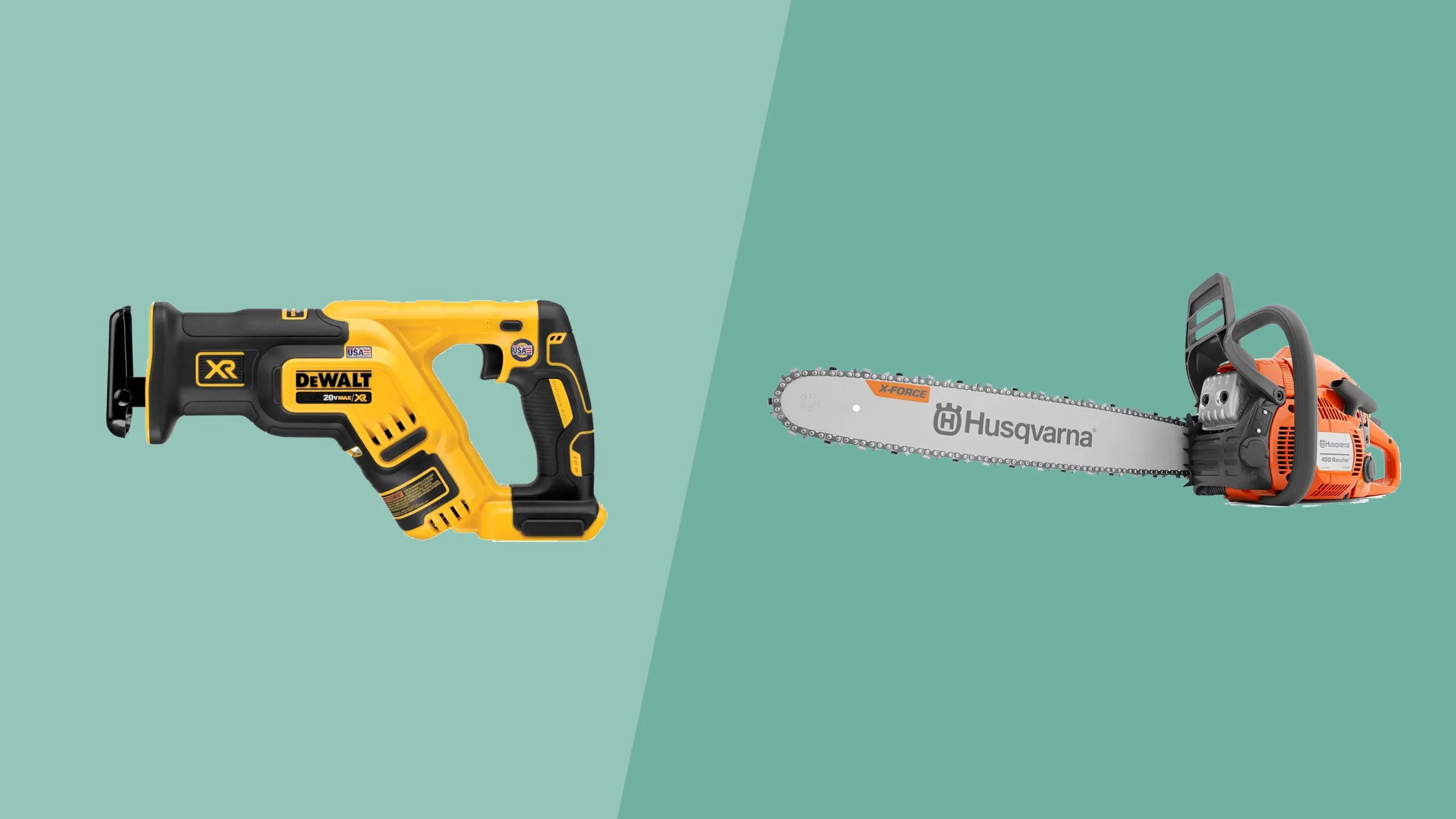
Credit: www.toptenreviews.com
Choosing The Right Tool
Choosing the right tool makes any job easier and safer. Both reciprocating saws and chainsaws have unique uses. Understanding their strengths helps you pick the best one for your work.
Each tool fits different tasks and skill levels. Knowing what you need to do guides your choice.
Project Requirements
Think about the size and type of material you will cut. Chainsaws are great for thick wood and large trees. They work fast and handle tough jobs outdoors. Reciprocating saws cut smaller branches, pipes, and even metal. They fit tight spaces and offer more control. Choose a chainsaw for heavy, straight cuts. Use a reciprocating saw for detailed or awkward cuts.
User Skill Level
Chainsaws need careful handling and some experience. They can be dangerous without proper training. Reciprocating saws are easier for beginners to use. They weigh less and are safer for indoor tasks. If you are new to power tools, start with a reciprocating saw. Skilled users might prefer a chainsaw for speed and power. Always follow safety steps and wear protective gear.
Credit: www.reddit.com
Frequently Asked Questions
Can You Use A Reciprocating Saw As A Chainsaw?
A reciprocating saw can cut small branches and saplings but lacks the power and width to replace a chainsaw for large trees. Use it for light pruning and firewood preparation, not heavy-duty cutting tasks.
Can I Use A Reciprocating Saw To Cut Tree Branches?
Yes, you can use a reciprocating saw to cut tree branches. It works well for small to medium limbs. It offers better control in tight spaces but cuts slower than a chainsaw. For large branches or heavy-duty cutting, a chainsaw remains the better choice.
What Are The Disadvantages Of A Reciprocating Saw?
Reciprocating saws have limited power compared to chainsaws and produce rougher cuts. They cause more vibration, reducing comfort during prolonged use. Corded models restrict mobility, and blades wear quickly. Their size limits cutting large trees, making them less suitable for heavy-duty outdoor tasks.
Can You Make Straight Cuts With A Reciprocating Saw?
Yes, you can make straight cuts with a reciprocating saw by guiding the blade along a straight edge. Use a sharp blade and steady hand for cleaner cuts. This tool works best for rough, straight cuts rather than precision woodworking.
What Is The Main Difference Between A Reciprocating Saw And Chainsaw?
A chainsaw cuts fast through thick wood; a reciprocating saw is better for precise, smaller cuts.
Which Tool Is Better For Cutting Tree Branches?
Chainsaws work best for large branches; reciprocating saws handle small branches and tight spots well.
Conclusion
Choosing between a reciprocating saw and a chainsaw depends on your task. Chainsaws cut large wood quickly and powerfully. Reciprocating saws offer precision and work well in tight spots. Both tools have unique strengths and suit different jobs. Consider what you need before picking a tool.
This helps you work safely and efficiently. Use the right saw to get your project done well.
Related reading: How to Cut Crown Molding With a Miter Saw.
{ “@context”: “https://schema.org”, “@type”: “Article”, “headline”: “Reciprocating Saw Vs Chainsaw: Ultimate Cutting Tool Showdown”, “description”: “Reciprocating saw vs chainsaw compares two cutting tools: one for versatile demolition and detail work, the other for fast, powerful wood cutting tasks.”, “url”: “https://www.powertoolstoday.com/reciprocating-saw-vs-chainsaw/”, “datePublished”: “2025-11-19”, “dateModified”: “2026-03-18”, “author”: { “@type”: “Organization”, “name”: “Power Tools Today”, “url”: “https://www.powertoolstoday.com” }, “publisher”: { “@type”: “Organization”, “name”: “Power Tools Today”, “url”: “https://www.powertoolstoday.com” }, “mainEntityOfPage”: { “@type”: “WebPage”, “@id”: “https://www.powertoolstoday.com/reciprocating-saw-vs-chainsaw/” }, “image”: { “@type”: “ImageObject”, “url”: “https://www.powertoolstoday.com/wp-content/uploads/2025/11/reciprocating-saw-vs-chainsaw.webp” } }{ “@context”: “https://schema.org”, “@type”: “Article”, “headline”: “Reciprocating Saw Vs Chainsaw: Ultimate Cutting Tool Showdown”, “description”: “Reciprocating saw vs chainsaw compares two cutting tools: one for versatile demolition and detail work, the other for fast, powerful wood cutting tasks.”, “url”: “https://www.powertoolstoday.com/reciprocating-saw-vs-chainsaw/”, “datePublished”: “2025-11-19”, “dateModified”: “2026-03-19”, “author”: { “@type”: “Organization”, “name”: “Power Tools Today”, “url”: “https://www.powertoolstoday.com” }, “publisher”: { “@type”: “Organization”, “name”: “Power Tools Today”, “url”: “https://www.powertoolstoday.com” }, “mainEntityOfPage”: { “@type”: “WebPage”, “@id”: “https://www.powertoolstoday.com/reciprocating-saw-vs-chainsaw/” }, “image”: { “@type”: “ImageObject”, “url”: “https://www.powertoolstoday.com/wp-content/uploads/2025/11/reciprocating-saw-vs-chainsaw.webp” } }nn