
Last Updated: March 20, 2026
When it comes to tackling your cutting projects, choosing the right saw can make all the difference. You might be wondering: should you go for a reciprocating saw or an oscillating saw?
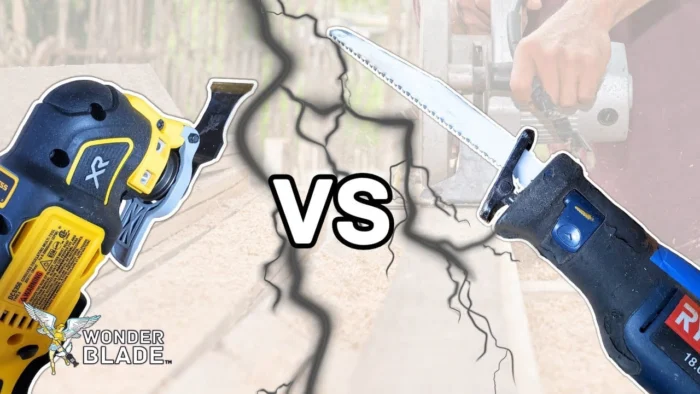
Each tool moves differently and shines in specific situations. The reciprocating saw powers through tough demolition and large materials with a strong push-and-pull motion, while the oscillating saw offers precise, controlled cuts in tight spots using a rapid side-to-side vibration.
Understanding these key differences will help you pick the perfect tool for your job, save time, and get cleaner results. Keep reading to discover which saw fits your needs and how to use each one like a pro.
Credit: www.youtube.com
Motion Mechanisms
Understanding the motion mechanisms of saws helps choose the right tool for your job. Reciprocating and oscillating saws work differently. Each uses a unique motion to cut through materials. These motions affect how the tools perform and what tasks they suit best.
Reciprocating Saw Movement
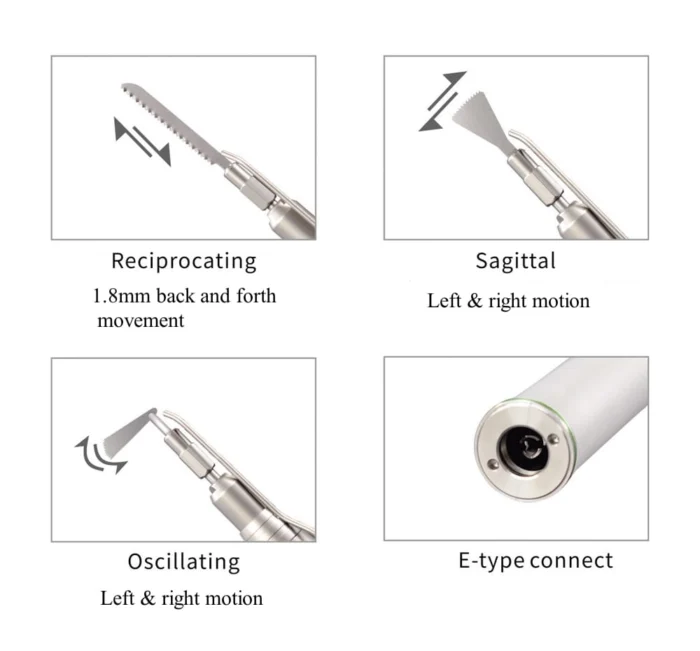
The reciprocating saw moves in a straight, back-and-forth motion. It pushes the blade forward and then pulls it backward rapidly. This action mimics a manual hand saw. The blade travels a longer distance with each stroke. This motion is strong and aggressive. It allows the saw to cut through wood, metal, and other tough materials quickly. This saw is great for demolition and rough cuts.
Oscillating Saw Movement
The oscillating saw moves in a small, side-to-side motion. The blade swings back and forth very quickly but only over a short distance. This motion is more precise and controlled. It causes less vibration and is ideal for detailed work. The oscillating saw can cut, sand, and scrape in tight spaces. It works well for finishing tasks and delicate materials.
Credit: www.dentallabshop.com
Tool Design And Features
The design and features of reciprocating saws and oscillating saws define their best uses. Each tool has unique parts and functions that suit different tasks. Understanding these differences helps choose the right tool for your project.
Blade Types And Attachments
Reciprocating saws use long, straight blades that move back and forth rapidly. These blades cut through wood, metal, and plastic. They are easy to swap and come in various sizes for different jobs. Some blades have coarse teeth for fast cuts, while others have fine teeth for smooth cuts.
Oscillating saws have short, flat blades that move side to side in a small arc. These blades fit into tight spaces and make precise cuts. They come in many shapes, such as straight, curved, or segmented. The tool accepts many attachments, including sanding pads, scrapers, and grout removers, making it very versatile.
Ergonomics And Portability
Reciprocating saws are usually larger and heavier. They have handles designed for a firm grip during powerful cutting. These saws often feature vibration control to reduce user fatigue. Their weight and size make them less handy in tight spaces.
Oscillating saws are compact and lightweight. Their small size allows work in narrow or awkward areas. They often have soft grips for comfort during detailed tasks. Battery-powered models add to portability, making them easy to carry and use anywhere.
Cutting Capabilities
The cutting capabilities of reciprocating saws and oscillating saws differ significantly. Each tool excels at specific types of cutting tasks. Understanding these differences helps choose the right saw for your project. Both tools use distinct motions that affect how they cut materials.
Reciprocating saws use a strong back-and-forth motion. Oscillating saws move in a rapid side-to-side vibration. These motions determine the strength, precision, and control you get during cutting.
Heavy-duty Cutting Tasks
Reciprocating saws handle tough materials like wood, metal, and plastic. Their powerful push-pull action cuts through thick objects quickly. These saws shine in demolition or rough cutting jobs. They can cut pipes, nails, and tree branches with ease. The design allows fast, aggressive cuts but less control for fine details.
Precision And Detail Work
Oscillating saws offer precise control in tight spaces. Their small, rapid side-to-side movements create clean, detailed cuts. They work well for trimming, sanding, or scraping tasks. This saw is ideal for cutting drywall, grout, or wood trim. It lets you make accurate cuts without damaging nearby surfaces.
Credit: www.youtube.com
Common Applications
Both reciprocating saws and oscillating saws serve distinct roles in construction and DIY projects. Understanding their common applications helps you pick the right tool for each job. Each tool excels in different cutting tasks based on its motion and design.
Demolition And Rough Cuts
Reciprocating saws shine in demolition tasks. Their strong push-pull motion cuts through wood, metal, and plastic quickly. They handle large, rough cuts with ease. This makes them ideal for tearing down walls, cutting pipes, or trimming tree branches. The aggressive blade movement removes material fast. They work well where precision is less important but power is key.
Finishing And Tight Spaces
Oscillating saws excel in tight and confined areas. Their small, rapid side-to-side motion allows detailed cuts near edges and corners. They can trim baseboards, cut drywall, or remove grout without damaging surrounding surfaces. Oscillating tools offer better control for fine work and finishing tasks. Their versatility includes sanding and scraping, making them perfect for delicate jobs.
Safety Considerations
Safety is a key factor when using power tools like reciprocating saws and oscillating saws. Both tools have sharp blades that move quickly. They can cause injuries if not handled properly. Knowing how to use these saws safely protects you and others around.
Understanding each saw’s specific risks helps in preventing accidents. Wearing safety gear and following guidelines reduces the chance of harm. Always respect the power and motion of these tools for safe operation.
Handling And Operation Tips
Hold the saw firmly with both hands to maintain control. Keep your fingers away from the blade at all times. Use a steady, guided motion to avoid sudden slips. Check the blade is securely attached before starting work. Wear safety glasses and gloves to protect eyes and hands. Make sure the work area is clear and well-lit. Disconnect power before changing blades or making adjustments. Follow the manufacturer’s instructions for each tool model.
Situations To Avoid
Do not use a reciprocating saw near live electrical wires. Avoid cutting materials that can cause the blade to bind suddenly. Never use these saws in wet or damp conditions to prevent electric shock. Avoid forcing the blade through hard materials to reduce kickback risk. Do not operate the saw if you feel tired or distracted. Avoid cutting without a stable surface or secure material. Never bypass safety features or remove guards from the saw.
Choosing The Right Tool
Choosing the right saw can make your work easier and more precise. Both reciprocating and oscillating saws have unique features. Picking the right one depends on your task and skill. This guide helps you decide which tool fits your needs best.
Project Requirements
Consider the type of work you will do. Reciprocating saws cut through wood, metal, and drywall fast. They are ideal for demolition and rough cuts. Oscillating saws make precise cuts in tight spaces. They are good for detailed work like trimming or sanding. Choose a saw that matches your project’s demands.
User Skill Levels
Think about your experience with power tools. Reciprocating saws are powerful but harder to control. Beginners may find them challenging. Oscillating saws are easier to handle and safer for new users. They allow more control in delicate jobs. Match your skill level to the tool for best results.
Frequently Asked Questions
Which Is Better, An Oscillating Tool Or A Reciprocating Saw?
A reciprocating saw suits heavy-duty demolition and rough cuts. An oscillating tool excels at precise, detailed work in tight spaces. Choose based on your task: aggressive cutting or fine control.
When Should You Not Use A Reciprocating Saw?
Avoid using a reciprocating saw in wet conditions or confined spaces. Do not use it for precision cuts or delicate materials. Choose safer tools for electrical work and detailed tasks to prevent accidents and damage.
What Is The Difference Between Oscillating And Reciprocating?
Oscillating tools move side-to-side in small arcs for precision tasks. Reciprocating saws move back-and-forth linearly for heavy, aggressive cuts.
What Is A Reciprocating Saw Best Used For?
A reciprocating saw excels at demolition, cutting thick materials, and pruning large branches quickly. It handles heavy-duty, rough cuts efficiently.
What Is The Main Difference Between Reciprocating And Oscillating Saws?
A reciprocating saw moves back and forth, while an oscillating saw moves side to side in small arcs.
Which Saw Is Better For Demolition Work?
Reciprocating saws are better for demolition because they cut aggressively and handle rough materials well.
Conclusion
Choosing between a reciprocating saw and an oscillating saw depends on your project needs. Reciprocating saws handle rough, heavy cuts quickly and powerfully. Oscillating saws excel in tight spaces and detailed work with precise, small movements. Both tools have unique strengths and fit different tasks well.
Knowing their differences helps you pick the right tool for your job. Use this guide to work smarter and finish projects with confidence.
{ “@context”: “https://schema.org”, “@type”: “Article”, “headline”: “Reciprocating Saw Vs Oscillating Saw: Ultimate Tool Showdown”, “description”: “Reciprocating saw vs oscillating saw explains the differences in blade movement, uses, and ideal applications for cutting and remodeling tasks.”, “url”: “https://www.powertoolstoday.com/reciprocating-saw-vs-oscillating-saw/”, “datePublished”: “2025-11-14”, “dateModified”: “2026-03-18”, “author”: { “@type”: “Organization”, “name”: “Power Tools Today”, “url”: “https://www.powertoolstoday.com” }, “publisher”: { “@type”: “Organization”, “name”: “Power Tools Today”, “url”: “https://www.powertoolstoday.com” }, “mainEntityOfPage”: { “@type”: “WebPage”, “@id”: “https://www.powertoolstoday.com/reciprocating-saw-vs-oscillating-saw/” }, “image”: { “@type”: “ImageObject”, “url”: “https://www.powertoolstoday.com/wp-content/uploads/2025/11/Reciprocating-Saw-Vs-Oscillating-Saw–1024×576.webp” } }{ “@context”: “https://schema.org”, “@type”: “Article”, “headline”: “Reciprocating Saw Vs Oscillating Saw: Ultimate Tool Showdown”, “description”: “Reciprocating saw vs oscillating saw explains the differences in blade movement, uses, and ideal applications for cutting and remodeling tasks.”, “url”: “https://www.powertoolstoday.com/reciprocating-saw-vs-oscillating-saw/”, “datePublished”: “2025-11-14”, “dateModified”: “2026-03-19”, “author”: { “@type”: “Organization”, “name”: “Power Tools Today”, “url”: “https://www.powertoolstoday.com” }, “publisher”: { “@type”: “Organization”, “name”: “Power Tools Today”, “url”: “https://www.powertoolstoday.com” }, “mainEntityOfPage”: { “@type”: “WebPage”, “@id”: “https://www.powertoolstoday.com/reciprocating-saw-vs-oscillating-saw/” }, “image”: { “@type”: “ImageObject”, “url”: “https://www.powertoolstoday.com/wp-content/uploads/2025/11/Reciprocating-Saw-Vs-Oscillating-Saw–1024×576.webp” } }nn