
Last Updated: March 20, 2026
When it comes to tackling your woodworking projects, choosing the right saw can make all the difference. You might be wondering: should you go for a table saw or a circular saw?
Both tools have their strengths, but which one fits your needs best? If you want smooth, precise cuts and often work with identical pieces, a table saw might be your go-to. On the other hand, if you need flexibility, portability, and the ability to handle a variety of materials and angles, a circular saw could be exactly what you need.
You’ll discover the real differences between these two saws, helping you make a confident choice that saves you time, effort, and frustration. Ready to find out which saw will become your new best friend in the workshop? Keep reading!
Credit: sawsonskates.com
Key Differences
Understanding the key differences between a table saw and a circular saw helps you choose the right tool. Both saws cut wood but work differently. Each saw suits different tasks and skill levels.
Below, we break down the main differences to clarify their uses.
Design And Structure
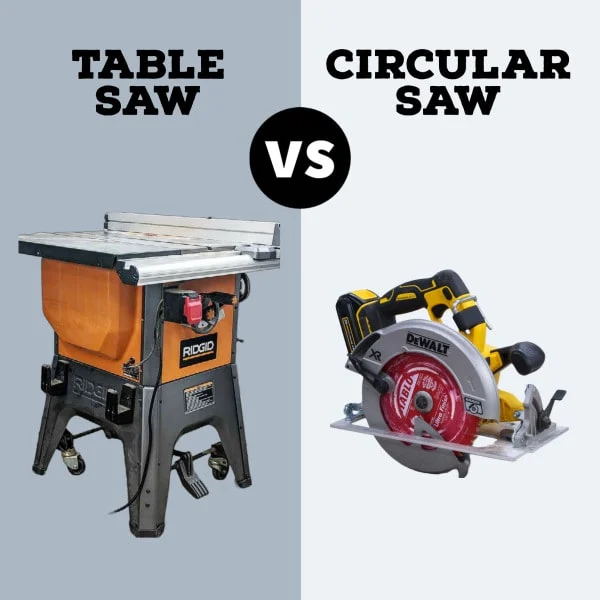
A table saw has a flat table surface with a blade sticking up. You push wood across the blade to cut. A circular saw is handheld with a round blade that spins fast. You guide it over the wood.
Portability
Circular saws are lightweight and easy to carry. You can use them at different places. Table saws are heavy and stay in one spot. They need a workshop or a stable surface.
Table saws cut straight and precise lines. They have fences to guide wood perfectly. Circular saws can cut straight but need steady hands. They are less precise without guides.
Types Of Cuts
Table saws excel at straight cuts and repeated cuts. Circular saws handle straight, angled, and plunge cuts. They cut shapes and curves better than table saws.
Power And Capacity
Table saws have bigger motors for thicker wood. They cut large boards easily. Circular saws have smaller motors but can cut many materials. They work well on thinner wood and metal.
Table saws have a risk of kickback, which can be dangerous. They need safety gear and caution. Circular saws are safer but require control to avoid slips. Both saws need attention during use.
Cutting Precision
Cutting precision is a key factor when choosing between a table saw and a circular saw. Precise cuts ensure better fitting joints and a cleaner finish. Both saws offer different levels of accuracy depending on the task.
Table Saw Cutting Accuracy
Table saws provide excellent cutting precision. Their fixed blade and adjustable fence guide wood steadily. This setup allows for straight, smooth cuts with minimal effort. Repeated cuts stay consistent, useful for projects needing many identical pieces. The stable platform helps reduce mistakes and wobbling. Precision improves further with a quality miter gauge or sled.
Circular Saw Cutting Precision
Circular saws offer good precision but depend on user skill. Since the blade is handheld, steady movement is important. Using a guide rail or straight edge improves cut accuracy. Circular saws can handle angled and plunge cuts but may not be as exact as table saws. Precision varies with the saw’s power and blade quality. They work well for quick, rough cuts or jobs on the go.
Factors Affecting Cutting Precision
Blade sharpness affects both saws’ accuracy. Dull blades cause splintering and uneven edges. Proper setup and alignment are crucial for precise cuts. Table saws need fence calibration; circular saws require steady hands and guides. Material type also matters; harder woods demand sharper blades for clean cuts. Maintaining tools and using the right blade type ensures better precision.
Portability And Size
Portability and size are important factors when choosing between a table saw and a circular saw. Both tools serve different purposes, and their size affects how easily you can move and store them. Understanding these differences helps you pick the right saw for your project and workspace.
Table Saw Size And Weight
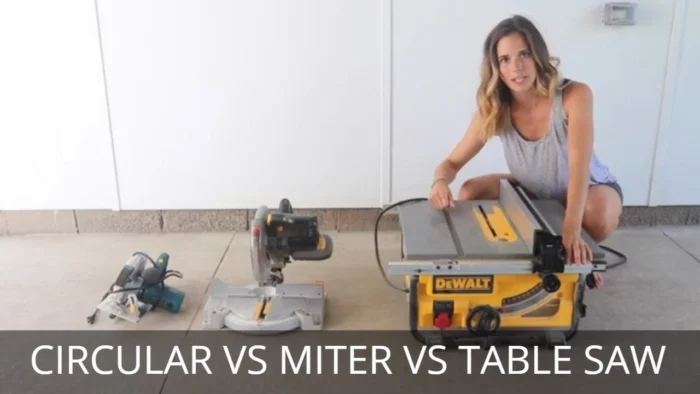
Table saws are larger and heavier than circular saws. They usually have a solid base and a flat surface for supporting wood. This size gives stability but limits portability. Moving a table saw often requires two people. The size makes it better suited for workshops and stationary work areas. Storage also takes up more room in your garage or shed.
Circular Saw Portability
Circular saws are compact and lightweight. They fit easily in a toolbox or backpack. You can carry them to different job sites without trouble. Their small size allows for use in tight spaces and on-the-go projects. Circular saws are ideal for quick cuts outside or in places without a workbench.
Impact Of Size On Job Types
Table saws are perfect for large, repetitive cuts on big boards. Their size helps keep cuts straight and accurate. Circular saws work well for smaller pieces or irregular shapes. The portability of circular saws makes them better for jobs that require cutting in multiple locations. Choosing the right size tool improves efficiency and comfort during work.
Credit: www.youtube.com
Versatility In Cuts
Versatility in cuts defines how well a saw adapts to different woodworking needs. Both table saws and circular saws offer unique cutting abilities. Understanding these helps choose the right tool for your projects.
Range Of Cut Types
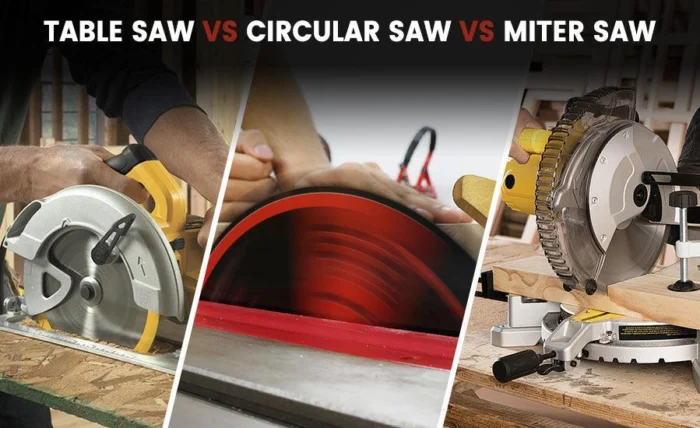
Table saws excel in straight, precise cuts on large wood sheets. They handle rip cuts and crosscuts with ease. Circular saws perform a wider variety of cuts. They can make straight cuts, angled cuts, and even plunge cuts.
Cutting Angles And Adjustments
Table saws offer adjustable fences and miter gauges for angled cuts. They allow precise bevel and miter cuts. Circular saws tilt easily to cut bevels but lack fences for consistent angles. This makes circular saws less precise for repeated angle cuts.
Material And Portability
Table saws work best with wood and plywood. They are bulky and stay in one place. Circular saws cut wood, plastic, and even metal with the right blade. Their portability allows cutting materials onsite or in tight spaces.
Safety Considerations
Safety is the top priority when using saws. Both table saws and circular saws carry risks that need attention. Understanding safety measures lowers the chance of accidents. It protects the user and those nearby. Below are key safety points for each tool.
Table Saw Safety Tips
Always use a blade guard on the table saw. It prevents direct contact with the blade. Keep the rip fence aligned to avoid kickback. Kickback happens when the wood jumps back suddenly. Use a push stick to keep hands away from the blade. Never reach over the blade during a cut. Wear safety glasses and hearing protection every time. Ensure the saw is turned off before changing blades or adjustments.
Circular Saw Safety Tips
Hold the circular saw firmly with both hands. Keep the power cord clear of the cutting path. Use the blade guard and never disable it. Allow the blade to reach full speed before cutting. Cut on a stable surface to avoid slips. Always wear eye and ear protection. Check the blade depth to match the material thickness. Unplug the saw before changing blades or cleaning.
Common Safety Practices For Both Saws
Work in a well-lit area to see clearly. Keep the workspace clean and free of clutter. Avoid loose clothing or jewelry that can get caught. Use dust collection or masks to protect lungs. Never force the saw through the material. Take breaks to stay alert and focused. Follow the manufacturer’s instructions carefully.
Credit: www.findbuytool.com
Cost And Maintenance
Cost and maintenance play a key role in choosing between a table saw and a circular saw. Both tools serve different purposes and come with different expenses and upkeep needs. Understanding these factors helps make a smart purchase decision.
Table Saw Cost
Table saws usually cost more upfront. Prices start from mid-range for basic models and rise for professional-grade saws. They have a larger size and more complex parts. This increases the price but adds precision and power. Investing in a good table saw is ideal for frequent woodworkers.
Circular Saw Cost
Circular saws are typically cheaper than table saws. They are portable and less complex. Entry-level models are affordable for beginners and DIY users. Even advanced circular saws cost less than high-end table saws. This makes them a budget-friendly option for many.
Table Saw Maintenance
Table saws need regular cleaning and blade changes. Dust can build up inside the machine. This affects performance and safety. Lubricating moving parts keeps the saw running smoothly. Checking the fence and blade alignment is important for accurate cuts. Maintenance requires time but ensures long tool life.
Circular Saw Maintenance
Circular saws require simpler care. Keep the blade sharp for clean cuts. Clean dust and debris after each use. Check the power cord and switch for damage. Since circular saws are handheld, they need less frequent adjustment. Proper storage protects the motor and blade.
Frequently Asked Questions
What Is Better, A Table Saw Or A Circular Saw?
A table saw offers precise, repeatable straight cuts, ideal for woodworking. A circular saw is portable and versatile, suitable for various materials and on-site jobs. Choose based on your need for accuracy or flexibility.
Can I Use A Circular Saw As A Table Saw?
You can use a circular saw as a table saw by mounting it under a flat surface. It offers limited precision and adjustable depth but lacks the stability and accuracy of a true table saw. This setup suits occasional cuts but not professional woodworking.
What Are The Disadvantages Of A Table Saw?
Table saws pose kickback risks and require significant space. They only cut straight lines and struggle with irregular shapes. Their size limits portability, and they cannot handle materials like metal or concrete.
Can I Cut 2×4 With A Table Saw?
Yes, you can cut 2x4s with a table saw. Use a sharp blade and adjust the fence for straight, safe cuts.
What Are The Main Differences Between Table Saw And Circular Saw?
Table saws are stationary and best for straight cuts. Circular saws are portable and cut various shapes.
Which Saw Is Safer For Beginners To Use?
Circular saws are generally safer due to their portability and control. Table saws have higher kickback risk.
Conclusion
Choosing between a table saw and a circular saw depends on your project needs. Table saws offer precision for straight, repeatable cuts. Circular saws provide flexibility and portability for various cutting styles. Both tools have strengths and limits. Think about the types of cuts you need and where you will work.
Investing in the right saw helps you complete tasks safely and efficiently. Remember, practice improves skill with either saw.
{ “@context”: “https://schema.org”, “@type”: “Article”, “headline”: “Table Saw Vs Circular Saw: Ultimate Guide to Choose Right Tool”, “description”: “Table Saw vs Circular Saw explains the differences in design and use, highlighting how each tool suits specific cutting tasks in woodworking and construction.”, “url”: “https://www.powertoolstoday.com/table-saw-vs-circular-saw/”, “datePublished”: “2025-11-13”, “dateModified”: “2026-03-18”, “author”: { “@type”: “Organization”, “name”: “Power Tools Today”, “url”: “https://www.powertoolstoday.com” }, “publisher”: { “@type”: “Organization”, “name”: “Power Tools Today”, “url”: “https://www.powertoolstoday.com” }, “mainEntityOfPage”: { “@type”: “WebPage”, “@id”: “https://www.powertoolstoday.com/table-saw-vs-circular-saw/” }, “image”: { “@type”: “ImageObject”, “url”: “https://www.powertoolstoday.com/wp-content/uploads/2025/11/Table-Saw-Vs-Circular-Saw-1024×576.webp” } }nn