
Last Updated: March 20, 2026
When you pick up a drill, the bit you choose can make all the difference between a clean, precise hole and a frustrating mess. But with so many types of drill bits out there, how do you know which one is right for your project?
Whether you’re working with wood, metal, or masonry, using the right drill bit not only saves time but also protects your materials and tools. In this guide, you’ll discover the main types of drill bits, what they’re designed for, and how to choose the perfect one for your needs.
Keep reading to unlock the secrets of drill bits that every DIYer and professional should know!
Credit: smkst-petro.com
Common Drill Bit Types
Drill bits come in many shapes and sizes. Each type serves a specific purpose. Understanding common drill bit types helps choose the right one for your project. This knowledge improves accuracy and efficiency. Below are some popular drill bits used for various materials and tasks.
Twist Bits
Twist bits are the most common drill bits. They have a spiral shape that helps remove material quickly. These bits work well on wood, metal, and plastic. They are versatile and easy to use. Twist bits come in many sizes for different hole diameters.
Spade Bits
Spade bits have a flat, paddle-shaped tip. They are designed mainly for drilling large holes in wood. These bits cut quickly but may leave rough edges. Spade bits are ideal for rough carpentry and wiring jobs. They work best at medium speed to avoid burning the wood.
Brad Point Bits
Brad point bits have a sharp point in the center. This point keeps the bit steady and prevents slipping. They create clean and precise holes in wood. The edges of these bits cut smoothly, reducing splintering. Brad point bits are perfect for fine woodworking and cabinetry.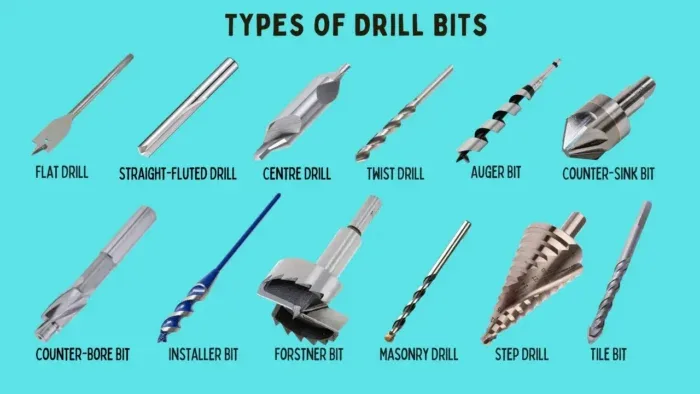
Credit: www.theengineeringchoice.com
Bits For Hard Materials
Drilling into hard materials needs special drill bits. These bits are built to handle tough surfaces like concrete, stone, and brick. Using the right bit makes drilling easier and protects your tools from damage. Below are common types of bits designed for hard materials.
Masonry Bits
Masonry bits have a tough tip made of carbide. This tip breaks through bricks, concrete, and stone. The bit’s spiral shape removes dust and debris while drilling. These bits work best with hammer drills. They resist heat and stay sharp longer.
Core Bits
Core bits cut large holes in hard materials. They have a hollow center to remove a solid core of material. These bits are perfect for pipes and wiring holes. Often coated with diamond or carbide for extra strength. Core bits require steady pressure and slow speed to work well.
Metal Drilling Bits
Metal drilling bits are specially designed to cut through hard materials like steel and aluminum. They must be strong, durable, and able to resist heat. These bits come in different types, each suited for specific tasks and metals.
Choosing the right metal drilling bit improves drilling speed and accuracy. It also extends the life of your tools and prevents damage to the material.
High-speed Steel Bits
High-speed steel (HSS) bits are common for metal drilling. They are tough and can handle high temperatures during drilling. These bits work well on soft and medium metals like aluminum and mild steel.
HSS bits are affordable and widely available. They offer good performance for general metal drilling tasks. However, they wear out faster on harder metals.
Cobalt Bits
Cobalt bits contain a mix of steel and cobalt. This blend makes them stronger and more heat-resistant than HSS bits. They excel at drilling hard metals such as stainless steel and cast iron.
These bits keep sharp edges longer and resist wear well. Cobalt bits are more expensive but offer better durability and precision for tough jobs.
Wood Drilling Bits
Wood drilling bits are designed specifically for cutting through wood with ease. They create clean holes without splintering the wood surface. These bits come in various shapes and sizes to fit different woodworking needs. Choosing the right wood bit ensures precision and efficiency in your project.
General Purpose Wood Bits
General purpose wood bits are the most common type used in woodworking. They have a sharp point at the center to guide the bit into the wood. The cutting edges on the sides remove wood quickly and smoothly. These bits work well on softwood, hardwood, and plywood. They fit most drills and are ideal for everyday tasks like making pilot holes and drilling small to medium holes.
Large Diameter Bits
Large diameter wood bits are made for creating bigger holes in wood. They often have a spade or hole saw design. Spade bits have a flat blade with sharp edges that cut wide holes fast. Hole saws cut circular holes by removing a core of wood. These bits are great for wiring, plumbing, or installing door hardware. They require steady control to avoid rough edges and ensure a clean finish.
Specialty Bits
Specialty drill bits serve unique purposes beyond standard drilling tasks. They handle specific materials or functions, making projects easier and more precise. These bits are designed for tasks that require extra care or specialized techniques. Using the right specialty bit improves efficiency and protects your materials from damage.
Glass And Tile Bits
Glass and tile bits have a special tip to drill through fragile surfaces. They often have a spear-shaped carbide tip. This design prevents cracks and chips during drilling. These bits work best on glass, ceramic, and porcelain tiles. Drilling slowly with water helps keep the bit cool and extends its life.
Step Bits
Step bits drill holes of different sizes with one bit. They have a cone shape with steps of increasing diameter. This allows drilling multiple hole sizes without changing bits. Step bits are great for thin materials like sheet metal and plastic. They create clean, round holes and deburr edges in one step.
Screwdriver Bits
Screwdriver bits fit into drills for driving screws quickly. They come in many shapes, like Phillips, flathead, and Torx. These bits help finish projects faster than using a manual screwdriver. They reduce hand strain and improve screw grip. Using the right screwdriver bit prevents stripping screws and damage.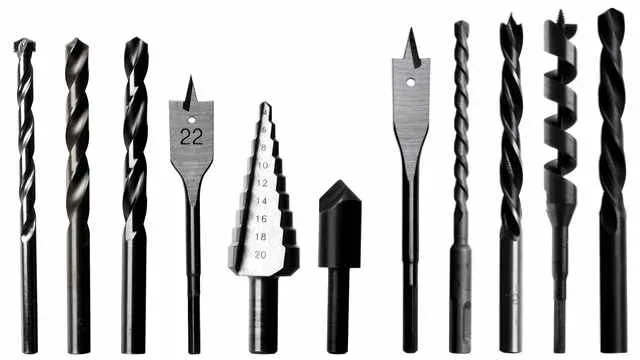
Credit: www.jackspaint.co.za
Choosing The Right Drill Bit
Choosing the right drill bit is key for any drilling project. The correct bit ensures clean holes and protects your materials. It also helps your drill work efficiently and lasts longer. Several factors influence the choice of drill bit. Consider material, hole size, depth, and the bit’s coating. These elements affect performance and durability.
Material Compatibility
Different drill bits suit different materials. Wood, metal, plastic, and masonry need specific bits. For example, a wood bit has a sharp point for clean cuts. Metal requires a strong bit, often made from high-speed steel or cobalt. Masonry bits have a carbide tip to break through stone or brick. Using the wrong bit can damage your material or the bit itself.
Hole Size And Depth
Choose a drill bit that matches your hole size needs. Bits come in many diameters. Small bits make tiny holes, large bits create big openings. Also, consider the hole depth. Some bits have a longer shank for deep drilling. Shallow bits work well for surface tasks. Picking the right size keeps holes accurate and clean.
Bit Coatings And Durability
Coatings improve drill bit life and performance. Titanium coating resists heat and wear. Black oxide reduces friction and rust. Carbide tips offer extreme hardness for tough jobs. Coated bits last longer and cut better. Choose a coated bit if you drill often or in hard materials.
Frequently Asked Questions
What Are The Different Types Of Drill Bits?
Common drill bit types include twist bits for general use, masonry bits for concrete, spade bits for large wood holes, brad point bits for precise wood drilling, step bits for multiple hole sizes, core bits for deep holes, and screwdriver bits for fastening tasks.
How Do I Know What Type Of Drill Bit To Use?
Choose a drill bit based on the material: wood, metal, or masonry. Use twist bits for general purposes, masonry bits for concrete, and spade or brad point bits for wood. Match the bit type to your project for best results.
What Drill Bit Makes Holes?
Twist drill bits make holes in wood, metal, and plastic. Masonry bits drill into concrete and stone. Spade bits create large wood holes. Brad point bits ensure clean, precise wood holes. Choose the bit type based on your material and hole size needs.
What’s Harder, Cobalt Or Titanium?
Cobalt is harder than titanium. Cobalt offers greater heat resistance and durability, making it ideal for tough drilling tasks. Titanium is lighter and corrosion-resistant but less hard than cobalt.
What Are The Main Types Of Drill Bits Available?
Drill bits include twist, spade, masonry, brad point, step, and hole saw bits.
Which Drill Bit Is Best For Wood Drilling?
Brad point bits are ideal for wood due to their sharp tips and clean holes.
Conclusion
Choosing the right drill bit saves time and improves results. Each type suits specific materials and tasks. Twist bits work well for general drilling needs. Masonry bits handle concrete and stone effectively. Spade bits create large holes in wood quickly.
Brad point bits offer precise wood drilling. Knowing these types helps you pick the best tool. This makes every project easier and more efficient. Keep practicing to gain confidence with each drill bit. Simple tools, clear purpose, great results.
Frequently Asked Questions
Common drill bit types include twist bits for general use, masonry bits for concrete, spade bits for large wood holes, brad point bits for precise wood drilling, step bits for multiple hole sizes, core bits for deep holes, and screwdriver bits for fastening tasks.
Choose a drill bit based on the material: wood, metal, or masonry. Use twist bits for general purposes, masonry bits for concrete, and spade or brad point bits for wood. Match the bit type to your project for best results.
Twist drill bits make holes in wood, metal, and plastic. Masonry bits drill into concrete and stone. Spade bits create large wood holes. Brad point bits ensure clean, precise wood holes. Choose the bit type based on your material and hole size needs.
Cobalt is harder than titanium. Cobalt offers greater heat resistance and durability, making it ideal for tough drilling tasks. Titanium is lighter and corrosion-resistant but less hard than cobalt.
Drill bits include twist, spade, masonry, brad point, step, and hole saw bits.
Brad point bits are ideal for wood due to their sharp tips and clean holes.