
Last Updated: March 21, 2026
When it comes to sharpening knives, chisels, and other cutting tools, two types of stones come up again and again: water stones and oil stones. If you’ve ever wondered which one is right for you, or why some people swear by one type, you’re not alone. The choice affects not just the sharpness of your tools, but also how easy, fast, and enjoyable the sharpening process feels. Understanding the differences between water stones and oil stones can save you time, money, and frustration in the long run.
What Are Water Stones And Oil Stones?
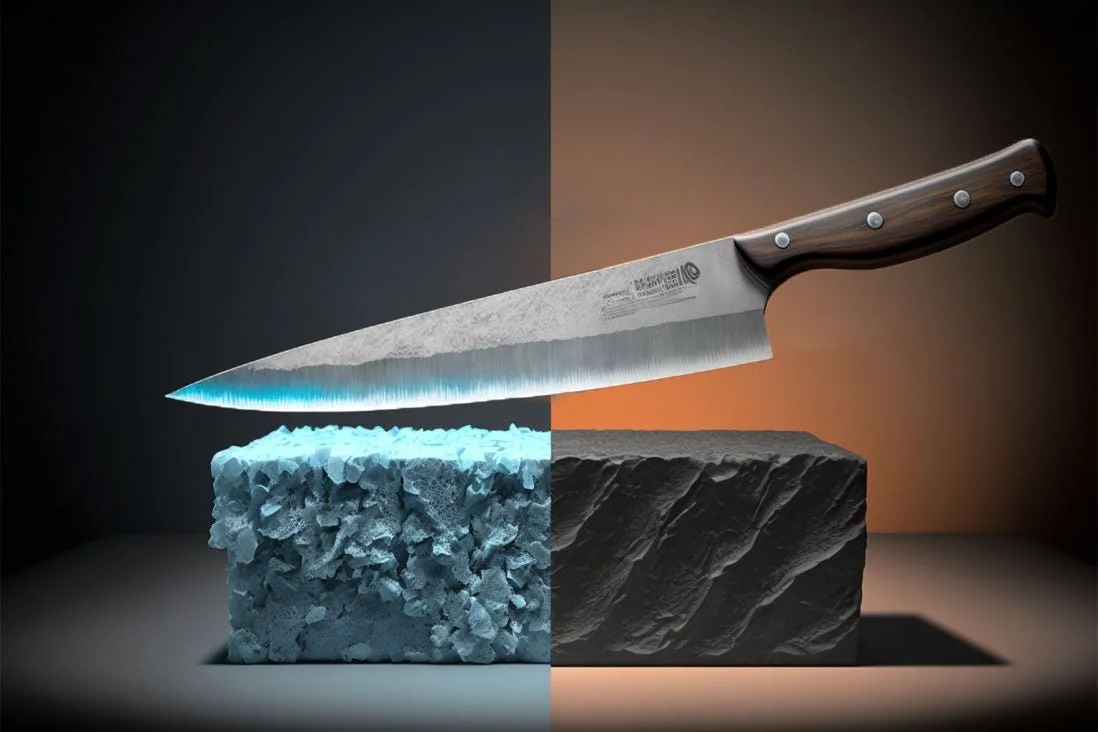
Both water stones and oil stones are abrasive stones used for sharpening steel tools. The main difference lies in their material and the type of lubricant used during sharpening.
- Water stones use water as a lubricant. They can be made from natural or synthetic materials, with synthetic stones being more common today.
- Oil stones use oil (usually mineral oil) as a lubricant. They are often made from natural stones like Arkansas stone, or synthetic materials such as aluminum oxide.
These differences influence how each stone works, how fast they sharpen, and how easy they are to maintain.
How Water Stones Work
Water stones are known for their fast cutting action. When you add water, it forms a slurry (a mix of water and fine stone particles) on the surface. This slurry helps remove steel from the blade, making sharpening quick and efficient.
One key reason water stones cut so fast is their softer binder. The surface constantly renews itself as the stone wears down, exposing fresh abrasive. This self-renewing property means you get a fresh, sharp surface for each stroke, but it also means the stones wear down faster and need to be flattened regularly.
Water stones come in a wide range of grits, from coarse (around 200-400) for shaping edges, to ultra-fine (up to 10,000+) for polishing.
How Oil Stones Work
Oil stones are usually harder and denser than water stones. They use oil as a lubricant, which helps carry away metal filings and keeps the stone from clogging. The oil also slows the sharpening process a little, giving users more control over the work.
Oil stones tend to wear down more slowly, so they keep their flatness longer. However, because they don’t shed abrasive as quickly, they may not cut as fast as water stones. Traditional oil stones include Arkansas stones (natural novaculite) and man-made stones like India and Crystolon stones, which use aluminum oxide and silicon carbide.
Key Differences: Water Stone Vs Oil Stone
To help clarify the main differences, here’s a side-by-side comparison:
Credit: www.reddit.com
Which One Gives A Sharper Edge?
Both water stones and oil stones can give a very sharp edge, but water stones make it easier to reach a polished, mirror-like finish. This is because of their fine grit options and the polishing effect of the slurry. For many kitchen knives and razors, this ultra-sharp edge is desirable.
Oil stones, especially fine Arkansas stones, can also produce a very sharp edge, but it might not be as polished. Some people argue that oil stones leave a “toothier” edge, which can be better for slicing certain foods or materials.
Maintenance And Care
Water Stone Maintenance
- Regular flattening: After every few uses, check for uneven wear and flatten the stone.
- Soak before use: Some stones need 10–15 minutes in water. Others, called “splash-and-go,” only require water on the surface.
- Storage: Keep stones dry and store in a cool, safe place. Avoid freezing temperatures.
Oil Stone Maintenance
- Keep oiled: Always use oil when sharpening, and occasionally add oil to keep the surface in good condition.
- Clean surface: Wipe off metal filings with a rag after use.
- Flatten if needed: Rarely, but if the stone wears unevenly, flatten it with a diamond lapping plate.
Cost And Availability
The price of sharpening stones can vary a lot based on material, brand, and grit. Synthetic water stones are often affordable, while premium Japanese water stones or large natural Arkansas stones can be quite expensive.
Here’s a look at typical price ranges and durability:
| Stone Type | Average Price (USD) | Expected Lifespan |
|---|---|---|
| Water Stone (synthetic) | $20–$100 | 2–5 years (frequent use) |
| Water Stone (natural) | $50–$300+ | 5–10 years |
| Oil Stone (synthetic) | $15–$60 | 5–20 years |
| Oil Stone (natural) | $50–$250+ | 10–30+ years |
Non-obvious tip: The total cost of ownership can be higher for water stones because you may need to buy a flattening plate and replace stones more often.
Common Mistakes When Choosing Or Using Sharpening Stones
- Mixing lubricants: Never use oil on a water stone or water on an oil stone. Once oil is used on a water stone, it’s nearly impossible to clean out, and the stone will not work properly.
- Ignoring flattening: A stone that isn’t flat can ruin the edge of your tool. Many beginners don’t realize how quickly water stones can become uneven.
- Choosing the wrong grit: Jumping from a very coarse to a very fine stone can waste time and give poor results. Always move through intermediate grits for the best edge.
- Improper cleaning: Not cleaning stones after use leads to clogging and reduced performance.
- Skipping maintenance: Even oil stones need occasional flattening and cleaning.
Which One Should You Choose?
The best choice depends on your needs, preferences, and sharpening habits:
- Choose water stones if you want:
- Fast sharpening and a mirror edge
- A wide range of grit choices
- You don’t mind frequent maintenance
- Choose oil stones if you want:
- Low-maintenance and long-lasting stones
- Less mess with water in your workspace
- You sharpen less often and value durability
Non-obvious insight: Consider your climate and storage, too. Water stones can crack in freezing weather, so oil stones may be better if you work in an unheated shop.
Water Stone Vs Oil Stone: Which Is Best For Different Tools?
Some tools respond better to certain stones. Here are some common examples:
- Kitchen knives: Water stones are popular for their speed and fine finish.
- Woodworking chisels: Oil stones keep a flat bevel and last longer.
- Straight razors: Water stones, especially fine Japanese stones, give the smoothest edge.
- Axes or outdoor tools: Oil stones are more durable for rough sharpening in the field.
Credit: santokuknives.co.uk
Environmental And Safety Considerations
- Water stones are less toxic and easier to clean up, since water evaporates and leaves no residue.
- Oil stones require proper disposal of used oil, which can be messy and less eco-friendly.
Also, using oil indoors can create slippery surfaces and odors. For people sensitive to chemicals, water stones are often safer.
What About Diamond Stones?
A common question is where diamond stones fit in. Diamond stones are another popular sharpening option. They cut even faster than water stones and require no soaking or oiling. However, they are more expensive and not everyone likes the feel of sharpening on a diamond surface. Some users combine diamond stones for rough shaping, then finish with water or oil stones.
For more details on diamond sharpening stones, you can read this Wikipedia article on sharpening stones.
Frequently Asked Questions
What Happens If I Use Oil On A Water Stone?
Using oil on a water stone can clog the pores and ruin the stone. The oil soaks in and makes it impossible for water to act as a lubricant. Avoid mixing lubricants to keep your stones working well.
How Do I Flatten A Water Stone?
To flatten a water stone, use a flattening plate or lapping stone. Wet both surfaces, rub them together in circles or figure-eights, and check with a straight edge. Repeat until the stone is flat.
Can Oil Stones Be Used Dry?
Oil stones should not be used dry. Using them without oil will clog the surface with metal filings, reducing their effectiveness and making them harder to clean.
Are Natural Stones Better Than Synthetic Stones?
Not always. Natural stones can be beautiful and long-lasting, but they may have inconsistent grit and are more expensive. Modern synthetic stones are very consistent and often perform just as well for most users.
How Do I Choose The Right Grit For Sharpening?
Start with a coarse grit (200–400) for very dull edges, then move to a medium grit (800–1200) for regular sharpening. Finish with a fine grit (3000–8000+) for polishing. Don’t skip grits, as each stage prepares the edge for the next.
Choosing between water stones and oil stones is personal, but knowing the facts helps you make the right choice. Whether you want speed, sharpness, durability, or low maintenance, understanding how each stone works will lead to better results and a more enjoyable sharpening experience.
nn