
Last Updated: March 27, 2026
Have you ever struggled to grip objects of different sizes with the same pair of pliers? If so, slip joint pliers might just be the tool you need.These versatile pliers are designed with an adjustable pivot, allowing you to change the jaw width quickly and easily. Whether you’re tightening, loosening, bending, or gripping, slip joint pliers adapt to the task at hand—making your work smoother and more efficient.Ready to discover how slip joint pliers can become your go-to tool for a variety of jobs? Keep reading to unlock their full potential and learn why every toolbox should have a reliable pair.Slip Joint Pliers Basics
Slip joint pliers are versatile tools found in many toolkits. They have a unique design that allows the jaws to adjust to different sizes. This feature makes them handy for gripping, twisting, and holding objects of various shapes and sizes. Understanding their basics helps in using them effectively.Design And Structure
Slip joint pliers have two main parts: handles and jaws. The jaws include a pivot point that can slide to change the opening width. This sliding pivot lets the user adjust the pliers to grip objects securely. The handles often have a comfortable grip made from rubber or plastic.Adjustable Jaw Width
The key feature of slip joint pliers is their adjustable jaw. The sliding mechanism allows switching between two or more jaw widths. This makes the tool flexible for different tasks. It can hold small nuts or larger pipes without needing multiple tools.Common Materials
Most slip joint pliers are made from steel for strength and durability. The jaws often have a textured surface for better grip. Handles may have a dual-material coating to reduce slippage and hand fatigue during use.Typical Uses
Slip joint pliers work well for gripping, twisting, and bending objects. They are often used in plumbing, electrical work, and general household repairs. Their adjustable jaws make them suitable for various tasks, from holding wires to tightening bolts.Adjustable Jaw Function
The adjustable jaw function is the key feature of slip joint pliers. It allows the jaws to open wider or narrower, fitting various sizes of objects. This flexibility makes these pliers useful for many tasks.The jaws can be repositioned by sliding the pivot point. This change adjusts the width of the gripping area. It helps users hold objects firmly without slipping.With the adjustable jaw, these pliers can grip pipes, nuts, bolts, and more. They handle different shapes and sizes with ease. This reduces the need for multiple tools.How The Adjustable Jaw Works
The adjustable jaw moves by shifting the pivot pin into different slots. Each slot offers a different jaw opening. Users can quickly change the size to fit the task.This design provides two or more jaw width options. It gives better control over gripping strength. The sliding mechanism locks the jaw firmly in place.Benefits Of Adjustable Jaw Function
This function improves the pliers’ versatility. It saves time by avoiding constant tool changes. It also increases precision in gripping various objects.The adjustable jaw reduces damage to tools and workpieces. It fits tightly without crushing or slipping. This makes slip joint pliers reliable for everyday use.Common Uses For Adjustable Jaw Pliers
Plumbers use them to tighten or loosen pipe fittings of different sizes. Electricians grip wires and small components easily. Carpenters adjust bolts and fasteners during construction.Handymen rely on the adjustable jaw for quick repairs. The tool adapts to many shapes and sizes, making it practical. This adaptability is why slip joint pliers are a staple in toolkits.Common Tasks And Uses
Slip joint pliers serve many purposes in daily tasks. Their adjustable design helps tackle a variety of gripping and turning jobs. These pliers are practical tools in home repairs and professional work. They fit different sizes of nuts, bolts, and pipes easily. Below are common tasks where slip joint pliers prove useful.Gripping And Holding Objects
Slip joint pliers hold objects firmly during work. Their adjustable jaws adapt to different thicknesses. This makes them ideal for gripping nails, wires, and small parts. They help keep items steady while you cut or twist them.Turning Nuts And Bolts
These pliers adjust to fit many sizes of nuts and bolts. They provide extra leverage for loosening or tightening. Their grip helps avoid slipping and damaging fasteners. This use is common in mechanical and plumbing repairs.Bending And Shaping Materials
Slip joint pliers bend wires and thin metal pieces. They give control and precision for shaping materials. This function is useful in crafting, electrical work, and DIY projects. Their design allows bending without scratching the surface.Cutting Wires And Cables
Many slip joint pliers have built-in wire cutters. They trim electrical wires and small cables quickly. This feature makes them handy for electricians and hobbyists. Cutting close to connectors is safer and easier with these pliers.Removing Nails And Staples
The strong jaws of slip joint pliers pull out nails and staples. Their adjustable size fits various fastener widths. They provide good grip and leverage to remove stuck items. This task is common in woodworking and construction.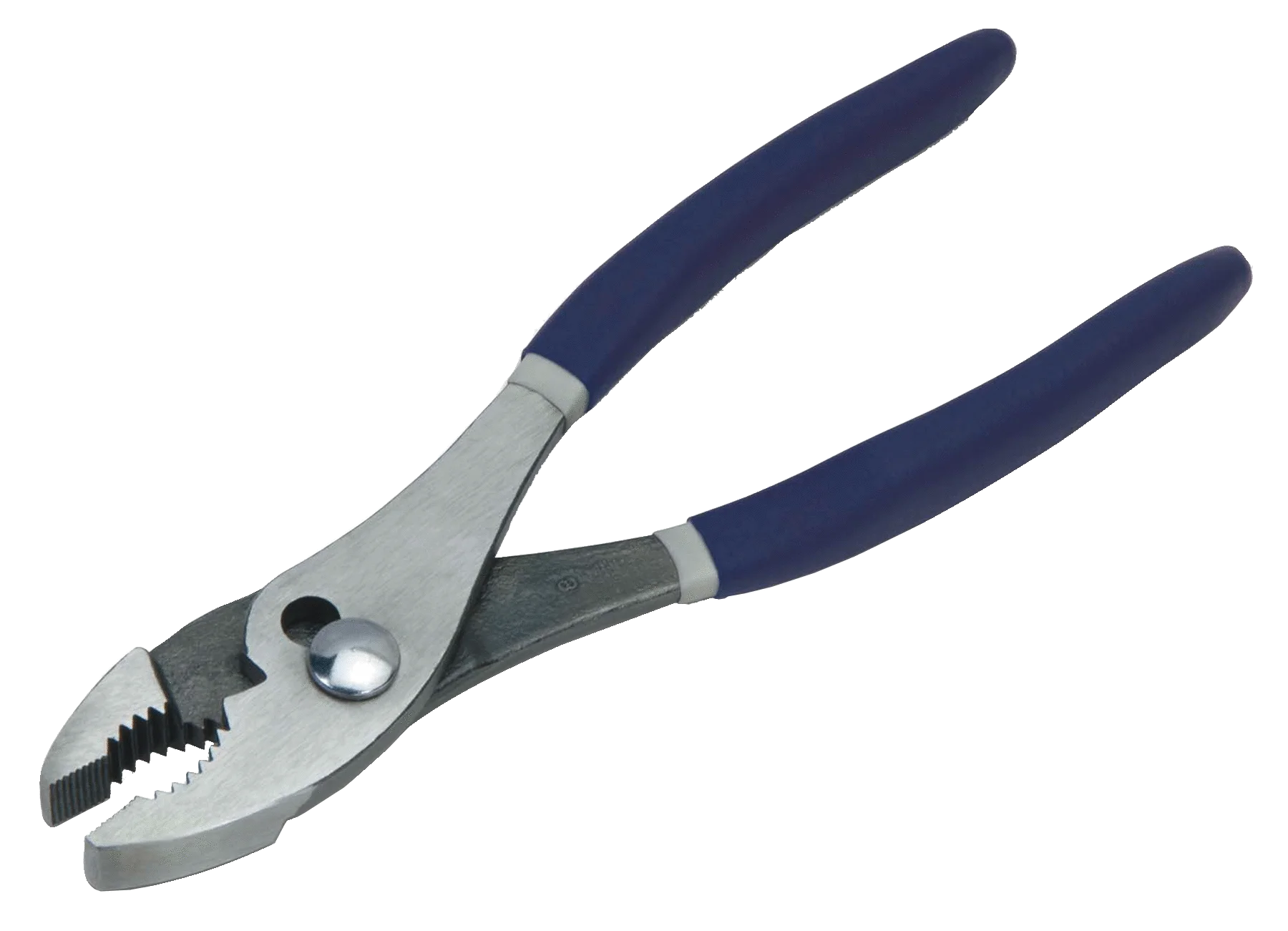 Credit: www.williams-industrial.com
Benefits Of Dual Grip Handles
Dual grip handles on slip joint pliers offer many practical benefits. They improve comfort and control during use. The grips reduce hand strain, especially during long jobs. These handles provide a firm hold, preventing slippage. This makes tasks safer and easier to complete.Workers using slip joint pliers often face tough gripping jobs. Dual grip handles help by cushioning the hand and distributing pressure evenly. This feature allows for better precision and reduces fatigue. Even beginners find it easier to handle pliers with these grips.Enhanced Comfort For Extended Use
Dual grip handles soften the impact on hands. They prevent soreness during extended work sessions. The soft material molds to the shape of the hand. This reduces pressure points and increases comfort. Users can work longer without discomfort or pain.Improved Control And Grip
These handles provide a non-slip surface. This improves grip on the tool and on the object. Users gain better control over pliers’ movement. It lowers the risk of the tool slipping or dropping. More control means more accurate and safer work.Reduced Hand Fatigue
The cushioned handles absorb some force from gripping. This reduces strain on hand muscles and joints. Less fatigue means users can maintain a strong grip. It helps avoid hand cramps and tiredness. This is especially important for repetitive tasks.Increased Safety During Use
Firm, non-slip grips reduce the chance of accidents. Slipping tools can cause injuries or damage materials. Dual grip handles keep the pliers steady in hand. This adds an extra layer of safety for all users. Safe tools lead to better work outcomes.Difference From Fixed-joint Pliers
Slip joint pliers and fixed-joint pliers look similar but serve different purposes. Understanding their differences helps choose the right tool for each job. Slip joint pliers offer adjustable jaw widths, making them versatile. Fixed-joint pliers have a set jaw width, designed for specific sizes and tasks.Adjustability And Jaw Width
Slip joint pliers have a pivot that slides to change jaw size. This feature allows two or more jaw positions. It fits various fasteners and objects without switching tools. Fixed-joint pliers open only to one fixed width. Their jaws do not adjust, limiting their use to specific sizes.Versatility In Tasks
Slip joint pliers handle many tasks, including gripping pipes, bending wires, and holding small objects. Their adjustable jaws adapt to different shapes and sizes. Fixed-joint pliers work best on repetitive tasks with consistent sizes. They provide strong, stable grip but less flexibility.Grip And Control
Fixed-joint pliers offer better grip strength due to solid construction. They resist slipping and are reliable for heavy-duty work. Slip joint pliers provide moderate grip but excel in versatility. Their adjustable jaws may reduce maximum clamping force slightly.Common Uses
Slip joint pliers suit household repairs, plumbing, and light mechanical work. Their adjustability saves time and effort. Fixed-joint pliers are preferred in tasks requiring precise, powerful gripping. They are common in electrical work and metal fabrication.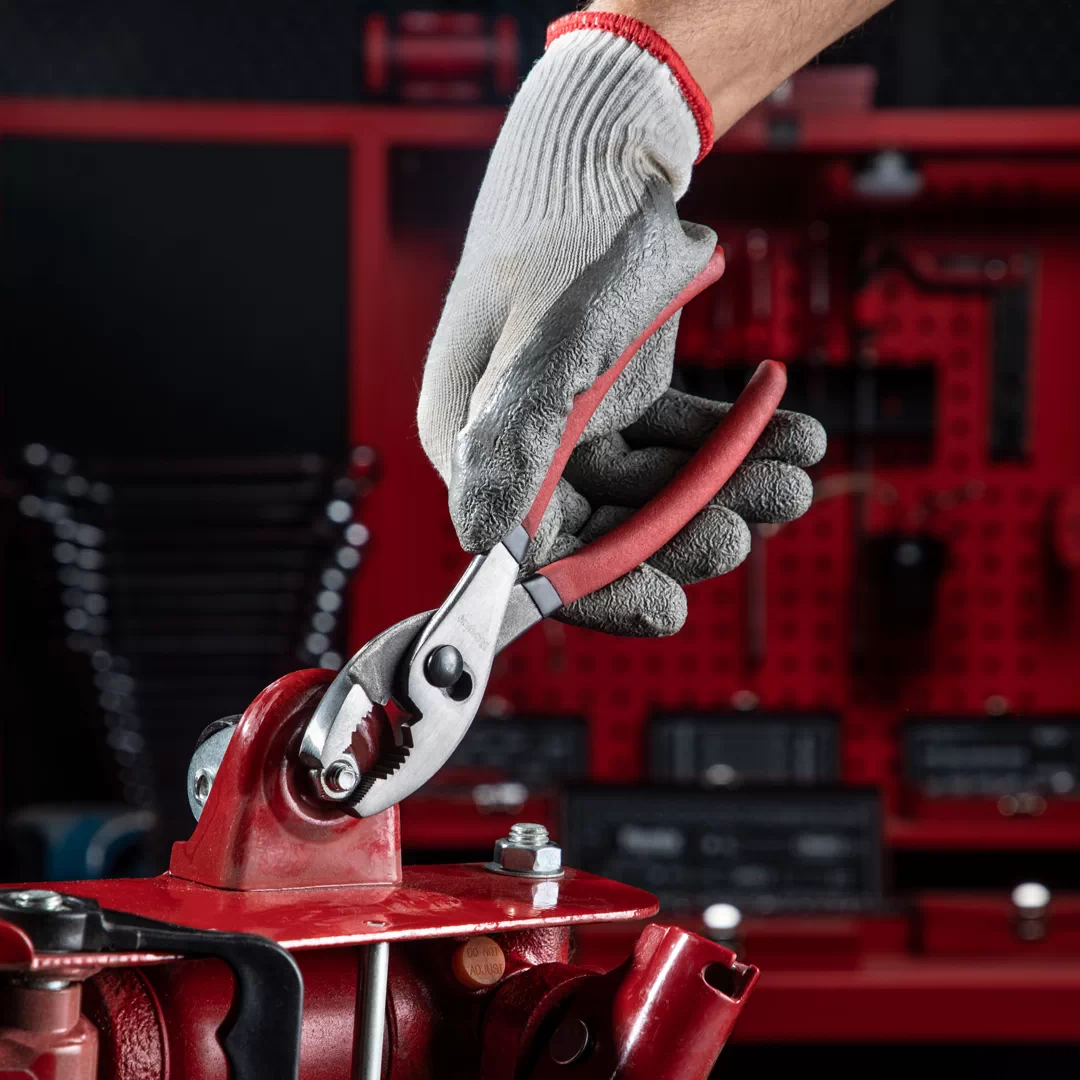 Credit: ronixtools.com
Applications In Various Trades
Slip joint pliers are versatile tools used across many trades. Their adjustable design allows users to grip objects of different sizes. This makes them useful for various tasks in different industries. Here are some key applications of slip joint pliers in several trades.Plumbing
Plumbers use slip joint pliers to tighten and loosen pipes. The adjustable jaws fit various pipe sizes. They help grip round objects like nuts and fittings securely. Slip joint pliers assist in plumbing repairs and installations. They also work well for turning valves and tightening connectors.Carpentry
Carpenters rely on slip joint pliers for gripping nails and removing them. The tool helps hold small hardware pieces during assembly. Its adjustable size makes it flexible for different materials. Carpenters use it to bend wires or pull staples too. Slip joint pliers are handy in many woodwork tasks.Electrical Work
Electricians use slip joint pliers to twist and cut wires. The adjustable jaws help grip wires of various thicknesses. They assist in holding connectors and terminals firmly. The pliers also help strip insulation without damaging the wire. This tool is essential for many electrical installations and repairs.Hvac Maintenance
In heating and cooling trades, slip joint pliers adjust and tighten fittings. They grip pipes and ducts during assembly or repair. The tool helps manipulate metal components in tight spaces. HVAC technicians use them to hold small parts securely. Slip joint pliers increase precision and control in HVAC work.General Handyman Tasks
Handymen use slip joint pliers for everyday fixes. The tool adjusts to grip bolts, nuts, and other hardware. It helps in twisting, bending, and pulling materials. Slip joint pliers are useful for quick repairs around the house. Their versatility makes them a must-have for general repairs. Credit: home.howstuffworks.com
Frequently Asked Questions
What Jobs Use Slip Joint Pliers?
Plumbers, carpenters, HVAC technicians, electricians, and handymen use slip joint pliers. They adjust grip size for various tasks.What Is The Difference Between Slip Joint Pliers And Regular Pliers?
Slip joint pliers have adjustable pivot points for multiple jaw sizes. Regular pliers have a fixed pivot with one jaw size. This makes slip joint pliers more versatile for gripping different objects. Regular pliers offer consistent grip strength for specific tasks.What Are Slip Joints Used For?
Slip joints create adjustable, flexible connections in plumbing, construction, and tools. They allow movement, easy disassembly, and accommodate misalignment or thermal expansion.In Which Application Is A Slip Joint Typically Used?
Slip joints are typically used in plumbing to connect pipes, allowing easy adjustment, movement, and disassembly.What Are Slip Joint Pliers Commonly Used For?
Slip joint pliers are used for gripping, twisting, and turning objects of various sizes.How Do Slip Joint Pliers Differ From Regular Pliers?
Slip joint pliers have adjustable jaws, unlike fixed-size regular pliers.Conclusion
Slip joint pliers offer versatile use for gripping and turning. Their adjustable jaws fit various sizes of objects easily. Many tradespeople rely on them daily for simple tasks. These pliers provide good control and reduce hand fatigue. They work well for plumbing, carpentry, and electrical jobs.Owning slip joint pliers adds convenience to any tool collection. Simple, strong, and adaptable tools like these save time. Keep them handy for quick fixes around the house.Related reading: What Are Needle Nose Pliers Used For.
{ “@context”: “https://schema.org”, “@type”: “Article”, “headline”: “What are Slip Joint Pliers Used for: Essential Tool Functions Explained”, “description”: “What are slip joint pliers used for: adjustable hand tools designed to grip, twist, and turn objects of various sizes in plumbing and mechanical tasks.”, “url”: “https://www.powertoolstoday.com/what-are-slip-joint-pliers-used-for/”, “datePublished”: “2026-02-18”, “dateModified”: “2026-03-18”, “author”: { “@type”: “Organization”, “name”: “Power Tools Today”, “url”: “https://www.powertoolstoday.com” }, “publisher”: { “@type”: “Organization”, “name”: “Power Tools Today”, “url”: “https://www.powertoolstoday.com” }, “mainEntityOfPage”: { “@type”: “WebPage”, “@id”: “https://www.powertoolstoday.com/what-are-slip-joint-pliers-used-for/” }, “image”: { “@type”: “ImageObject”, “url”: “https://www.powertoolstoday.com/wp-content/uploads/2025/11/What-are-Slip-Joint-Pliers-Used-for–1024×576.webp” } }{ “@context”: “https://schema.org”, “@type”: “Article”, “headline”: “What are Slip Joint Pliers Used for: Essential Tool Functions Explained”, “description”: “What are slip joint pliers used for: adjustable hand tools designed to grip, twist, and turn objects of various sizes in plumbing and mechanical tasks.”, “url”: “https://www.powertoolstoday.com/what-are-slip-joint-pliers-used-for/”, “datePublished”: “2026-02-18”, “dateModified”: “2026-03-19”, “author”: { “@type”: “Organization”, “name”: “Power Tools Today”, “url”: “https://www.powertoolstoday.com” }, “publisher”: { “@type”: “Organization”, “name”: “Power Tools Today”, “url”: “https://www.powertoolstoday.com” }, “mainEntityOfPage”: { “@type”: “WebPage”, “@id”: “https://www.powertoolstoday.com/what-are-slip-joint-pliers-used-for/” }, “image”: { “@type”: “ImageObject”, “url”: “https://www.powertoolstoday.com/wp-content/uploads/2025/11/What-are-Slip-Joint-Pliers-Used-for–1024×576.webp” } }nn