
Last Updated: March 20, 2026
Are you tired of constantly swapping out drill bits every time you need a different hole size? Imagine having just one tool that can handle multiple hole diameters quickly and cleanly.
That’s exactly what a step drill bit offers you. Designed to work on thin materials like sheet metal, plastic, and wood, step drill bits save you time and effort by drilling various hole sizes with a single bit. Whether you’re working on electrical panels, automotive repairs, or HVAC installations, understanding what step drill bits are used for can transform how you tackle your projects.
Keep reading to discover how this versatile tool can make your drilling tasks faster, easier, and more precise.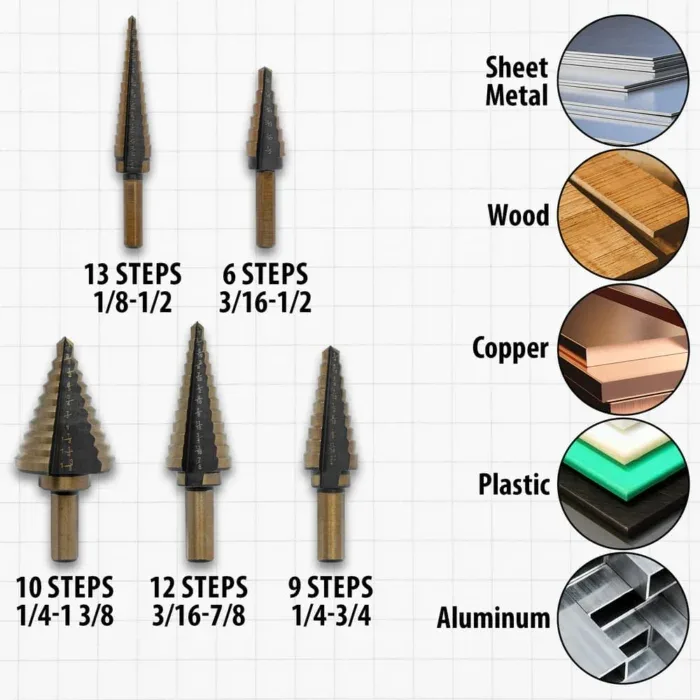
Credit: www.chkadels.com
Uses In Thin Materials
Step drill bits excel in working with thin materials. Their design allows for quick and clean hole drilling. They can handle metals, plastics, and thin wood layers with ease.
These bits reduce the need to switch between different sizes. Each step on the bit corresponds to a hole diameter. Simply drilling deeper creates larger holes.
Sheet Metal Applications
Step drill bits are perfect for thin sheet metal. They create precise holes without cracking the metal. Electricians use them to install wiring and outlets. HVAC technicians rely on them for ductwork holes. The bits help maintain metal strength and avoid distortion.
Plastic And Vinyl Use
Drilling clean holes in plastic is easy with step bits. They prevent cracking or chipping during drilling. This makes them ideal for plastic panels and vinyl siding. The bits create smooth edges, reducing the need for extra finishing work.
Thin Wood Drilling
Thin wood materials benefit from step drill bits too. These bits cut clean holes without splintering. They suit tasks like crafting, cabinetry, and model building. The stepped design allows for gradual hole sizing and better control.
Deburring And Enlarging Holes
Step drill bits also help in deburring edges. They smooth rough or sharp hole edges in thin materials. The bits can enlarge existing holes with clean, tapered finishes. This adds versatility and reduces the need for extra tools.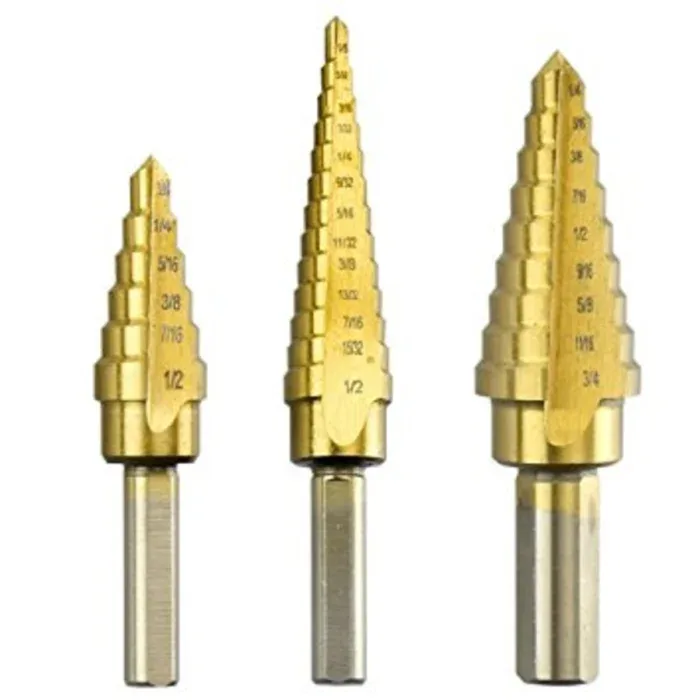
Credit: discover.hubpages.com
Multi-size Hole Drilling
Step drill bits create multiple hole sizes using one tool by drilling deeper into thin materials like metal or plastic. Their stepped design allows quick resizing without changing bits, ideal for electrical or automotive tasks. They also smooth and enlarge existing holes efficiently.
Step drill bits allow drilling multiple hole sizes with a single tool. Their cone shape features several steps, each with a different diameter. This design lets users drill holes of varying sizes by pushing the bit deeper into the material.
These bits work best on thin materials like sheet metal, plastic, and thin wood. Instead of changing bits for every hole size, one step drill bit covers many sizes. This saves time and effort during projects.
How Step Drill Bits Adjust Hole Size
Each step on the bit creates a hole at its specific diameter. As the bit drills deeper, the hole size increases to the next step. This smooth transition avoids sudden jumps in hole size.
This feature helps when precise hole diameters are needed. It also reduces the risk of damaging thin materials while drilling.
Benefits For Quick And Clean Drilling
Step drill bits not only drill holes but also help in enlarging existing ones. They create clean edges and reduce burrs, cutting down the need for extra finishing work. The bits are perfect for projects requiring multiple hole sizes in quick succession.
Their versatility makes them popular in electrical, automotive, and HVAC work. Users get accurate holes with less hassle and fewer tools to manage.
Advantages Over Regular Bits
Step drill bits offer clear advantages over regular drill bits. They save time by handling multiple hole sizes with one bit. Their unique design reduces the need to switch tools frequently. This makes them ideal for projects requiring many different hole diameters.
These bits work well on thin materials like sheet metal and plastic. They create smooth holes and reduce damage to the material. Step drill bits also make the drilling process simpler and more efficient.
Versatility In Hole Sizes
A step drill bit contains several steps of increasing diameter. This allows drilling many hole sizes using just one bit. It eliminates the need for multiple drill bits of different sizes. You just drill deeper to reach the next size.
Cleaner And Smoother Holes
Step drill bits create cleaner holes compared to regular bits. Their shape reduces burrs and rough edges around holes. This means less finishing work and better results. The smooth edges also help parts fit together better.
Longer Tool Life
Step drill bits often last longer than regular bits. Their design spreads wear evenly across the bit. They also reduce heat buildup during drilling. This prevents damage and keeps the bit sharp for longer.
Improved Control And Safety
Using a step drill bit gives better control while drilling. The stepped design prevents the bit from grabbing or catching suddenly. This lowers the risk of slipping and injury. It also helps keep holes accurate and clean.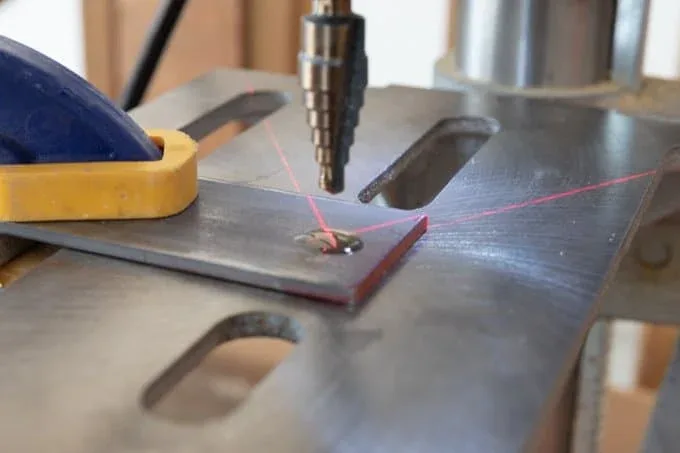
Credit: www.handmadeweekly.com
Applications In Electrical Work
Step drill bits are essential tools in electrical work. They help create clean holes in metal panels and enclosures. Their design allows electricians to drill multiple hole sizes with one bit.
This versatility saves time and reduces the need to switch bits often. Step drill bits work well on thin materials like sheet metal, common in electrical installations.
Creating Holes For Cable And Wire Passages
Electricians use step drill bits to make holes for cables and wires. The bits create precise openings in metal boxes and panels. These holes allow safe and organized wiring setups.
The stepped design lets users drill the perfect hole size. It avoids damage to the surrounding metal and prevents sharp edges.
Enlarging Existing Holes In Electrical Panels
Sometimes holes need to be bigger to fit larger connectors or conduits. Step drill bits enlarge these holes smoothly without cracking the metal.
The bits’ gradual steps prevent sudden jumps in size. This gives clean edges and reduces the chance of damaging the panel.
Deburring And Finishing Metal Edges
Step drill bits also help in deburring holes after drilling. They remove rough edges around holes, making them safer to handle.
Smooth edges protect wires from cuts and prevent injury during installation. This finishing touch is vital for quality electrical work.
Benefits For Automotive Repair
Step drill bits simplify automotive repair by drilling multiple hole sizes with one tool. They work well on thin metals, saving time and effort. These bits also help smooth edges, improving part fit and finish.
Quick And Precise Hole Sizing
Step drill bits help make holes of many sizes with one tool. Mechanics can drill the right hole size without swapping bits. This saves time and keeps the work smooth.
Cleaner Holes With Less Damage
These bits create clean, round holes in thin metal parts. They reduce metal splinters and rough edges. This means fewer repairs and better fits for bolts and screws.
Easy Access To Tight Spaces
The slim, tapered design of step drill bits fits well in small engine areas. This helps mechanics reach tight spots without removing many parts. It makes repairs faster and easier.
Versatile For Different Materials
Step drill bits work on sheet metal, plastic, and thin fiberglass. Automotive repairs often involve these materials. Using one bit for all saves space and cost.
Durable And Long-lasting
High-quality step drill bits resist wear from metal drilling. They keep sharp edges longer, reducing the need for replacements. This reliability supports busy repair shops.
Tips For Efficient Use
Using step drill bits efficiently can save time and improve the quality of your work. These tips help you drill clean holes and extend the life of your bit. Follow simple steps for better results and less frustration.
Choose The Right Speed
Set your drill to a low or medium speed. High speed can overheat the bit and damage the material. Slow drilling gives better control and cleaner holes.
Apply Steady Pressure
Push the drill with even, steady pressure. Avoid forcing the bit too hard. Let the steps cut gradually through the material for smooth holes.
Use Lubrication
Apply cutting oil or lubricant on metal surfaces. Lubrication reduces heat and friction. It helps the bit last longer and cuts cleaner holes.
Secure The Workpiece
Clamp thin materials firmly before drilling. This prevents movement and reduces the risk of injury. A stable workpiece ensures accurate hole placement.
Start With A Pilot Hole
For tougher materials, drill a small pilot hole first. This guides the step bit and reduces stress on the tool. It makes drilling easier and faster.
Clear Debris Regularly
Pull the bit out often to clear metal shavings or plastic chips. Debris can clog the bit and cause rough holes. Keep the drill area clean for smooth cutting.
Conclusion
Step drill bits offer a simple way to drill various hole sizes with one tool. They work best on thin materials like metal, plastic, and wood. You can also use them to enlarge holes or create smooth edges. These bits save time and effort in many projects.
Their design makes drilling easier and cleaner. Whether for home repairs or professional work, step drill bits remain a useful choice. Try one to see how it simplifies your drilling tasks.
Frequently Asked Questions
Step drill bits create multiple hole sizes in thin materials without changing bits. They save time, offer precision, and deburr edges efficiently. Ideal for metal, plastic, and wood, they suit electrical, automotive, and HVAC tasks. Their stepped design allows quick, clean, and versatile drilling in tight spaces.
Step drill bits struggle with thick materials and can cause uneven holes. They wear faster than standard bits and offer limited precision on hard surfaces.
Step drill bits create clean holes with smooth edges in thin materials like metal and plastic. They also deburr holes efficiently.
Yes, you can use a step bit on wood, especially thin wood sheets. It drills multiple hole sizes efficiently. Step bits create clean, precise holes without switching bits, saving time on woodworking projects. They work best on thin materials and provide smooth, chamfered edges.
Step drill bits work well on thin materials like sheet metal, plastic, and thin wood.
They drill multiple hole sizes without changing bits, saving time and effort.
