
Last Updated: March 20, 2026
When you need a drill bit that won’t quit halfway through your project, knowing which ones are the strongest can save you time, effort, and money. Whether you’re working with tough metals, dense wood, or even glass, having the right drill bit in your hand makes all the difference.
But with so many options out there, how do you choose the best one for your needs? You’ll discover the strongest drill bits available, what makes them stand out, and how to pick the perfect bit for your next job.
Keep reading to power up your toolkit and get your work done right the first time.
Types Of Strong Drill Bits
Strong drill bits help you drill through tough materials easily. Different types suit different tasks. Knowing them helps you pick the right one for your project.Here are some common types of strong drill bits. Each has unique features and benefits. These bits last longer and work better on hard surfaces.
Cobalt Drill Bits
Cobalt drill bits are made from steel mixed with cobalt. This mix makes them very hard and heat resistant. They work well on stainless steel and other tough metals. Cobalt bits stay sharp longer than regular steel bits. They handle high temperatures without losing strength.
Tungsten Carbide Bits
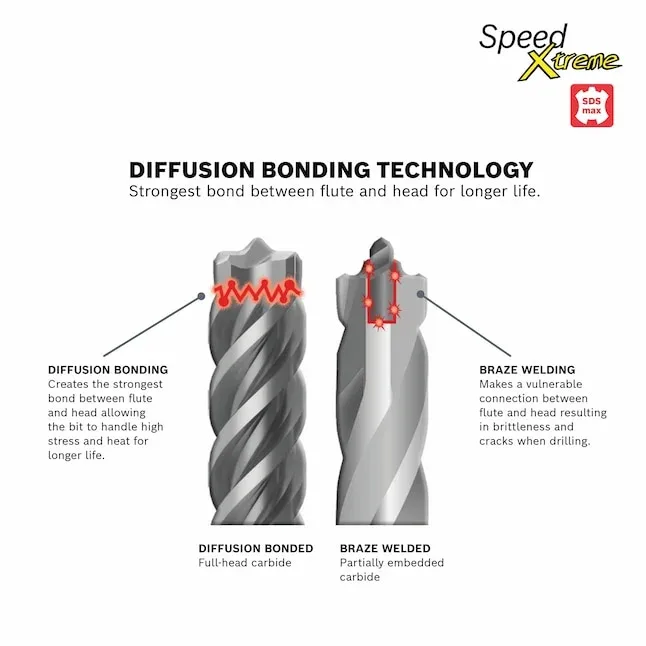
Tungsten carbide drill bits are extremely hard. They cut through hard materials like tile, metal, and concrete. These bits resist wear and break less often. Tungsten carbide bits keep their edge even after heavy use. They are ideal for industrial and heavy-duty work.
Titanium Coated Bits
Titanium coated bits have a thin layer of titanium on steel. The coating reduces friction and increases bit life. They drill faster and stay sharper longer than plain steel bits. Titanium bits work well on wood, plastic, and metal. They are a good choice for everyday drilling tasks.
Credit: www.lowes.com
Materials And Durability
Choosing the strongest drill bits depends largely on the materials used to make them. The durability of a drill bit affects how well it performs and how long it lasts. Different materials offer various levels of strength, resistance to heat, and ability to handle wear. Understanding these factors helps in selecting the right drill bit for tough jobs.
Hardness Comparison
Hardness measures how well a drill bit can resist scratches and dents. High-speed steel (HSS) bits are common but less hard. Cobalt drill bits add more hardness, making them better for tough metals. Carbide bits rank highest in hardness. They can drill through very hard materials without losing shape.
Heat Resistance
Heat builds up quickly during drilling. Bits that resist heat last longer and keep sharp edges. Titanium-coated bits handle heat better than plain steel. Cobalt bits resist heat even more. Carbide bits tolerate extreme heat, ideal for heavy-duty work. Heat resistance prevents the bit from softening and breaking.
Wear And Tear
Wear and tear reduce a drill bit’s life over time. Harder materials usually wear slower. Cobalt bits resist wear better than HSS. Carbide bits show the least wear, keeping their cutting edges sharp. Proper care and correct use help reduce wear. Durable bits save money by lasting through many jobs.
Best Drill Bits For Different Surfaces
Choosing the right drill bit improves your drilling results and tool life. Different surfaces require different drill bits to work efficiently. Using the strongest drill bit for each surface type makes drilling easier and cleaner. This section highlights the best drill bits for metal, wood, glass, and plastic.
Metal Drilling
Metal needs drill bits made of hard materials like cobalt or titanium. Cobalt drill bits resist heat and stay sharp longer. Titanium-coated bits reduce friction and last through tough jobs. High-speed steel (HSS) bits work well for softer metals. Use drill bits with a split point for precise starts on metal surfaces.
Wood Drilling
Wood requires sharp drill bits that create clean holes without splintering. Brad point bits are great for wood because they guide well and cut smoothly. Spade bits and auger bits remove wood chips quickly. For hardwood, choose bits with a strong tip to avoid burning the wood. Always match the drill bit size to your wood project.
Glass And Plastic Drilling
Glass and plastic are fragile and need special drill bits. Carbide-tipped or diamond-tipped bits work best for glass. These bits cut gently without cracking. For plastic, use bits with a point angle around 60 degrees. Slow drilling speed prevents melting or cracking. Always support the material well to avoid damage during drilling.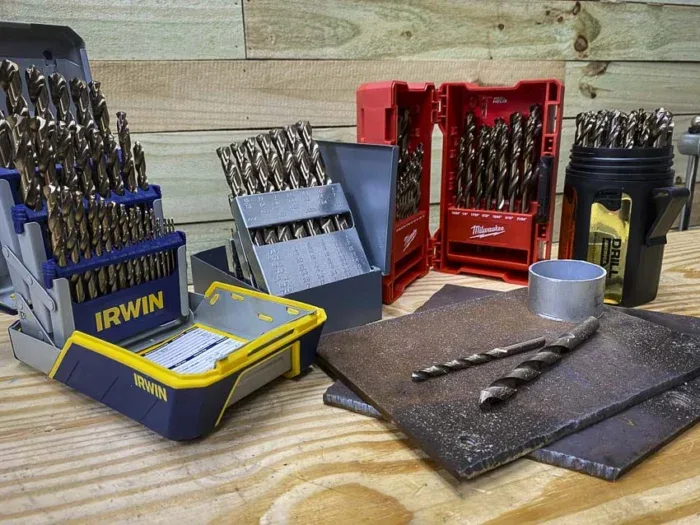
Credit: www.protoolreviews.com
Top Brands For Strong Drill Bits
Strong drill bits make your work easier and faster. Choosing the right brand ensures durability and precision. The top brands offer quality bits that last long and handle tough materials. Here are some leading brands known for strong drill bits.
Milwaukee Drill Bits
Milwaukee drill bits are built for tough jobs. They use high-quality steel and advanced coatings. Their Shockwave line resists wear and heat. These bits stay sharp longer and drill clean holes. Professionals trust Milwaukee for strength and reliability.
Dewalt Drill Bits
DeWalt drill bits stand out for their durability. They feature titanium or black oxide coatings. This reduces friction and extends bit life. DeWalt bits perform well on wood, metal, and plastic. They offer a good balance of strength and value.
Makita Drill Bits
Makita drill bits combine precision with toughness. Their cobalt and carbide options cut through hard materials. Makita designs bits for impact drivers and regular drills. The sharp tips improve accuracy and reduce slipping. These bits are a solid choice for heavy-duty work.
Choosing The Right Drill Bit
Choosing the right drill bit is key for strong and clean holes. Drill bits come in many sizes, shapes, and materials. Picking the correct one improves your drilling speed and tool life. It also prevents damage to the material you work on. Understanding these details makes your work easier and results better.
Bit Size And Shape
Bit size must match the hole you want to drill. Smaller bits create tiny holes, larger ones make big holes. Shape matters too. Twist bits are common and good for wood and metal. Spade bits suit wood and make wide holes fast. Masonry bits work best for concrete and stone. Choose the size and shape for your project type.
Shank Types
The shank is the part held by the drill. Round shanks fit standard chucks well. Hex shanks prevent slipping in the drill chuck. SDS shanks lock into hammer drills for strong grip. Shank type affects how firmly the bit stays. Pick the right shank to match your drill’s chuck style.
Compatibility With Drill
Not all bits fit all drills. Check your drill’s chuck size. Most drills take bits with 1/4 inch, 3/8 inch, or 1/2 inch shanks. Hammer drills need bits made for hammer action. Cordless drills often work with standard bits but check power limits. Using compatible bits improves safety and performance.
Maintenance For Longevity
Maintaining your drill bits properly extends their life and keeps them strong. Regular care prevents dullness, breakage, and poor performance. Simple habits make a big difference in how long drill bits last. Follow these tips to keep your tools sharp and ready for tough jobs.
Proper Storage
Store drill bits in a dry, clean place. Use a case or organizer to keep them separated. Avoid tossing bits together, which causes damage. Proper storage stops rust and keeps bits sharp longer.
Sharpening Tips
Sharpen drill bits regularly to maintain cutting power. Use a sharpening tool or a bench grinder with care. Follow the original angle of the bit for best results. Sharp bits cut cleaner and reduce effort.
Avoiding Overheating
Overheating wears out drill bits quickly. Use slow speed and steady pressure when drilling. Apply cutting oil or lubricant to keep bits cool. Take breaks to let bits cool down during long jobs.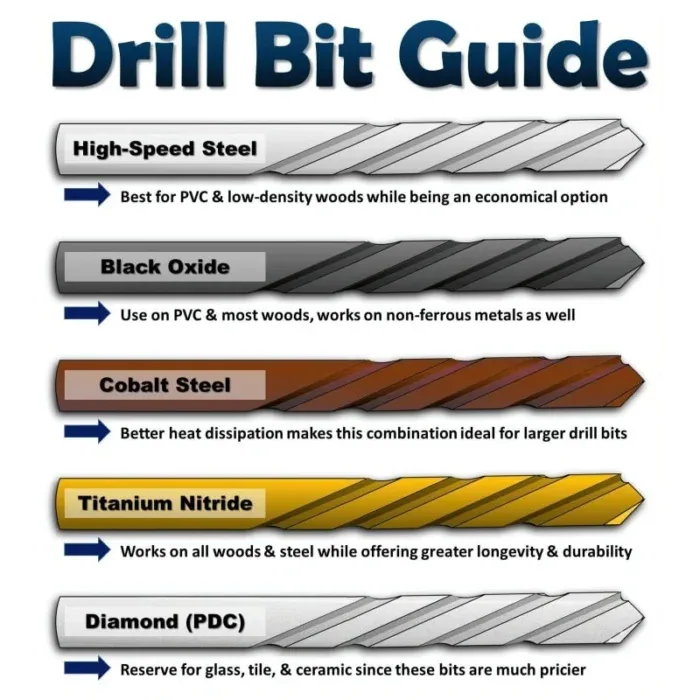
Credit: www.manxeon.com
Conclusion
Strong drill bits make any project easier and faster. Choose bits made from cobalt or carbide for best strength. Match the drill bit type to your material for longer life. Keep bits sharp and clean for better performance. Using the right drill bit saves time and effort.
Durable bits help you finish tasks without frequent replacements. Invest in quality bits to get strong, reliable results every time.
Frequently Asked Questions
Carbide is harder and more wear-resistant than cobalt. Cobalt offers better toughness and heat resistance. Carbide excels in hardness; cobalt excels in durability.
135-degree drill bits offer better precision and reduced walking on hard materials. 118-degree bits suit softer materials and general use. Choose 135-degree bits for metal and angled drilling, and 118-degree for wood and plastic.
Cobalt is generally stronger and harder than titanium, making it better for high-wear applications. Titanium offers superior corrosion resistance and lighter weight.
Titanium is stronger and more durable than black oxide. It resists corrosion and withstands high heat better. Black oxide offers moderate strength and corrosion resistance but is less durable than titanium. Choose titanium for tougher, long-lasting applications.
Strong drill bits are often made from cobalt, carbide, or titanium-coated steel.
Cobalt drill bits are best for drilling through hardened steel due to their toughness.
