
Last Updated: March 20, 2026
Are you wondering what a circular saw is really good for? Whether you’re tackling a home project or diving into woodworking, knowing how this powerful tool can make your work easier is key.
A circular saw isn’t just any saw—it’s designed to make quick, straight cuts through wood, plastic, metal, and more. Imagine being able to slice through large sheets of plywood or shape trim pieces with precision and speed. If you want to save time and get professional-looking results, understanding what a circular saw is used for will change how you approach your projects.
Keep reading, and you’ll discover why this tool could become your new best friend in the workshop.
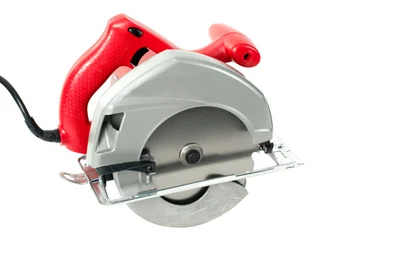
Credit: home.howstuffworks.com
Basic Cuts With A Circular Saw
A circular saw is a versatile power tool ideal for making different types of cuts. Understanding the basic cuts helps you use it effectively and safely. These basic cuts include straight crosscuts, rip cuts, and bevel or miter cuts. Each cut serves a specific purpose and suits different woodworking needs.
Straight Crosscuts
Straight crosscuts cut across the wood grain. They shorten the length of a board or piece of wood. This cut is perfect for trimming lumber to size. Use a steady hand and a guide for accuracy. The circular saw blade moves perpendicular to the grain. It creates clean, precise edges for better fitting pieces.
Rip Cuts Along The Grain
Rip cuts run along the wood grain. They split or narrow boards lengthwise. This cut helps when resizing wide planks or sheet goods. The blade moves parallel to the grain direction. Keep the wood steady and feed it slowly. Rip cuts require more control to avoid binding the blade.
Bevel And Miter Cuts
Bevel cuts angle the blade to cut wood at a slant. This is useful for joining pieces at angles. Miter cuts rotate the base of the saw to cut angled ends. Both cuts are common in trim work and framing. Adjust the saw’s bevel or miter settings to the desired angle. These cuts give a professional finish to your projects.
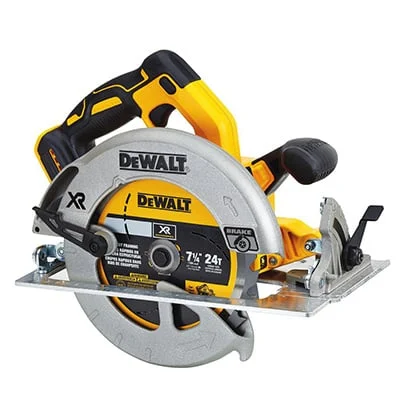
Credit: kitchencabinetkings.com
Materials You Can Cut
A circular saw is a versatile tool suitable for cutting many different materials. Knowing what materials you can cut helps you choose the right blade and technique. This ensures clean, accurate cuts and keeps the job safe. Below are common materials a circular saw can handle.
Wood And Sheet Goods
Wood is the most common material cut with a circular saw. It can easily cut softwood and hardwood boards. Sheet goods like plywood, MDF, and particleboard are also easy to cut. The saw provides smooth, straight cuts for framing, furniture, and cabinetry. Using a blade with more teeth improves cut quality on sheet goods.
Plastic And Metal
Plastic materials such as PVC pipes and acrylic sheets can be cut with a circular saw. Use a fine-tooth blade to avoid cracking or melting the plastic. Thin metal sheets and aluminum also work with the right blade. A carbide-tipped blade designed for metal helps maintain blade life and cut precision. Cutting metal requires slower speeds and steady pressure.
Concrete And Masonry
Circular saws can cut concrete board, brick, and masonry with a diamond-tipped blade. These blades are specially designed to handle hard, abrasive materials. Cuts are rougher but effective for construction tasks. Water is often used to cool the blade and reduce dust. This expands the saw’s use beyond wood and metal jobs.
Essential Diy Projects
Essential DIY projects often require precise and efficient cutting tools. A circular saw fits perfectly in this role. It handles many tasks around the home with ease. From crafting furniture to renovating spaces, this tool makes work faster and cleaner. Its versatility makes it a must-have for hobbyists and beginners alike.
Building Furniture
A circular saw cuts wood boards quickly for furniture pieces. It helps create straight edges for tables, shelves, and chairs. You can adjust the blade for angled cuts, perfect for unique designs. This tool reduces the need for complex hand tools and speeds up the building process. Accurate cuts improve the fit and finish of your furniture.
Home Renovations
Renovating rooms requires cutting materials like plywood and drywall. Circular saws handle these tasks with precision. They allow quick resizing of panels to fit walls or floors. The saw’s portability helps work in tight spaces or different rooms. Using it saves time and effort compared to manual cutting methods.
Crafting Trim And Molding
Trim and molding need clean, angled cuts for a polished look. Circular saws easily create bevel cuts for corners and joints. This ensures trims fit snugly and look professional. The tool’s adjustable depth prevents damage to delicate pieces. It is ideal for finishing touches in any home improvement project.
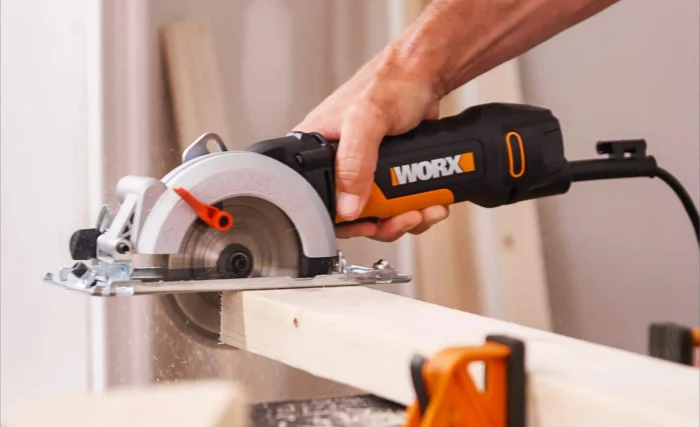
Credit: www.homedepot.com
Choosing The Right Blade
Choosing the right blade for your circular saw is key to getting clean and safe cuts. The blade affects how well the saw handles different materials. Using the correct blade type and size also improves the tool’s performance. It helps avoid damage to the material and the saw itself.
Knowing which blade fits your project saves time and effort. Each blade has a specific design for cutting wood, metal, or plastic. The number of teeth and the blade diameter affect the cut’s smoothness and speed. Picking the wrong blade can cause rough cuts or wear down the blade quickly.
Blade Types For Different Materials
Wood blades have fewer teeth and wider spacing to clear sawdust easily. They cut fast and smooth in soft and hard wood. Metal-cutting blades use fine teeth made from tougher materials. They cut thin metal sheets without bending or breaking the blade. Plastic blades have a special tooth design to prevent melting or chipping the material.
Some blades are designed for multi-material use but work best on specific types. Always check the blade label for the material it suits. Using the correct blade type keeps your cuts clean and your work safe.
Blade Size And Teeth Count
Blade size depends on the saw and the depth of cut needed. Common sizes range from 6-1/2 to 7-1/4 inches for handheld circular saws. Bigger blades cut thicker material but may be harder to control. Teeth count affects cut quality and speed. Fewer teeth mean faster, rougher cuts. More teeth give smoother, slower cuts.
For ripping wood, use blades with 24 to 40 teeth. For crosscutting, use blades with 60 to 80 teeth for cleaner edges. Blades with more teeth are ideal for finish work or cutting plywood. Match the blade size and teeth count to your project for best results.
Safety Tips For Circular Saw Use
Using a circular saw can make cutting tasks faster and easier. Safety must be a top priority to avoid accidents. Follow these safety tips to work confidently and protect yourself.
Proper Handling And Setup
Always check the saw before use. Make sure the blade is sharp and secure. Set the cutting depth to match the material thickness. Keep the saw base flat on the surface. Hold the saw firmly with both hands. Avoid loose clothing that might catch the blade. Clear the work area of debris and obstacles. Use clamps to secure the material and prevent movement. Stand to the side of the cutting line. Never force the saw; let it cut at its own speed.
Protective Gear Recommendations
Wear safety glasses to protect your eyes from dust and debris. Use ear protection to reduce noise exposure. Gloves help protect your hands but avoid bulky ones that reduce grip. A dust mask prevents inhaling fine particles. Wear sturdy shoes to protect your feet. Avoid jewelry or accessories that can get caught in the saw. Dress in long sleeves and pants to shield your skin. Always keep a first aid kit nearby for emergencies.
Maintaining Your Circular Saw
Maintaining your circular saw ensures it works safely and lasts longer. Regular care keeps the tool sharp and efficient. Simple steps help prevent problems and costly repairs.
Cleaning And Lubrication
After each use, clean sawdust and debris from the saw. Use a brush or compressed air to clear tight spots. Wipe the surface with a dry cloth to remove dust.
Lubricate moving parts lightly with machine oil. Avoid excess oil to prevent dust buildup. Keep the blade guard and adjustment levers moving smoothly. Clean and oil regularly to avoid rust and wear.
Blade Replacement And Storage
Replace the blade when it becomes dull or damaged. A sharp blade cuts better and is safer to use. Follow the manufacturer’s instructions to remove and install blades.
Store blades in a dry place to avoid rust. Use blade cases or hang them on a wall rack. Keep your circular saw in a clean, dry spot. Proper storage protects both the blade and the tool.
Frequently Asked Questions
What Is The Main Use Of Circular Saw?
A circular saw primarily makes fast, straight cuts in wood, plastic, and metal. It handles crosscuts, rip cuts, and bevel cuts efficiently.
Should A Beginner Use A Circular Saw?
Beginners can use a circular saw with proper safety and guidance. Start with simple cuts and practice control before complex tasks.
Can You Rip A 2×4 With A Circular Saw?
Yes, you can rip a 2×4 with a circular saw. Use a sharp blade and steady guide for straight, clean cuts.
Is It Worth Getting A Circular Saw?
A circular saw offers fast, precise cuts on wood, plastic, and metal. It suits DIY projects and professional use well.
What Materials Can A Circular Saw Cut?
A circular saw cuts wood, plastic, metal, and masonry with the right blade.
How Do You Make Straight Cuts With A Circular Saw?
Use a guide or straight edge to keep the saw steady for straight cuts.
Conclusion
A circular saw helps you cut materials fast and straight. It works well on wood, plastic, and metal with the right blade. Use it for cutting large sheets, trimming, and angled cuts. This tool suits many home and DIY projects.
Always follow safety rules when using it. A circular saw makes cutting easier and saves time. Try it for your next project and see the difference.
{ “@context”: “https://schema.org”, “@type”: “Article”, “headline”: “What is a Circular Saw Used for: Essential Projects Made Easy”, “description”: “What is a circular saw used for? It is a power tool designed for cutting wood, metal, and plastic with precision in various construction and DIY projects.”, “url”: “https://www.powertoolstoday.com/what-is-a-circular-saw-used-for/”, “datePublished”: “2025-11-14”, “dateModified”: “2026-03-18”, “author”: { “@type”: “Organization”, “name”: “Power Tools Today”, “url”: “https://www.powertoolstoday.com” }, “publisher”: { “@type”: “Organization”, “name”: “Power Tools Today”, “url”: “https://www.powertoolstoday.com” }, “mainEntityOfPage”: { “@type”: “WebPage”, “@id”: “https://www.powertoolstoday.com/what-is-a-circular-saw-used-for/” }, “image”: { “@type”: “ImageObject”, “url”: “https://www.powertoolstoday.com/wp-content/uploads/2025/11/What-is-a-Circular-Saw-Used-for-1024×576.webp” } }{ “@context”: “https://schema.org”, “@type”: “Article”, “headline”: “What is a Circular Saw Used for: Essential Projects Made Easy”, “description”: “What is a circular saw used for? It is a power tool designed for cutting wood, metal, and plastic with precision in various construction and DIY projects.”, “url”: “https://www.powertoolstoday.com/what-is-a-circular-saw-used-for/”, “datePublished”: “2025-11-14”, “dateModified”: “2026-03-19”, “author”: { “@type”: “Organization”, “name”: “Power Tools Today”, “url”: “https://www.powertoolstoday.com” }, “publisher”: { “@type”: “Organization”, “name”: “Power Tools Today”, “url”: “https://www.powertoolstoday.com” }, “mainEntityOfPage”: { “@type”: “WebPage”, “@id”: “https://www.powertoolstoday.com/what-is-a-circular-saw-used-for/” }, “image”: { “@type”: “ImageObject”, “url”: “https://www.powertoolstoday.com/wp-content/uploads/2025/11/What-is-a-Circular-Saw-Used-for-1024×576.webp” } }nn