
Last Updated: March 20, 2026
If you’ve ever tackled a home project that involves angled cuts—like installing crown molding or creating picture frames—you know how tricky it can be to get the angles just right. That’s where a compound miter saw comes in.
But what exactly is a compound miter saw, and how does it differ from a regular miter saw? Understanding this tool can save you time, improve your accuracy, and make your woodworking projects look professional. You’ll discover how a compound miter saw works, why it’s a must-have for precise angled and bevel cuts, and which type might be best for your needs.
Ready to take your cutting skills to the next level? Let’s dive in!

Credit: www.homedepot.com
Basics Of Compound Miter Saws
A compound miter saw is a powerful tool for cutting wood at precise angles. It combines two types of cuts: miter and bevel. This feature makes it very useful for woodworking and home projects.
Understanding the basics of a compound miter saw helps you use it safely and effectively. It also shows why this saw is popular among carpenters and DIY enthusiasts.
What Is A Compound Miter Saw?
A compound miter saw can pivot the blade horizontally and tilt it vertically. This means it cuts angles across and bevels on the edge of the wood. Basic miter saws only pivot the blade, so they cannot make bevel cuts.
How Does It Work?
The blade moves in two ways: side to side and up and down. You set the angle by adjusting the saw’s miter and bevel controls. This dual motion allows the saw to make compound cuts, which are both angled and beveled at the same time.
Single-bevel Vs. Double-bevel
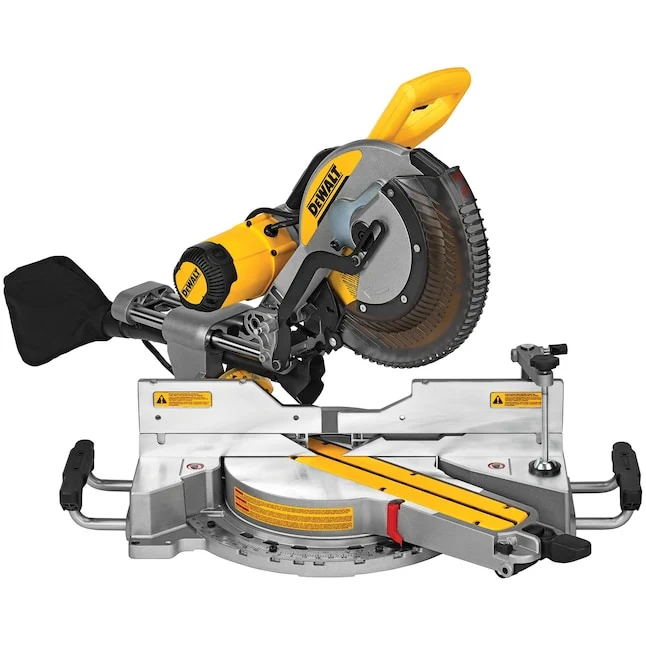
Single-bevel compound saws tilt in only one direction, usually to the left. Double-bevel saws tilt both left and right. Double-bevel models save time by not needing to flip the wood to cut bevels on both sides.
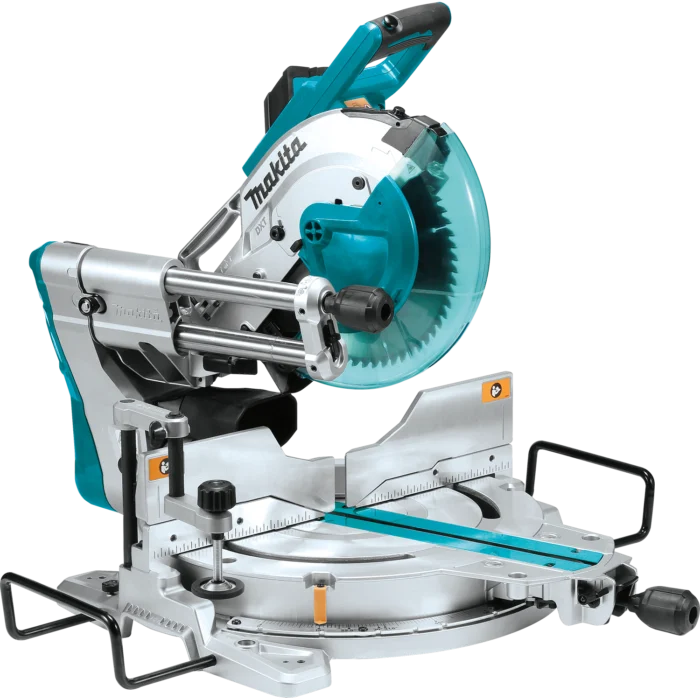
Sliding Compound Miter Saw
Some compound miter saws have a sliding feature. This lets the blade move forward and backward. It helps cut wider boards that standard models cannot handle. Sliding saws are great for larger projects.
Credit: www.makitatools.com
Types Of Compound Miter Saws
Compound miter saws come in several types, each designed for specific cutting needs. Understanding these types helps you pick the right saw for your project. This section covers the main types of compound miter saws and their key differences.
Single-bevel Vs Double-bevel
Single-bevel compound miter saws tilt the blade in one direction only. This design works well for many basic bevel and miter cuts. It is simpler and usually less expensive.
Double-bevel compound miter saws tilt the blade both left and right. This feature makes it easier to cut angles without flipping the workpiece. It saves time and increases accuracy, especially on complex jobs.
Sliding Compound Miter Saw
Sliding compound miter saws have a blade that moves forward and backward on rails. This sliding feature lets you cut wider boards than fixed saws can handle. Ideal for cutting large lumber or wide trim.
They combine the benefits of compound bevel and miter cuts with a wider cutting capacity. This type is perfect for diverse woodworking tasks and professional use.
Key Cutting Functions
A compound miter saw has key cutting functions that make it versatile. It can cut wood at different angles and positions. These functions help in various woodworking and home improvement projects. Understanding these cuts is important to use the saw correctly and safely.
The saw can make three main types of cuts: miter cuts, bevel cuts, and compound cuts. Each cut serves a different purpose and fits specific tasks. Knowing these cuts will improve your cutting accuracy and project quality.
Miter Cuts
Miter cuts are angled cuts made by pivoting the saw blade horizontally. This allows you to cut wood at an angle other than 90 degrees. These cuts are perfect for making corners in picture frames, door frames, and molding. The saw’s ability to adjust the angle helps create clean and precise joints.
Bevel Cuts
Bevel cuts tilt the saw blade vertically to create an angled cut on the thickness of the wood. This type of cut is useful for shaping edges and fitting pieces together at angles. A compound miter saw can tilt the blade to make bevel cuts, unlike a standard miter saw. Bevel cuts add depth and detail to woodworking projects.
Compound Cuts
Compound cuts combine both miter and bevel cuts at the same time. The saw blade pivots horizontally and tilts vertically to cut at two angles. These cuts are essential for complex trim work like crown molding and window casings. Compound cuts make it easier to join pieces with angled edges and smooth transitions.
Credit: www.lowes.com
Advantages Over Basic Miter Saws
A compound miter saw offers several clear advantages over a basic miter saw. It adds versatility and precision to your woodworking projects. This tool makes complex cuts easier and faster.
Unlike a basic miter saw that only pivots horizontally, a compound miter saw can also tilt vertically. This feature allows it to perform bevel cuts as well as miter cuts. The ability to combine these cuts is key for many advanced projects.
Enhanced Cutting Capabilities
A compound miter saw can make angled crosscuts and bevel cuts simultaneously. This is called a compound cut. It is essential for tasks like crown molding or trim work. Basic miter saws cannot perform these compound cuts, limiting their use.
Improved Accuracy And Precision
The blade tilting feature helps create precise bevel angles. This reduces the need for manual adjustments. Compound miter saws often include clear angle markings for quick setup. These details help ensure accurate cuts every time.
Time-saving Efficiency
One tool does the job of two with a compound miter saw. No need to switch tools or reset angles constantly. This speeds up the cutting process and increases productivity. It is especially helpful on larger or complex projects.
Greater Flexibility For Various Projects
Compound miter saws handle a wider range of materials and angles. They work well for framing, trim, molding, and furniture making. Basic miter saws are more limited to simple crosscuts and framing angles only.
Option For Double-bevel Cuts
Some compound miter saws tilt both left and right. This double-bevel feature allows cutting complex angles without flipping the workpiece. It makes cutting faster and reduces errors, unlike single-bevel or basic miter saws.
Common Applications
A compound miter saw is a versatile power tool. It cuts wood at precise angles and bevels. This makes it ideal for detailed and angled cuts. Its ability to combine miter and bevel cuts opens many possibilities. These features suit various woodworking and home improvement tasks. Below are some common uses of a compound miter saw.
Crown Molding
Crown molding requires precise angled cuts to fit corners perfectly. A compound miter saw can tilt and pivot the blade for these cuts. This helps in cutting both the inside and outside corners accurately. It saves time and reduces waste. The tool ensures clean, professional-looking joints for crown molding installation.
Window Casings
Window casings need neat and exact cuts around frames. The compound miter saw allows angled cuts to match the window edges. It helps create tight and smooth joints. This results in a polished finish for window trims. The saw makes it easier to shape different casing profiles.
Complex Trim Work
Trim work often involves multiple angles and bevels. A compound miter saw cuts complex shapes with ease. It handles baseboards, chair rails, and decorative trims. The tool’s precision supports detailed and layered designs. It gives woodworkers control over intricate patterns and joints.
Choosing The Right Saw
Choosing the right compound miter saw is key to completing your woodworking projects efficiently. The perfect saw fits your specific cutting tasks, budget, and workspace. Understanding these factors helps you pick the saw that matches your needs. Below are important points to consider before making your choice.
Cutting Needs
Identify the types of cuts you will make most often. A compound miter saw can cut angles and bevels simultaneously. This is useful for crown molding and trim work. Single bevel saws tilt in one direction only. Double bevel saws tilt both ways for complex cuts. Also, think about the size of wood you will cut regularly. This affects the saw type you need.
Blade Size
Blade size determines the width and depth of cuts. Common sizes are 7-1/4, 10, and 12 inches. Larger blades cut wider boards and thicker material. Smaller blades are lighter and easier to handle. Choose a blade size that fits your typical projects. Ensure the saw can handle the blade size you want.
Budget Considerations
Set a budget before shopping for a saw. Prices vary by brand, features, and blade size. Basic models cost less but may lack advanced features. Higher-end saws offer better precision and durability. Balance your budget with the features you need. Remember, investing in a quality saw saves money in the long run.
Frequently Asked Questions
What Is The Difference Between A Compound Miter Saw And A Miter Saw?
A miter saw pivots the blade horizontally for angled cuts. A compound miter saw also tilts the blade vertically for bevel cuts, allowing compound cuts.
What Are The Three Types Of Miter Saws?
The three types of miter saws are basic miter saw, compound miter saw, and sliding compound miter saw. Basic miter saws pivot horizontally for angled cuts. Compound miter saws tilt and pivot for bevel and miter cuts. Sliding compound miter saws also slide for wider cuts.
What Should You Never Cut With A Miter Saw?
Never cut metal, masonry, or frozen wood with a miter saw. Avoid cutting wet or live electrical wires. Do not cut materials thicker than the blade’s capacity. Avoid cutting materials that generate hazardous dust without proper protection. Always use the correct blade for the material.
What Are Compound Mitre Saws Used For?
Compound miter saws cut wood at precise angles by combining miter and bevel cuts. They excel in crown molding, trim, and complex woodworking projects.
What Is A Compound Miter Saw Used For?
A compound miter saw makes angled and bevel cuts for trim and molding projects.
How Does A Compound Miter Saw Differ From A Basic Miter Saw?
It can tilt the blade vertically and horizontally, allowing more complex cuts.
Conclusion
A compound miter saw offers versatile cutting options for woodworking. It cuts angles and bevels at the same time, unlike a basic miter saw. This tool suits projects like crown molding and window trim. Single or double bevel models handle complex cuts with ease.
Sliding versions allow cutting wider boards smoothly. Understanding these features helps you choose the right saw. This knowledge makes your woodworking tasks easier and more precise. A compound miter saw is a valuable tool for detailed work. It saves time and improves accuracy on angled cuts.
nn