
Last Updated: March 21, 2026
Have you ever stared at a tough wall or a stubborn piece of concrete and wondered how to get through it without breaking a sweat? That’s where a hammer drill becomes your best friend.
But what exactly is a hammer drill used for, and why might you want one in your toolbox? Whether you’re a DIY enthusiast or just tackling home repairs, understanding this powerful tool can save you time and effort. You’ll discover how a hammer drill works, when to use its special features, and why it might be the key to making your next project easier and faster.
Ready to unlock the full potential of your drilling tasks? Let’s dive in.
Credit: www.midlandtool.com
Hammer Drill Basics
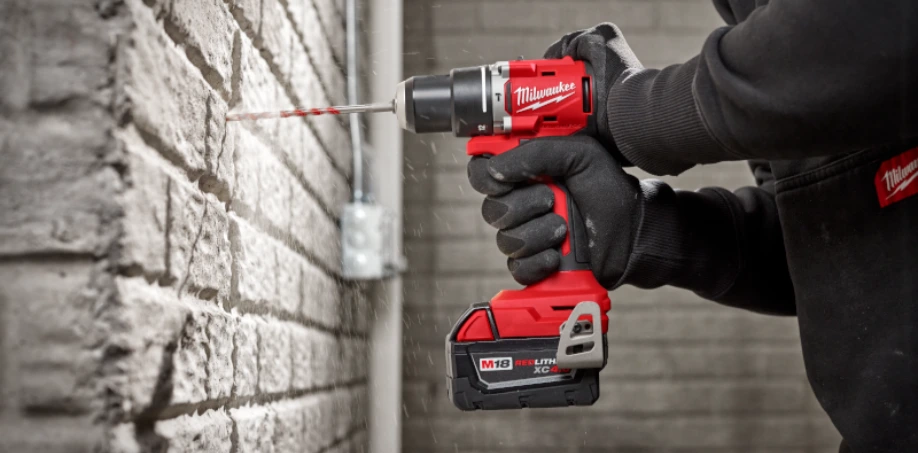
A hammer drill is a versatile power tool designed for tough drilling tasks. It combines rotary motion with a hammering action. This makes it ideal for drilling into hard surfaces like concrete and brick.
Understanding the basics helps you use this tool effectively and safely. The hammer drill has unique features that set it apart from regular drills.
What Is A Hammer Drill?
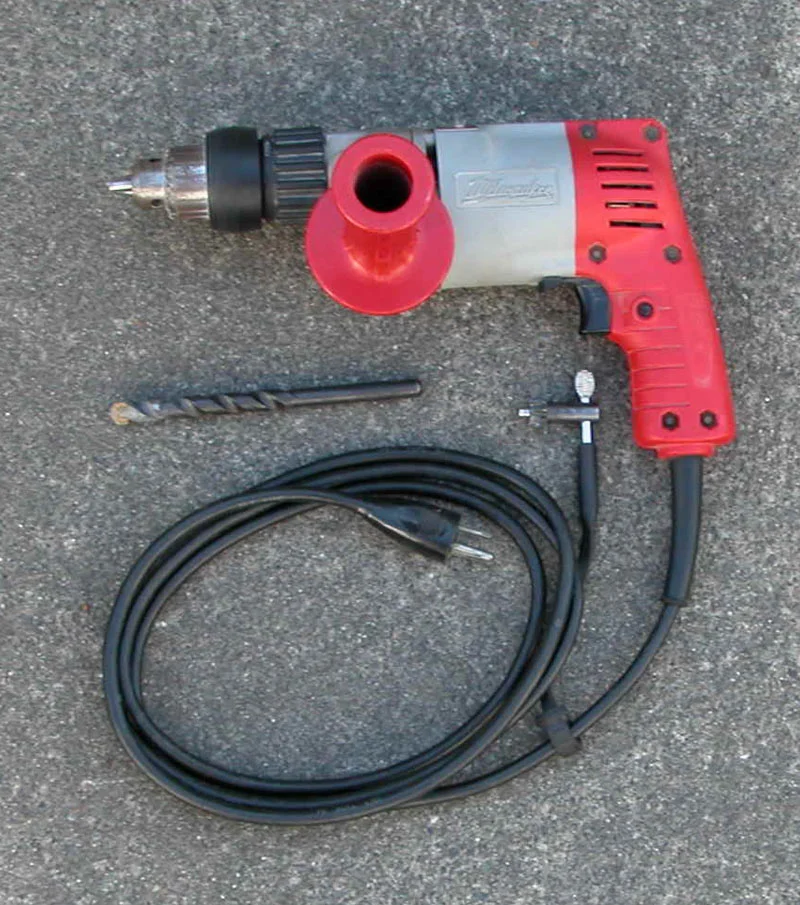
A hammer drill is a drill with a special hammering mechanism. It moves the drill bit forward and backward rapidly. This pounding action helps break up hard materials during drilling.
The tool also rotates the bit to create holes. You can switch off the hammer action to use it as a normal drill.
How Does A Hammer Drill Work?
The hammer drill works by combining two motions. The first is the drill’s normal spinning motion. The second is a rapid hammering motion.
This hammering action pushes the drill bit into hard surfaces. It helps the bit move through tough materials more easily.
Key Features Of A Hammer Drill
Most hammer drills have a switch to turn hammering on or off. They also include adjustable speed settings for different materials.
The tool is usually heavier than a standard drill. This extra weight helps with the hammering force.
When To Use A Hammer Drill
Use a hammer drill for hard surfaces like brick, stone, and concrete. It is not necessary for soft materials such as wood or plastic.
Switch to regular drill mode for tasks that do not require hammering. This versatility makes it useful for many projects.
Credit: en.wikipedia.org
Drilling Into Concrete And Masonry
Drilling into concrete and masonry requires a special type of drill that can handle tough surfaces. A hammer drill is designed for this very purpose. It combines rotary drilling with a hammering action that breaks up hard materials while drilling. This makes holes in concrete, brick, or stone much easier and faster.
Using a regular drill on concrete often leads to slow progress and damaged drill bits. Hammer drills use rapid, short hammering blows to chip away at the material. This reduces the effort needed and prevents overheating of the drill bit. The result is cleaner holes and less wear on the tool.
How Hammer Drills Work On Concrete
The hammer drill moves the drill bit forward with quick, pounding motions. This action helps the bit break small pieces of concrete as it spins. The combined movement lets the bit penetrate hard surfaces faster than a regular drill.
Inside the hammer drill, two ridged discs hit each other rapidly. This creates the hammering effect, pushing the bit into the concrete. It also reduces the strain on your hands by doing much of the hard work for you.
Choosing The Right Drill Bit For Masonry
Using the correct drill bit is key to drilling into concrete and masonry. Masonry bits have a special tip made of tungsten carbide. This material is very hard and can cut through stone and brick easily.
Always select bits that match the size of the hole you need. Using the right bit improves drilling speed and reduces damage to both the bit and the surface.
Tips For Effective Concrete Drilling
Start with a small pilot hole before drilling larger ones. This helps guide the bigger bit and prevents slipping. Use steady pressure, but do not force the drill. Let the hammer action do the work.
Keep the drill bit cool by occasionally pulling it out during drilling. This prevents overheating and bit dulling. Wearing safety goggles and a dust mask protects you from flying debris and dust.
Using Hammer Drills On Wood And Metal
Using hammer drills on wood and metal requires understanding their capabilities and limits. A hammer drill works like a regular drill when the hammer function is off. This allows it to drill holes in softer materials without damaging them.
Though heavier than standard drills, hammer drills can handle wood and metal tasks well. Choosing the right drill bit is important to get clean holes and avoid damage to the material or tool.
Using Hammer Drills On Wood
Hammer drills can drill into wood by switching off the hammer action. Using wood drill bits helps create smooth holes. Avoid using the hammer mode on wood. It can split or damage the wood surface. Keep the drill steady and apply even pressure. This prevents rough edges and keeps the hole clean.
Using Hammer Drills On Metal
Hammer drills work on metal only with the hammer mode off. Use metal drill bits made of high-speed steel or cobalt. Start drilling slowly to avoid overheating the bit. Apply cutting oil to reduce friction and extend bit life. Maintain steady pressure and avoid forcing the drill. This protects both the metal and the drill bit.
Credit: onevantool.com
Hammer Drill Vs Regular Drill
Choosing between a hammer drill and a regular drill depends on your project needs. Both tools look similar but serve different purposes. Understanding their differences helps pick the right drill for your work.
How A Regular Drill Works
A regular drill spins drill bits to bore holes in soft materials. It is perfect for wood, metal, and plastic. The drill rotates smoothly without any extra motion. This makes it ideal for everyday drilling tasks.
What Makes A Hammer Drill Different
A hammer drill combines rotation with a hammering action. It rapidly pounds the drill bit forward while spinning. This helps to drill into hard materials like brick and concrete. The hammer action can usually be turned off for normal drilling.
Key Differences In Use
Regular drills excel at light to medium drilling jobs. Hammer drills handle tough surfaces that regular drills struggle with. Hammer drills are heavier and often larger than regular drills. They are more versatile but less comfortable for long use.
When To Use Each Drill
Use a regular drill for wood, metal, and plastic projects. Choose a hammer drill for masonry, stone, or concrete. You can switch off the hammer mode to use it as a regular drill. This makes the hammer drill a flexible tool for many tasks.
Choosing The Right Drill Bits
Choosing the right drill bits is essential for effective hammer drill use. The drill bit must match the material you want to work on. Using the correct bit improves drilling speed and prevents damage to the tool or material.
Hammer drills are powerful and designed for tough materials. Different bits serve different purposes. Picking the right one helps you get clean holes and reduces wear on your drill.
Types Of Drill Bits For Hammer Drills
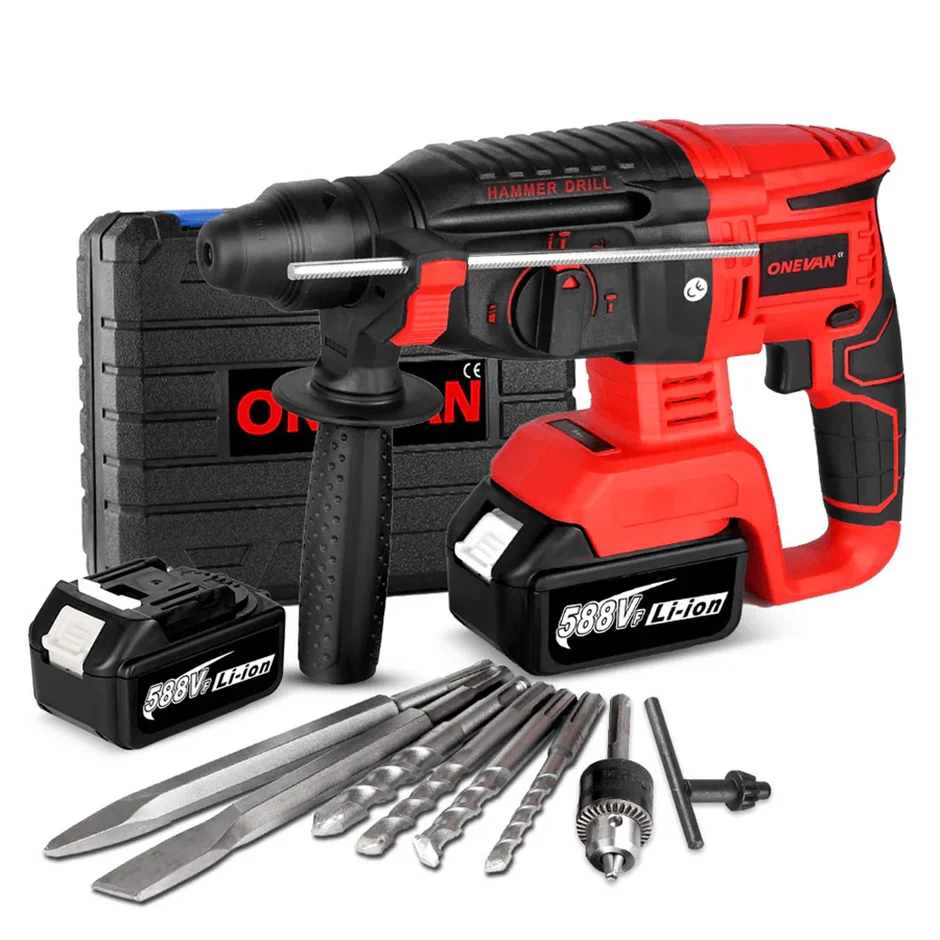
Masonry bits are the most common for hammer drills. They have a carbide tip to break through concrete, brick, and stone. Their shape allows the hammer action to chip away hard surfaces.
Steel or metal bits work well on softer materials like metal sheets. They do not have the special tip that masonry bits have.
Wood bits are sharp and designed to cut through wood fibers cleanly. They are not suitable for concrete or brick.
Material Compatibility
Match the drill bit to your project material. Masonry bits for concrete, brick, or stone. Metal bits for steel or aluminum. Wood bits for lumber or plywood.
Using the wrong bit can cause poor performance and damage. Masonry bits on wood can cause splintering. Wood bits on concrete will wear out quickly.
Size And Length Considerations
Choose the right size bit for your hole. The diameter must fit your anchor or screw. Too large or small affects stability and strength.
Length matters for deep holes. Longer bits reach deeper but may bend or break more easily. Shorter bits offer more control and durability.
Bit Quality And Durability
Invest in good quality bits for longer life. Carbide tips last longer on hard surfaces. Cheaper bits wear quickly and may break.
Check for bits with reinforced shanks or coatings. These features resist heat and wear during heavy use.
Benefits Of Hammer Drill Features
Hammer drills offer unique features that make tough jobs easier. These features improve efficiency and versatility on job sites and home projects.
Understanding the benefits helps users choose the right tool for their needs.
Powerful Hammering Action
The hammering function delivers quick, strong impacts. It breaks through hard materials like concrete and brick. This action speeds up drilling and reduces effort.
Dual Mode Functionality
Hammer drills switch between hammer and regular drill modes. Users can drill wood, metal, or plastic by turning off the hammer. This makes the tool versatile for many tasks.
Durable Build Quality
Hammer drills are built to last with strong motors and tough casings. They handle heavy-duty work without damage. This durability saves money on repairs and replacements.
Improved Control And Precision
Many hammer drills include adjustable speed and torque settings. This control allows precise drilling in different materials. It reduces mistakes and improves finished results.
Frequently Asked Questions
Can A Hammer Drill Be Used As A Regular Drill?
Yes, a hammer drill works as a regular drill by disabling the hammer mode. It drills wood, metal, and plastic efficiently. Note it is heavier and bulkier than a standard drill. Use it without hammer action for general drilling tasks.
Can You Use A Hammer Drill On Wood?
Yes, you can use a hammer drill on wood by turning off its hammer function. It works like a regular drill for wood.
Is There A Difference Between A Hammer Drill And A Normal Drill?
A hammer drill combines rotary drilling with a hammering action for tough materials. A normal drill only rotates. Hammer drills handle masonry; normal drills suit wood, metal, and plastic. You can turn off the hammer function to use it like a regular drill.
When To Use Hammer Drill Vs Impact Driver?
Use a hammer drill for drilling into hard materials like concrete or brick. Choose an impact driver for driving screws and bolts with high torque. Hammer drills combine rotation and hammering; impact drivers focus on rotational impact for fastening tasks.
What Materials Can A Hammer Drill Drill Through?
Hammer drills can drill through concrete, brick, stone, wood, and metal with ease.
How Does A Hammer Drill Differ From A Regular Drill?
A hammer drill adds a pounding action to the rotation, making it better for hard surfaces.
Conclusion
A hammer drill works best on hard materials like concrete and brick. It combines rotation with a hammering action to make drilling easier. You can switch off the hammer mode to drill wood, metal, or plastic. This tool saves time and effort on tough jobs.
Keep in mind, it is heavier than a regular drill. Choose a hammer drill if your work often involves masonry or concrete. It adds power and versatility to your toolbox. Simple and effective for many home and construction tasks.
Related reading: What Is a Rotary Hammer Drill Used For.
Related reading: How Does a Hammer Drill Work.
Related reading: How Does an Impact Driver Work.
{ “@context”: “https://schema.org”, “@type”: “Article”, “headline”: “What is a Hammer Drill Used for: Essential Uses and Benefits Explained”, “description”: “What is a hammer drill used for? It is a power tool designed to drill into hard materials like concrete by combining rotary drilling with a hammering action.”, “url”: “https://www.powertoolstoday.com/what-is-a-hammer-drill-used-for/”, “datePublished”: “2026-02-08”, “dateModified”: “2026-03-18”, “author”: { “@type”: “Organization”, “name”: “Power Tools Today”, “url”: “https://www.powertoolstoday.com” }, “publisher”: { “@type”: “Organization”, “name”: “Power Tools Today”, “url”: “https://www.powertoolstoday.com” }, “mainEntityOfPage”: { “@type”: “WebPage”, “@id”: “https://www.powertoolstoday.com/what-is-a-hammer-drill-used-for/” }, “image”: { “@type”: “ImageObject”, “url”: “https://www.powertoolstoday.com/wp-content/uploads/2025/11/what-is-a-hammer-drill-used-for.jpg” } }{ “@context”: “https://schema.org”, “@type”: “Article”, “headline”: “What is a Hammer Drill Used for: Essential Uses and Benefits Explained”, “description”: “What is a hammer drill used for? It is a power tool designed to drill into hard materials like concrete by combining rotary drilling with a hammering action.”, “url”: “https://www.powertoolstoday.com/what-is-a-hammer-drill-used-for/”, “datePublished”: “2026-02-08”, “dateModified”: “2026-03-19”, “author”: { “@type”: “Organization”, “name”: “Power Tools Today”, “url”: “https://www.powertoolstoday.com” }, “publisher”: { “@type”: “Organization”, “name”: “Power Tools Today”, “url”: “https://www.powertoolstoday.com” }, “mainEntityOfPage”: { “@type”: “WebPage”, “@id”: “https://www.powertoolstoday.com/what-is-a-hammer-drill-used-for/” }, “image”: { “@type”: “ImageObject”, “url”: “https://www.powertoolstoday.com/wp-content/uploads/2025/11/what-is-a-hammer-drill-used-for.jpg” } }nn