
Last Updated: March 20, 2026
If you’re tackling a home renovation, plumbing repair, or even some outdoor landscaping, you might wonder: what exactly is a reciprocating saw used for? This tool isn’t just any saw—it’s a powerhouse designed to make tough, rough cuts quickly and efficiently.
Whether you need to cut through wood, metal, pipes, or even prune thick branches, a reciprocating saw can be your go-to tool. You’ll discover how this versatile saw works, what tasks it excels at, and how choosing the right blade can make your job easier and safer.
Keep reading to unlock the full potential of this must-have tool for your next project!
Common Uses
A reciprocating saw is a useful tool for many different jobs. Its design allows it to cut through various materials quickly. The tool is popular for home improvement and professional projects. Understanding its common uses helps you get the most from this versatile saw. Here are some typical tasks where a reciprocating saw excels.
Demolition Tasks
Reciprocating saws are excellent for demolition work. They rip through old walls, studs, and window frames. The saw cuts nails and screws holding materials together. This speeds up tearing down unwanted structures safely and efficiently. It handles rough and uneven surfaces with ease.
Plumbing And Electrical Work
Plumbers and electricians use reciprocating saws often. The saw cuts pipes, wires, and ducts quickly. It also makes openings in walls or floors for new installations. This tool saves time compared to manual cutting methods. It fits well in tight spaces that other saws cannot reach.
Landscaping And Pruning
Landscapers use the saw to prune thick branches. It cuts through tough wood faster than hand saws. The saw also trims roots and shrubs in the garden. Using a pruning blade improves cutting performance. This tool makes yard work easier and less tiring.
Metal Cutting
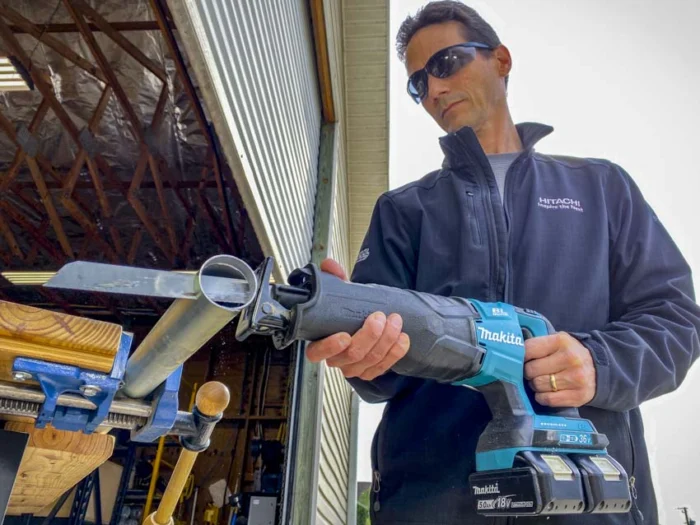
Metal cutting is another common use of reciprocating saws. They remove old nails and bolts from wood and metal. The saw cuts pipes and metal sheets with the right blade. It is valuable for repair and remodeling jobs involving metal parts. Choosing a metal-cutting blade ensures clean, safe cuts.
Drywall And Masonry
The saw cuts drywall for renovations or electrical wiring. It slices through plasterboard and cement board smoothly. Carbide-grit blades allow cutting into brick, grout, and other masonry materials. This expands the saw’s use beyond just wood and metal. It helps create openings for windows, doors, and fixtures.
Credit: www.protoolreviews.com
Blade Selection
Selecting the right blade for a reciprocating saw is crucial. The blade affects the quality and speed of your cut. Using the proper blade prevents damage to the tool and material. It also ensures safety during operation.
Material-specific Blades
Blades come designed for specific materials. Wood blades have larger, widely spaced teeth. They cut quickly through timber and soft materials. Metal blades have smaller, finer teeth for smooth cuts. They last longer when cutting steel or pipes. Masonry blades contain carbide grit to cut through bricks and cement. Using the correct blade type helps make clean, efficient cuts.
Teeth Per Inch Variations
Teeth per inch (TPI) affects cut speed and smoothness. Low TPI blades have fewer teeth and cut faster. They are best for rough cuts and thick materials. High TPI blades have many teeth and cut slower. They produce smooth, precise edges. Choose a blade with the right TPI for your project. This balance improves control and reduces blade wear.
Cutting Techniques
Cutting techniques with a reciprocating saw vary depending on the task. The tool excels in making quick, aggressive cuts. Choosing the right method improves control and safety. Understanding how to make plunge cuts and handle different cut types is essential. These techniques help achieve cleaner, more efficient results.
Making Plunge Cuts
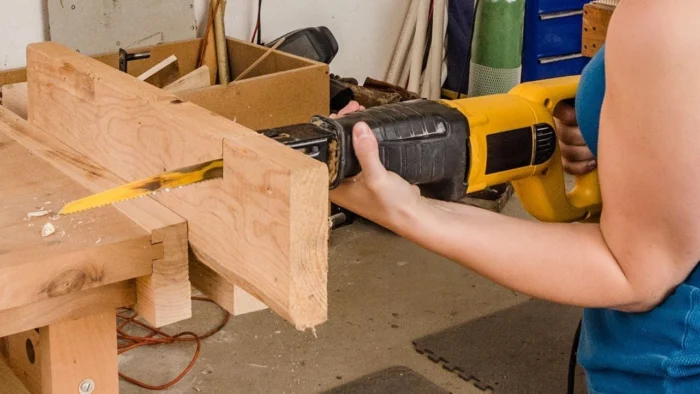
Plunge cuts start in the middle of the material. The blade moves forward to create an opening. This method allows cutting without drilling a pilot hole first. Hold the saw steady and start slowly. Increase speed once the blade is fully inside. Keep the shoe flat on the surface for stability. Plunge cuts are useful for creating openings in walls or floors.
Handling Rough Vs. Fine Cuts
Rough cuts remove material quickly but lack precision. Use blades with fewer teeth per inch for rough cuts. Fine cuts require smoother edges and more control. Blades with more teeth per inch provide cleaner cuts. Slow down the saw speed for fine cuts. Hold the saw firmly to avoid splintering. Choosing the right blade and speed helps match the cut quality to the job.
Credit: www.manomano.co.uk
Safety Tips
Safety is the top priority when using a reciprocating saw. This tool cuts fast and can cause serious injuries. Following safety tips helps protect you and others around. Understanding how to handle the saw and wear the right gear makes a big difference.
Proper Handling And Grip
Hold the saw firmly with both hands. Keep a steady grip to control the blade. Always keep your hands away from the cutting area. Do not force the saw; let the blade do the work. Keep the workpiece secured before cutting. Maintain a balanced stance to avoid slips. Turn off the saw before changing blades or moving it. Never leave the saw running unattended.
Protective Gear Essentials
Wear safety glasses to protect your eyes from flying debris. Use ear protection to reduce noise damage. Gloves help protect your hands from cuts and vibration. Wear a dust mask if cutting creates dust or particles. Use sturdy footwear to protect your feet from falling objects. Avoid loose clothing that might catch in the saw. Always inspect your gear before starting work.
Maintenance And Care
Proper maintenance and care keep your reciprocating saw working well and safe. Regular upkeep prevents damage and extends tool life. Simple steps like changing blades and cleaning the tool make a big difference. Follow these tips to keep your saw in top shape.
Blade Replacement
Blades wear out quickly during heavy use. Dull blades reduce cutting power and can cause accidents. Change blades often to maintain clean, fast cuts. Use the right blade type for your material. Always unplug the saw before replacing the blade. Secure the new blade tightly to avoid wobbling. Check blade condition before every job for best results.
Tool Cleaning
Keep your saw free from dust and debris. Clean the blade clamp and moving parts regularly. Use a dry cloth or soft brush to remove sawdust. Avoid water or harsh chemicals that can damage parts. Lubricate the blade clamp and pivot points with light oil. Proper cleaning prevents rust and ensures smooth operation. Store the saw in a dry place after use.
Credit: www.youtube.com
Limitations To Avoid
A reciprocating saw is a strong and versatile tool, but it has limits. Knowing when not to use it helps avoid damage and unsafe situations. The saw excels at rough cuts but struggles with tasks needing precision or smooth finishes. Understanding these limits improves your work and tool life.
When Not To Use A Reciprocating Saw
Avoid using a reciprocating saw for fine woodworking or detailed cuts. The blade moves back and forth quickly, causing rough edges. It can splinter wood or damage delicate materials. Also, do not use it on thin metal sheets that can bend or warp easily. The saw’s aggressive action may cause loss of control near electrical wires or plumbing pipes. For small, accurate cuts, this tool is not the best choice.
Alternatives For Precision Work
For precise and clean cuts, use a jigsaw or a handsaw instead. A jigsaw offers better control and smoother edges on curves or shapes. A handsaw works well for straight, accurate cuts in wood. A circular saw can provide clean, straight cuts faster than a reciprocating saw. For metal, a hacksaw or metal-cutting bandsaw ensures better accuracy. Choosing the right tool improves safety and the quality of your work.
Frequently Asked Questions
What Is The Main Use Of Reciprocating Saw?
A reciprocating saw mainly cuts through wood, metal, and pipes for demolition, remodeling, plumbing, and landscaping tasks. It excels in rough, aggressive cutting where precision is less critical.
What Should You Not Do With A Reciprocating Saw?
Do not use a reciprocating saw without the correct blade type for your material. Avoid forcing the saw or cutting precision work. Never operate it with one hand or without safety gear like glasses and gloves. Avoid cutting live wires or nails hidden in materials.
When Should You Use A Reciprocating Saw?
Use a reciprocating saw for demolition, cutting wood, metal, pipes, and pruning thick branches. It excels in rough, aggressive cuts during remodeling, plumbing, and landscaping tasks. Select the right blade for each material to ensure efficiency and safety.
Can I Use A Reciprocating Saw To Cut Wood?
Yes, you can use a reciprocating saw to cut wood. Use a wood-specific blade for clean, effective cuts. This tool suits rough, fast cuts in demolition and remodeling projects. Always wear safety gear and hold the saw firmly to control vibration and ensure safety.
What Is The Main Use Of A Reciprocating Saw?
A reciprocating saw is mainly used for demolition and cutting wood, metal, and pipes quickly.
Can A Reciprocating Saw Cut Metal Pipes Safely?
Yes, with the right metal-cutting blade, it cuts pipes safely and efficiently.
Conclusion
A reciprocating saw cuts through many materials quickly and easily. It works well for demolition, plumbing, and landscaping tasks. Using the right blade helps you get cleaner cuts. Always handle the saw carefully for safety. This tool saves time and effort on tough jobs.
Whether cutting wood, metal, or drywall, it performs well. Keep practicing to improve your control and accuracy. A reciprocating saw is a useful tool in any toolbox.
{ “@context”: “https://schema.org”, “@type”: “Article”, “headline”: “What is a Reciprocating Saw Used for: Ultimate Guide & Tips”, “description”: “A reciprocating saw is a power tool used for cutting various materials like wood, metal, and plastic with a push-and-pull blade motion.”, “url”: “https://www.powertoolstoday.com/what-is-a-reciprocating-saw-used-for/”, “datePublished”: “2025-11-14”, “dateModified”: “2026-03-18”, “author”: { “@type”: “Organization”, “name”: “Power Tools Today”, “url”: “https://www.powertoolstoday.com” }, “publisher”: { “@type”: “Organization”, “name”: “Power Tools Today”, “url”: “https://www.powertoolstoday.com” }, “mainEntityOfPage”: { “@type”: “WebPage”, “@id”: “https://www.powertoolstoday.com/what-is-a-reciprocating-saw-used-for/” }, “image”: { “@type”: “ImageObject”, “url”: “https://www.powertoolstoday.com/wp-content/uploads/2025/11/What-is-a-Reciprocating-Saw-Used-for-1-1024×576.webp” } }{ “@context”: “https://schema.org”, “@type”: “Article”, “headline”: “What is a Reciprocating Saw Used for: Ultimate Guide & Tips”, “description”: “A reciprocating saw is a power tool used for cutting various materials like wood, metal, and plastic with a push-and-pull blade motion.”, “url”: “https://www.powertoolstoday.com/what-is-a-reciprocating-saw-used-for/”, “datePublished”: “2025-11-14”, “dateModified”: “2026-03-19”, “author”: { “@type”: “Organization”, “name”: “Power Tools Today”, “url”: “https://www.powertoolstoday.com” }, “publisher”: { “@type”: “Organization”, “name”: “Power Tools Today”, “url”: “https://www.powertoolstoday.com” }, “mainEntityOfPage”: { “@type”: “WebPage”, “@id”: “https://www.powertoolstoday.com/what-is-a-reciprocating-saw-used-for/” }, “image”: { “@type”: “ImageObject”, “url”: “https://www.powertoolstoday.com/wp-content/uploads/2025/11/What-is-a-Reciprocating-Saw-Used-for-1-1024×576.webp” } }nn