
Last Updated: March 21, 2026
Are you tired of struggling with tough drilling jobs that just won’t budge? Whether you’re working on concrete, brick, or stone, a regular drill might not be enough to get the job done efficiently.
That’s where a rotary hammer drill comes in. But what exactly is a rotary hammer drill used for, and how can it make your projects easier? You’ll discover the key tasks this powerful tool handles effortlessly, why it’s different from other drills, and how it can save you time and effort on your next big project.
Keep reading to learn how you can take your drilling skills to the next level with the right tool in your hands.
Credit: onevantool.com
Rotary Hammer Basics
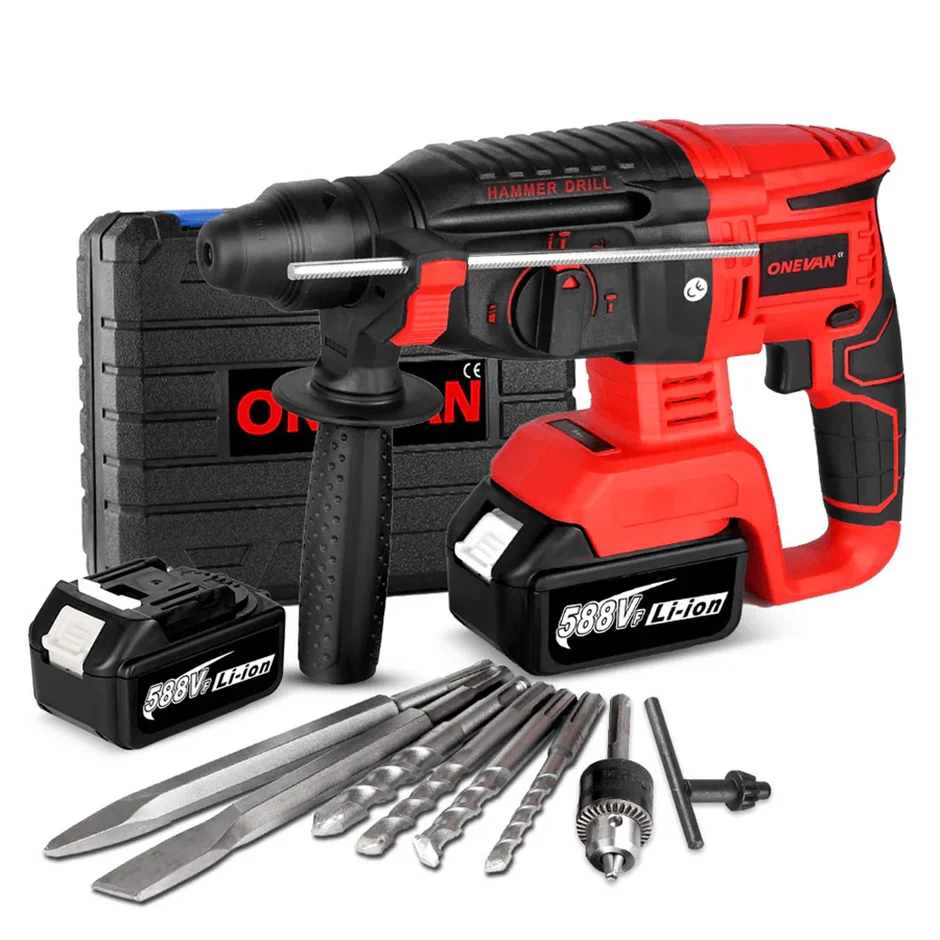
A rotary hammer drill is a strong power tool. It drills into hard surfaces like concrete and stone. It also chips away materials with ease. This tool is different from regular drills.
Rotary hammers use a special hammering action. This action moves the drill bit in and out fast. It helps break tough materials quickly. The tool saves time and effort during heavy jobs.
How Rotary Hammers Work
Rotary hammers combine rotation and hammering. The drill bit spins while pounding the surface. This dual action drills holes faster than normal drills. Inside, a piston strikes to create the hammer force. This makes drilling into concrete much easier.
Key Features Of Rotary Hammers
Rotary hammers have unique parts. They use an SDS chuck system to hold bits tightly. This system lets users change bits quickly. The tool also has variable speed controls. Users can adjust speed for different tasks.
Differences Between Rotary Hammer And Hammer Drill
A hammer drill uses a clutch for pounding. It is good for light masonry like bricks. A rotary hammer uses a piston for stronger hits. It works better on heavy concrete and stone. Rotary hammers need less pressure from the user.
Credit: ronixtools.com
Drilling Concrete And Masonry
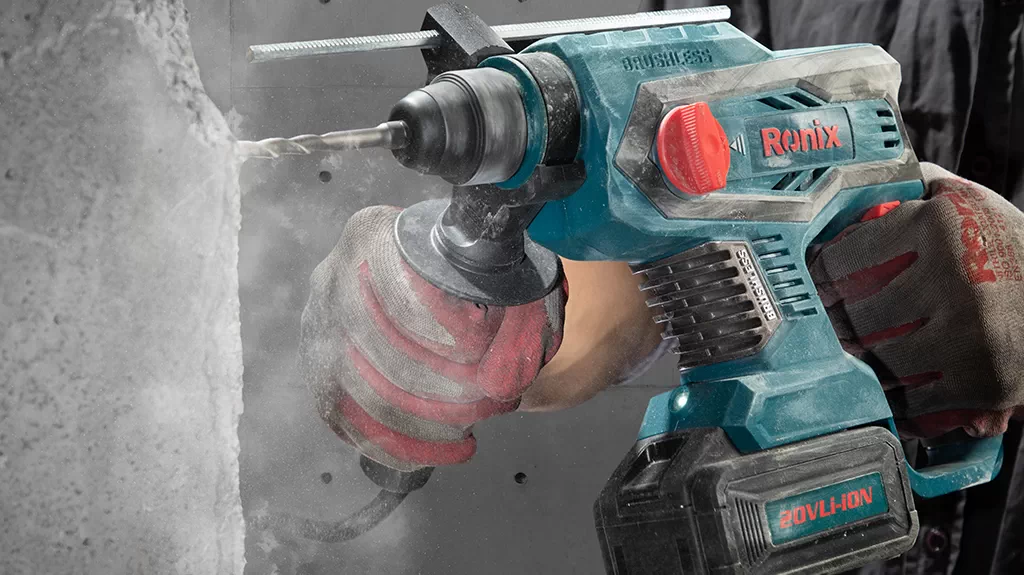
Drilling concrete and masonry requires power and precision. A rotary hammer drill delivers both. This tool makes tough jobs easier and faster. It combines rotation with a strong hammering action to break hard surfaces. This helps create clean, accurate holes in concrete walls, floors, and bricks.
Rotary hammer drills use a piston mechanism that drives the bit in and out rapidly. This action breaks up the material while the bit spins. It reduces the effort needed from the user. These drills are ideal for heavy-duty construction and renovation tasks.
Why Choose A Rotary Hammer For Concrete Drilling?
Rotary hammer drills provide more power than standard drills. They drill through concrete and masonry with less chance of bit damage. The hammering action reduces drill bit wear and heat build-up. This ensures longer bit life and better drilling performance.
Types Of Bits For Drilling Masonry
Using the right drill bit is key for effective drilling. SDS bits are designed specifically for rotary hammer drills. They fit securely in the chuck and handle the hammering force well. Carbide-tipped bits last longer and cut through tough materials easily.
Applications In Construction And Renovation
Rotary hammer drills are used for installing anchors, bolts, and rebar in concrete. They help create holes for plumbing and electrical conduits. The tool also works well for fixing tiles and breaking up concrete surfaces during repairs.
Chiseling And Demolition Tasks
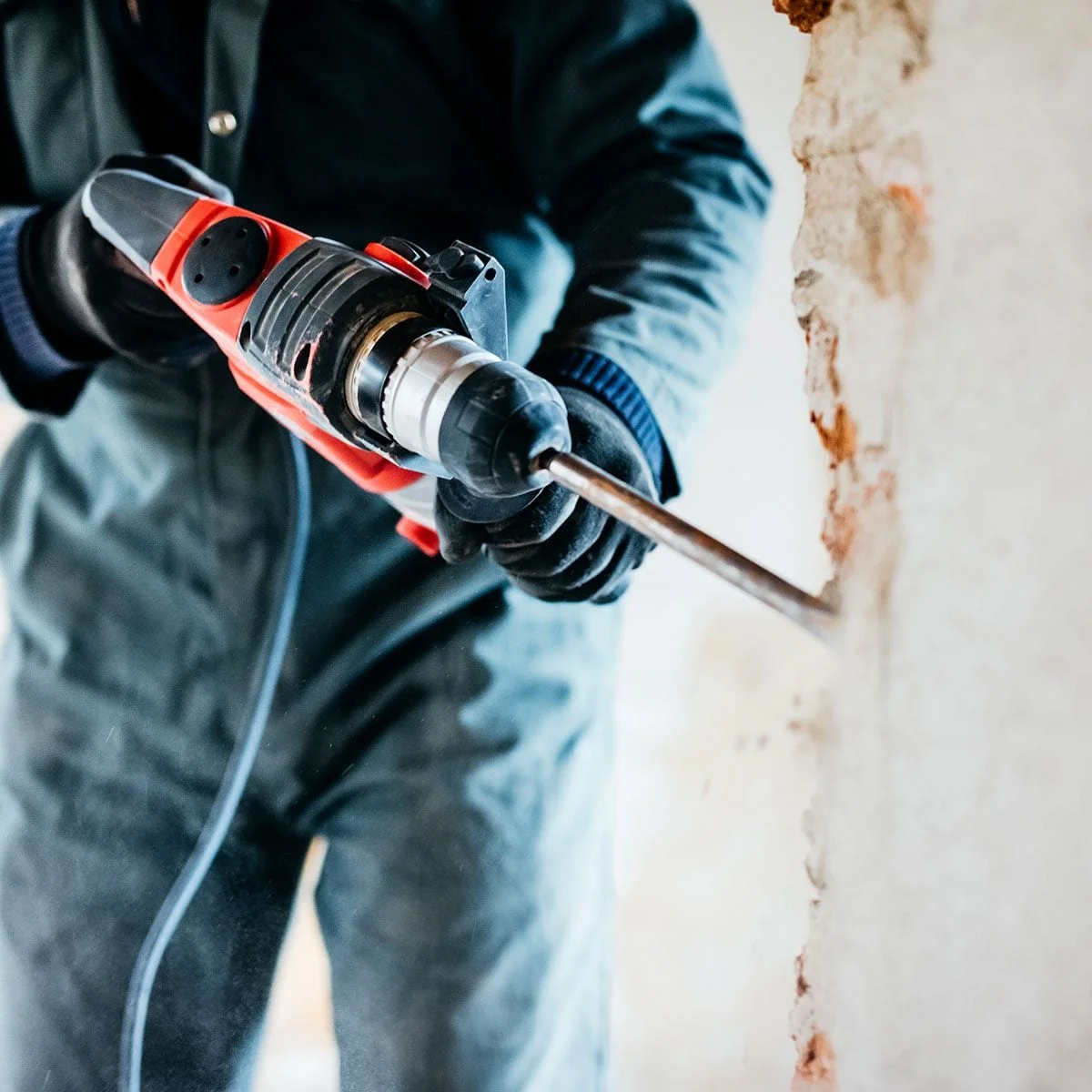
Rotary hammer drills excel at chiseling and demolition tasks. Their strong impact force breaks tough materials quickly. This makes them ideal for removing concrete, tiles, and bricks.
These tools combine rotary motion with powerful hammering. The hammering action chips away hard surfaces with less effort. Users save time and reduce fatigue during heavy work.
Breaking Concrete And Masonry
Rotary hammers break concrete walls and floors efficiently. The tool’s piston-driven hammer force cracks and chips tough surfaces. It removes concrete chunks faster than regular drills.
Removing Tiles And Mortar
Rotary hammers strip tiles cleanly from floors and walls. The chisel attachment loosens old mortar between bricks or stones. This speeds up renovation and repair projects.
Shaping And Carving Hard Materials
These drills carve shapes in concrete or stone for plumbing or electrical work. The precise hammer action allows detailed chiseling. This helps create openings or channels in solid walls.
Demolition Of Small Structures
Rotary hammers handle light demolition of brick or block walls. They tear down small sections quickly without heavy machines. This is perfect for remodeling or partial demolition jobs.
Differences From Hammer Drills
The differences between rotary hammer drills and hammer drills are important for choosing the right tool. Both tools combine rotation and hammering to drill into hard materials. Rotary hammer drills have a stronger impact and can handle tougher jobs. Hammer drills work well for lighter tasks. Understanding these differences helps in using the correct drill for each project.
Mechanism Of Action
Hammer drills use a clutch with ridged discs. This creates a back-and-forth pounding motion. It helps drill through brick and mortar. Rotary hammer drills use an electro-pneumatic piston. This system delivers a powerful, direct hammering force. It breaks concrete faster and easier. Users apply less pressure with rotary hammers.
Power And Performance
Rotary hammer drills have higher impact energy. They are designed for heavy-duty jobs like drilling concrete and stone. Hammer drills have lower impact power. They suit light masonry and wood drilling. Rotary hammers work faster and with less effort. Hammer drills are better for small home repairs.
Chuck System
Rotary hammer drills use an SDS chuck system. This allows quick and secure bit changes. It holds bits firmly during intense work. Hammer drills use a standard keyed or keyless chuck. These chucks fit regular drill bits. SDS chucks improve stability and reduce bit slippage.
Size And Weight
Rotary hammer drills are larger and heavier. They need more space and strength to operate. Hammer drills are lighter and easier to carry. This makes them good for overhead or tight spaces. The size difference reflects their different uses and power.
Choosing The Right Bits
Selecting the correct bits is key to using a rotary hammer drill well. The right bit matches the material and job type. It improves efficiency and prevents damage to the tool or work surface.
Bits come in various shapes and sizes. Each type is designed for specific tasks like drilling, chiseling, or breaking. Using the proper bit saves time and effort while ensuring a clean result.
Drill Bits For Concrete And Masonry
These bits have strong tips made of carbide. They are designed to drill through hard materials like concrete, brick, and stone. Their fluted design helps remove dust and debris from the hole.
Choose SDS-plus or SDS-max shanks based on your drill model. SDS bits fit securely in the rotary hammer chuck for better power transfer and less slipping.
Chiseling And Demolition Bits
Chisel bits come in flat, pointed, or wide shapes. They help break or chip away concrete, tiles, and mortar. Use flat chisels for removing tiles and pointed chisels for creating holes or channels.
These bits work with the hammering action to make demolition easier. Select the size and shape to match the specific task for best results.
Wood And Metal Bits
Rotary hammer drills can also drill wood and metal, but with the right bits. Use standard twist bits or spade bits for wood. Choose high-speed steel or cobalt bits for metal drilling.
These bits do not use the hammering action. Turn off hammer mode to avoid damaging the bit or material.
Credit: www.familyhandyman.com
Safety Tips For Operation
Operating a rotary hammer drill requires care and attention. Safety ensures the job finishes without injury or damage. Follow these tips to stay protected during use.
Wear Proper Protective Gear
Always wear safety goggles to protect your eyes from flying debris. Use earplugs or earmuffs to reduce noise exposure. Gloves help improve grip and protect your hands from vibrations. Wear a dust mask if working in dusty environments.
Check The Tool Before Use
Inspect the drill for any damage or loose parts. Ensure the power cord is intact and free from cuts. Make sure the drill bit is securely attached. Use only sharp and undamaged bits designed for rotary hammer drills.
Use Both Hands For Control
Hold the drill with both hands to maintain control. One hand on the main handle, the other on the auxiliary handle. This grip reduces the risk of slipping or losing control during operation.
Secure The Workpiece
Clamp or fasten the material firmly before drilling. This prevents movement and ensures accurate drilling. Never hold the material by hand while operating the drill.
Start Slowly And Increase Speed
Begin drilling at a low speed to create a guide hole. Increase speed gradually as the bit penetrates the surface. This method helps avoid bit slippage and tool kickback.
Keep The Drill Perpendicular
Hold the drill straight and perpendicular to the surface. Angled drilling can cause bit breakage or tool damage. Proper alignment improves drilling accuracy and safety.
Maintain A Clean Work Area
Clear the workspace of obstacles and debris. A tidy area reduces tripping hazards. Ensure good lighting to see the work clearly.
Unplug When Changing Bits
Always disconnect the drill from power before changing bits. This prevents accidental startups and injuries. Follow the manufacturer’s instructions for bit replacement.
Frequently Asked Questions
What Can You Do With A Rotary Hammer Drill?
A rotary hammer drill drills and chisels hard materials like concrete and masonry. It delivers powerful hammering with less effort, ideal for heavy-duty tasks.
What Is The Difference Between A Hammer Drill And A Rotary Hammer Drill?
A hammer drill uses a clutch for light pounding, ideal for brick and mortar. A rotary hammer uses a piston for stronger, direct hammering, perfect for heavy concrete drilling with less user effort.
What Is The Difference Between An Impact Drill And A Rotary Hammer Drill?
An impact drill uses a clutch for light masonry drilling with a forward-back hammering motion. A rotary hammer drill uses an electro-pneumatic piston for powerful, direct hammering, ideal for heavy concrete drilling and requires less user pressure.
Can A Rotary Hammer Drill Be Used As A Regular Drill?
Yes, a rotary hammer drill can work as a regular drill by turning off the hammer function. It drills like a standard drill but is heavier and bulkier. Use it for wood, metal, or plastic drilling when precision and lighter weight are not critical.
What Materials Can A Rotary Hammer Drill Handle?
Rotary hammer drills can easily drill into concrete, brick, stone, and other hard materials.
How Is A Rotary Hammer Different From A Hammer Drill?
Rotary hammers use a piston system for stronger hammering, ideal for heavy concrete drilling.
Conclusion
A rotary hammer drill handles tough jobs like drilling concrete. It combines rotation with strong hammering for faster results. This tool saves time and effort on hard materials. Its design reduces user fatigue during heavy work. Perfect for construction, remodeling, and DIY projects.
Knowing its uses helps pick the right tool for your needs. Choose a rotary hammer drill for power and efficiency. It makes hard drilling tasks easier and quicker. A smart addition to any tool collection.
nn
Related Articles
- Hammer Drill Vs Impact Driver: Ultimate Guide to Choose Right Tool
- Electric Screwdriver Vs Drill: Ultimate Guide to Choose Right Tool
- How Does an Impact Driver Work: Ultimate Guide to Power and Precision
- What is a Rotary Hammer Used for: Ultimate Guide to Powerful Drilling
nn
