
Last Updated: March 20, 2026
Are you tired of struggling to cut wide boards with your current saw? A sliding miter saw might be exactly what you need to make your woodworking projects easier and more precise.
Unlike standard miter saws, sliding miter saws have a unique sliding feature that lets you cut wider materials without hassle. If you want to know how this tool can save you time, reduce effort, and improve your cuts, keep reading.
By the end of this article, you’ll understand what a sliding miter saw is, how it works, and why it could be the perfect addition to your toolbox.

Credit: www.makitatools.com
Sliding Miter Saw Basics
A sliding miter saw is a special type of miter saw. It allows you to cut wider pieces of wood easily. This saw has a sliding feature that helps extend the blade forward and backward. This movement makes it simple to handle larger boards.
Sliding miter saws combine the benefits of a miter saw with extra reach. They are popular among woodworkers and DIY enthusiasts. Understanding the basics of this tool helps you choose the right saw for your projects.
What Is A Sliding Miter Saw?
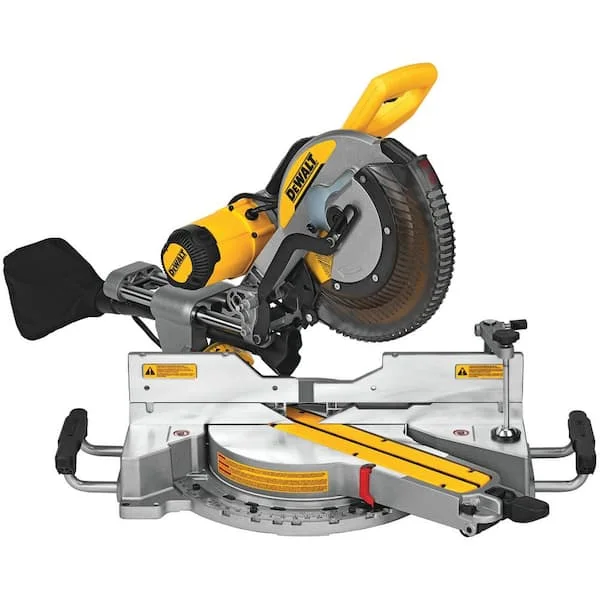
A sliding miter saw has a blade mounted on rails. These rails let the blade slide forward and backward. This sliding action increases the cutting capacity. It can cut wider boards than a regular miter saw. The saw can make precise angled cuts and crosscuts easily.
Key Features Of A Sliding Miter Saw
The sliding mechanism is the main feature. It allows the saw blade to move horizontally. This helps cut wider materials without moving the board. The saw also tilts and rotates for miter and bevel cuts. Many models come with laser guides for accuracy. The blade size usually ranges from 10 to 12 inches.
Benefits Of Using A Sliding Miter Saw
It offers greater cutting capacity than fixed miter saws. The sliding rail makes it easy to cut wide boards in one pass. This reduces the risk of mistakes and saves time. It is ideal for cutting lumber, molding, and trim. The saw is versatile for many woodworking tasks.
Drawbacks Of Sliding Miter Saws
Sliding miter saws are larger and heavier than fixed saws. They need more space behind the saw for sliding action. The price is usually higher due to added features. They may be less portable for job sites. Despite this, their cutting ability often outweighs these downsides.
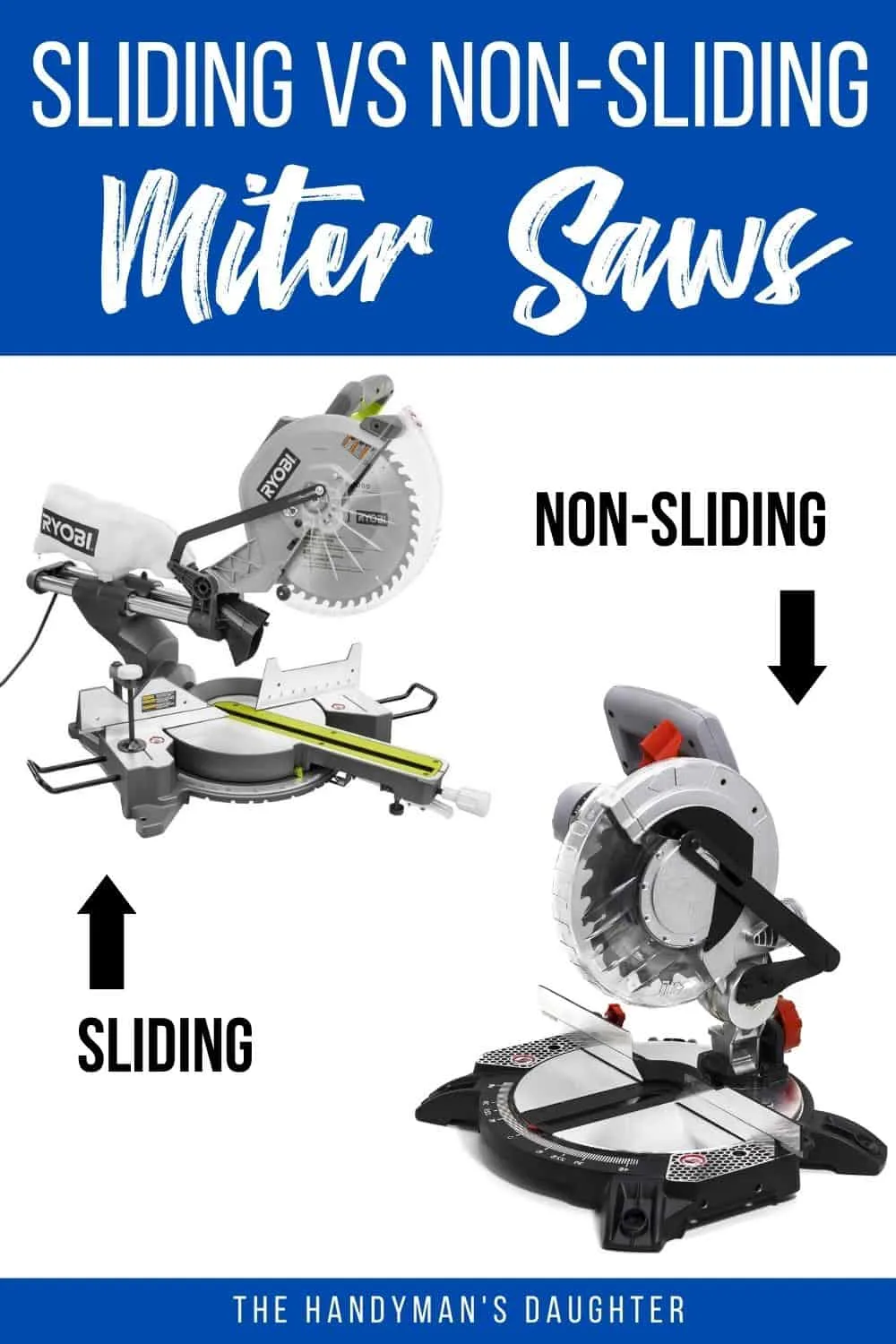
Credit: www.thehandymansdaughter.com
Sliding Vs Fixed Miter Saws
Choosing between a sliding and fixed miter saw depends on the tasks you want to complete. Both saws serve to make precise angled cuts. Understanding their differences helps pick the right tool for your needs.
What Is A Sliding Miter Saw?
A sliding miter saw has a blade mounted on rails. The blade moves forward and backward, allowing it to cut wider boards. This sliding feature increases the saw’s cutting capacity beyond the fixed saw’s limits.
What Is A Fixed Miter Saw?
A fixed miter saw has a blade fixed in one position. It only pivots left or right to make angled cuts. It cannot slide forward or backward, limiting the width of material it can cut.
Cutting Capacity And Versatility
Sliding miter saws can handle wider boards easily. They slide the blade across the material, making full cuts on large pieces. Fixed miter saws work best on narrower boards. They are less versatile for cutting wide materials.
Size, Weight, And Space
Sliding miter saws are bigger and heavier. They need extra space behind the saw for the sliding mechanism. Fixed miter saws are smaller and lighter. They fit well in tight workspaces.
Price And Budget
Sliding miter saws usually cost more. The sliding feature adds to their price. Fixed miter saws are more affordable. They are a good choice for basic cutting tasks.
Best Uses For Each Saw
Use a sliding miter saw for wide boards and complex cuts. It suits woodworking projects needing more cutting capacity. Fixed miter saws work well for simple trim and molding jobs. They are ideal for small to medium materials.
Key Features Of Sliding Miter Saws
The key features of sliding miter saws make them a popular choice for many woodworking projects. These saws offer more flexibility and precision compared to standard miter saws. Their design allows users to handle wider materials easily. Understanding these features helps in choosing the right tool for your needs.
Sliding Mechanism
The blade is attached to rails that slide forward and backward. This allows cutting wide boards without moving the wood. The sliding action reduces pressure on the blade and motor. It makes cuts smoother and extends the tool’s life.
Adjustable Miter And Bevel Angles
Sliding miter saws can tilt and rotate to cut angles. You can set the blade to cut bevels and miter cuts. This feature is useful for making frames and angled joints. It adds versatility to the saw’s function.
Powerful Motor
These saws usually have strong motors to handle thick wood. The motor power supports fast and clean cuts. It helps cut hardwood and dense materials with ease. A powerful motor ensures efficiency and durability.
Large Cutting Capacity
The sliding feature increases the saw’s cutting width. It can cut wider boards than fixed miter saws. This is essential for projects with large pieces of wood. The larger capacity saves time and effort.
Safety Features
Most sliding miter saws include safety guards and locks. These protect users from accidental contact with the blade. Some models have electric brakes to stop the blade quickly. Safety features reduce the risk of injuries.
Advantages Of Sliding Miter Saws
Sliding miter saws offer several benefits that make them a popular choice for woodworking. Their design allows for greater flexibility and efficiency in cutting tasks. This saw type is ideal for projects involving wider materials. The advantages below highlight why many prefer sliding miter saws over fixed models.
Increased Cutting Capacity
The sliding feature lets the blade move forward and back on rails. This movement helps cut wider boards easily. Users can work with large pieces without buying additional tools. This is a big plus for carpenters and hobbyists alike.
Improved Accuracy
Sliding miter saws provide precise angle cuts and bevels. The stable sliding action reduces errors in measurements. This accuracy helps create better joints and cleaner finishes. It saves time by reducing the need for re-cuts.
Versatile Cutting Options
These saws handle various cuts such as crosscuts, miter cuts, and bevel cuts. The sliding feature adds depth to cut thicker pieces of wood. This versatility suits many woodworking projects and materials. It can replace several tools in a workshop.
Ease Of Use
The sliding mechanism requires less force to push the blade through wood. This makes cutting smoother and reduces fatigue. Beginners find sliding miter saws easier to control. The design supports safer operation during complex cuts.
Durability And Longevity
Cutting wider pieces without strain protects the blade and motor. Sliding miter saws often last longer due to less wear and tear. Investing in one can save money on tool replacements. Consistent performance is a key advantage for professionals.
Drawbacks And Limitations
Sliding miter saws offer great versatility for cutting wide boards. Still, they have some drawbacks and limitations you should know. These affect usability, cost, and workspace needs.
Size And Weight
Sliding miter saws are bigger and heavier than fixed miter saws. This makes them harder to move and store. They need a sturdy, stable surface for safe use.
Space Requirements
The sliding mechanism requires extra space behind the saw. You need enough room to pull the blade forward fully. Small workshops may find this challenging.
Higher Cost
Sliding miter saws usually cost more than basic models. The sliding feature adds complexity and parts. This higher price can be a barrier for beginners.
Maintenance And Durability
More moving parts mean more maintenance. Rails and sliding components must stay clean and lubricated. Dust buildup can affect smooth sliding and accuracy.
Cutting Precision
Sliding miter saws may lose some accuracy over time. The sliding rails can wear or loosen. Regular calibration is needed to keep precise cuts.
Credit: www.homedepot.com
Choosing The Right Miter Saw
Choosing the right miter saw is key for any woodworking project. The right tool saves time and effort. It also improves accuracy and safety. This section helps you pick the best miter saw for your needs.
Types Of Miter Saws
There are three main types: standard, compound, and sliding compound. Standard miter saws cut only at angles. Compound miter saws tilt to cut bevels. Sliding compound saws add a sliding arm for wider cuts.
Consider Cutting Capacity
Think about the size of materials you will cut. Sliding miter saws handle wider boards than fixed ones. If you cut large wood pieces, choose sliding. Smaller projects may only need a standard saw.
Power And Motor
Look at the motor size and power. Higher power means smoother cuts and less strain. For heavy use, choose a saw with strong motor. Light tasks can use a less powerful model.
Portability And Space
Sliding miter saws are larger and heavier. They need more space for sliding action. If your workspace is small, consider a compact saw. Portable models are easier to move and store.
Budget And Price
Prices vary widely. Sliding miter saws usually cost more. Set a budget before shopping. Focus on features you really need. Avoid paying extra for functions you won’t use.
Frequently Asked Questions
What’s The Difference Between A Miter Saw And A Sliding Miter Saw?
A sliding miter saw features rails to slide the blade forward, cutting wider boards easily. A standard miter saw pivots the blade without sliding, limiting cut width but is more compact and affordable.
What Is The Difference Between A Chop Saw And A Miter Saw?
A chop saw cuts straight and is mainly for metal or hard materials. A miter saw pivots to make angled cuts, ideal for wood trim and framing.
What Is The Difference Between A Miter Saw And A Bevel Saw?
A miter saw cuts angled crosscuts by pivoting the blade. A bevel saw tilts the blade for angled cuts through thickness.
What Is The Benefit Of A Sliding Compound Miter Saw?
A sliding compound miter saw cuts wider boards with ease by sliding the blade forward. It reduces blade strain and motor wear. This tool offers precise angled cuts on large materials, enhancing versatility. It suits woodworking projects requiring larger cutting capacity and smoother operation.
What Is A Sliding Miter Saw Used For?
A sliding miter saw cuts wide boards by sliding the blade forward and back.
How Does A Sliding Miter Saw Differ From A Standard One?
It has rails for sliding, allowing cuts on wider materials than standard saws.
Conclusion
A sliding miter saw offers more cutting width than a standard saw. It moves forward and back, making wider cuts easier. This tool suits projects with large boards or wider materials. Though bigger and heavier, it saves effort during cuts.
Space is needed behind the saw for sliding action. Choose based on your workspace and cutting needs. Understanding its features helps pick the right saw. This knowledge supports better woodworking results and safer use.
{ “@context”: “https://schema.org”, “@type”: “Article”, “headline”: “What is a Sliding Miter Saw: Ultimate Guide for Precision Cuts”, “description”: “A sliding miter saw is a power tool that combines angled cutting with a sliding blade to make precise crosscuts and bevels on wood and other materials.”, “url”: “https://www.powertoolstoday.com/what-is-a-sliding-miter-saw/”, “datePublished”: “2025-11-17”, “dateModified”: “2026-03-18”, “author”: { “@type”: “Organization”, “name”: “Power Tools Today”, “url”: “https://www.powertoolstoday.com” }, “publisher”: { “@type”: “Organization”, “name”: “Power Tools Today”, “url”: “https://www.powertoolstoday.com” }, “mainEntityOfPage”: { “@type”: “WebPage”, “@id”: “https://www.powertoolstoday.com/what-is-a-sliding-miter-saw/” }, “image”: { “@type”: “ImageObject”, “url”: “https://www.powertoolstoday.com/wp-content/uploads/2025/11/What-is-a-Sliding-Miter-Saw-1024×576.webp” } }{ “@context”: “https://schema.org”, “@type”: “Article”, “headline”: “What is a Sliding Miter Saw: Ultimate Guide for Precision Cuts”, “description”: “A sliding miter saw is a power tool that combines angled cutting with a sliding blade to make precise crosscuts and bevels on wood and other materials.”, “url”: “https://www.powertoolstoday.com/what-is-a-sliding-miter-saw/”, “datePublished”: “2025-11-17”, “dateModified”: “2026-03-19”, “author”: { “@type”: “Organization”, “name”: “Power Tools Today”, “url”: “https://www.powertoolstoday.com” }, “publisher”: { “@type”: “Organization”, “name”: “Power Tools Today”, “url”: “https://www.powertoolstoday.com” }, “mainEntityOfPage”: { “@type”: “WebPage”, “@id”: “https://www.powertoolstoday.com/what-is-a-sliding-miter-saw/” }, “image”: { “@type”: “ImageObject”, “url”: “https://www.powertoolstoday.com/wp-content/uploads/2025/11/What-is-a-Sliding-Miter-Saw-1024×576.webp” } }nn