
Last Updated: March 20, 2026
When you’re working with a table saw, knowing the rip capacity can make all the difference in how smoothly your projects go. But what exactly is rip capacity, and why should it matter to you?
Simply put, rip capacity is the maximum width of wood you can cut between the saw blade and the fence. It determines how big a piece you can handle without repositioning or struggling to make clean, straight cuts. If you want to get the most out of your table saw and avoid frustrating limitations, understanding rip capacity is key.
Keep reading, and you’ll discover how this simple measurement impacts your work and how to choose the right saw for your needs.
Credit: www.youtube.com
Rip Capacity Basics
Understanding rip capacity on a table saw helps you choose the right tool for your woodworking projects. Rip capacity is a key feature that affects the size of wood pieces you can cut safely and accurately. Knowing the basics lets you work with confidence and precision.
This section covers what rip capacity means and how it is measured. Clear knowledge of these points helps you make better decisions when buying or using a table saw.
What Rip Capacity Means
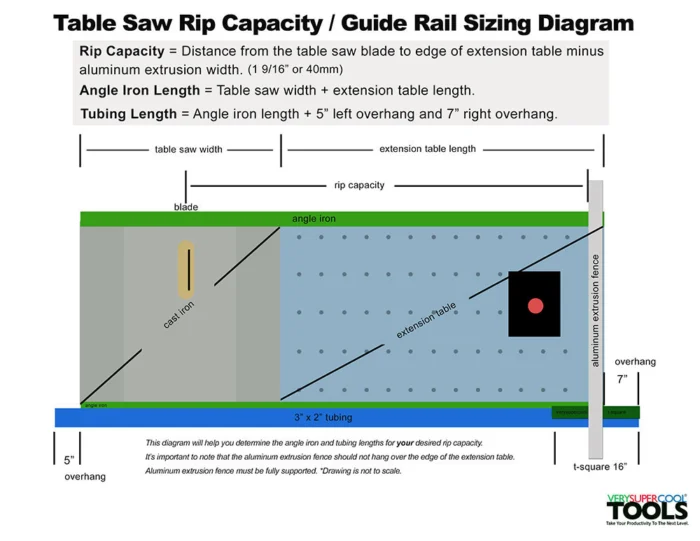
Rip capacity is the maximum width of wood a table saw can cut along the grain. It shows how far the rip fence can move from the blade. The wider the rip capacity, the larger the wood piece you can cut without repositioning it.
This capacity affects your ability to cut wide boards or large panels. Small rip capacity limits your work to narrow pieces. A larger rip capacity allows for greater flexibility in your projects.
How Rip Capacity Is Measured
Rip capacity is measured by the distance from the saw blade to the farthest position of the rip fence. This distance shows the widest cut possible without moving the wood multiple times. It is usually stated in inches.
Manufacturers provide this number to help users understand the cutting range. Knowing this measurement helps you pick a saw that fits your project needs.
Credit: landmarktools.com
Importance Of Rip Capacity
Rip capacity on a table saw shows the widest cut you can make next to the blade. It helps in cutting large wood pieces accurately. Knowing this capacity ensures your saw fits the size of projects you want to do.
Rip capacity is a key feature of a table saw. It defines the widest cut you can make along the wood grain. This limit affects what size material you can work with. A larger rip capacity lets you cut wider boards or sheets in one pass.
Choosing a saw with the right rip capacity helps avoid extra cuts. It saves time and effort. Also, it improves the accuracy and safety of your cuts. Knowing the importance of rip capacity guides your saw choice and project planning.
Impact On Woodworking Projects
Rip capacity directly influences the size of your woodworking projects. If the capacity is too small, you must cut large panels multiple times. This adds extra steps and risks misalignment. A larger rip capacity supports bigger cuts and smoother workflow.
For furniture or cabinetry, wide boards are common. The right rip capacity ensures clean, straight cuts on these pieces. It also reduces the need for additional tools or jigs to handle large wood. This makes your work easier and more precise.
Choosing The Right Rip Capacity
Select a rip capacity based on your typical project size. Measure the widest wood pieces you plan to cut. Add some margin for flexibility in future projects. Most home table saws offer rip capacities between 18 and 30 inches.
Consider your workshop space too. Larger rip capacity often means a bigger saw. Balance size, capacity, and budget to find the best fit. A well-chosen rip capacity improves your cutting ability and project results.
Standard Rip Capacities
Rip capacity on a table saw defines the widest piece of wood you can cut using the fence. It is the distance between the saw blade and the farthest point the rip fence can move. Standard rip capacities vary among table saws, affecting the size and type of wood you can cut. Choosing the right rip capacity depends on your woodworking needs and the projects you plan to undertake.
Common Sizes Available
Table saw rip capacities often range from 18 inches to 30 inches. The most common sizes include 18, 20, 24, and 30 inches. Smaller saws usually offer 18 to 20 inches of rip capacity. Contractor and cabinet saws typically provide 24 inches or more. Larger rip capacities allow cutting wider boards or sheet goods like plywood.
Typical Use Cases For Each Size
An 18-inch rip capacity suits hobbyists and light woodworking tasks. It handles small boards and trim pieces well. A 20 to 24-inch capacity fits most DIY projects and furniture making. These sizes cut wider boards and standard sheet goods comfortably. A 30-inch or larger rip capacity works best for professionals and large projects. It allows full ripping of 4×8-foot plywood sheets without repositioning.
Credit: vsctools.com
Extending Rip Capacity
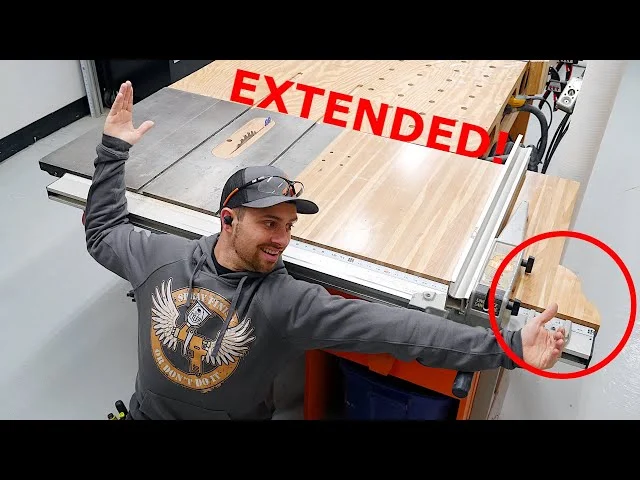
Extending the rip capacity of a table saw allows you to cut wider pieces of wood safely and accurately. Increasing this capacity means you can handle larger projects without needing special tools. There are simple ways to adjust your saw and add accessories to get more rip space. These options help support bigger wood pieces and improve cutting control.
Fence Adjustments
The rip fence controls how far the wood stays from the blade. Adjusting the fence position can increase the cutting width. Some fences slide smoothly along rails, letting you set wider distances. Check if your fence locks firmly at the new position for safety. A well-aligned fence keeps cuts straight and clean. Regularly inspect and maintain the fence for best results.
Add-ons And Extensions
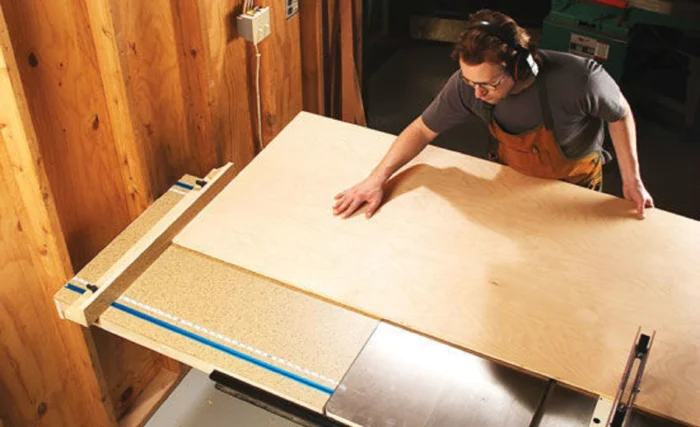
Many table saws can use extensions to boost rip capacity. These include wing extensions that attach to the saw table. Extensions give extra support to wide boards during cuts. You can also find aftermarket fence systems with longer travel ranges. Some setups include roller stands to help move large wood pieces. These add-ons improve stability and safety when cutting big materials.
Rip Capacity Vs. Motor Power
Rip capacity and motor power are two key factors in choosing a table saw. Rip capacity tells you how wide a piece of wood you can cut. Motor power shows how strong the saw is. Both affect how well the saw performs on different jobs.
How They Affect Performance
Rip capacity limits the maximum width of your cut. A larger rip capacity lets you cut wider boards or sheets easily. A small rip capacity restricts your work to narrow pieces. Motor power affects the saw’s ability to cut through thick or hard wood. A powerful motor keeps the blade moving smoothly without slowing down. A weaker motor may struggle and slow the cut.
Balancing Both Features
Choosing a saw with a large rip capacity but weak motor may cause slow or rough cuts. A strong motor with small rip capacity limits the size of materials you can cut. The best saws offer a good balance between rip capacity and motor power. This ensures you can cut wide pieces smoothly and handle tough wood without problems. Match these features to the type of work you plan to do most.
Top Table Saws By Rip Capacity
Choosing a table saw with the right rip capacity is key for many woodworking projects. Rip capacity tells you the widest board the saw can cut alongside the blade. Higher rip capacity means you can cut larger pieces of wood without repositioning them. This section highlights some of the top table saws based on their rip capacity. It helps you find the right fit for your needs and workspace.
Models With Largest Rip Capacity
Some table saws offer rip capacities of 30 inches or more. These models allow cutting wide sheets like plywood or large boards easily. They often come with heavy-duty fences for stability and precise cuts. Brands like SawStop, Powermatic, and Delta produce saws with large rip capacities. These saws suit professionals working on big projects or custom furniture. The extra space lets users rip big pieces without extra effort.
Best Options For Hobbyists And Professionals
Not every woodworker needs the largest rip capacity. Hobbyists may prefer compact saws with 18 to 25 inches rip capacity. These saws handle most small to medium projects well. They are easier to move and fit into smaller workshops. Professionals may choose mid-range models with around 25 to 30 inches rip capacity. These saws balance size and power for varied jobs. Both groups benefit from smooth fence adjustments and safety features.
Frequently Asked Questions
What Does “rip” Mean On A Table Saw?
“Rip” on a table saw means cutting wood parallel to the grain. It refers to the maximum width between the blade and fence for straight cuts. Rip cuts remove wood fibers lengthwise, allowing precise, stable, and clean separation along the grain direction.
What Does 24 1/2 Rip Capacity Mean?
A 24 1/2-inch rip capacity means the table saw can cut wood up to 24. 5 inches wide from the blade to the fence. It defines the maximum width for ripping boards parallel to the grain. This measurement ensures stability and precision during wide cuts.
Can A 10 In Table Saw Rip A 4×4?
A 10-inch table saw can rip a 4×4 lumber only if its rip capacity and fence support the full 3. 5-inch width. Most standard 10-inch saws struggle with thick cuts like 4x4s without multiple passes or special blades. Always check your saw’s maximum cut depth and rip capacity.
What Is The Maximum Rip Capacity?
Maximum rip capacity is the widest distance from the blade to the fence, allowing the largest cut width. It varies by model, typically ranging from 18 to 50 inches. Higher rip capacity supports cutting larger wood pieces smoothly and accurately.
What Does Rip Capacity Mean On A Table Saw?
Rip capacity is the maximum width you can cut between the blade and the fence.
Why Is Rip Capacity Important For Woodworking?
It determines the largest piece of wood you can safely and accurately rip cut.
Conclusion
Rip capacity tells you how wide a board you can cut on your table saw. It measures the distance from the blade to the fence’s farthest position. Choosing the right rip capacity depends on your project needs. A larger rip capacity lets you cut wider boards easily.
Always check this feature before buying a table saw. Understanding rip capacity helps you work safer and more efficiently. Keep this in mind to get the best results with your cuts.
{ “@context”: “https://schema.org”, “@type”: “Article”, “headline”: “What is Rip Capacity on a Table Saw: Ultimate Guide for Woodworkers”, “description”: “Rip capacity on a table saw refers to the maximum width of material the saw can cut parallel to the blade, essential for sizing large workpieces.”, “url”: “https://www.powertoolstoday.com/what-is-rip-capacity-on-a-table-saw/”, “datePublished”: “2025-11-14”, “dateModified”: “2026-03-18”, “author”: { “@type”: “Organization”, “name”: “Power Tools Today”, “url”: “https://www.powertoolstoday.com” }, “publisher”: { “@type”: “Organization”, “name”: “Power Tools Today”, “url”: “https://www.powertoolstoday.com” }, “mainEntityOfPage”: { “@type”: “WebPage”, “@id”: “https://www.powertoolstoday.com/what-is-rip-capacity-on-a-table-saw/” }, “image”: { “@type”: “ImageObject”, “url”: “https://www.powertoolstoday.com/wp-content/uploads/2025/11/What-is-Rip-Capacity-on-a-Table-Saw-1024×576.webp” } }{ “@context”: “https://schema.org”, “@type”: “Article”, “headline”: “What is Rip Capacity on a Table Saw: Ultimate Guide for Woodworkers”, “description”: “Rip capacity on a table saw refers to the maximum width of material the saw can cut parallel to the blade, essential for sizing large workpieces.”, “url”: “https://www.powertoolstoday.com/what-is-rip-capacity-on-a-table-saw/”, “datePublished”: “2025-11-14”, “dateModified”: “2026-03-19”, “author”: { “@type”: “Organization”, “name”: “Power Tools Today”, “url”: “https://www.powertoolstoday.com” }, “publisher”: { “@type”: “Organization”, “name”: “Power Tools Today”, “url”: “https://www.powertoolstoday.com” }, “mainEntityOfPage”: { “@type”: “WebPage”, “@id”: “https://www.powertoolstoday.com/what-is-rip-capacity-on-a-table-saw/” }, “image”: { “@type”: “ImageObject”, “url”: “https://www.powertoolstoday.com/wp-content/uploads/2025/11/What-is-Rip-Capacity-on-a-Table-Saw-1024×576.webp” } }nn