
Last Updated: March 20, 2026
Are you planning a project that involves drilling into tough surfaces? Knowing what material is drilled with a hammer drill can save you time, effort, and frustration.A hammer drill isn’t just any ordinary tool—it’s designed to handle hard materials that regular drills struggle with. If you want to avoid damaging your tools or materials, and get the job done right the first time, understanding when and where to use a hammer drill is crucial.Keep reading, and you’ll discover exactly which materials a hammer drill is made for—and which ones you should avoid to protect your work and your equipment.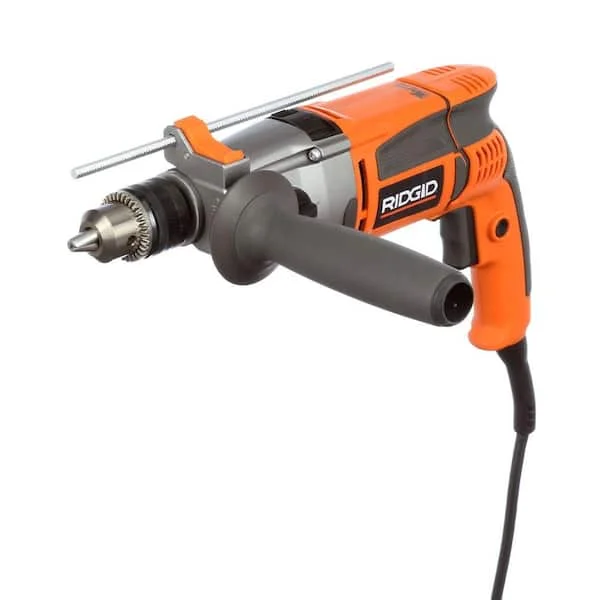 Credit: www.homedepot.com
Materials Suited For Hammer Drills
Hammer drills are designed to work with tough, hard materials that regular drills struggle with. Their hammering action helps break up dense surfaces while drilling. This makes them perfect for construction and renovation jobs involving heavy-duty materials. Below are some common materials well-suited for hammer drills.Concrete
Concrete is the primary material for hammer drills. These drills easily bore holes for anchors and bolts in concrete walls and floors. The hammering action chips away the hard surface, speeding up the drilling process. Concrete’s hardness requires the extra force hammer drills provide.Brick And Masonry
Hammer drills work well on brick and masonry blocks. They create clean holes needed for pipes, wires, or fasteners. Masonry materials are tough and brittle, so the hammer action helps prevent cracking by applying short, rapid blows. This results in smooth, precise holes.Stone
Natural stones like granite and sandstone are also suitable for hammer drilling. These stones are dense and require powerful drilling tools. The hammer drill breaks up the stone surface while rotating, making the task easier and faster. Proper drill bits designed for stone improve results.Tile And Ceramic
Hammer drills can drill tile and ceramic surfaces if used carefully. Using the right masonry or tile bits prevents cracking or chipping. The hammer function should be used gently or switched off for delicate tiles. This allows holes for fixtures or plumbing without damage.Materials To Avoid With Hammer Drills
Hammer drills excel at boring into tough materials like concrete and brick. Their rapid hammering motion breaks up hard surfaces for faster drilling. This action suits dense materials but harms softer ones. Using a hammer drill on wrong materials can cause damage to both the tool and the workpiece. Avoid using hammer drills on certain materials to protect your project and equipment.Wood
Wood is soft and flexible compared to concrete. The hammering action can crack or splinter wood easily. It also makes drilling messy and imprecise. Use a regular drill for wood to get clean, smooth holes. Hammer drills are too aggressive for woodworking tasks.Metal
Metal requires steady pressure and slow drilling speed. The hammer mode can ruin drill bits quickly. It can also deform the metal around the hole. For metal, choose a drill designed for metalwork. Hammer drills lack the control needed for metal drilling.Plasterboard
Plasterboard is fragile and crumbles under impact. Hammer action causes large cracks and breaks around the hole. A standard drill bit and low speed work better on plasterboard. Avoid hammer drills to keep plasterboard intact and neat.How Hammer Drills Work
A hammer drill combines two types of motion to drill through tough materials. This tool spins the drill bit while rapidly pounding it forward. This dual action helps break hard surfaces like concrete and brick. The hammering action reduces effort and speeds up drilling.Understanding how a hammer drill works helps users choose the right tool for the job. It is designed for materials that resist normal drilling. The tool’s mechanism clears debris as it drills. This keeps the bit effective and prevents damage.Rotary And Hammering Action
The hammer drill rotates the bit like a regular drill. At the same time, it delivers quick, short hammering blows. These blows push the bit into the material. This combination breaks up hard surfaces faster than spinning alone.The hammering action happens inside the drill’s mechanism. It uses two ridged discs that slip against each other. As the drill spins, these discs create a rapid pounding motion. This pounding helps chip away tough materials.Debris Clearing Mechanism
As the bit drills, it creates dust and small chips. The hammer drill’s design helps push this debris out of the hole. This clearing prevents clogging and keeps the bit sharp.Some hammer drills have vents or grooves to remove dust. This feature improves drilling speed and accuracy. Clear holes also make it easier to place anchors or screws securely.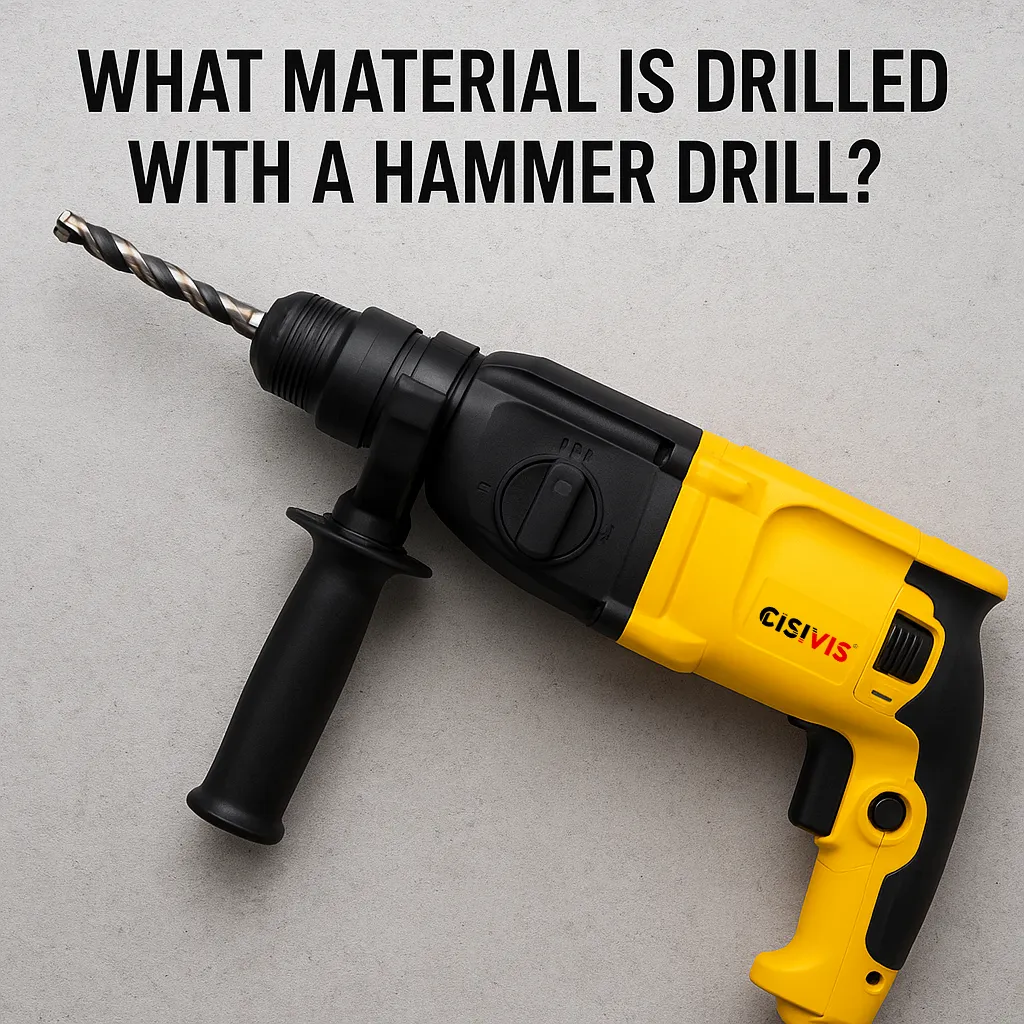 Credit: icisivis.com
Common Uses For Hammer Drills
Hammer drills have specific uses that make them essential for tough tasks. They combine rotary drilling with a hammering action. This feature helps them work well on hard surfaces. Many professionals and DIYers rely on hammer drills for various projects. Their power and efficiency make drilling into solid materials easier and faster.Drilling Into Hard Surfaces
Hammer drills excel at drilling into concrete, brick, and stone. These materials are very hard and dense. The hammering motion breaks the surface while the drill spins. This makes holes quickly and with less effort. Without a hammer drill, drilling into such surfaces would be slow and difficult.Mounting Heavy Objects
Installing heavy items needs strong anchors in walls or floors. Hammer drills create deep, clean holes in concrete or masonry. These holes hold anchors securely. This ensures heavy shelves, cabinets, or fixtures stay in place safely. Regular drills cannot provide the same strong hold.Construction And Renovation Projects
Builders use hammer drills for many construction tasks. Drilling into bricks and blocks is common during renovations. Hammer drills help add electrical wiring, plumbing, or mounting hardware. Their ability to handle tough materials speeds up work. Renovation becomes easier with the right drill for hard surfaces.Selecting The Right Drill Bits
Selecting the right drill bits is key to using a hammer drill effectively. The hammering action is strong and fast, so the bit must match the material. Using the wrong bit can damage the tool or the surface. This section explains which bits work best for common materials.Masonry Bits
Masonry bits are designed for hard materials like concrete, brick, and stone. They have a strong tip made from carbide or tungsten. This helps them resist wear and drill deep without breaking. The tip shape is often pointed to help start the hole easily. Use masonry bits to drill holes for anchors, pipes, or wires in walls.These bits work well with the hammer function. The hammer drill’s pounding motion breaks the material while the bit clears debris. This speeds up the drilling process and keeps the bit cool.Tile And Ceramic Bits
Tile and ceramic bits are different from masonry bits. They have a smooth, often spear-shaped tip. This design helps prevent cracking delicate surfaces like tiles. The bits usually have a sharp edge to cut through glaze and ceramic layers cleanly.Use these bits carefully and at low speed. Avoid the hammer action or use it very gently. This prevents damage to the tiles while still making a clean hole. These bits also work on porcelain and glass surfaces.Tips For Effective Hammer Drilling
Effective hammer drilling requires more than just the right tool. Correct methods, safety, and care all improve results. Follow these tips to drill harder materials efficiently and safely.Proper TechniqueHold the drill firmly with both hands. Keep it steady and aligned with the drilling surface. Start drilling at a slow speed to create a guide hole. Increase speed and pressure gradually. Let the hammer action do the work; avoid pushing too hard. Withdraw the bit occasionally to clear dust and debris. Use the right drill bit for the material, such as masonry bits for concrete.Safety PrecautionsWear safety glasses to protect your eyes from flying debris. Use ear protection to reduce noise from the hammering. Wear gloves to improve grip and protect your hands. Ensure your workspace is clear of obstacles and hazards. Check that the drill’s power cord or battery is in good condition. Avoid loose clothing or jewelry that may get caught. Work in a well-ventilated area to avoid dust buildup.Tool MaintenanceClean the drill after each use to remove dust and debris. Inspect the drill bits for wear or damage and replace if needed. Lubricate moving parts as recommended by the manufacturer. Store the drill in a dry, cool place to prevent rust. Check the power cord or battery for any signs of damage regularly. Keep the vents clean to prevent overheating. Regular maintenance ensures better performance and longer tool life.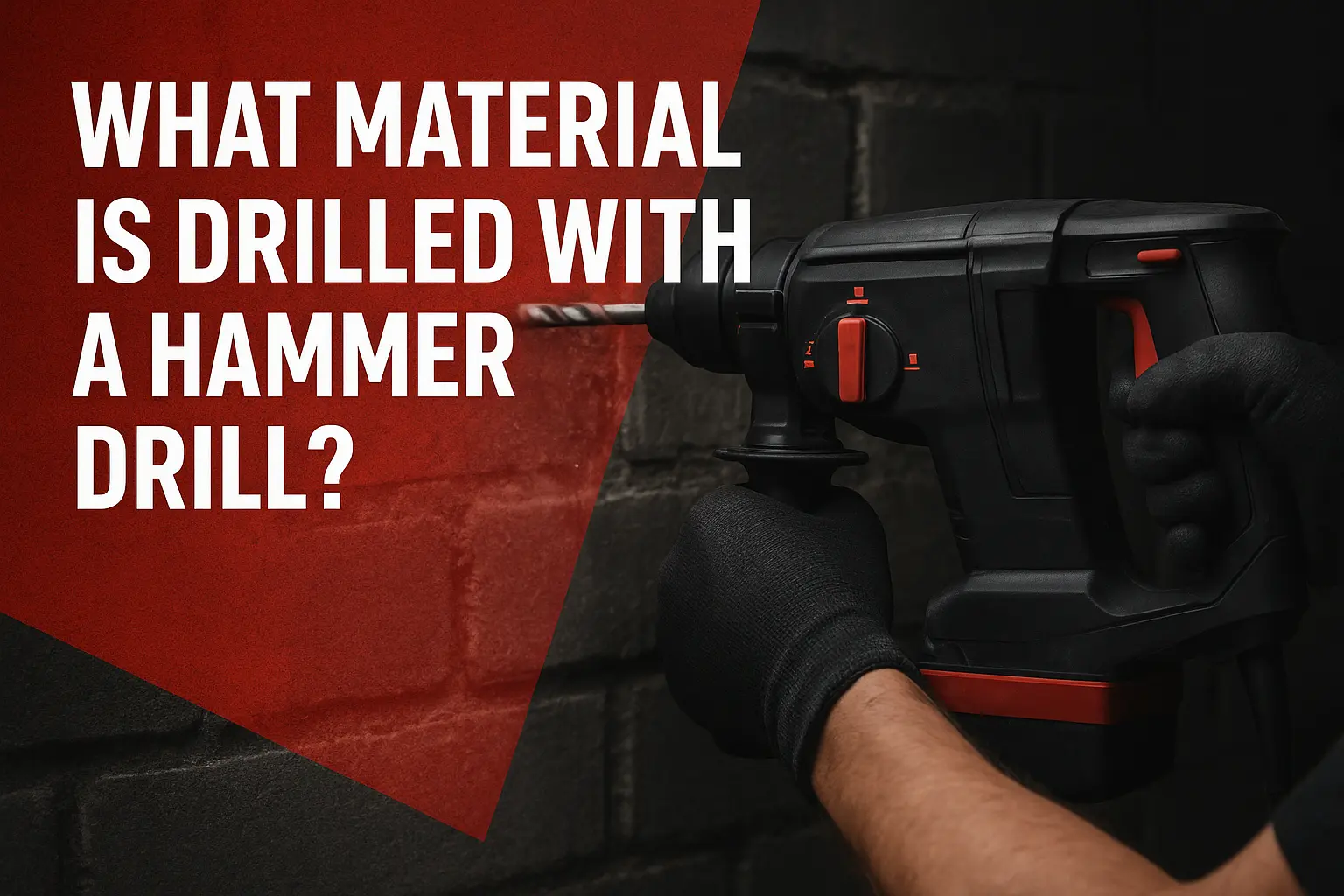 Credit: cisivistools.comFrequently Asked Questions
Which Material Is Drilled With A Hammer Drill?A hammer drill drills hard materials like concrete, brick, stone, and masonry effectively. It is unsuitable for wood, metal, or plasterboard.What Do You Use A Hammer Drill For?A hammer drill drills into hard materials like concrete, brick, stone, and masonry. It creates holes for anchors, framing, or wiring. Use it for tough surfaces where regular drills fail. Avoid using it on wood, metal, or plasterboard to prevent damage.What Material Is Drilled With A Hammer Drill Nccer?A hammer drill drills hard materials like concrete, brick, stone, and masonry. It is ideal for heavy-duty tasks requiring hammering action. Avoid using it on wood, metal, or plasterboard to prevent damage.Can I Use A Hammer Drill To Drill Into Wood?A hammer drill can drill into wood, but its hammering action may damage the material. Use a regular drill for wood.What Materials Can You Drill With A Hammer Drill?A hammer drill is best for hard materials like concrete, brick, stone, and masonry.Can A Hammer Drill Be Used On Wood Or Metal?No, hammer drills can damage softer wood and metal due to their hammering action.ConclusionHammer drills work best on tough materials like concrete, brick, and stone. Their hammering action helps break through hard surfaces quickly and easily. Avoid using them on soft materials such as wood or metal. Using the wrong drill can cause damage to both the tool and the material.Choose the right drill for your project to get the best results. This way, your work stays safe and efficient every time.
Credit: cisivistools.comFrequently Asked Questions
Which Material Is Drilled With A Hammer Drill?A hammer drill drills hard materials like concrete, brick, stone, and masonry effectively. It is unsuitable for wood, metal, or plasterboard.What Do You Use A Hammer Drill For?A hammer drill drills into hard materials like concrete, brick, stone, and masonry. It creates holes for anchors, framing, or wiring. Use it for tough surfaces where regular drills fail. Avoid using it on wood, metal, or plasterboard to prevent damage.What Material Is Drilled With A Hammer Drill Nccer?A hammer drill drills hard materials like concrete, brick, stone, and masonry. It is ideal for heavy-duty tasks requiring hammering action. Avoid using it on wood, metal, or plasterboard to prevent damage.Can I Use A Hammer Drill To Drill Into Wood?A hammer drill can drill into wood, but its hammering action may damage the material. Use a regular drill for wood.What Materials Can You Drill With A Hammer Drill?A hammer drill is best for hard materials like concrete, brick, stone, and masonry.Can A Hammer Drill Be Used On Wood Or Metal?No, hammer drills can damage softer wood and metal due to their hammering action.ConclusionHammer drills work best on tough materials like concrete, brick, and stone. Their hammering action helps break through hard surfaces quickly and easily. Avoid using them on soft materials such as wood or metal. Using the wrong drill can cause damage to both the tool and the material.Choose the right drill for your project to get the best results. This way, your work stays safe and efficient every time.Related reading: Can a Hammer Drill Be Used as a Regular Drill.
Related reading: How Does a Hammer Drill Work.
Related reading: How Does an Impact Driver Work.
{ “@context”: “https://schema.org”, “@type”: “Article”, “headline”: “What Material is Drilled With a Hammer Drill: Ultimate Guide”, “description”: “A hammer drill is designed to drill into hard materials like concrete, brick, and stone by combining rotary and hammering actions for effective penetration.”, “url”: “https://www.powertoolstoday.com/what-material-is-drilled-with-a-hammer-drill/”, “datePublished”: “2025-11-11”, “dateModified”: “2026-03-18”, “author”: { “@type”: “Organization”, “name”: “Power Tools Today”, “url”: “https://www.powertoolstoday.com” }, “publisher”: { “@type”: “Organization”, “name”: “Power Tools Today”, “url”: “https://www.powertoolstoday.com” }, “mainEntityOfPage”: { “@type”: “WebPage”, “@id”: “https://www.powertoolstoday.com/what-material-is-drilled-with-a-hammer-drill/” }, “image”: { “@type”: “ImageObject”, “url”: “https://www.powertoolstoday.com/wp-content/uploads/2025/11/What-Material-is-Drilled-With-a-Hammer-Drill-1024×576.webp” } }nn