
Last Updated: March 21, 2026
Choosing the right chainsaw size can feel confusing. You want a tool that’s powerful enough to get the job done, but not so big that it becomes heavy and hard to handle.
Whether you’re trimming branches, cutting firewood, or felling trees, picking the perfect chainsaw size can save you time, effort, and frustration. In this guide, you’ll discover exactly what size chainsaw you need based on your tasks, your strength, and your safety.
Keep reading to find the ideal match for your work—and make every cut easier and more efficient.
Credit: canberradiamondblade.com.au
Chainsaw Types And Sizes
Choosing the right chainsaw size depends on the type of tasks you plan to do. Chainsaws come in various types and sizes, each made for specific jobs. Understanding these options helps you pick the best tool for your needs.
Electric Chainsaws
Electric chainsaws are lightweight and easy to use. They suit small jobs like trimming branches or cutting small logs. These saws have shorter bars, usually 8 to 14 inches long. They work well for quick, light tasks around the yard.
Gas Chainsaws
Gas chainsaws provide more power for tougher jobs. They can cut through bigger trees and thick logs. These chainsaws often have bar lengths from 14 to 24 inches. They are heavier but handle heavy cutting easily. Good for farm work, tree felling, and firewood cutting.
Battery-powered Chainsaws
Battery chainsaws offer a balance between power and convenience. They are quieter and easier to start than gas saws. Bar sizes range from 10 to 16 inches. Ideal for medium tasks like pruning and small tree cutting. Great for people who want less noise and no fumes.
Bar Length And Cutting Capacity
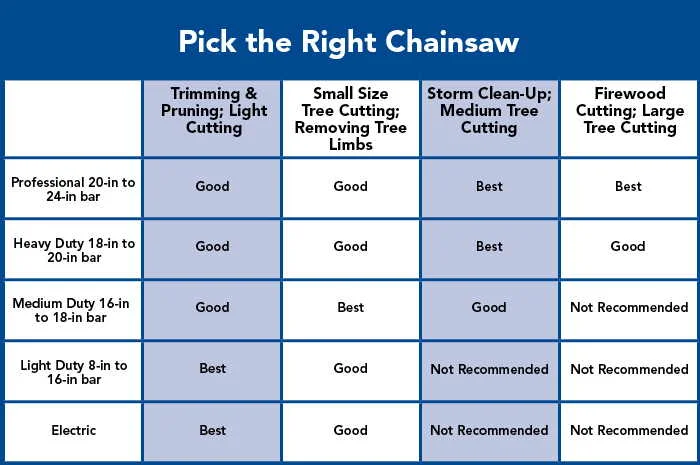
The bar length determines the size of wood you can cut. Short bars (10-14 inches) work well for small branches and light cutting. Medium bars (16-20 inches) handle medium trees and logs. Long bars (20+ inches) are best for large trees and heavy-duty work. Choose a bar size that matches your cutting needs.
Matching Chainsaw To Tasks
Choosing the right chainsaw size depends on the tasks you plan to do. Different jobs need different bar lengths and power levels. Using the correct size makes cutting easier and safer. It also helps you finish the work faster. This section explains how to match a chainsaw to your specific needs.
Light-duty Tasks
Light-duty tasks include pruning small branches and trimming bushes. Chainsaws with a bar length of 10 to 14 inches work well here. These saws are lightweight and easy to handle. They help you make clean cuts without tiring your arms. Ideal for garden maintenance and small wood cutting.
Medium-duty Tasks
Medium-duty work involves cutting firewood and felling small trees. Choose chainsaws with bar lengths between 14 and 18 inches. These saws have more power to handle thicker wood. They balance weight and strength for better control. Perfect for regular yard work and small tree removal.
Heavy-duty Tasks
Heavy-duty jobs include felling large trees and cutting thick logs. Chainsaws with bars over 18 inches suit these tasks. They offer strong engines and longer reach. These saws are heavier but can cut through tough wood quickly. Best for professional use or serious land clearing.
Consider Power And Weight
Power matters for cutting speed and efficiency. A bigger engine cuts faster through dense wood. Weight affects how long you can use the saw comfortably. Heavier chainsaws may cause fatigue but provide more power. Choose a size that matches your strength and job demands.
Bar Length Considerations
Choosing the right bar length is key for your chainsaw’s performance. The bar length affects cutting ability, ease of use, and safety. Different tasks require different bar sizes to work well and avoid damage.
Shorter bars suit small jobs like trimming branches or cutting firewood. Longer bars are better for bigger trees and thicker logs. Picking the correct bar length helps you finish jobs faster and with less effort.
Understanding Bar Length
Bar length is the distance from the tip of the chainsaw bar to where it meets the body. Common sizes range from 12 inches to 24 inches or more. Smaller bars are easier to control and lighter to hold. Longer bars cut larger wood but need more strength and skill to handle.
Tasks And Bar Length
For pruning and trimming, bars from 12 to 16 inches work best. They offer precision and reduce fatigue. For cutting firewood or small trees, 16 to 18 inches provide good reach and power. For felling larger trees, bars 20 inches or longer are ideal to cut deep and wide efficiently.
Bar Length And Saw Power
A longer bar needs a more powerful chainsaw to run smoothly. A small engine with a long bar slows down and overheats. Match the bar length with the saw’s power to keep performance and safety high. Check your chainsaw’s manual for the recommended bar sizes.
Portability And Handling
Short bars make the chainsaw lighter and easier to carry. They reduce arm strain during long use. Long bars add weight and can be harder to balance. Choose bar length based on your strength and how long you plan to use the saw at once.
Safety Tips For Bar Length
Using a bar too long for the task or your skill can cause kickback and accidents. A shorter bar improves control and reduces risk. Always wear protective gear and follow safety guidelines no matter the bar size.
Credit: autojaretool.com
Engine Power And Performance
Engine power plays a key role in choosing the right chainsaw size. It affects how well the saw cuts through wood and handles different tasks.
Performance depends on the engine’s strength and efficiency. A stronger engine means faster cutting and less effort.
Understanding Engine Power
Chainsaw engine power is measured in cubic centimeters (cc) or horsepower (hp). Higher cc or hp means more cutting strength. Small engines around 30-40cc suit light jobs like pruning. Medium engines from 40-60cc handle most tree felling and firewood cutting. Large engines above 60cc are for heavy-duty work like large tree felling.
Power And Cutting Efficiency
A powerful engine keeps the chain moving fast, reducing cutting time. It also helps when cutting hard or thick wood. Less power can slow down the cut and wear out the saw quickly. Choose a saw with enough power to match the wood size and task difficulty.
Balancing Power And Weight
More engine power usually means a heavier chainsaw. Heavy saws can tire you quickly. Find a balance between power and weight for comfort. For long jobs, a lighter saw with moderate power works well. For tough jobs, a heavier, powerful saw is better.
Weight And Handling
The weight and handling of a chainsaw are key factors to consider. They affect how long you can work comfortably. A heavy chainsaw tires your arms quickly. A light chainsaw is easier to control and move around.
Choosing the right weight depends on your strength and the job size. Small tasks need lighter saws. Bigger jobs might require heavier, more powerful chainsaws. Balance is important to avoid fatigue and increase safety.
How Weight Affects Chainsaw Control
Heavier chainsaws can be harder to hold steady. This may reduce cutting accuracy. Controlling a heavy saw takes more effort. It can cause faster muscle fatigue. Lighter chainsaws offer better control for precise cuts. They are easier to maneuver around branches and logs.
Handling And Comfort During Use
Good handling means the chainsaw fits well in your hands. The design of the handles and grips matters. Soft grips and ergonomic designs reduce hand strain. Proper balance between the engine and the bar helps. It allows smooth movement and less wobbling. Comfortable handling makes long work sessions easier.
Choosing Weight For Different Tasks
Small pruning or trimming jobs suit lightweight chainsaws. They weigh around 6 to 10 pounds. For cutting firewood or limbing, medium weight saws work well. These weigh between 10 to 15 pounds. Heavy chainsaws, over 15 pounds, suit felling large trees. They provide power but need strength to manage.
Credit: compassgm.co.uk
Safety And Maintenance Tips
Choosing the right chainsaw size is important, but safety and maintenance come first. Proper care helps the chainsaw last longer and keeps you safe. Small steps can prevent accidents and costly repairs.
Regular checks and cleaning keep the chainsaw ready for work. Understanding basic safety rules reduces risks during cutting. A well-maintained chainsaw cuts smoothly and uses less fuel.
Safety Gear And Proper Handling
Wear protective gloves, goggles, and ear protection every time. Use sturdy boots and long pants to guard against cuts. Hold the chainsaw firmly with both hands.
Stand with feet apart for balance. Never cut above shoulder height. Keep others at a safe distance from the work area.
Chain Sharpening And Tension
A sharp chain cuts faster and reduces kickback risks. Check the chain’s sharpness before each use. Use a file or sharpening kit to maintain teeth edges.
Correct chain tension prevents slipping or breaking. Tighten the chain so it fits snugly but still moves freely. Loose chains can cause accidents and damage.
Fuel And Oil Maintenance
Use the right fuel mix for gas-powered chainsaws. Old or incorrect fuel can harm the engine. Always fill the oil reservoir to keep the chain lubricated.
Run the chainsaw briefly after refilling oil to spread lubrication. Clean the fuel cap and oil openings to avoid clogs. Store fuel safely away from heat sources.
Regular Cleaning And Inspection
Remove sawdust and debris from the chainsaw after each use. Clean the air filter to keep the engine running smoothly. Inspect the bar and chain for damage or wear.
Replace worn parts quickly to avoid bigger problems. Check the spark plug and tighten loose screws. A clean chainsaw performs better and lasts longer.
Choosing Based On Experience
Selecting the right chainsaw size depends heavily on your experience level. Beginners need tools that are easy to handle. Advanced users can manage larger, more powerful saws.
Experience affects safety and efficiency. The right chainsaw size helps you work confidently and avoid accidents.
Beginners: Start Small And Simple
New users should choose chainsaws with smaller bars, around 12 to 14 inches. These saws are lighter and easier to control. They reduce fatigue and improve handling. Smaller saws work well for pruning, trimming, and light wood cutting.
Intermediate Users: Medium-sized Saws
Those with some experience can handle medium bar lengths, between 14 and 18 inches. These chainsaws offer more power for felling small to medium trees. They balance weight and cutting ability for various tasks. Ideal for firewood and general yard work.
Advanced Users: Large And Powerful Chainsaws
Experienced users often prefer bars longer than 18 inches. These saws deliver strong power for cutting large trees and heavy logs. They require skill to operate safely. Heavy-duty chainsaws suit professional work or large property maintenance.
Budget And Value Factors
Choosing the right chainsaw size depends heavily on your budget and the value you expect. Spending too much may buy power you don’t need. Spending too little might mean poor performance or more repairs.
Finding a balance between cost and quality ensures long-term satisfaction. It also helps you avoid frequent replacements and downtime. Consider the tasks you want to complete and how often you will use the chainsaw.
Understanding Price Vs. Performance
Higher-priced chainsaws often have stronger engines and better durability. They cut through thick wood faster and last longer. Lower-priced models suit light jobs like trimming or small branches. They use less fuel and weigh less.
Match the chainsaw’s power to your cutting needs. Avoid paying extra for features you won’t use. A simple model can offer good value for basic tasks.
Long-term Costs To Consider
Initial price is not the only cost. Chainsaw maintenance, fuel, and replacement parts add up over time. Cheaper chainsaws may need frequent repairs or new chains. This raises the total cost of ownership.
Choose brands with easy access to affordable parts and service. A reliable chainsaw reduces unexpected expenses and work interruptions.
Value Based On Usage Frequency
How often you use your chainsaw affects value. Occasional users benefit from smaller, budget-friendly models. Frequent users need powerful, durable chainsaws for efficiency. Investing in a quality saw saves time and effort.
Assess your work volume before buying. This helps you pick a chainsaw size that fits your budget and workload.
Frequently Asked Questions
How Big A Tree Can A 20 Chainsaw Cut?
A 20-inch chainsaw can cut trees up to about 18-20 inches in diameter effectively. Sharp chains and proper technique improve cutting performance.
Should I Get An 18 Or 20-inch Chainsaw?
Choose an 18-inch chainsaw for lighter tasks like pruning and firewood. Pick a 20-inch for bigger trees and tougher cuts. Consider weight, power, and reach to match your needs.
Do I Need A 16 Or 18-inch Chainsaw?
Choose a 16-inch chainsaw for light to medium tasks like pruning and firewood. Select 18-inch for heavier cutting and larger logs. Consider your strength and task demands for the best fit.
What Can A 14 Inch Chainsaw Cut?
A 14-inch chainsaw cuts small to medium branches, firewood, and light tree limbs efficiently. It suits pruning and trimming tasks well.
What Size Chainsaw Is Best For Light Pruning And Trimming?
A chainsaw with a 10 to 14-inch bar is ideal for light pruning and trimming tasks.
Conclusion
Choosing the right chainsaw size depends on your cutting needs. Smaller saws work well for light tasks like pruning and firewood. Bigger saws handle large trees and heavy logs better. Consider power, weight, and reach before deciding. A sharp chain improves safety and cutting speed.
Match the chainsaw size to your job for best results. This helps you work efficiently and stay safe. Keep these tips in mind for your next chainsaw purchase.
Related reading: how to cut down a tree with a chainsaw.
Related reading: How to Sharpen a Lawn Mower Blade With a Bench Grinder.
Related reading: Why Won’t My Chainsaw Start.
{ “@context”: “https://schema.org”, “@type”: “Article”, “headline”: “What Size Chainsaw Do I Need: Ultimate Guide for Perfect Choice”, “description”: “What size chainsaw do I need depends on the tasks, ranging from small models for pruning to larger ones for cutting thick logs efficiently.”, “url”: “https://www.powertoolstoday.com/what-size-chainsaw-do-i-need/”, “datePublished”: “2026-01-26”, “dateModified”: “2026-03-18”, “author”: { “@type”: “Organization”, “name”: “Power Tools Today”, “url”: “https://www.powertoolstoday.com” }, “publisher”: { “@type”: “Organization”, “name”: “Power Tools Today”, “url”: “https://www.powertoolstoday.com” }, “mainEntityOfPage”: { “@type”: “WebPage”, “@id”: “https://www.powertoolstoday.com/what-size-chainsaw-do-i-need/” }, “image”: { “@type”: “ImageObject”, “url”: “https://www.powertoolstoday.com/wp-content/uploads/2025/11/what-size-chainsaw-do-i-need.jpg” } }{ “@context”: “https://schema.org”, “@type”: “Article”, “headline”: “What Size Chainsaw Do I Need: Ultimate Guide for Perfect Choice”, “description”: “What size chainsaw do I need depends on the tasks, ranging from small models for pruning to larger ones for cutting thick logs efficiently.”, “url”: “https://www.powertoolstoday.com/what-size-chainsaw-do-i-need/”, “datePublished”: “2026-01-26”, “dateModified”: “2026-03-19”, “author”: { “@type”: “Organization”, “name”: “Power Tools Today”, “url”: “https://www.powertoolstoday.com” }, “publisher”: { “@type”: “Organization”, “name”: “Power Tools Today”, “url”: “https://www.powertoolstoday.com” }, “mainEntityOfPage”: { “@type”: “WebPage”, “@id”: “https://www.powertoolstoday.com/what-size-chainsaw-do-i-need/” }, “image”: { “@type”: “ImageObject”, “url”: “https://www.powertoolstoday.com/wp-content/uploads/2025/11/what-size-chainsaw-do-i-need.jpg” } }nn