
Last Updated: March 21, 2026
Choosing the right pressure washer can feel confusing. You want enough power to get your cleaning done quickly and effectively, but not so much that you risk damaging your surfaces or spending more than necessary.
So, what size pressure washer do you really need? This guide will help you understand the key factors—like PSI, GPM, and the type of jobs you’ll tackle—so you can pick the perfect machine for your home or business. Keep reading to make sure you invest in a pressure washer that fits your needs perfectly and saves you time and effort on every project.
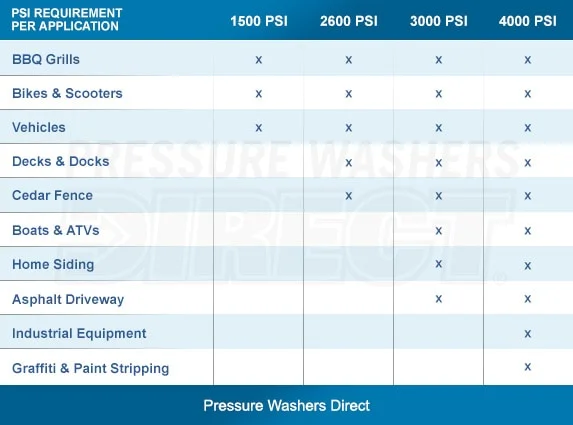
Credit: www.pressurewashersdirect.com
Pressure Washer Basics
Choosing the right pressure washer size starts with understanding basic terms. Two key numbers define a pressure washer’s power: PSI and GPM.
PSI means pounds per square inch. It shows how strong the water pressure is. Higher PSI cleans tougher stains faster.
GPM means gallons per minute. It tells how much water flows out. More water helps rinse dirt away quickly.
What Is Psi?
PSI measures the force of the water spray. It helps remove dirt, grime, and stains.
Low PSI works well for delicate surfaces like cars or patio furniture. High PSI is best for tough jobs like driveways or siding.
What Is Gpm?
GPM shows how much water the machine uses. It affects how fast the cleaning happens.
Higher GPM means more water flow and faster rinsing. Lower GPM uses less water and fits lighter tasks.
Cleaning Units (cu)
Cleaning Units combine PSI and GPM. Multiply PSI by GPM to get CU. It shows overall cleaning power.
A higher CU number means better cleaning ability. It helps compare different pressure washers easily.
Electric Vs Gas Pressure Washers
Electric washers suit small to medium jobs. They are quiet and easy to use.
Gas washers offer more power. They handle heavy cleaning and large areas well.
Psi And Gpm Explained
Choosing the right pressure washer starts with understanding PSI and GPM. These two numbers tell you how powerful the washer is and how much water it uses. Knowing both helps pick the best tool for your cleaning needs.
PSI means pounds per square inch. It measures the force of the water coming out of the nozzle. Higher PSI means stronger water pressure, which cleans tough stains better.
GPM stands for gallons per minute. It shows the amount of water the washer sprays each minute. More water means faster cleaning and better rinsing.
What Is Psi?
PSI measures water pressure. It tells how hard the water hits the surface. Higher PSI works well on hard surfaces like concrete or brick. Lower PSI fits delicate surfaces like wood or cars.
For light tasks, about 1300 to 1900 PSI works fine. For bigger jobs, 2000 to 3000 PSI gives more cleaning power.
Understanding Gpm
GPM shows water flow rate. Higher GPM means the washer uses more water to clean. This helps remove dirt faster and rinse better.
Most home pressure washers have 1.2 to 2.5 GPM. Higher GPM saves time on big areas like decks or driveways.
How Psi And Gpm Work Together
PSI and GPM combine to show overall cleaning power. Multiply PSI by GPM to get cleaning units. More cleaning units mean stronger cleaning ability.
For example, a washer with 2000 PSI and 2 GPM has 4000 cleaning units. This is good for medium to heavy jobs.
Balance is key. High PSI with low GPM may miss some dirt. High GPM with low PSI may not clean tough spots well.
Light-duty Washer Sizes
Light-duty pressure washers offer enough power for simple cleaning tasks. They work well on cars, patio furniture, and small decks. These washers have lower pressure and water flow. This makes them safe for delicate surfaces and easy to handle.
Choosing the right size helps you avoid damage and saves water. Light-duty washers usually have a PSI (pounds per square inch) under 2000. Their water flow, measured in GPM (gallons per minute), is often below 2.0. This range fits most household cleaning needs.
Psi Range For Light-duty Washers
Light-duty washers typically provide 1200 to 1900 PSI. This pressure is enough to remove dirt and grime without harming paint or wood. It cleans vehicles, lawn tools, and small outdoor furniture well. Higher PSI in this range can handle tougher stains.
Water Flow Rate (gpm) In Light-duty Models
Most light-duty washers deliver between 1.2 and 1.6 GPM. A lower flow rate means less water use and easier control. This suits light cleaning tasks where precision matters. It also helps extend the life of your washer by reducing strain.
Best Uses For Light-duty Pressure Washers
These washers are perfect for washing cars, motorcycles, and bicycles. They also clean patios, garden furniture, and small decks. Light dirt and dust on windows and siding come off easily. They are ideal for quick, regular cleaning jobs.
Medium-duty Washer Sizes
Medium-duty pressure washers offer a balance of power and convenience. They handle bigger jobs than light-duty models but are still easy to use.
This size is great for homeowners who want to clean driveways, decks, and siding. They provide enough pressure to remove dirt and grime effectively.
Psi Range Of Medium-duty Washers
Medium-duty washers usually have a pressure between 2,000 and 2,800 PSI. This range is strong enough for most residential cleaning tasks.
It can remove stubborn stains without damaging surfaces like wood or concrete. This pressure works well on patios, fences, and cars.
Gpm Flow Rate For Medium-duty Models
Gallons per minute (GPM) measures water flow. Medium-duty washers typically deliver 2 to 3.5 GPM.
A higher GPM means faster cleaning. This helps finish jobs quicker and with less effort.
Best Uses For Medium-duty Pressure Washers
These washers suit medium-sized jobs around the home. They clean vehicles, patios, lawn equipment, and small fences efficiently.
They also handle larger surfaces like driveways and house siding well. They provide the power needed for tougher stains and dirt.
Heavy-duty Washer Sizes
Choosing the right pressure washer size depends on the job’s size and dirt level. Smaller washers suit vehicles and patios, while larger ones handle driveways and heavy cleaning. Consider PSI and GPM for the best cleaning power and efficiency.
Understanding Heavy-duty Washer Sizes
Heavy-duty pressure washers deliver strong cleaning power for tough tasks. They handle large surfaces and stubborn dirt with ease. These washers have higher PSI and GPM ratings than light or medium-duty models.
Choosing the right size depends on your cleaning needs. Heavy-duty washers usually start around 3000 PSI and go up from there. They are ideal for commercial use, construction sites, and large outdoor areas.
Psi And Gpm Ratings In Heavy-duty Washers
PSI means pounds per square inch, showing water pressure strength. GPM means gallons per minute, showing water flow rate. Both numbers matter for cleaning power.
Heavy-duty washers often have PSI from 3000 to 4000 or more. Their GPM typically ranges from 3 to 5. Higher PSI and GPM remove dirt faster and more deeply.
Common Applications For Heavy-duty Washers
These washers clean concrete, large driveways, and industrial equipment. They strip paint and remove tough stains easily. Heavy-duty washers also work well on construction machinery and farm tools.
They save time on big jobs. Their power handles dirt that smaller washers cannot remove. This makes them essential for heavy cleaning tasks.
Considerations Before Buying A Heavy-duty Washer
Heavy-duty washers use more water and fuel or electricity. They are usually heavier and less portable. Noise levels can be high during operation.
Choose a model with suitable power for your tasks. Avoid too much pressure that may damage surfaces. Safety gear and proper training are important when using these machines.
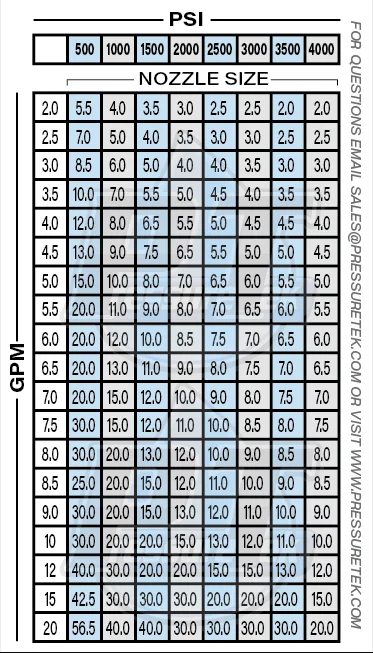
Credit: pressuretek.com
Electric Vs Gas Models
Choosing between electric and gas pressure washers depends on your cleaning needs. Both types offer different power levels and features. Understanding their differences helps pick the right size and model for your tasks.
Electric Pressure Washers
Electric models are lightweight and easy to start. They work well for small to medium jobs. These washers produce less noise and require less maintenance. They use water pressure between 1300 and 1900 PSI. Electric washers are ideal for cleaning cars, patios, and garden furniture.
Gas Pressure Washers
Gas models deliver higher power and mobility. They typically produce pressure from 2500 to over 4000 PSI. These washers handle tough dirt and large areas. They are perfect for cleaning driveways, decks, and house siding. Gas washers need fuel and more upkeep but offer greater cleaning strength.
Power And Portability
Electric washers plug into an outlet, limiting range. They are lighter and easier to move around the yard. Gas washers run on fuel, providing freedom to clean anywhere. They are heavier but better for large or remote jobs.
Cost And Maintenance
Electric models cost less upfront and need less maintenance. Gas washers are more expensive and require regular engine care. Consider long-term costs like fuel and repairs before buying.
Surface And Task Considerations
Choosing the right pressure washer size depends largely on the surface and task you plan to clean. Different surfaces need different pressure levels to avoid damage and ensure effective cleaning. Matching the washer to the job makes the work easier and safer.
Small, delicate surfaces require gentle pressure. Tough, large areas need more power to remove dirt and grime quickly. Understanding your cleaning tasks helps pick the best pressure washer size.
Small Surfaces and Light Cleaning TasksFor cleaning cars, patio furniture, and garden tools, low pressure works best. A pressure washer with 1300 to 1900 PSI and 1.2 to 1.5 GPM is ideal. It cleans without harming paint or delicate parts. These machines are usually electric and easy to handle.
Medium Surfaces and Regular Home CleaningDecks, fences, and siding need medium pressure. Choose washers with 2000 to 2800 PSI and 1.5 to 2.5 GPM. This power level removes dirt and mildew from wood or vinyl without causing damage. Gas or electric models fit well for these tasks.
Large Surfaces and Heavy-Duty CleaningDriveways, concrete patios, and industrial equipment require high pressure. Machines with 2900 to 4000 PSI and 2.5 to 4.0 GPM handle tough stains and large areas fast. Gas-powered washers are common here for their strength and mobility.
Surface Material and SensitivitySoft materials like wood or stucco need lower pressure to avoid damage. Hard surfaces like concrete or metal tolerate higher PSI. Adjust pressure settings to fit the surface type for safe cleaning results.
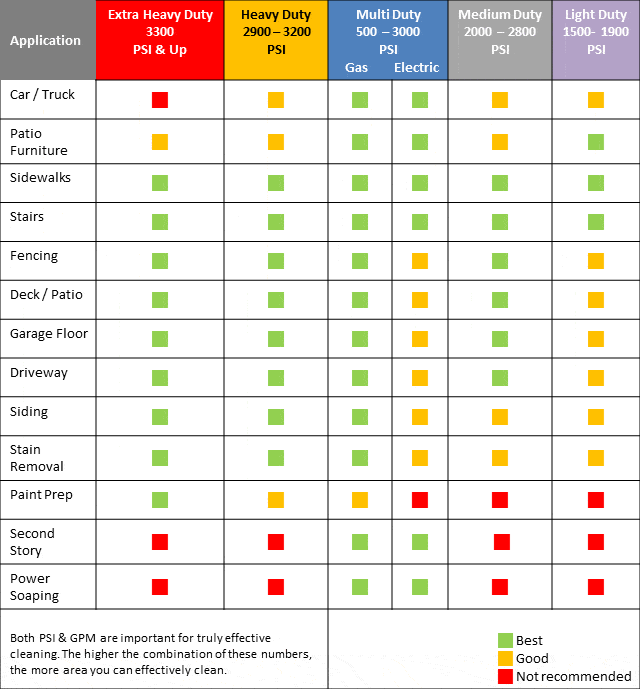
Credit: pressurewashr.com
Safety And Maintenance Tips
Using the right size pressure washer requires more than just power. Safety and maintenance play a key role in keeping your equipment working well. Following basic tips helps avoid accidents and extends the life of your machine. Understanding how to handle your pressure washer safely is important for every user.
Proper Use Of Protective Gear
Always wear safety glasses to protect your eyes from debris. Gloves help keep your hands safe from high-pressure water. Closed-toe shoes prevent injuries from slipping or falling objects. Avoid loose clothing that can get caught in moving parts. Safety gear reduces the risk of serious injury during operation.
Routine Inspection Before Use
Check hoses and nozzles for cracks or leaks. Ensure all connections are tight to prevent water loss. Look for signs of wear on the trigger gun and wand. Confirm the pressure settings match your cleaning task. A quick inspection avoids problems and keeps you safe.
Cleaning And Storage Tips
Flush the system with clean water after each use to remove dirt. Store the pressure washer in a dry place away from direct sunlight. Drain all water from the pump to prevent freezing in cold weather. Regular cleaning and proper storage protect your machine from damage.
Safe Operating Practices
Never point the spray at people, animals, or electrical equipment. Start with the lowest pressure setting to test the surface. Keep a firm grip on the wand to control recoil. Maintain a safe distance from the cleaning surface to avoid damage. These habits reduce accidents and improve cleaning results.
Frequently Asked Questions
What Is A Good Size Pressure Washer For Home Use?
A good size pressure washer for home use typically ranges from 1,300 to 2,400 PSI. Choose electric models for light tasks and gas-powered for tougher jobs. Aim for 1. 5 to 2. 5 GPM for efficient cleaning of vehicles, patios, and decks without damaging surfaces.
Is 2000 Psi Enough To Clean A Driveway?
Yes, 2000 PSI can effectively clean most residential driveways. It removes dirt and grime without damaging the surface. For tougher stains, higher PSI may be needed. Always use the appropriate nozzle and technique for best results.
Is A 3000 Psi Pressure Washer Good For A Driveway?
A 3000 PSI pressure washer is ideal for cleaning driveways. It removes dirt, stains, and grime effectively without damaging concrete surfaces.
What Is The Difference Between A 3000 Psi And A 4000 Psi Pressure Washer?
A 3000 PSI washer suits medium-duty tasks like cleaning decks and patios. A 4000 PSI washer handles tougher jobs, including stripping paint and heavy-duty cleaning. Higher PSI means stronger water pressure, resulting in more effective removal of stubborn dirt and grime.
What Size Pressure Washer Is Best For Home Use?
A 1300 to 2000 PSI washer is good for cars, patios, and light cleaning tasks.
Conclusion
Choosing the right pressure washer size makes cleaning easier and faster. Small models work well for cars and patios. Medium sizes handle decks, fences, and driveways smoothly. Large pressure washers tackle tough, heavy-duty jobs. Always match the washer’s power to your cleaning needs.
Using too much pressure can damage surfaces. Consider electric washers for light tasks and gas for stronger power. Think about water flow and pressure together. Your perfect pressure washer size depends on what you clean most. This helps save time and gets the best results.
{ “@context”: “https://schema.org”, “@type”: “Article”, “headline”: “What Size Pressure Washer Do I Need: Ultimate Guide to Choose Right”, “description”: “Discover what size pressure washer you need by understanding water pressure and flow rate to match cleaning tasks and surface types effectively.”, “url”: “https://www.powertoolstoday.com/what-size-pressure-washer-do-i-need/”, “datePublished”: “2025-12-01”, “dateModified”: “2026-03-18”, “author”: { “@type”: “Organization”, “name”: “Power Tools Today”, “url”: “https://www.powertoolstoday.com” }, “publisher”: { “@type”: “Organization”, “name”: “Power Tools Today”, “url”: “https://www.powertoolstoday.com” }, “mainEntityOfPage”: { “@type”: “WebPage”, “@id”: “https://www.powertoolstoday.com/what-size-pressure-washer-do-i-need/” }, “image”: { “@type”: “ImageObject”, “url”: “https://www.powertoolstoday.com/wp-content/uploads/2025/11/what-size-pressure-washer-do-i-need.webp” } }{ “@context”: “https://schema.org”, “@type”: “Article”, “headline”: “What Size Pressure Washer Do I Need: Ultimate Guide to Choose Right”, “description”: “Discover what size pressure washer you need by understanding water pressure and flow rate to match cleaning tasks and surface types effectively.”, “url”: “https://www.powertoolstoday.com/what-size-pressure-washer-do-i-need/”, “datePublished”: “2025-12-01”, “dateModified”: “2026-03-19”, “author”: { “@type”: “Organization”, “name”: “Power Tools Today”, “url”: “https://www.powertoolstoday.com” }, “publisher”: { “@type”: “Organization”, “name”: “Power Tools Today”, “url”: “https://www.powertoolstoday.com” }, “mainEntityOfPage”: { “@type”: “WebPage”, “@id”: “https://www.powertoolstoday.com/what-size-pressure-washer-do-i-need/” }, “image”: { “@type”: “ImageObject”, “url”: “https://www.powertoolstoday.com/wp-content/uploads/2025/11/what-size-pressure-washer-do-i-need.webp” } }nn