
Last Updated: March 20, 2026
Are you ever confused about whether your drill bits will fit every drill you own? Maybe you’ve bought a set only to find some bits don’t seem to work with your drill, leaving you stuck mid-project.
You’re not alone—many people wonder, “Are drill bits universal? ” The truth isn’t as simple as yes or no. Understanding which drill bits fit which drills can save you time, money, and frustration. You’ll discover what makes a drill bit universal, when compatibility matters, and how to choose the right bits for your tools.
Keep reading to make sure your next drilling job goes smoothly, no matter the brand or project.
Drill Bit Sizes And Shanks
Drill bit sizes and shanks vary widely to fit different drilling needs. The size of a drill bit affects the hole diameter it creates. The shank is the part that fits into the drill chuck. Understanding these helps you choose the right bit for your tool and project.
Common Shank Types
Round shanks are the most common and fit most drill chucks. They are simple and easy to use. Hex shanks have six flat sides. This shape prevents slipping in the chuck, offering better grip. SDS shanks are designed for hammer drills. They lock into the chuck and allow quick bit changes. Each shank type suits different drills and tasks.
Matching Bits To Chucks
Drill chucks come in various sizes, usually 3/8 inch or 1/2 inch. The shank size must match the chuck size for a secure fit. Some drills use keyless chucks, which tighten by hand. Others need a key to lock the bit in place. Choosing the right bit shank ensures safe and effective drilling.
Credit: ahcpowertools.com
Brand Compatibility Issues
Brand compatibility issues often arise with drill bits. Not all drill bits fit every drill brand. Some brands design their tools with unique systems. This limits the use of generic or universal bits. Understanding these issues helps avoid buying the wrong drill bits.
Proprietary Chuck Systems
Some brands use proprietary chuck designs. These chucks may have special shapes or sizes. They only accept drill bits made for that brand. Generic drill bits might not fit securely. This can cause slipping or damage during drilling. Proprietary systems protect brand sales but reduce bit compatibility.
Cross-brand Usability
Many drill bits fit standard chucks across brands. Most drills use common sizes like 1/4 inch or 3/8 inch. These bits work well with different drills. Still, some brands have slight size differences. Always check the chuck size before buying bits. Cross-brand usability is common but not guaranteed. Testing bits on your drill avoids compatibility problems.
Material-specific Drill Bits
Drill bits come in many types, designed for specific materials. Using the right bit improves drilling efficiency and prevents damage. Material-specific drill bits help you drill clean holes without breaking the bit or the material. Choosing the correct bit type saves time and effort on any project.
Bits For Wood, Metal, And Concrete
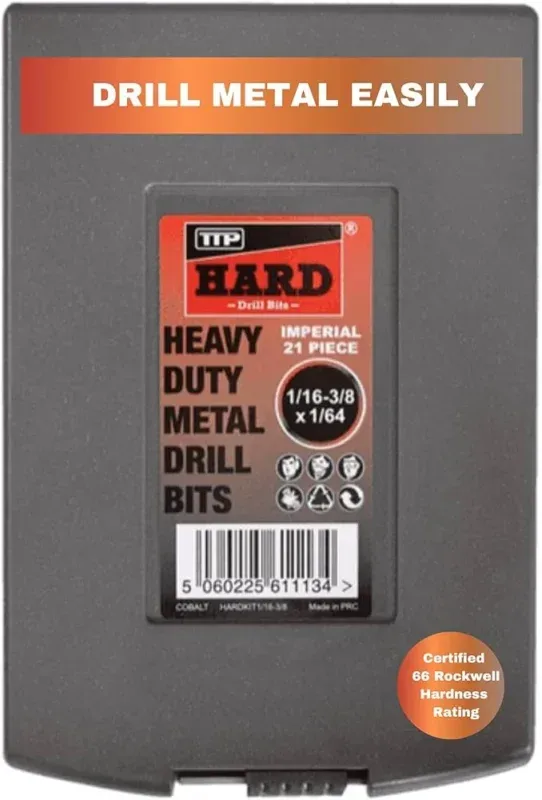
Wood drill bits have sharp tips to start holes easily. They often feature a pointed tip for clean entry. Metal bits are made of high-speed steel or cobalt. They have a strong, durable design to cut through metal. Concrete bits have carbide tips to handle hard surfaces. They use a hammer action to break through tough materials.
Specialty Bits For Glass And Ceramics
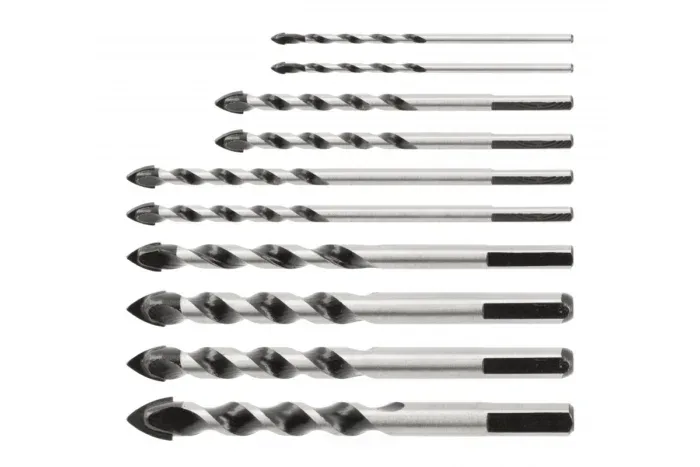
Glass and ceramic bits have special tips to avoid cracking. They use a spear-shaped tip to gently penetrate the surface. These bits work slowly and need low speed. Applying water helps keep the bit cool and reduces dust. Using the wrong bit can cause chips or cracks in fragile materials.
Credit: en.hoegert.com
Universal Drill Bits Explained
Universal drill bits aim to fit many types of drills and materials. They offer versatility for common drilling needs. These bits reduce the need for multiple specialty bits.
Understanding what makes a bit universal helps in choosing the right tool. It also clarifies where these bits work best and where they fall short.
What Makes A Bit Universal?
Universal drill bits have a common shank size. Most fit standard 3/8-inch or 1/4-inch chucks on drills. Their design allows use on wood, metal, plastic, and masonry.
These bits often have a special tip shape. This helps start holes easily and drill cleanly across materials. They are made from tough materials like high-speed steel.
The coating on universal bits improves durability. It reduces wear and heat build-up during drilling. This extends the bit’s life across different tasks.
Limitations Of Universal Bits
Universal bits are not perfect for every job. They may struggle with very hard materials like hardened steel. Specialized bits are better for these tough tasks.
Their cutting edges may wear quickly on abrasive surfaces. This reduces their effectiveness over time. Using the right bit for the material prolongs tool life.
Universal bits can cause damage to delicate surfaces like glass or ceramic. They lack the fine tips needed for precision drilling. Extra care or special bits are needed here.
Not all drills accept every universal bit. Some brands use unique shank designs. Checking compatibility before purchase avoids fitting problems.
Choosing The Right Drill Bit Set
Picking the right drill bit set matters for every project. The right set saves time and effort. It ensures clean, precise holes in different materials.
Drill bits come in many types and sizes. Knowing what each bit does helps avoid mistakes. This guide helps you select the best bits for your needs.
Bit Types And Their Uses
Twist bits work well for wood, metal, and plastic. They are the most common type. Masonry bits are made for concrete and brick. They have a special tip that stays sharp on hard surfaces.
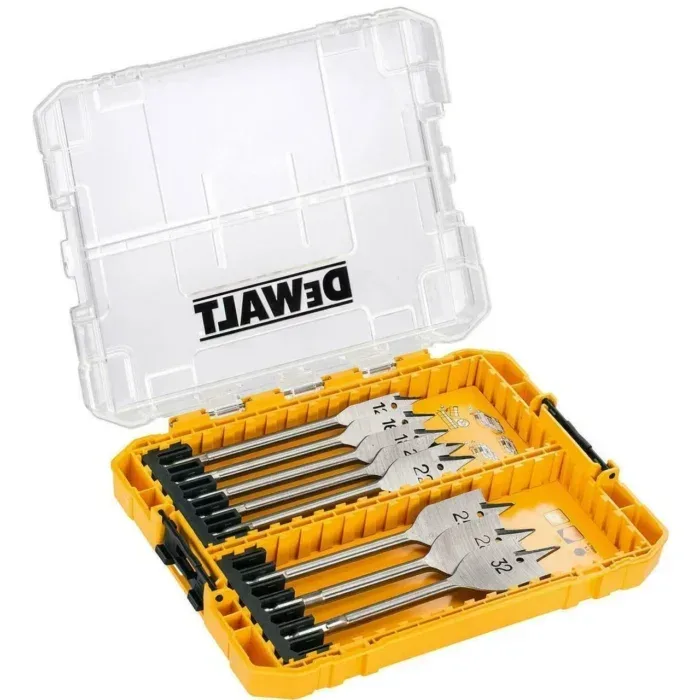
Spade bits create large holes in wood quickly. For metal, use cobalt or titanium bits. They last longer and resist heat better. Brad point bits give clean holes in wood. They prevent the bit from wandering.
How To Size Your Bits
Choose a bit size that fits your screw or anchor. Too small a hole makes driving screws hard. Too large a hole weakens the hold. Use a drill bit gauge or chart to find the right size.
Measure twice before drilling. Mark the bit with tape to stop at the right depth. This avoids drilling too deep and damaging materials. Proper sizing ensures strong, neat results every time.
Credit: www.amazon.com
Tips For Safe And Effective Drilling
Drilling safely and effectively requires more than just picking the right drill bit. Proper handling and technique help prevent accidents and ensure clean holes. Follow these simple tips to get the best results from your drilling tasks.
Securing Bits In The Chuck
Always make sure the drill bit is tightly secured in the chuck. A loose bit can wobble and cause uneven holes or even injury. Use the chuck key or the drill’s tightening mechanism to lock the bit firmly. Check the bit before starting to drill to avoid slips.
Push the bit all the way into the chuck for maximum grip. Turn the chuck clockwise to tighten and hold the bit steady. Test the bit by pulling it gently to confirm it does not move.
Avoiding Damage To Materials
Choose the right drill speed for the material. High speeds work well for soft materials like wood, but slow speeds suit metals and hard plastics better. Too much speed can crack or burn the material.
Apply steady, even pressure without forcing the drill. Let the bit do the cutting to avoid breaking the bit or ruining the surface. Use a backing board to protect fragile materials and prevent splintering.
Keep the drill bit sharp and clean. Dull bits create rough holes and increase the chance of damage. Regularly remove dust and debris from the drilling area.
Conclusion
Drill bits are not always universal. Different drills may require specific bit types or sizes. Many bits fit standard chucks, but some brands use unique systems. Choosing the right bit ensures better performance and safety. Always check your drill’s chuck size before buying bits.
Using the correct bit saves time and effort. Keep your drill and bits compatible for best results. Simple care extends the life of your tools. Remember, not all drill bits work on every material. Select bits based on your project needs and drill type.
Frequently Asked Questions
Yes, Dewalt drill bits fit Ryobi drills if the chuck size matches. Both brands use standard sizes, ensuring compatibility and effective performance.
Yes, Dewalt drill bits fit Ryobi drills if the chuck size matches. Both brands use standard sizes, ensuring compatibility and effective performance.
Most drill bits fit standard chucks across brands, but some use proprietary shanks limiting compatibility. Check chuck size before buying.
Using a 1/4″ drill bit instead of 5/16″ creates a smaller hole, which may not fit your fastener properly. Choose the correct bit size for a secure fit and avoid damage.
Most drill bits fit standard chucks across brands, but some use proprietary shanks limiting compatibility. Check chuck size before buying.
Most drill bits fit standard chucks, but some brands use special shanks or sizes.
Yes, many drill bits work across brands if the shank size matches the drill’s chuck.