
If you want your saw blades to cut smoothly and safely every time, keeping them clean is key. Dirty blades slow you down, make rough cuts, and can even damage your tools.
But cleaning saw blades doesn’t have to be a hassle or take up all your time. In this guide, you’ll discover easy, effective ways to remove pitch, resin, and grime from your blades. With just a few simple steps and common household items, you can bring your blades back to life—making your cutting projects faster, cleaner, and safer.
Ready to see how simple it can be? Let’s dive in!
Choosing The Right Cleaner
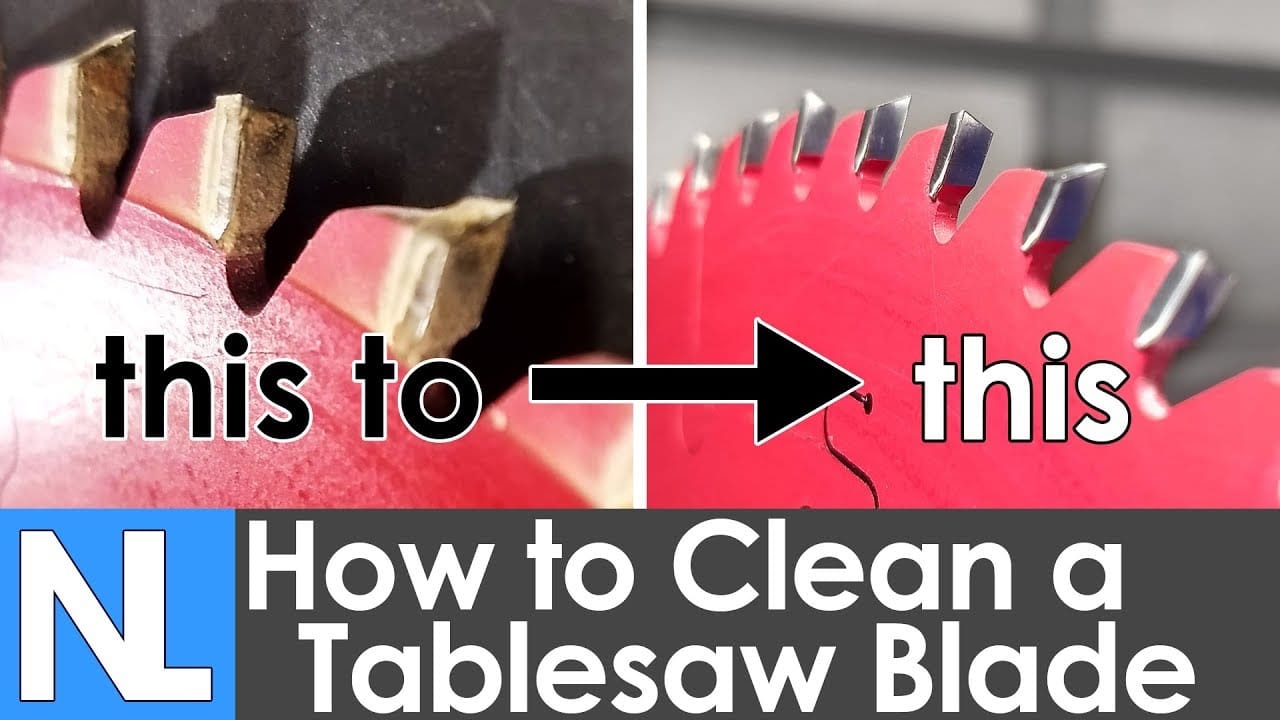
Choosing the right cleaner is key to restoring your saw blades quickly and safely. Different types of dirt and resin need different cleaning solutions. Some cleaners work well on pitch buildup, while others remove rust or grease. Selecting a suitable cleaner protects the blade’s teeth and extends its life. This guide helps you pick the best cleaner based on what you have at home or what you can buy.
Household Solutions
Many household items clean saw blades effectively. Warm water mixed with dish soap breaks down grease and sap. Baking soda added to hot water lifts stubborn resin. White vinegar soaks off rust gently. These solutions are gentle and safe for most blades. They cost little and use common ingredients. Soak the blade for 10 to 15 minutes for best results. Always dry the blade thoroughly after cleaning to prevent rust.
Commercial Cleaners
Commercial cleaners target tough buildup fast. They contain chemicals designed to dissolve pitch and resin. These products work well on heavily used blades. Follow the instructions carefully to avoid damage. Wear gloves and use in a well-ventilated area. Some cleaners also remove rust and polish the metal. They may cost more but save time and effort. Choose a cleaner labeled safe for saw blades to protect your tools.
Safe Alternatives
Safe alternatives avoid harsh chemicals. Mineral spirits remove grease without harming the blade. Rubbing alcohol cleans lightly without leaving residue. Olive oil can loosen sticky sap gently. These options reduce risk to your health and the environment. They work well for light to medium cleaning jobs. Always test on a small blade section first. Use a soft brush or cloth to avoid scratching the metal.
Credit: www.youtube.com
Removing The Blade Safely
Removing the saw blade safely is the first step before cleaning. This process prevents accidents and protects the blade from damage. Proper removal makes cleaning easier and more effective. Follow simple steps and use the right tools to handle the blade carefully.
Tools Needed
- Wrench or socket set to loosen blade bolts
- Work gloves to protect your hands
- Screwdriver for blade guard removal
- Cloth or rag for handling the blade
- Safety glasses for eye protection
Safety Precautions
Unplug the saw before starting any work. Never remove the blade while the saw is connected to power.
Wear thick gloves to avoid cuts from sharp teeth. Safety glasses protect your eyes from dust and debris.
Keep the work area clean and well-lit. Ensure the blade is cool before touching it.
Cleaning Techniques
Cleaning techniques for saw blades help keep them sharp and safe. Regular cleaning removes pitch, resin, and debris. This improves cutting performance and extends blade life. Below are effective methods to clean your saw blades efficiently and safely.
Soaking Methods
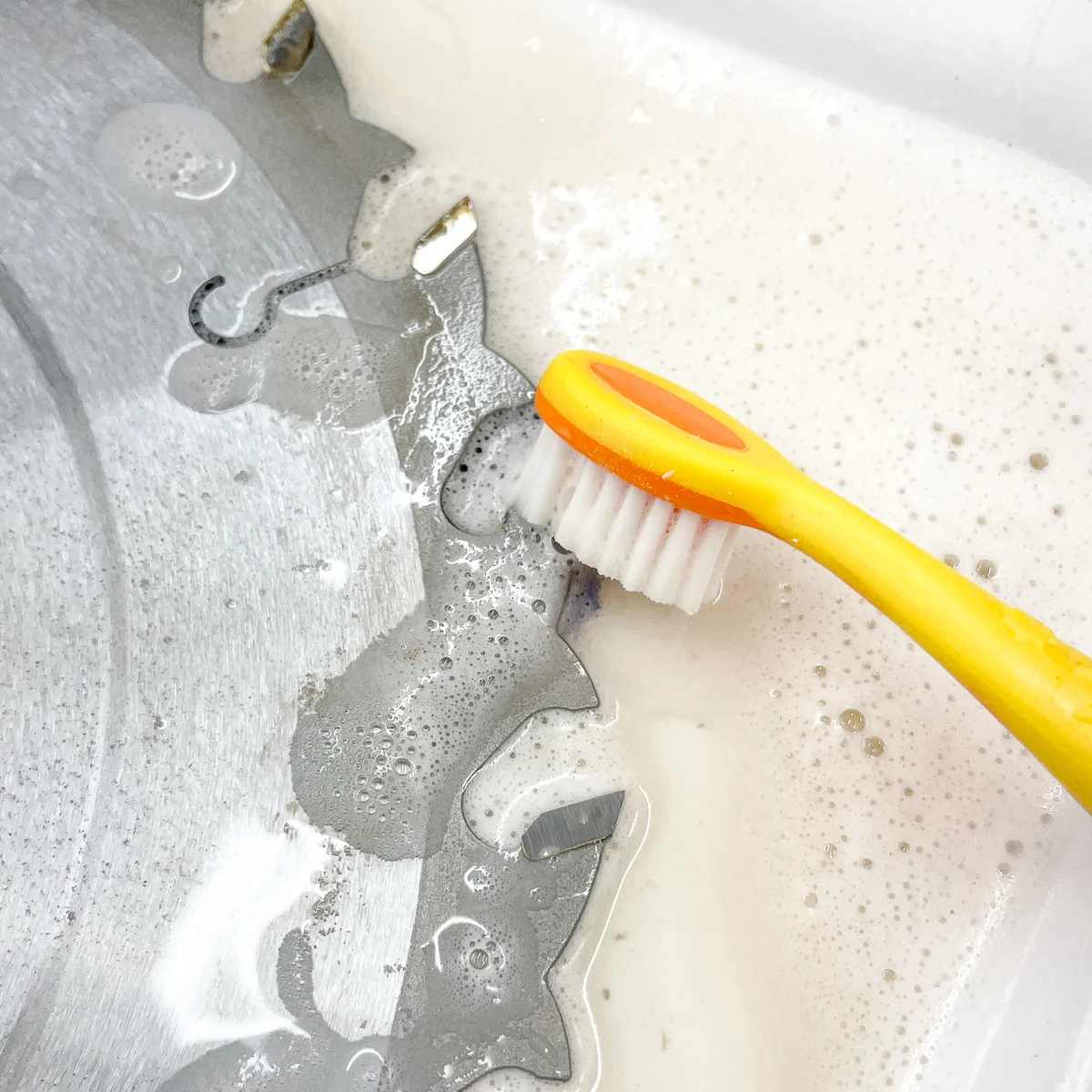
Soaking loosens built-up resin and pitch on the blade. Use warm water mixed with a mild detergent or specialized blade cleaner. Submerge the blade fully in the solution for 10 to 30 minutes. Avoid harsh chemicals that can damage the blade. After soaking, rinse the blade with clean water and dry thoroughly.
Scrubbing Tips
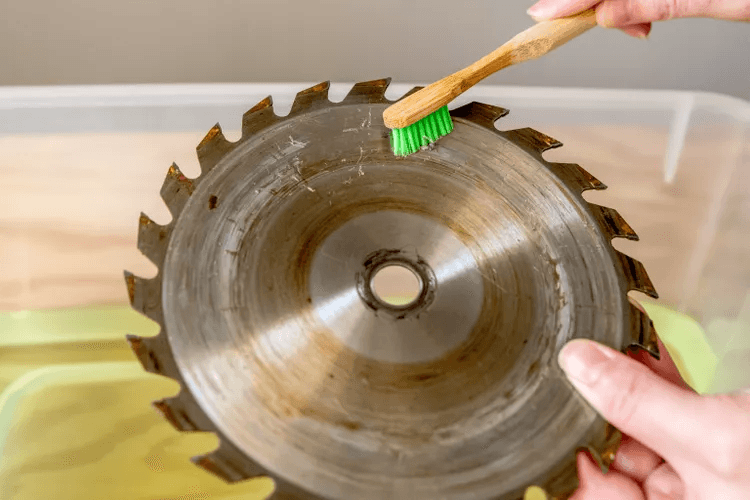
Scrubbing helps remove stubborn deposits. Use a soft brush or old toothbrush to scrub the blade gently. Focus on the teeth and gaps where residue collects. Avoid metal brushes that can scratch or dull the blade. Scrub in a circular motion to lift dirt without damaging the surface.
Using Solvents
Solvents dissolve sticky substances like pitch and resin. Apply a small amount of mineral spirits, rubbing alcohol, or acetone to a cloth. Wipe the blade carefully to remove residue. Work in a well-ventilated area and wear gloves for safety. After using solvents, clean the blade with soap and water, then dry it well.
Credit: bsptools.com
Dealing With Rust And Resin
Rust and resin buildup reduce saw blade performance. Both can make cuts less smooth and increase wear. Regular cleaning keeps blades sharp and safe. Focus on removing rust and pitch for best results.
Rust Removal
Start by brushing loose rust with a wire brush. Use gentle pressure to avoid blade damage. For heavier rust, soak the blade in white vinegar for one hour. Vinegar dissolves rust without harsh chemicals.
After soaking, scrub the blade with a nylon brush. Rinse with warm water and dry thoroughly. Use fine steel wool to polish any remaining rust spots. Always dry blades completely to stop new rust from forming.
Pitch And Resin Buildup
Pitch and resin stick to blades after cutting softwoods. They slow the blade and cause overheating. Remove buildup by soaking the blade in a solution of warm water and dish soap. Let it soak for 15 to 30 minutes.
Scrub the blade gently with a soft brush or cloth. For tough resin, use a commercial pitch remover or rubbing alcohol. Avoid abrasive tools that can dull teeth. After cleaning, rinse and dry the blade well before use.
Drying And Lubricating
After cleaning saw blades, drying and lubricating are essential steps. Proper drying prevents rust and damage. Lubricating keeps the blade moving smoothly and extends its life. Both steps protect your blade and improve cutting performance.
Proper Drying
Use a clean, dry cloth to wipe the blade thoroughly. Remove all moisture from teeth and body. Air drying in a warm place works well too. Avoid leaving the blade in damp or cold areas. Make sure no water spots remain on the metal. Dry blades resist rust and last longer.
Applying Lubricants
Choose a light lubricant made for metal tools. Spray or apply a thin layer over the blade. Focus on the teeth and the body. Lubricants reduce friction and prevent rust. Wipe off any excess to avoid buildup. Regular lubrication keeps your saw blade sharp and smooth.
Maintaining Sharpness And Efficiency
Maintaining the sharpness and efficiency of your saw blades is essential for safe and precise cuts. Clean blades cut better and last longer. Dirt, resin, and pitch build-up dull the teeth and reduce performance. Regular care keeps blades working like new and prevents damage to your tools and materials.
Regular Cleaning Schedule
Set a cleaning routine based on how often you use the blade. For heavy use, clean after every few jobs. Light use allows for monthly cleaning. Wipe off dirt and resin with a soft brush or cloth. Soak blades in a cleaning solution to remove stubborn gunk. Dry thoroughly to prevent rust.
Storage Tips
Store blades in a dry, cool place to avoid rust. Use blade protectors or wrap blades in cloth to protect teeth. Avoid stacking blades directly on top of each other. Keep blades separated to prevent damage and dulling. Proper storage helps maintain sharp edges and blade shape.
When To Replace Blades
Replace blades if cleaning no longer restores sharpness. Look for chipped or broken teeth. Notice slower cuts or burning marks on wood. If the blade vibrates or wobbles during use, it may be warped. Using a dull or damaged blade is unsafe and reduces work quality.
Credit: www.thehandymansdaughter.com
Frequently Asked Questions
Can You Use Wd-40 To Clean A Saw Blade?
WD-40 can remove rust and grime but may leave residue on saw blades. Use dedicated blade cleaners for best results.
What Cleans Pitch Off Of Saw Blades?
Use a solution of warm water and dish soap or a mixture of baking soda and water. Soak the blade, then scrub pitch off with a brush. Mineral spirits or specialized saw blade cleaners also effectively remove pitch buildup.
Can You Use Mineral Spirits To Clean Saw Blades?
Yes, mineral spirits effectively remove resin and grime from saw blades. Apply sparingly and use in a well-ventilated area. Avoid prolonged exposure due to flammability and health risks.
Is Rubbing Alcohol Good For Cleaning Blades?
Rubbing alcohol effectively cleans blades by removing dirt and grease quickly. Use it sparingly to avoid damage. It leaves no residue and dries fast, making it suitable for occasional blade cleaning. Avoid frequent use to preserve blade sharpness and coating.
How Often Should I Clean My Saw Blades?
Clean saw blades after every few uses to keep them sharp and efficient.
What Materials Work Best For Cleaning Saw Blades?
Use warm water, mild detergent, or specialized blade cleaners for safe cleaning.
Conclusion
Cleaning saw blades keeps them sharp and working well. Regular cleaning removes pitch, resin, and dirt that slow cutting. Use simple household items like soap, baking soda, or mineral spirits safely. Always remove the blade before cleaning to avoid accidents.
Dry blades completely to stop rust from forming. Clean blades cut better, last longer, and improve safety. A clean blade means smoother, faster work every time. Keep your tools in good shape with easy, regular cleaning steps. Saw blade care helps you get the best results from your tools.
