
Last Updated: March 27, 2026
Are you wondering if a wet dry vacuum is the right choice for cleaning your hardwood floors? You want your floors to look spotless without risking damage or extra work.
Wet dry vacuums promise the convenience of handling both wet spills and dry dirt in one machine, but are they truly safe and effective on hardwood? You’ll discover the real advantages and potential drawbacks of using a wet dry vacuum on your hardwood floors.
By the end, you’ll know exactly how to protect your floors while keeping them clean and beautiful with the right tools. Keep reading to find out what every hardwood floor owner needs to know before picking up a wet dry vacuum.
Wet Dry Vacuums And Hardwood Floors
Wet dry vacuums combine the power of a vacuum and a mop. They can handle spills, dirt, and wet messes. Many wonder if these vacuums work well on hardwood floors. Hardwood floors need gentle care to avoid damage. Understanding how wet dry vacuums interact with hardwood is key to safe cleaning.
How Wet Dry Vacuums Clean Hardwood Floors
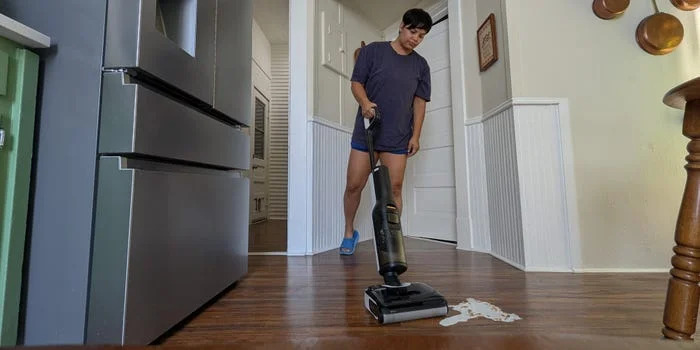
Wet dry vacuums use suction to remove dirt and water. They vacuum dry debris and mop wet spots at the same time. This dual action saves time and effort. For sealed hardwood floors, these vacuums can clean effectively without soaking the wood. The machine picks up water quickly, preventing damage.
Risks Of Using Wet Dry Vacuums On Hardwood
Unsealed hardwood floors can absorb water and swell. Excess moisture can cause warping or staining. Some wet dry vacuums apply too much water or leave floors damp. Using the wrong cleaning solution may also harm the finish. It is important to check floor sealing before using wet cleaning tools.
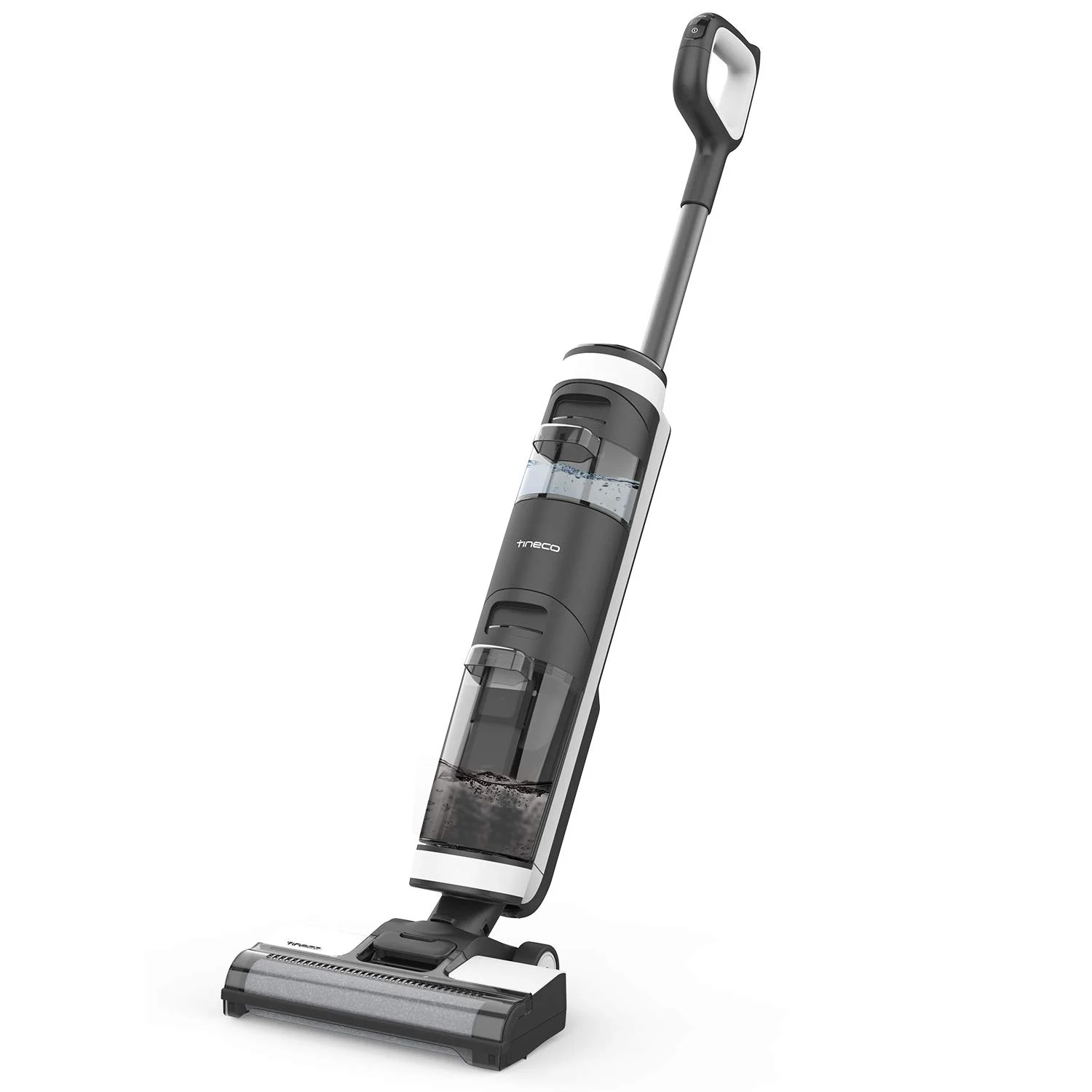
Tips For Using Wet Dry Vacuums On Hardwood Floors
Always use a wet dry vacuum designed for hardwood. Choose one with adjustable water flow and suction settings. Use only recommended cleaning solutions safe for wood. Avoid leaving water puddles on the floor. Dry floors thoroughly after cleaning to protect the wood.
Credit: www.amazon.com
Sealed Vs Unsealed Hardwood Floors
Hardwood floors vary by their finish. Some have a protective seal. Others do not. This difference matters when cleaning. Sealed and unsealed hardwood floors react differently to moisture and cleaning tools. Choosing the right vacuum depends on the type of floor you have.
Sealed Hardwood Floors
Sealed hardwood floors have a protective coating. This seal guards against water and stains. Wet dry vacuums work well on these floors. They can safely handle small amounts of water. The vacuum can mop and dry in one step. This keeps floors clean without damage. Always check the vacuum’s settings for hardwood use.
Unsealed Hardwood Floors
Unsealed hardwood floors lack a protective layer. Water and moisture can soak into the wood. Using a wet dry vacuum with water may cause warping. It can also lead to stains or swelling. Dry cleaning tools, like a dry mop or microfiber cloth, are safer. Avoid wet vacuums or wet mopping on unsealed floors. This helps keep the wood healthy and long-lasting.
Choosing The Right Vacuum For Your Floor
Know your floor’s seal before cleaning. Use wet dry vacuums only on sealed hardwood. For unsealed wood, choose dry cleaning methods. This prevents water damage and extends floor life. Always follow manufacturer recommendations for your floor type. Proper care keeps hardwood floors beautiful and strong.
Benefits Of Wet Dry Vacuums On Wood
Wet dry vacuums offer several benefits for cleaning hardwood floors. They combine vacuuming and wet cleaning in one machine. This makes floor care faster and more efficient. These vacuums are designed to handle both dry debris and liquid spills safely on sealed wood surfaces.
Using a wet dry vacuum helps maintain the natural shine of hardwood floors. They remove dirt without scratching the wood. Their suction power picks up dust and fine particles that brooms might miss. This keeps floors cleaner and healthier.
Efficient Removal Of Dirt And Spills
Wet dry vacuums easily clean dry dirt and wet spills. They prevent moisture from sitting on the wood. Quick drying reduces the risk of water damage. This keeps hardwood floors in good condition longer.
Gentle On Sealed Hardwood
These vacuums are safe for sealed hardwood floors. They use controlled water flow to avoid over-wetting. Soft brushes or pads protect the wood surface. This prevents scratches and preserves the floor’s finish.
Time-saving Cleaning Process
Wet dry vacuums combine vacuuming and mopping in one step. This saves time and effort compared to separate cleaning tools. You can clean large areas faster without switching devices. It makes regular maintenance easier.
Improved Air Quality
These vacuums often have strong filters. They capture dust and allergens from the floor. This improves indoor air quality. Cleaner air is especially helpful for allergy sufferers and families with pets.
:strip_icc()/bhg-wet-dry-vacs-aug-24-test-vacmaster-professional-5-gal-ebrockob-006-31-e35f292a75fb4fa6b9356db39a0c20a6.jpeg)
Credit: www.bhg.com
Risks Of Using Wet Dry Vacuums
Using wet dry vacuums on hardwood floors carries certain risks. These machines are powerful but can cause damage if not used carefully. Hardwood floors need gentle cleaning methods to keep their finish and structure intact. Wet dry vacuums might seem convenient but can harm the wood in several ways.
Damage From Excess Water
Wet dry vacuums use water to clean, which can seep into hardwood seams. Excess moisture causes wood to swell, warp, or cup. Prolonged exposure to water weakens the floorboards and damages the finish. Hardwood floors are sensitive to water, so even small amounts can create problems.
Scratching And Abrasion
Many wet dry vacuums have hard plastic or metal parts. These parts can scratch the hardwood surface during use. Debris picked up by the vacuum can also scratch if not removed carefully. Scratches ruin the smooth look and reduce the floor’s lifespan.
Heavy And Bulky Design
Wet dry vacuums are often large and heavy. This makes maneuvering on hardwood floors difficult. Dragging or pushing a heavy machine can damage floor edges or cause dents. Their size also makes it hard to clean tight spaces properly.
Messy Maintenance
Emptying the dirty water tank can be messy and tricky. Water mixed with dirt and dust can spill onto the floor. This creates more cleaning work and risks water damage. The maintenance process requires care to avoid making a bigger mess.
Best Practices For Cleaning Hardwood
Cleaning hardwood floors needs care and the right tools. Using the proper methods keeps floors shiny and lasts longer.
Choosing the best cleaning practice helps avoid damage and maintains beauty. Hardwood can be sensitive to water and harsh cleaners.
Use A Soft-bristle Brush Or Microfiber Mop
Always use gentle tools like soft brushes or microfiber mops. They clean well without scratching the wood surface.
Hard bristles or rough materials can leave marks. Microfiber picks up dust and dirt without water damage.
Dry Cleaning Is Best For Unsealed Floors
Unsealed hardwood floors should not get wet. Use a dry mop or vacuum that does not use water.
Wet cleaning can cause warping and stains on unsealed wood. Dry methods keep floors safe and clean.
Use Minimal Water With Sealed Floors
Sealed hardwood floors can handle small amounts of water. Use a damp mop, not a soaking wet one.
Too much water can seep under the seal and damage the wood. Wring out mops well before use.
Choose Hardwood-safe Cleaners
Use cleaners made for hardwood floors only. Avoid harsh chemicals or anything with ammonia or bleach.
These cleaners protect the finish and avoid discoloring the wood. Follow instructions on the label carefully.
Test Cleaners In Small Areas First
Always test new products in a hidden spot. This prevents surprises like color changes or damage.
Watch the test area for a day or two before full use. This step saves your floor from harm.
Comparing Wet Dry Vacuums To Traditional Vacuums
Comparing wet dry vacuums to traditional vacuums helps understand their use on hardwood floors. Each type has unique features that affect cleaning performance. Choosing the right vacuum depends on floor type and cleaning needs.
Design And Functionality
Wet dry vacuums handle both wet spills and dry debris. Traditional vacuums only clean dry dirt and dust. Wet dry vacuums often have larger tanks for water and debris. Traditional vacuums are usually lighter and easier to move.
Effectiveness On Hardwood Floors
Wet dry vacuums can mop and vacuum in one pass on sealed hardwood. They remove sticky messes better than traditional vacuums. Traditional vacuums are gentler and less likely to damage the floor finish. Wet dry vacuums may be too harsh for unsealed or delicate hardwood.
Maintenance And Ease Of Use
Wet dry vacuums require cleaning of both water tanks and filters. Emptying wet tanks can be messy. Traditional vacuums need less maintenance and are simpler to empty. Wet dry vacuums are bulkier and harder to store.
Cost And Durability
Wet dry vacuums usually cost more than traditional models. They offer versatile cleaning but may wear out faster with heavy wet use. Traditional vacuums are less expensive and built for regular dry cleaning. Both types last longer with proper care.
Maintenance Tips For Wet Dry Vacuums
Proper maintenance keeps your wet dry vacuum working well on hardwood floors. Regular care prevents damage and extends its life. Clean parts and check filters often for best results.
Cleaning The Filter And Dustbin
Remove the filter after each use. Rinse it with water and let it dry completely before reinstalling. Empty the dustbin or tank regularly to avoid clogs. This keeps suction strong and floor-safe.
Checking For Water Damage
Look for water inside the vacuum parts after wet cleaning. Wipe dry any moisture found. Avoid leaving water in the tank to prevent mold and rust. This protects the vacuum and hardwood floors.
Inspecting Hoses And Attachments
Check hoses and attachments for blockages or cracks. Clean them with warm water and mild soap if dirty. Replace damaged parts to maintain performance and protect your floors from scratches.
Storing Your Wet Dry Vacuum Properly
Store the vacuum in a dry, cool place. Keep it upright to avoid damage. Ensure all parts are dry before storage to prevent mold growth. Good storage keeps your vacuum ready for use.
Choosing The Right Vacuum For Hardwood
Choosing the right vacuum for hardwood floors matters a lot. Hardwood needs gentle care. The wrong vacuum can scratch or damage it. Picking a vacuum made for hardwood keeps floors safe and clean.
Not all vacuums work well on hardwood. Wet dry vacuums offer cleaning both wet and dry messes. But their size and features may not suit every hardwood floor. Knowing what to look for helps pick the best one.
Consider Vacuum Type And Suction Power
Hardwood floors need a vacuum with strong but adjustable suction. Too much suction can pull or scratch the wood. Wet dry vacuums often have powerful suction. Choose a model with settings to lower suction for hardwood.
Check For Soft Brushes And No-marking Wheels
Brushes must be soft to avoid scratching the wood. Look for vacuums with rubber or felt wheels. Hard plastic wheels can leave marks or dents. A wet dry vacuum with gentle attachments protects floors better.
Think About Water Use And Drying Features
Only sealed hardwood floors tolerate water cleaning. Wet dry vacuums that mop and dry at once help prevent water damage. Avoid vacuums that leave floors wet for long. Fast drying keeps wood safe from warping.
Size And Weight Matter For Easy Use
Wet dry vacuums tend to be large and heavy. A bulky vacuum is hard to move around. Pick a model that is light enough to carry and store. Easy handling means more frequent cleaning and better care.
Credit: www.businessinsider.com
Frequently Asked Questions
Can You Use A Wet Dry Vacuum On Hardwood?
You can use a wet dry vacuum on sealed hardwood floors safely. Avoid wet cleaning on unsealed hardwood to prevent damage. Always use a microfiber dry mop for delicate hardwood surfaces. Choose a model designed for hardwood to clean and dry floors efficiently without harm.
What Are The Disadvantages Of Wet And Dry Vacuum Cleaners?
Wet and dry vacuums are bulky and heavy, making them hard to maneuver and store. They cost more and have poorer dry dust filtration. Emptying dirty water is messy. Some models only use cold water, reducing cleaning effectiveness. Maintenance requires cleaning both wet and dry compartments regularly.
What Type Of Vacuum Is Best For Hardwood Floors?
A vacuum with soft bristles or a microfiber brush roll works best on hardwood floors. Choose lightweight, low-suction models to prevent scratches and damage. Avoid vacuums with beater bars or harsh brushes that can harm the finish. Cordless stick vacuums designed for hard surfaces are ideal for easy cleaning.
What Is The Best Way To Clean Hardwood Floors?
Use a soft broom or vacuum with a hardwood floor attachment to remove dust. Clean with a damp microfiber mop and pH-neutral cleaner. Avoid excess water to prevent damage. Dry floors immediately for best results. Regular cleaning maintains shine and durability.
Can Wet Dry Vacuums Damage Hardwood Floors?
Wet dry vacuums can damage unsealed hardwood floors if used with water or cleaners. Sealed floors are safer.
Conclusion
Wet dry vacuums can work well on sealed hardwood floors. They vacuum and mop at the same time, saving effort. Avoid using them on unsealed wood to prevent damage. These vacuums are bulky and need careful handling. Cleaning the tanks can be messy and time-consuming.
Choose the right model for your floor type and cleaning needs. Regular maintenance keeps the vacuum working properly. Overall, wet dry vacuums offer convenience but require proper use and care.
Related reading: How to Fix a Pressure Washer.
Related reading: How to Wash a Car With a Pressure Washer.
{ “@context”: “https://schema.org”, “@type”: “Article”, “headline”: “Are Wet Dry Vacuums Good for Hardwood Floors? Expert Insights”, “description”: “Are wet dry vacuums good for hardwood floors? They are versatile cleaners but require care to avoid damage from excess moisture on wood surfaces.”, “url”: “https://www.powertoolstoday.com/are-wet-dry-vacuums-good-for-hardwood-floors/”, “datePublished”: “2026-01-02”, “dateModified”: “2026-03-18”, “author”: { “@type”: “Organization”, “name”: “Power Tools Today”, “url”: “https://www.powertoolstoday.com” }, “publisher”: { “@type”: “Organization”, “name”: “Power Tools Today”, “url”: “https://www.powertoolstoday.com” }, “mainEntityOfPage”: { “@type”: “WebPage”, “@id”: “https://www.powertoolstoday.com/are-wet-dry-vacuums-good-for-hardwood-floors/” }, “image”: { “@type”: “ImageObject”, “url”: “https://www.powertoolstoday.com/wp-content/uploads/2025/11/are-wet-dry-vacuums-good-for-hardwood-floors.jpg” } }{ “@context”: “https://schema.org”, “@type”: “Article”, “headline”: “Are Wet Dry Vacuums Good for Hardwood Floors? Expert Insights”, “description”: “Are wet dry vacuums good for hardwood floors? They are versatile cleaners but require care to avoid damage from excess moisture on wood surfaces.”, “url”: “https://www.powertoolstoday.com/are-wet-dry-vacuums-good-for-hardwood-floors/”, “datePublished”: “2026-01-02”, “dateModified”: “2026-03-19”, “author”: { “@type”: “Organization”, “name”: “Power Tools Today”, “url”: “https://www.powertoolstoday.com” }, “publisher”: { “@type”: “Organization”, “name”: “Power Tools Today”, “url”: “https://www.powertoolstoday.com” }, “mainEntityOfPage”: { “@type”: “WebPage”, “@id”: “https://www.powertoolstoday.com/are-wet-dry-vacuums-good-for-hardwood-floors/” }, “image”: { “@type”: “ImageObject”, “url”: “https://www.powertoolstoday.com/wp-content/uploads/2025/11/are-wet-dry-vacuums-good-for-hardwood-floors.jpg” } }nn