
Have you ever faced a tough mess that a regular vacuum just couldn’t handle? Whether it’s spilled water, muddy footprints, or stubborn sawdust, cleaning up can quickly become frustrating.
That’s where a wet dry vacuum steps in—your all-in-one cleaning hero. This powerful tool doesn’t just suck up dust and dirt; it can also tackle liquids safely and efficiently. If you want to discover what makes a wet dry vacuum different, how it works, and why it might be the perfect addition to your cleaning arsenal, keep reading.
Your next cleaning challenge just met its match!
Credit: dirtdevil.com
Wet Dry Vacuum Basics
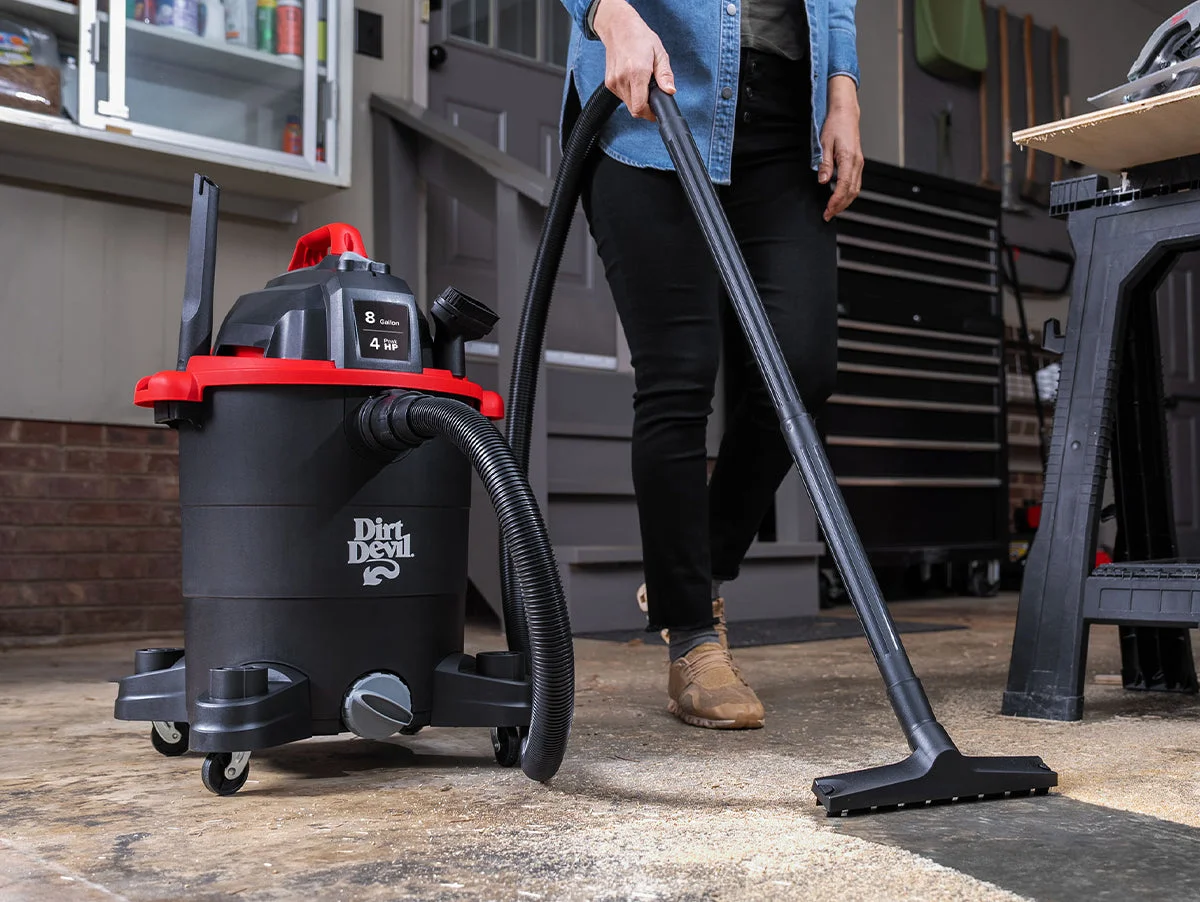
A wet dry vacuum is a cleaning tool that works on both wet and dry messes. It cleans up dirt, dust, spills, and water quickly. This makes it useful for many cleaning jobs at home or work.
Unlike regular vacuums, a wet dry vacuum uses a strong container to hold liquids safely. It can handle solid debris and wet spills without damage. This design allows easy cleaning of different types of messes.
What Is A Wet Dry Vacuum?
A wet dry vacuum is a machine that sucks up dry dust and wet liquids. It can clean sawdust, dirt, water, and spills in one device. Many models have a large tank to collect debris and liquids together.
How Does It Work?
The vacuum uses a motor to create suction. This pulls in dust, dirt, and water through a hose. A filter or separator keeps the motor safe from water damage. The waste collects in a bucket or tank for easy disposal.
Key Features Of Wet Dry Vacuums
- Dual cleaning ability for dry and wet messes
- Strong tank or canister to hold liquids safely
- Filters that protect the motor from water
- Powerful suction for heavy debris and spills
- Versatile attachments for different cleaning tasks
Common Uses
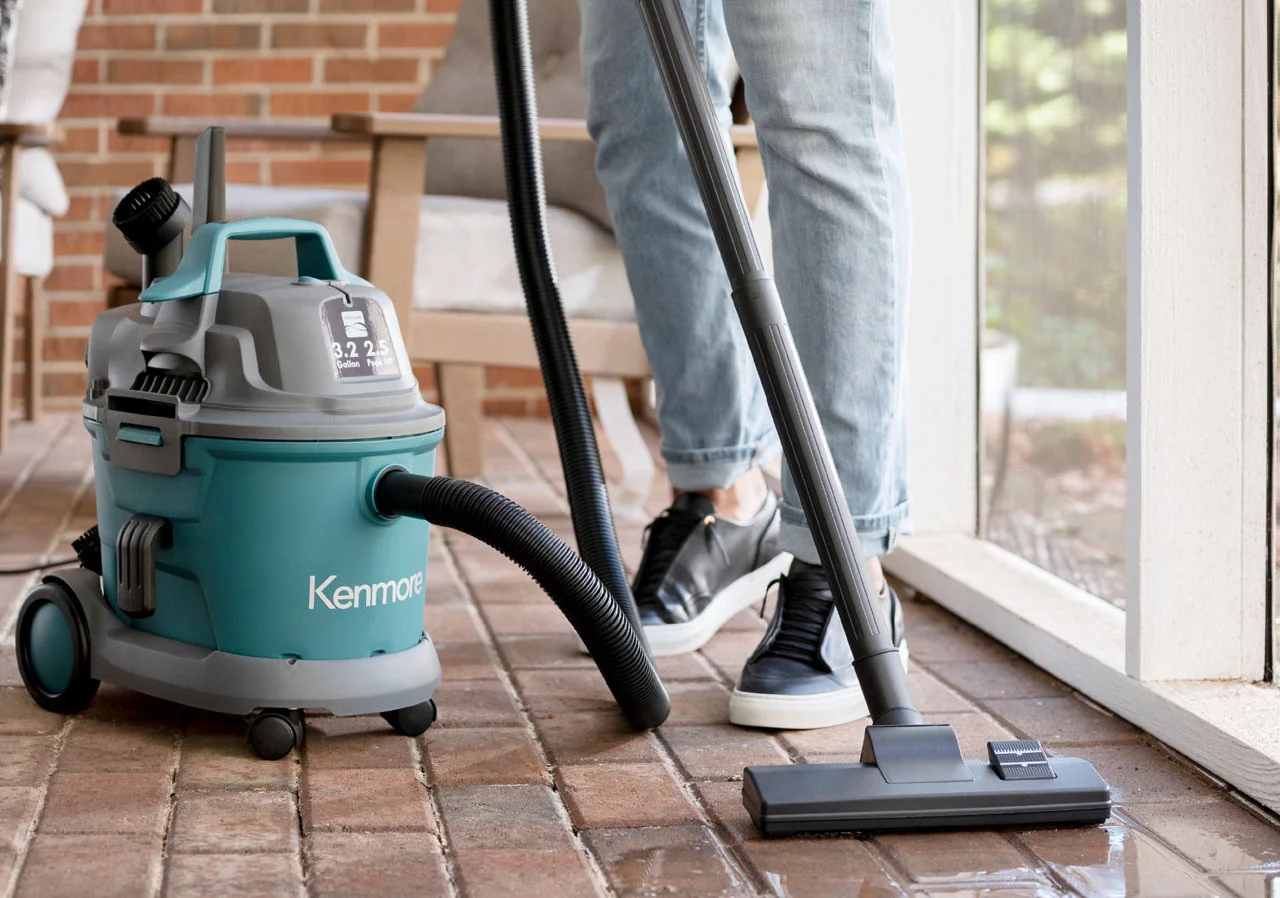
Wet dry vacuums work well for cleaning garages, basements, and workshops. They pick up sawdust, leaves, spilled drinks, and water leaks. People use them for flood cleanup and heavy-duty cleaning jobs.
Credit: kenmorefloorcare.com
Key Features
A wet dry vacuum is a powerful cleaning tool that handles both wet and dry messes. Its key features make it different from regular vacuums and very useful for many cleaning tasks. These features allow it to clean spills, dirt, and debris efficiently in homes, workshops, and job sites.
Understanding the main features helps you see why wet dry vacuums are so popular. Each feature adds to its versatility and strength.
Dual-purpose Cleaning
Wet dry vacuums pick up dry dust, dirt, and debris with ease. They also handle liquids like spilled water, mud, and leaks. This dual-purpose ability saves time and effort by combining two cleaning tools into one.
No Vacuum Bag
Instead of a bag, these vacuums use a strong canister or bucket to collect debris and liquids. This design prevents damage from wet messes and makes emptying the vacuum simple and quick. It also means you can switch between wet and dry cleaning easily.
Durable Construction
Wet dry vacuums are built with tough materials to resist water and heavy use. Their parts, including hoses and filters, are designed to handle both solid and liquid waste without breaking down. This durability ensures long-lasting performance.
Powerful Suction
These vacuums have strong motors that create high suction power. This helps to quickly pick up heavy debris and thick liquids. The strong suction also improves cleaning speed and effectiveness on various surfaces.
Easy Filter System
Wet dry vacuums often include filters that can be removed or replaced depending on the task. For wet cleaning, the filter might be taken out or changed to avoid damage. This feature keeps the vacuum working well for both wet and dry messes.
How It Works
A wet dry vacuum works by using strong suction to clean both liquids and solids. It combines features of a regular vacuum and a pump to handle wet messes safely. This dual function makes it ideal for various cleaning tasks.
The machine pulls air and debris through a hose into a tank. Solid dirt and liquids settle in the container, while air passes through a filter and exits. Filters may change depending on wet or dry use to protect the motor.
Airflow And Suction Mechanism
The motor creates suction by spinning a fan inside the vacuum. This fan pulls air through the hose and into the tank. The suction force lifts debris and liquids from surfaces.
Strong suction ensures even heavy particles and water get sucked up. The airflow moves debris into a large, sealed container.
Separate Containers For Wet And Dry Debris
Wet dry vacuums use a special tank that holds both liquids and solids. Liquids settle at the bottom while solids stay on top or get trapped in filters. This prevents damage and clogging.
Some models have removable or washable filters for wet use. This helps keep the motor safe from moisture.
Filter System
Filters stop dust and dirt from reaching the motor. For dry debris, a fine filter traps small particles. For wet use, the filter is removed or replaced with a foam sleeve.
This system protects the vacuum’s motor from damage and maintains suction power.
Drainage And Cleanup
After use, the container can be easily emptied or drained. Many wet dry vacuums have a drain plug for quick liquid removal. Solids can be dumped out like a trash can.
This design makes cleanup fast and mess-free after picking up liquids and solids.
Dry Cleaning Uses
A wet dry vacuum is excellent for dry cleaning tasks around homes and workshops. It removes dust, dirt, and small debris quickly and efficiently. Its strong suction makes it useful on various surfaces.
This vacuum works well on floors, carpets, and upholstery. It clears sawdust from wood projects and cleans up dirt from garage floors. The vacuum’s wide nozzle reaches corners and tight spaces easily.
Cleaning Carpets And Rugs
A wet dry vacuum cleans carpets by sucking up dirt and dust trapped deep inside. It helps keep rugs fresh and free from allergens. This vacuum can handle pet hair and small debris better than regular vacuums.
Removing Dust From Hard Floors
Hard floors like tile, wood, or concrete get dusty fast. A wet dry vacuum sweeps up dust and crumbs without scattering them. It works well in kitchens, basements, and entryways.
Clearing Workspaces And Workshops
Workshops often have sawdust, metal shavings, and other debris. A wet dry vacuum clears these dry messes quickly. It keeps work areas safer and cleaner for everyone.
Cleaning Upholstery And Furniture
Upholstered furniture collects dust and small particles. Using a wet dry vacuum with a brush attachment removes dirt gently. It refreshes sofas, chairs, and car interiors effectively.
Wet Cleaning Uses
A wet dry vacuum is ideal for cleaning up liquid messes quickly and efficiently. It handles water spills, mud, and other wet debris with ease. This makes it a must-have tool for homes, garages, and workplaces that face wet cleaning challenges.
Using a wet dry vacuum for wet cleaning saves time and effort. It prevents damage to the vacuum motor by safely containing liquids. Its strong suction pulls up water and damp dirt from floors and surfaces.
Cleaning Up Spills
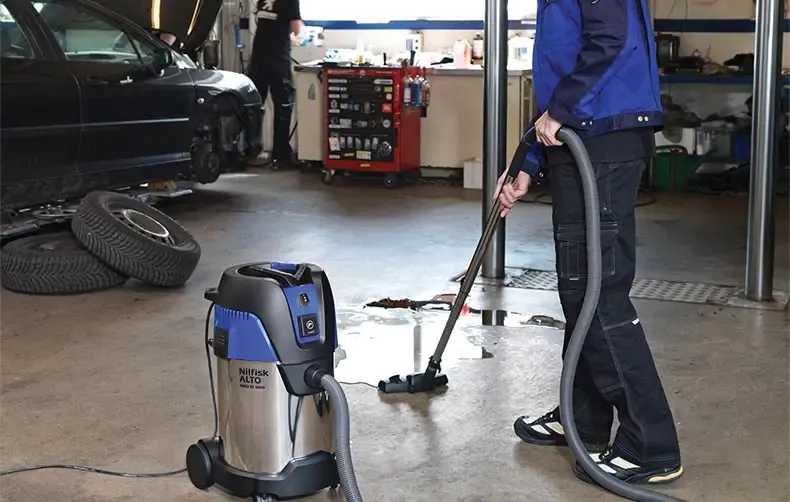
Wet dry vacuums quickly remove liquid spills on floors and carpets. They suck up water from broken pipes or rain leaks. This prevents stains and reduces slip hazards after spills.
Removing Mud And Dirt
These vacuums are perfect for cleaning muddy floors or wet outdoor areas. They pick up wet soil and debris after gardening or outdoor projects. This keeps floors clean and dry without scrubbing.
Drying Wet Carpets
Wet dry vacuums help pull moisture from soaked carpets and rugs. They speed up drying times after floods or heavy rain. This lowers the risk of mold and mildew growth inside homes.
Clearing Clogged Drains
They assist in clearing water and debris from blocked drains. The vacuum can suck out standing water and sludge. This helps restore flow and prevent backups in plumbing systems.
Credit: www.sylvane.com
Wet Dry Vacuum Vs Regular Vacuum
A wet dry vacuum and a regular vacuum serve different cleaning purposes. Understanding their differences helps you choose the right tool for your needs. Each vacuum type works best in specific situations. Knowing these distinctions saves time and effort.
Functionality And Purpose
A regular vacuum cleans only dry dirt and dust. It cannot handle liquids. Wet dry vacuums pick up both wet spills and dry debris. This makes them more versatile for various cleaning tasks.
Design And Construction
Regular vacuums use bags or filters to trap dust. Wet dry vacuums have a strong, liquid-proof container. This container holds water and wet messes safely. Their parts are built to resist damage from liquids.
Common Uses
Regular vacuums work well on carpets and floors. They remove dust, pet hair, and small debris. Wet dry vacuums are ideal for garages, workshops, and basements. They clean up mud, water spills, and sawdust easily.
Maintenance And Care
Regular vacuums need frequent filter and bag changes. Wet dry vacuums require cleaning the tank after wet use. Filters may need removal or replacement to avoid damage. Both need regular upkeep for best performance.
Cost And Portability
Regular vacuums are usually lighter and less expensive. Wet dry vacuums tend to be bulkier and cost more. Their added features justify the higher price for heavy-duty cleaning.
Maintenance Tips
Proper maintenance keeps your wet dry vacuum working well for years. Regular care prevents damage and maintains strong suction. Follow simple steps to clean and check your machine often. This saves money and avoids unexpected breakdowns.
Empty And Clean The Tank Regularly
After each use, empty the tank completely. Rinse it with clean water to remove dirt and debris. Dry the tank before storing to prevent mold and bad smells. This keeps the vacuum hygienic and ready for the next use.
Check And Replace Filters
Filters trap dust and small particles to protect the motor. Inspect filters after every few uses. Clean washable filters with water and let them dry fully. Replace non-washable filters as recommended by the manufacturer to keep suction strong.
Inspect Hoses And Attachments
Look for cracks, clogs, or holes in hoses and attachments. Clear blockages by detaching and running water through hoses. Replace damaged parts to avoid air leaks that reduce vacuum power.
Maintain The Motor And Electrical Parts
Keep the motor area free of dust and moisture. Do not let water enter the motor compartment. Check the power cord for cuts or frays and replace if damaged. Safe electrical parts ensure reliable and safe operation.
Choosing The Right Model
Choosing the right wet dry vacuum model is important for effective cleaning. Different models have various features that suit specific needs. Understanding these features helps you pick a vacuum that fits your tasks perfectly.
Consider the size and power of the vacuum. Larger models offer more capacity but may be heavier and less portable. Smaller models are easy to move but might fill up faster.
Look at the suction power, measured in air watts or CFM (cubic feet per minute). Higher suction power means better cleaning, especially for heavy debris or liquids.
Capacity And Size
The tank size determines how much debris and liquid the vacuum can hold. Bigger tanks reduce the need for frequent emptying. Choose a size that matches your cleaning volume and storage space.
Power And Suction
Strong suction cleans better and faster. Higher power is useful for tough jobs like wet spills or thick dirt. Check the vacuum’s motor wattage or air flow rating before buying.
Portability And Weight
Lightweight models are easy to carry and move around. Consider wheels or handles for better mobility. Heavy vacuums may be hard to transport but offer more power and capacity.
Attachments And Accessories
Different nozzles help clean various surfaces and tight spots. Look for models with multiple attachments like crevice tools, brushes, and extension wands. These add versatility to your cleaning tasks.
Filtration System
A good filter protects the vacuum’s motor and improves air quality. Some models have HEPA filters that trap fine dust and allergens. Choose a filter type based on your cleaning needs and health concerns.
Frequently Asked Questions
Is A Wet And Dry Vacuum The Same As A Carpet Cleaner?
A wet and dry vacuum cleans both wet spills and dry debris. A carpet cleaner specifically deep-cleans carpets using water and detergent. They serve different purposes.
What Is The Difference Between A Wet Dry Vacuum And A Regular Vacuum?
A wet dry vacuum cleans both liquid spills and dry debris. Regular vacuums handle only dry dirt and dust. Wet dry vacuums use a durable container to hold liquids safely, unlike traditional models with bags that can be damaged by moisture.
Can You Use A Wet Dry Vacuum On Carpet?
Yes, you can use a wet dry vacuum on carpet to clean spills and dirt. Use appropriate attachments and avoid over-wetting.
What Are The Disadvantages Of Wet And Dry Vacuum Cleaners?
Wet vacuums can be bulky and noisy, with frequent filter changes needed. Dry vacuums may struggle with wet spills and clog easily. Both types often consume more power and require careful maintenance to avoid damage from inappropriate use.
What Is A Wet Dry Vacuum Used For?
A wet dry vacuum cleans up both wet spills and dry dirt in homes or workspaces.
Conclusion
A wet dry vacuum cleans both wet and dry messes with ease. It works well in homes, workshops, and garages. This tool saves time by handling spills and dirt together. Its strong design protects it from water damage. Simple to use, it fits many cleaning tasks.
Owning one means being ready for any mess. Consider a wet dry vacuum for versatile cleaning needs.
