
Last Updated: March 20, 2026
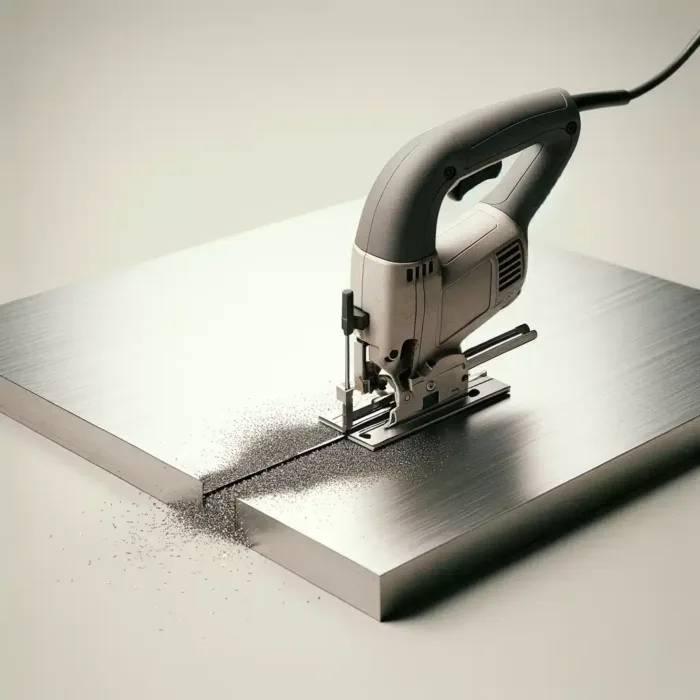
Are you wondering if you can cut metal with a jigsaw? Maybe you have a project that requires shaping metal sheets or pipes, but you don’t own specialized metal-cutting tools.
The good news is that yes, you can use a jigsaw to cut metal—but only if you know the right techniques and have the proper blade. Using your jigsaw the wrong way could damage your tool, ruin your metal, or even cause injury.
You’ll discover exactly how to prepare your jigsaw, choose the best blade, and safely cut metal like a pro. Keep reading to unlock simple tips that will save you time, money, and frustration on your next metal-cutting task.
Choosing The Right Blade
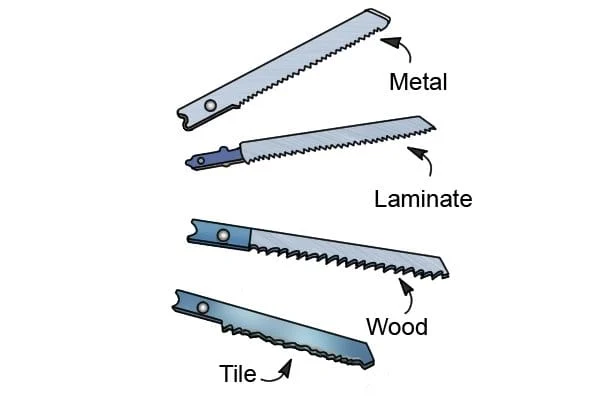
Choosing the right blade is crucial for cutting metal with a jigsaw. The blade affects the cut quality, speed, and safety. Picking a blade designed for metal ensures smooth and precise cuts. Understanding blade materials, tooth design, and durability helps in making the best choice for your project.
Blade Materials For Metal
Blades for metal are usually made from high-speed steel (HSS) or bi-metal. HSS blades stay sharp longer and handle heat well. Bi-metal blades combine flexibility and toughness, resisting breakage during cuts. Avoid using carbon steel blades as they wear out quickly on metal.
Tooth Design And Size
Teeth per inch (TPI) affects cutting ability. Higher TPI means finer teeth for thin metal sheets. Lower TPI works better for thicker metal, allowing faster cutting. Look for blades with ground teeth or precision tips for cleaner cuts. The tooth shape, like ground or wavy, also influences cut smoothness.
Blade Durability And Life
Blade durability depends on material quality and tooth design. Bi-metal blades last longer because they resist heat and bending. Using the correct speed and steady pressure extends blade life. Replace blades if they become dull to avoid rough cuts or damage to the metal.
Preparing The Metal
Preparing metal for cutting with a jigsaw is a crucial step. It ensures clean, safe, and accurate cuts. Proper preparation reduces the risk of mistakes and damage to the material. This process includes securing the metal, marking the cut line, and supporting thin metals. Each part plays a vital role in achieving the best results.
Securing The Workpiece
Firmly securing the metal piece prevents it from moving during cutting. Use clamps or a vise to hold the metal steady. This keeps the workpiece stable and reduces vibrations. A stable metal piece allows for better control and safer cutting. Avoid holding the metal by hand, as it can cause injury or poor cuts.
Marking The Cut Line
Mark the cutting line clearly before starting. Use a permanent marker or a scribe for precision. Draw straight or curved lines depending on the cut shape needed. Clear markings guide the jigsaw blade for accurate cutting. Double-check the measurements to avoid mistakes and wasted material.
Supporting Thin Metals
Thin metal sheets can bend or vibrate during cutting. Place a piece of scrap wood underneath to support the metal. This backing prevents bending and keeps the metal flat. It also helps reduce metal vibration for cleaner cuts. Proper support protects the metal and improves cut quality.
Jigsaw Setup For Metal Cutting
Setting up your jigsaw correctly is key to cutting metal smoothly and safely. Metal demands different tool settings than wood or plastic. Proper adjustments reduce blade wear and improve cut quality. Follow these steps to prepare your jigsaw for metal cutting.
Disabling Pendulum Action
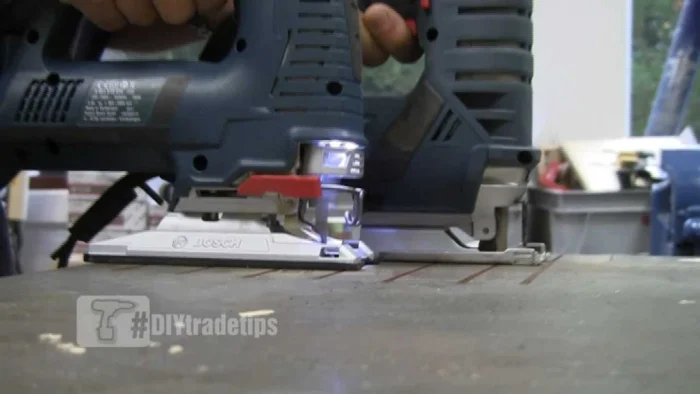
Pendulum action moves the blade forward and backward. This motion works well for wood but can damage metal blades. Turn off the pendulum feature to keep the blade steady. A straight up-and-down cut prevents blade bending and overheating.
Adjusting Speed Settings
Metal cutting requires a slower speed than wood cutting. Lower the jigsaw speed to avoid burning or dulling the blade. Slow, steady cuts give cleaner edges and extend blade life. Use the variable speed control to find the best pace.
Installing The Blade Properly
Choose a blade made for metal, usually with fine teeth. Insert the blade firmly, ensuring the teeth face forward. Check that the blade is tight and straight before starting. A loose blade causes wobbling and rough cuts.
Credit: www.wonkeedonkeetools.co.uk
Cutting Techniques
Cutting metal with a jigsaw requires specific techniques to ensure clean and safe cuts. Using the right approach helps prevent damage to the blade and the metal. It also improves control and accuracy. Below are essential cutting techniques for metal using a jigsaw.
Applying Minimal Pressure
Let the blade do the work instead of forcing it. Pressing too hard can bend or break the blade. It also risks overheating the metal. Apply gentle, steady pressure to guide the jigsaw along the cut line.
Maintaining Steady Movement
Keep the jigsaw moving at a consistent pace. Stopping or moving too fast can cause jagged edges. Smooth, steady motion helps produce a clean cut. Avoid sudden changes in direction to prevent blade damage.
Cooling The Blade
Metal cutting generates heat that can dull the blade quickly. Pause occasionally to let the blade cool down. You can also spray water or cutting oil on the blade. Cooling extends blade life and improves cutting performance.
Safety Precautions
Cutting metal with a jigsaw requires careful attention to safety. Metal cutting can produce sharp edges, sparks, and debris. Taking the right safety steps protects you from injury. Always prepare yourself and your workspace before starting. Follow these safety precautions to work safely and effectively.
Personal Protective Equipment
Wear safety goggles to protect your eyes from flying metal bits. Use ear protection to block loud noise from the jigsaw. Gloves shield your hands from sharp edges and hot metal. Wear a dust mask to avoid breathing metal particles. Use sturdy clothing to cover your skin fully. Never work without proper protective gear.
Handling Sparks And Debris
Metal cutting creates sparks that can cause burns or fires. Keep flammable materials away from your work area. Use a spark guard or shield if possible. Clear away metal debris regularly to avoid slipping or cuts. Be mindful of where sparks fly and stay alert. Do not touch freshly cut metal; it may be hot.
Work Area Preparation
Choose a well-lit and ventilated space for cutting metal. Secure the metal piece firmly using clamps or a vise. Ensure the jigsaw is in good condition and fitted with a metal cutting blade. Remove any tripping hazards or clutter around your work area. Have a fire extinguisher nearby in case of emergencies. Plan your cuts clearly before starting the jigsaw.
Credit: www.youtube.com
Tips For Clean And Accurate Cuts
Cutting metal with a jigsaw requires more than just the right blade. Proper technique and preparation make a big difference. Clean and accurate cuts improve the quality of your work and reduce the need for extra finishing.
Following these tips helps you avoid common problems like rough edges and metal warping. It also ensures your cuts match your measurements exactly. This section covers key advice for better cutting results.
Avoiding Metal Warping
Metal warps when it heats too much during cutting. To stop this, use a slower cutting speed. Let the blade do the work without forcing it through the metal.
Keep the metal cool by spraying water or using a coolant. Clamp the metal firmly to a solid surface. This reduces vibrations that can bend the material.
Finishing Edges
After cutting, edges may be sharp or uneven. Use a metal file or sandpaper to smooth the cut edges. Work slowly to avoid removing too much material.
For a polished look, use a deburring tool to clean inside curves. This step also makes the metal safer to handle.
Common Mistakes To Avoid
Do not use the wrong blade type. Blades for wood will damage the metal and wear out fast. Always choose a blade made for metal cutting.
Avoid pushing the jigsaw too hard. This causes rough cuts and warping. Let the blade cut at its own pace.
Never skip securing the metal. Loose metal moves and leads to uneven cuts. Use clamps to hold it firmly every time.
Credit: www.smetals.co.uk
Frequently Asked Questions
What Thickness Of Metal Can A Jigsaw Cut?
A jigsaw can cut metal up to about 1/4 inch (6 mm) thick using a proper metal-cutting blade. Thicker metals may require slower speeds and steady handling.
What Jigsaw Blade Is Best For Metal?
The best jigsaw blade for metal is a high-speed steel (HSS) blade with fine, closely spaced teeth. It ensures smooth, precise cuts on metal surfaces.
What Is The Best Tool To Cut Metal?
The best tool to cut metal is an angle grinder with a cutting disc. It offers precision, speed, and works on various metal types.
What Setting Do You Cut Metal On A Jigsaw?
Use a metal-cutting blade and clamp the metal securely. Disable pendulum action and set the jigsaw to the slowest speed.
Can A Jigsaw Cut Thick Metal Sheets Safely?
Yes, with the right blade and slow speed, jigsaws can cut thick metal safely.
What Type Of Jigsaw Blade Works Best For Metal?
Use a high-speed steel (HSS) blade with fine teeth designed for metal cutting.
Conclusion
Cutting metal with a jigsaw is possible and practical. Use a blade made for metal cutting only. Secure the metal firmly to avoid slips. Set the jigsaw to a slower speed for better control. Avoid using the pendulum action to reduce rough edges.
Wear safety gear to protect your eyes and hands. With care and the right tools, a jigsaw can handle metal cuts well. Practice on scrap metal before working on your main project. This method saves time and effort for small metal cutting tasks.
{ “@context”: “https://schema.org”, “@type”: “Article”, “headline”: “Can I Cut Metal With a Jigsaw: Expert Tips for Perfect Cuts”, “description”: “Can I cut metal with a jigsaw? This tool uses a reciprocating blade ideal for cutting various materials, including thin metal sheets with proper blades.”, “url”: “https://www.powertoolstoday.com/can-i-cut-metal-with-a-jigsaw/”, “datePublished”: “2025-11-16”, “dateModified”: “2026-03-18”, “author”: { “@type”: “Organization”, “name”: “Power Tools Today”, “url”: “https://www.powertoolstoday.com” }, “publisher”: { “@type”: “Organization”, “name”: “Power Tools Today”, “url”: “https://www.powertoolstoday.com” }, “mainEntityOfPage”: { “@type”: “WebPage”, “@id”: “https://www.powertoolstoday.com/can-i-cut-metal-with-a-jigsaw/” }, “image”: { “@type”: “ImageObject”, “url”: “https://www.powertoolstoday.com/wp-content/uploads/2025/11/Can-I-Cut-Metal-With-a-Jigsaw-1024×576.webp” } }{ “@context”: “https://schema.org”, “@type”: “Article”, “headline”: “Can I Cut Metal With a Jigsaw: Expert Tips for Perfect Cuts”, “description”: “Can I cut metal with a jigsaw? This tool uses a reciprocating blade ideal for cutting various materials, including thin metal sheets with proper blades.”, “url”: “https://www.powertoolstoday.com/can-i-cut-metal-with-a-jigsaw/”, “datePublished”: “2025-11-16”, “dateModified”: “2026-03-19”, “author”: { “@type”: “Organization”, “name”: “Power Tools Today”, “url”: “https://www.powertoolstoday.com” }, “publisher”: { “@type”: “Organization”, “name”: “Power Tools Today”, “url”: “https://www.powertoolstoday.com” }, “mainEntityOfPage”: { “@type”: “WebPage”, “@id”: “https://www.powertoolstoday.com/can-i-cut-metal-with-a-jigsaw/” }, “image”: { “@type”: “ImageObject”, “url”: “https://www.powertoolstoday.com/wp-content/uploads/2025/11/Can-I-Cut-Metal-With-a-Jigsaw-1024×576.webp” } }nn