
If you’ve ever wanted to tackle DIY projects that involve cutting wood, metal, or plastic, mastering the jigsaw is a game-changer. You might think it’s tricky, but once you know how to use this versatile tool properly, your confidence and skills will skyrocket.
Whether you need straight cuts or smooth curves, your jigsaw can handle it all—with the right technique. Stick with me, and I’ll walk you through the simple steps to use your jigsaw safely and effectively, so your next project turns out just the way you imagine.
Ready to cut like a pro? Let’s dive in!
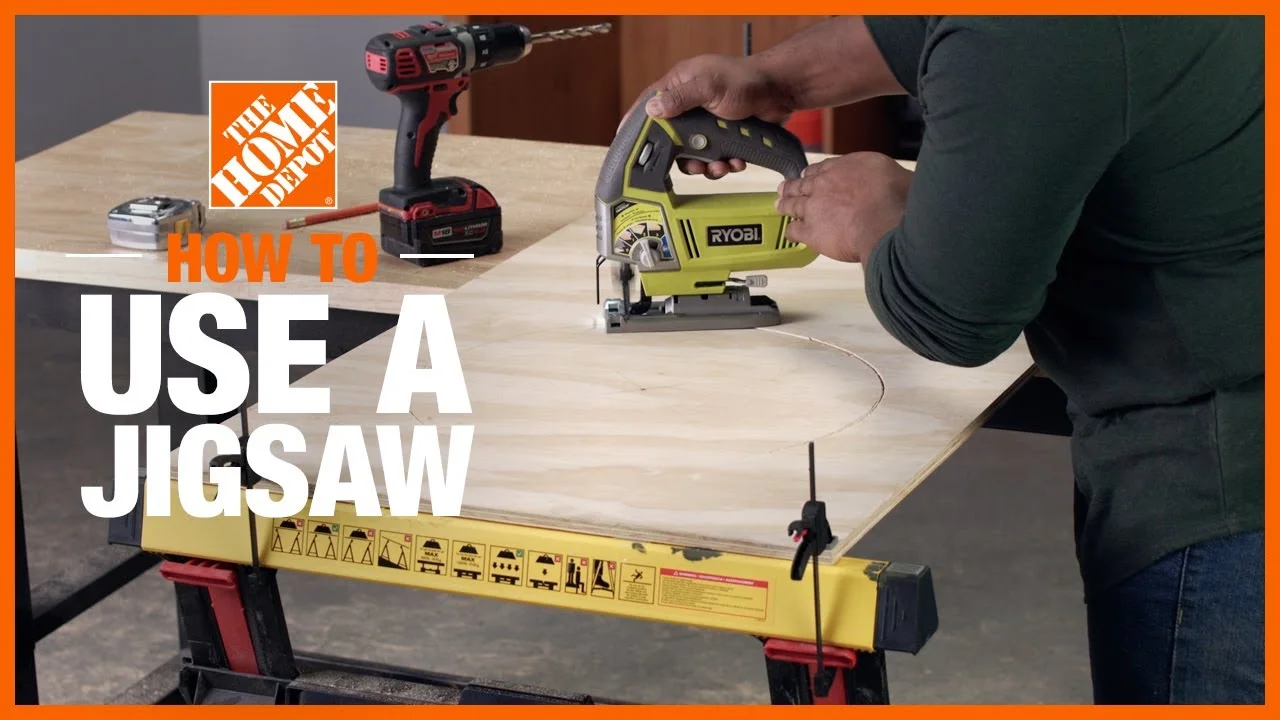
Credit: www.youtube.com
Choosing The Right Blade
Choosing the right blade for your jigsaw is crucial for clean, precise cuts. The blade type affects the speed, smoothness, and accuracy of your work. Using the correct blade also protects your material from damage. Understanding the blade types and their compatibility helps you get the best results every time.
Blade Types And Uses
Jigsaw blades come in many shapes and sizes. Some blades have large teeth for fast, rough cuts. Others have small teeth for smooth, fine cuts. T-shank blades fit most jigsaws and are easy to change. U-shank blades fit older models. Choose a blade based on the cut you want. For curved cuts, use narrow blades. For straight cuts, use wider blades with fine teeth. Special blades exist for metal, wood, and plastic.
Material Compatibility
Different materials need different blades. Wood blades have larger, widely spaced teeth. Metal blades have small, closely spaced teeth. For plastics, use blades designed to reduce melting. Using the wrong blade can damage the material or blade. Check the blade packaging for material types. Always match the blade to your project’s material. This ensures smooth cuts and longer blade life.
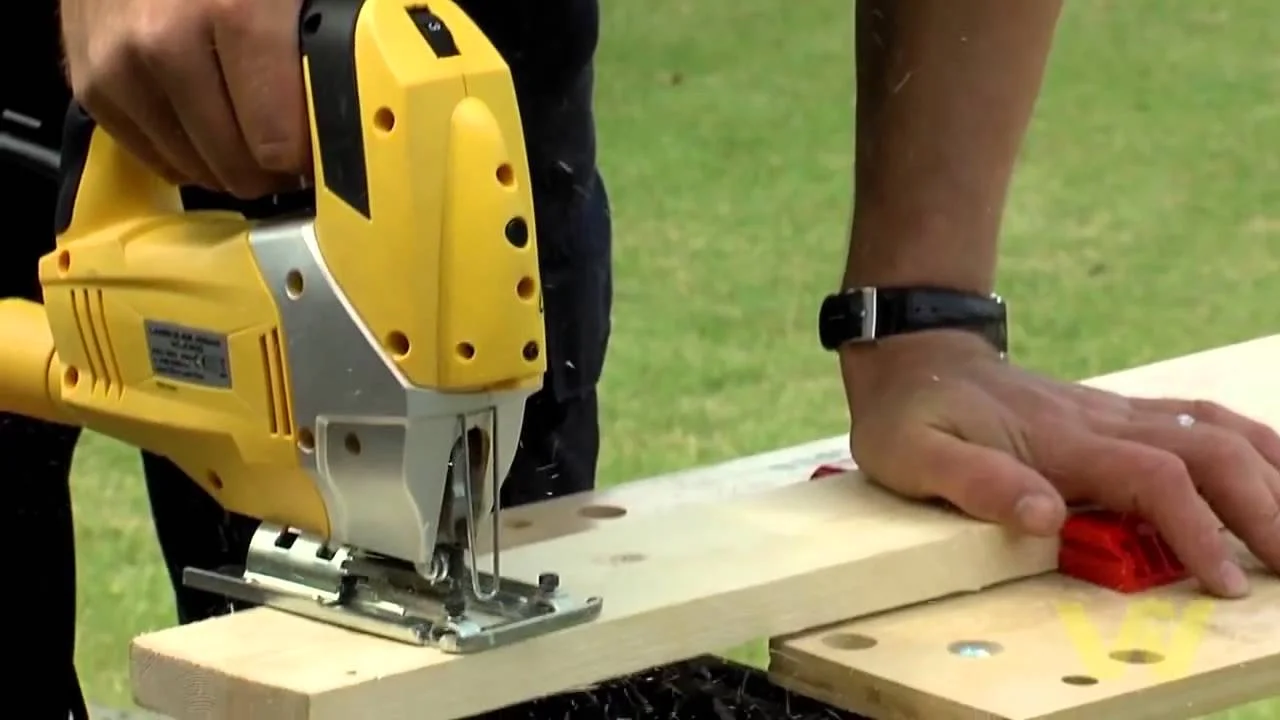
Credit: www.youtube.com
Setting Up Your Jigsaw
Setting up your jigsaw correctly is key for safe and accurate cuts. A well-prepared tool works better and lasts longer. Take your time to install the blade and adjust settings before starting. This ensures control and precision during your project.
Installing And Securing The Blade
First, unplug the jigsaw to avoid accidents. Open the blade clamp by turning the knob or using a hex key. Insert the blade with the teeth facing forward and down. Push the blade into the clamp firmly until it locks. Give the blade a gentle tug to check it is secure. A loose blade can cause poor cuts and danger.
Adjusting Speed And Orbital Settings
Look for the speed control dial or trigger on your jigsaw. Set a low speed for delicate or thin materials. Increase speed for thicker or harder woods. Find the orbital setting switch if your jigsaw has one. Orbital mode moves the blade in a slightly circular motion. This helps cut faster in soft wood but less precise. Turn off orbital mode for smooth, clean cuts in metal or laminates. Adjust these settings based on your material and cut style.
Techniques For Straight Cuts
Making straight cuts with a jigsaw can be challenging. It requires control and good technique. Using simple methods helps keep your cuts clean and straight. Below are two key techniques to improve your straight cutting skills with a jigsaw.
Using Guides And Fences
Guides and fences help direct the jigsaw along a straight path. Clamp a straight piece of wood or metal to your workpiece. This acts as a fence for the jigsaw base to follow. It stops the saw from drifting off course. A long level or ruler can also serve as a guide. Align the jigsaw base against the guide and cut slowly. This ensures a perfectly straight line every time.
Maintaining Steady Pressure
Apply steady, even pressure while cutting. Do not force the jigsaw forward. Let the blade do the work. Pushing too hard can bend the blade and cause wobbly cuts. Keep your hand firm but relaxed. Move the jigsaw at a consistent speed. Stopping or speeding up suddenly can cause the saw to veer off. A smooth, steady motion produces clean, straight cuts.
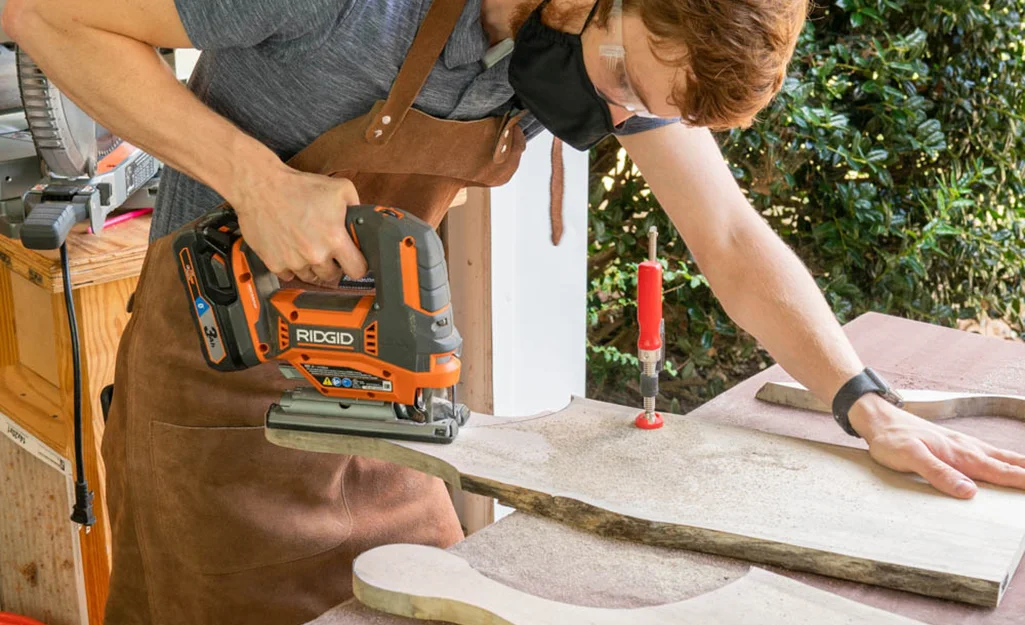
Credit: www.homedepot.com
Mastering Curved And Complex Cuts
Cutting curves and complex shapes with a jigsaw takes practice and care. This tool is perfect for making rounded or irregular cuts in wood, plastic, or metal. Learning to control the jigsaw and choosing the right blade helps create smooth and accurate shapes. Here are key tips to improve your curved and detailed cuts.
Controlling The Jigsaw On Curves
Hold the jigsaw firmly but not too tight. Keep your hand steady to guide the saw along the line. Move slowly and follow the marked curve closely. Do not force the saw; let the blade do the cutting. Turn the base plate slightly to help the saw turn corners smoothly. Practice on scrap wood to get a feel for the speed and pressure needed.
Blade Flexibility And Cut Quality
Use a narrow blade for tight curves. Narrow blades bend easily to follow the shape. Choose blades with fine teeth for clean cuts on thin materials. Thicker blades are better for straight cuts but can cause rough edges on curves. Change the blade if it starts to bend or break. Sharp blades reduce splintering and improve cut quality.
Safety Tips And Best Practices
Using a jigsaw requires careful attention to safety. Following best practices protects you and your tool. This section covers essential safety tips to keep your work smooth and secure.
Protective Gear Essentials
Always wear safety goggles to shield your eyes from flying debris. Use ear protection to guard against noise. Gloves protect your hands but must fit well to avoid slipping. Wear a dust mask to prevent inhaling sawdust. Dress in close-fitting clothes to avoid getting caught in the blade.
Preventing Blade Damage
Use the right blade for your material to avoid damage. Do not force the jigsaw; let the blade cut at its own speed. Keep the base plate flat on the surface to maintain control. Inspect the blade regularly for wear or bending. Replace dull or damaged blades immediately to ensure clean cuts and safety.
Maintenance For Longevity
Proper maintenance helps your jigsaw last longer and work better. Regular care keeps parts running smoothly. It prevents breakdowns and costly repairs. A well-kept jigsaw gives clean, precise cuts every time.
Cleaning And Lubrication
After each use, wipe the jigsaw clean. Remove dust, wood chips, and debris from the blade area. Use a small brush to clear tight spots. Keep vents free to avoid overheating.
Lubricate moving parts with light machine oil. Focus on the blade clamp and guide rollers. This reduces friction and wear. Avoid over-lubricating; use only small amounts.
Blade Replacement Indicators
Watch for dull or damaged blades. They cause rough cuts and strain the motor. If the blade bends or breaks, replace it immediately. A sharp blade makes cutting easier and safer.
Listen for unusual sounds during use. Grinding or squeaking may mean the blade needs changing. Also, check if the jigsaw struggles to cut through wood.
Frequently Asked Questions
How Do You Properly Use A Jigsaw?
Hold the jigsaw firmly and secure the material. Insert the correct blade, align the cut line, and start the saw. Guide it steadily without forcing. Use a straight edge for straight cuts and switch blade direction to pull the saw for better control on curves.
Is A Jigsaw Good For Beginners?
A jigsaw is ideal for beginners due to its compact size and ease of use. It cuts straight lines with guides and excels in curves and shapes. Its handheld design reduces intimidation compared to larger saws, making it perfect for DIY projects and learning basic cutting skills.
What Are Two Things To Always Avoid Cutting With A Jig Saw?
Avoid cutting metal and thick hardwoods with a jigsaw. These materials can bend or damage the blade.
How Do You Cut A Straight Line With A Jigsaw?
Clamp a straightedge guide firmly on the wood. Use a sharp, quality blade and keep the jigsaw base flat. Move the saw steadily along the guide without forcing it. Maintain a slow, controlled speed for an accurate straight cut.
What Is A Jigsaw Used For In Woodworking?
A jigsaw cuts curves, straight lines, and shapes in wood and other materials.
How Do You Safely Operate A Jigsaw?
Wear safety gear, secure your material, and keep both hands on the tool.
Conclusion
Using a jigsaw can be simple and safe with the right steps. Always choose the correct blade for your project. Keep your hand steady and move the saw slowly. Guide the jigsaw along a straight edge for clean cuts. Practice on scrap wood to build confidence.
With patience, you can cut curves and straight lines easily. Remember to wear safety gear to protect yourself. A jigsaw is a useful tool for many DIY projects. Enjoy creating with your jigsaw and improve with every cut.
Related reading: How to Cut an Angle on a Table Saw.
Related reading: How to Cut a Straight Line With a Jigsaw.
Related reading: Can You Cut Ceramic Tile With a Circular Saw.