
Last Updated: March 21, 2026
Are you tired of lugging around a heavy snow shovel every time it snows? You might be wondering if that trusty leaf blower you use in the fall could help you clear snow just as easily.
Can you really use a leaf blower for snow? The idea sounds tempting—less effort, faster cleanup—but there are important things you need to know before you switch tools. You’ll discover when a leaf blower can be your winter hero and when it might leave you stuck in a snowy mess.
Keep reading to find out if your leaf blower can handle the snow or if you should stick to traditional methods.
Leaf Blowers And Snow
Leaf blowers are handy tools for clearing leaves, but they can also help with light snow removal. They work best on dry, powdery snow that is not packed down.
Using a leaf blower on snow is easy and can save time on small surfaces like patios or sidewalks. It is gentle on surfaces and can clear snow without scratching paint on cars.
Best Uses For A Leaf Blower In Snow
- Clearing light, powdery snow quickly and easily
- Cleaning small areas such as decks, patios, and stairs
- Removing snow from vehicles without damage
- Blowing snow off surfaces before it gets compacted
Limitations And Considerations
- Not effective for heavy, wet snow or deep snow accumulation
- Unsuitable for large driveways or big open areas
- Wind can blow snow back, reducing efficiency
- Leaf blowers lack the power of dedicated snow blowers or shovels
Safety Tips For Using Leaf Blowers On Snow
- Wear proper footwear to avoid slipping on icy surfaces
- Keep the blower nozzle clear of ice or debris
- Use eye protection against blowing snow and debris
- Do not use on deep or compacted snow to avoid damage
Best Snow Types For Leaf Blowers
Leaf blowers can be handy tools for snow removal, but their effectiveness depends on the snow type. Not all snow works well with a leaf blower. Choosing the right snow type helps you clear snow faster and easier.
Here are the best snow types for leaf blowers and what to expect from each.
Light And Powdery Snow
Leaf blowers work best on light and powdery snow. This snow is fluffy and dry, allowing the blower’s air to push it away easily. It does not stick or clump, making snow removal quicker.
This type of snow usually falls on cold days with low humidity. It covers surfaces lightly and is easy to move without much force.
Leaf blowers clear powdery snow from decks, sidewalks, and cars without damaging surfaces. It is perfect for clearing thin layers before snow gets packed down.
Dry Vs. Wet Snow
Dry snow is easier to blow away. It is loose and does not stick to surfaces or itself. Leaf blowers handle dry snow well and clear it without much effort.
Wet snow is heavy and sticky. It clumps together and sticks to the ground. Leaf blowers struggle with wet snow because it is too heavy to move easily.
Wet snow can clog the blower and slow you down. For this snow type, shovels or snow blowers work better. Leaf blowers are not designed for wet or packed snow.
Ideal Areas To Use Leaf Blowers
Leaf blowers can be handy tools for clearing snow in specific areas. Their strong air flow works best on light, powdery snow. Understanding where to use a leaf blower for snow can save time and effort. Some spots are perfect for this tool, while others are not.
Small Outdoor Spaces
Leaf blowers excel in small outdoor spaces. Patios, decks, and sidewalks with thin snow layers clear quickly. Steps and narrow paths also benefit from their focused air stream. These areas often get slippery and need fast clearing. Leaf blowers remove snow without damaging surfaces. Using them here prevents ice buildup and keeps walkways safe.
Clearing Vehicles
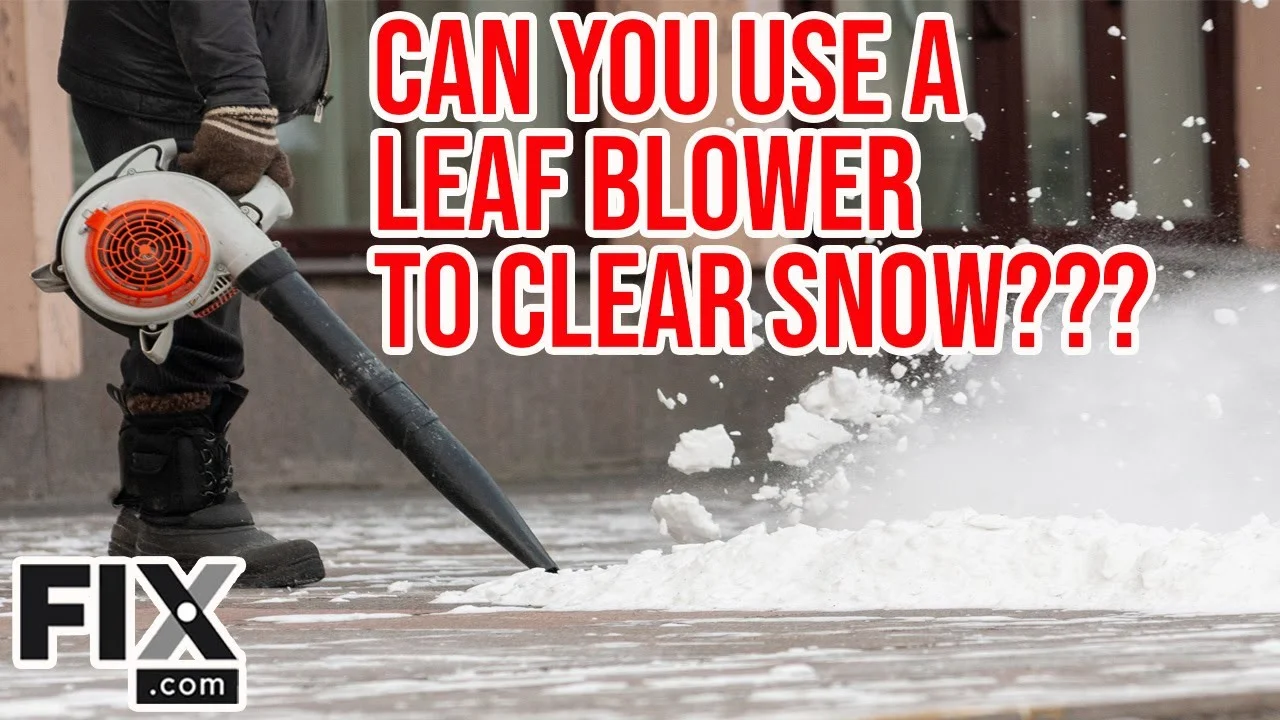
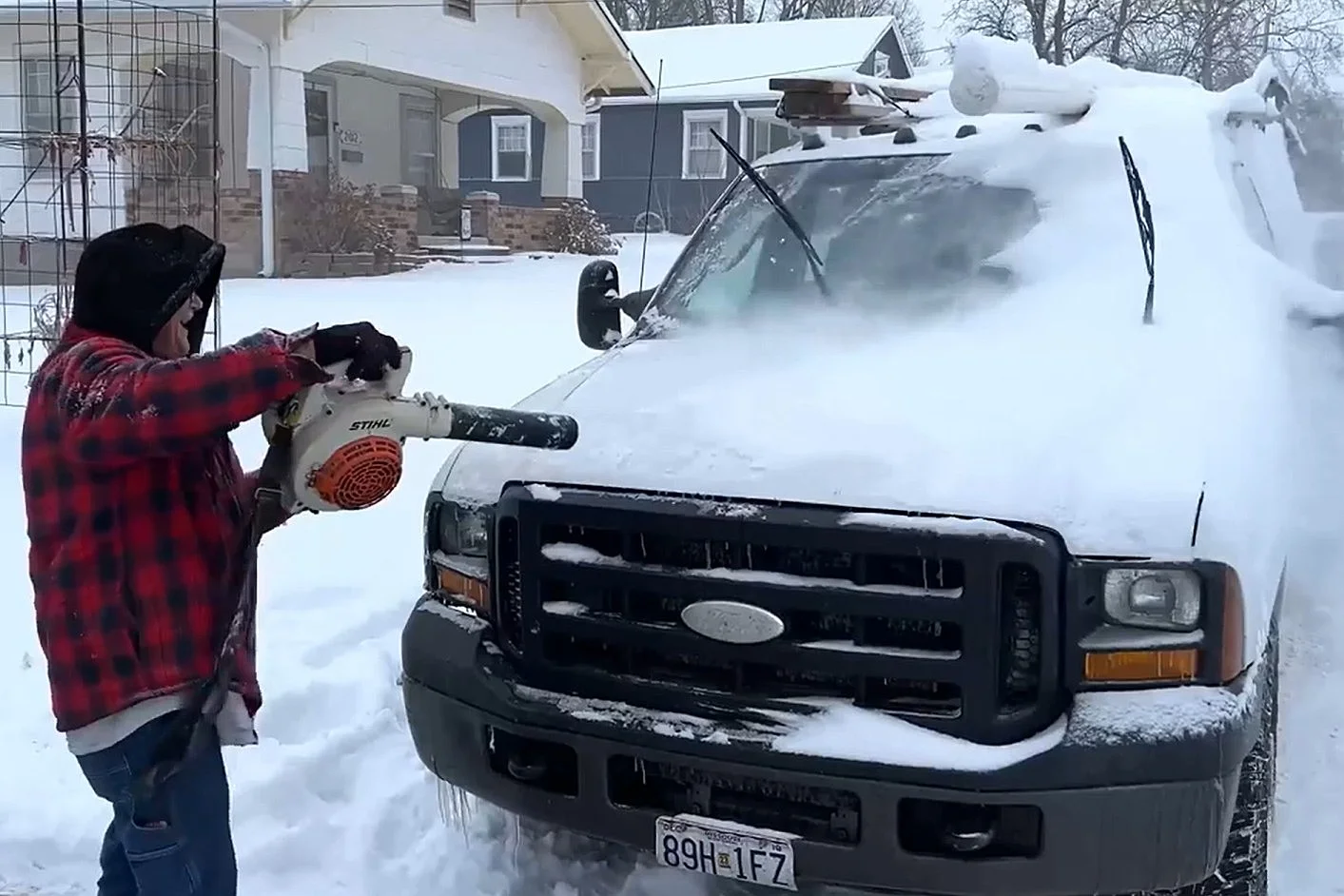
Leaf blowers gently clear snow from cars and trucks. They remove powdery snow without touching the paint. This reduces the risk of scratches from brushes or shovels. Blowing snow off mirrors, windows, and roofs is easy. It helps keep your vehicle ready for the road. Leaf blowers save time compared to scraping or brushing snow off.
Credit: www.youtube.com
Limitations Of Leaf Blowers In Snow
Leaf blowers can help clear light snow, but they have clear limits. Understanding these limits will save effort and frustration. Not all snow types and areas suit leaf blowers well. Knowing when they struggle helps you choose the right tool.
Heavy And Wet Snow Challenges
Leaf blowers work best on dry, powdery snow. Heavy and wet snow is much harder to move. The blower’s air power often can’t push thick snow. Wet snow sticks together and resists blowing. This reduces the leaf blower’s effectiveness significantly. Attempting to clear heavy snow wastes time and energy.
Inefficiency On Large Areas
Leaf blowers cover small spaces like patios or steps well. Large driveways or long sidewalks pose problems. Clearing wide areas with a leaf blower takes too long. It requires many passes to move deep snow. This makes leaf blowers inefficient for big jobs. A snow blower or shovel is better for large spaces.
Safety And Risks
Using a leaf blower for snow removal can save time and effort. Yet, it carries safety concerns and risks. Understanding these risks helps prevent damage and injury. Always consider safety first before using a leaf blower on snow.
Potential Damage To Property
Leaf blowers can damage delicate surfaces under the snow. Paint on cars or wood on decks can chip or scratch easily. High air pressure might blow loose stones or gravel, causing harm to nearby objects. Using a leaf blower on wet or heavy snow can push snow into cracks and damage plants or fences. Keep a safe distance from fragile items to reduce risk. Avoid using the blower too close to painted surfaces or thin materials.
User Safety Tips
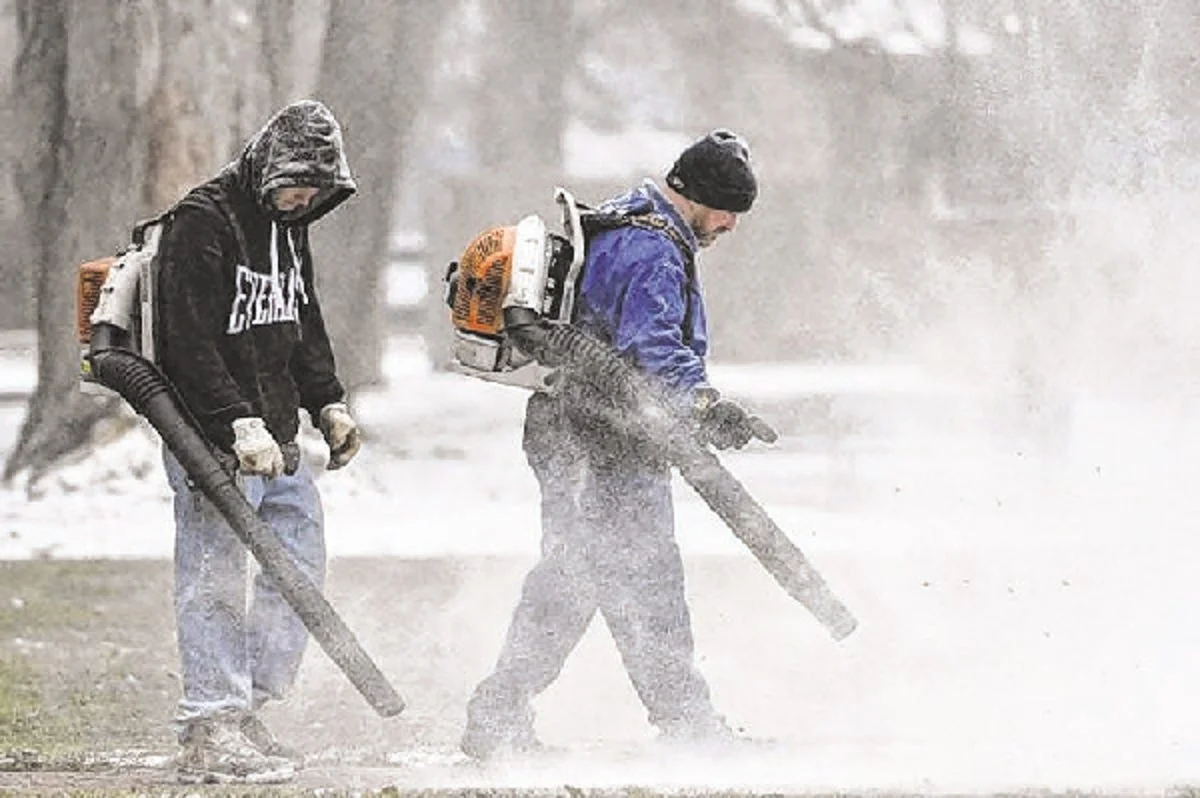
Wear eye protection to guard against flying debris. Snow and ice can hide sharp objects that the blower might kick up. Use gloves to keep hands warm and maintain a good grip. Avoid loose clothing that can get caught in the blower. Keep children and pets away while operating the machine. Hold the blower firmly and work slowly to keep control. Stop using the blower if snow becomes too heavy or wet, as it can cause the machine to clog or slip. Always follow the manufacturer’s safety instructions for your leaf blower.
Credit: www.capecodtimes.com
Techniques For Effective Snow Removal
Removing snow effectively with a leaf blower requires certain techniques. These methods help clear snow quickly and prevent it from sticking or piling up. Understanding how to prepare and adjust your equipment makes a big difference. Follow these simple steps to get the best results with your leaf blower on snowy days.
Pre-treatment Blowing
Start by blowing loose, dry snow before it becomes packed down. This pre-treatment stops snow from forming a hard layer. Clear paths or surfaces early to avoid heavy buildup. Focus on light snow on walkways, steps, and decks. Removing snow early makes final clearing easier and faster.
Proper Blower Settings
Use the correct speed setting on your leaf blower for snow removal. Choose a medium to high speed for light, powdery snow. Avoid the highest speed on wet or heavy snow to prevent damage. Adjust the nozzle angle to push snow away from surfaces. Keep the blower moving steadily to avoid leaving patches of snow behind.
Comparing Leaf Blowers To Snow Blowers
Comparing leaf blowers to snow blowers helps understand their best uses. Both tools move snow, but they do it very differently. Knowing how each works makes snow removal easier and faster.
Functionality Differences
Leaf blowers use a strong air stream to push snow away. They work best on light, dry snow. Snow blowers have a rotating auger that scoops and throws snow. They handle heavy, wet snow and deep piles well. Snow blowers clear large areas faster than leaf blowers. Leaf blowers are lighter and easier to carry around.
When To Choose Each Tool
Choose a leaf blower for small spaces like patios and cars. It clears thin layers of powdery snow quickly. Pick a snow blower for driveways or thick snow layers. It removes snow without much effort or time. Leaf blowers cost less and need less storage space. Snow blowers require more maintenance but offer better power for tough jobs.
Credit: hot1047.com
Expert Tips And Recommendations
Using a leaf blower for snow removal can save time and effort. Knowing how to use it correctly makes the job easier. Here are some expert tips and recommendations for best results.
Choosing The Right Leaf Blower For Snow
Pick a leaf blower with strong air power and high speed. Gas-powered models usually work better than electric ones. Make sure it is lightweight for easy handling. Check the air volume and speed before buying.
Best Conditions To Use A Leaf Blower On Snow
Use the leaf blower on dry, powdery snow. It moves light snow easily without much effort. Avoid using it on wet or heavy snow as it may not clear well. Early mornings or before snowfall compacts are ideal times.
Safe Techniques For Effective Snow Clearing
Hold the leaf blower close to the ground but do not touch it. Blow snow in one direction to avoid scattering it back. Wear protective eyewear to keep snow and debris out of your eyes. Use slow, steady movements for better control.
Areas Where A Leaf Blower Works Best
Clear patios, decks, sidewalks, and stairs using a leaf blower. It also works well to remove snow from cars and furniture. Avoid using it on large driveways or deep snow piles. Small, flat areas give the best results.
Maintenance Tips After Using A Leaf Blower In Snow
Clean the leaf blower after use to remove moisture and snow residue. Store it in a dry place to prevent rust and damage. Check the air filter and fuel system regularly during winter. Proper care extends the tool’s lifespan.
Frequently Asked Questions
Do Leaf Blowers Work In Snow?
Leaf blowers work best on light, powdery snow and small areas like patios or cars. They struggle with heavy, wet snow and large spaces. Use them to clear dry snow before it compacts for easier removal later. They are not a substitute for snow blowers or shovels.
Can You Use A Leaf Blower As A Snow Blower?
You can use a leaf blower to clear light, powdery snow from small areas like decks, stairs, and cars. It won’t handle heavy, wet snow or large spaces effectively. For deep or packed snow, a dedicated snow blower or shovel works better.
Is There A Difference Between A Leaf Blower And A Snow Blower?
A leaf blower uses air to move leaves or light, powdery snow. A snow blower mechanically scoops and throws heavy, wet snow. Leaf blowers suit small, dry snow areas; snow blowers handle large, deep snow efficiently. They differ in design, power, and purpose for snow removal.
Can You Use A Leaf Blower To Get Snow Off A Car?
Yes, a leaf blower can clear light, powdery snow off a car quickly without scratching the paint. Avoid using it on heavy, wet snow.
Can You Use A Leaf Blower To Remove Snow?
Yes, a leaf blower works well to clear light, dry snow from small areas.
Conclusion
Using a leaf blower for snow works well with light, powdery snow. It clears small areas like decks, stairs, and cars easily. Avoid using it on heavy, wet snow or large driveways. Wind can also make snow removal harder with a leaf blower.
This tool helps when snow is fresh and not packed down. Remember, a leaf blower is not a full snow removal solution. Keep it for quick, light snow jobs to save time and effort.
{ “@context”: “https://schema.org”, “@type”: “Article”, “headline”: “Can You Use a Leaf Blower for Snow: Effective Winter Cleanup Tips”, “description”: “Can you use a leaf blower for snow? It helps remove light, powdery snow by blowing it away but is less effective on heavy or wet snow.”, “url”: “https://www.powertoolstoday.com/can-you-use-a-leaf-blower-for-snow/”, “datePublished”: “2025-12-20”, “dateModified”: “2026-03-18”, “author”: { “@type”: “Organization”, “name”: “Power Tools Today”, “url”: “https://www.powertoolstoday.com” }, “publisher”: { “@type”: “Organization”, “name”: “Power Tools Today”, “url”: “https://www.powertoolstoday.com” }, “mainEntityOfPage”: { “@type”: “WebPage”, “@id”: “https://www.powertoolstoday.com/can-you-use-a-leaf-blower-for-snow/” }, “image”: { “@type”: “ImageObject”, “url”: “https://www.powertoolstoday.com/wp-content/uploads/2025/11/can-you-use-a-leaf-blower-for-snow.jpg” } }{ “@context”: “https://schema.org”, “@type”: “Article”, “headline”: “Can You Use a Leaf Blower for Snow: Effective Winter Cleanup Tips”, “description”: “Can you use a leaf blower for snow? It helps remove light, powdery snow by blowing it away but is less effective on heavy or wet snow.”, “url”: “https://www.powertoolstoday.com/can-you-use-a-leaf-blower-for-snow/”, “datePublished”: “2025-12-20”, “dateModified”: “2026-03-19”, “author”: { “@type”: “Organization”, “name”: “Power Tools Today”, “url”: “https://www.powertoolstoday.com” }, “publisher”: { “@type”: “Organization”, “name”: “Power Tools Today”, “url”: “https://www.powertoolstoday.com” }, “mainEntityOfPage”: { “@type”: “WebPage”, “@id”: “https://www.powertoolstoday.com/can-you-use-a-leaf-blower-for-snow/” }, “image”: { “@type”: “ImageObject”, “url”: “https://www.powertoolstoday.com/wp-content/uploads/2025/11/can-you-use-a-leaf-blower-for-snow.jpg” } }nn