
Your deck can be the perfect spot to relax, entertain, and enjoy the outdoors. But over time, dirt, mold, and grime build up, making it look dull and worn.
You might be wondering how to bring back that fresh, clean look without damaging the wood. Pressure washing is one of the fastest and most effective ways to restore your deck’s beauty. However, if done incorrectly, it can cause more harm than good.
In this guide, you’ll learn exactly how to pressure wash your deck safely and efficiently, step by step. By following these simple tips, your deck will look refreshed and ready for any gathering. Keep reading to discover the easy tricks that pros use to clean wood decks without any hassle.
Credit: www.mitm.com
Preparing The Deck
Preparing the deck is the first step before pressure washing. It helps get better results and protects the wood. Taking time to prepare means fewer problems later. Follow simple steps to make the deck ready for cleaning.
Clearing Furniture And Debris
Remove all furniture from the deck. Move grills, plants, and any other items away. Sweep the deck to clear leaves, dirt, and loose debris. This cleaning allows the pressure washer to reach every spot. A clear deck also prevents damage to your belongings.
Pre-treating Stains And Mold
Look for dark stains or mold patches on the wood. Use a deck cleaner or a mild detergent to pre-treat these areas. Apply the cleaner with a brush and let it sit for 10 to 15 minutes. This step loosens dirt and kills mold before washing. Pre-treating helps the pressure washer clean deeper and faster.
Credit: www.mywindowwashing.com
Choosing The Right Equipment
Choosing the right equipment is key to pressure washing a deck safely and effectively. The right tools make cleaning easier and protect the wood from damage. Understanding your equipment helps you get the best results.
Selecting The Pressure Washer
Pick a pressure washer with a PSI between 500 and 6000. For decks, 1500 to 2500 PSI works well. Lower PSI cleans gently without harming the wood. Electric washers suit small decks and are quiet. Gas washers are powerful but heavier and louder. Consider water flow rate, shown as GPM. Higher GPM means faster cleaning. A washer with adjustable pressure is ideal for different surfaces.
Nozzle Types And Their Uses
Nozzles control the spray angle and pressure. They affect how you clean the deck. A 25-degree nozzle offers a wide spray for general cleaning. A 40-degree nozzle is gentler for delicate areas. Use a 15-degree nozzle for tough stains or dirt. Never use a 0-degree nozzle on wood; it is too strong and can damage the deck. Some washers have a soap nozzle to apply cleaner before washing. Change nozzles carefully to avoid injury.
Setting Up Safety Measures
Setting up safety measures is key before pressure washing your deck. It helps avoid injuries and protects your property. Taking simple steps can make the cleaning process safer and more effective.
Pressure washers use strong water jets that can cause harm. Proper preparation reduces risks for you and your surroundings. Always plan ahead to keep everything safe and sound.
Protective Gear
Wear safety glasses to shield your eyes from debris. Gloves protect your hands from high-pressure water and cleaning chemicals. Use closed-toe shoes with good grip to avoid slips. Long pants and a long-sleeve shirt protect your skin from splashes. Hearing protection is important if your pressure washer is loud. Dress properly to stay safe during the entire job.
Protecting Surrounding Plants And Surfaces
Cover nearby plants with plastic sheets or tarps to prevent damage. Spray chemicals and water jets can harm leaves and roots. Move outdoor furniture and grills away from the deck. Cover windows, walls, and light fixtures close to the deck. This prevents water stains and damage from the pressure washer. Protecting your surroundings saves time and effort later.
Adjusting Pressure Settings
Adjusting the pressure settings on your pressure washer is crucial for cleaning your deck safely and effectively. Using the right pressure helps remove dirt and grime without harming the wood. Too much pressure can damage the deck, while too little may not clean it properly. Understanding how to set the correct pressure ensures a clean, smooth finish every time.
Recommended Psi For Wood Decks
Wood decks usually require a pressure between 500 and 6000 PSI. For most softwoods like pine, use 500 to 600 PSI. Hardwoods like cedar or redwood can handle up to 800 PSI. Start with a lower pressure and increase gradually if needed. This range cleans dirt and mold without stripping the wood fibers.
Avoiding Damage To The Wood
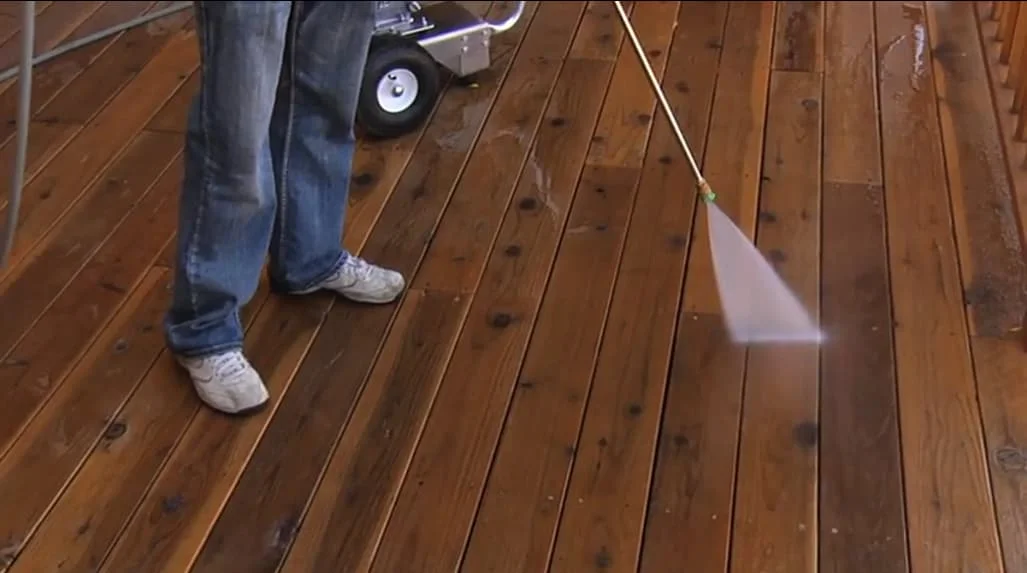
High pressure can cause splintering and gouges on wood surfaces. Hold the nozzle at least 12 inches from the deck. Use a wide fan spray nozzle to spread the pressure evenly. Keep the wand moving constantly to avoid staying in one spot. Always test on a small hidden area before full cleaning.
Pressure Washing Techniques
Pressure washing a deck requires the right techniques to protect the wood. Using proper methods removes dirt and mildew without damage. Focus on nozzle choice and spray direction for best results.
Applying consistent pressure and smooth movements helps clean evenly. Avoid staying too long in one spot to prevent wood splintering. These techniques make your deck look fresh and ready for use.
Using Wide-fan Nozzle
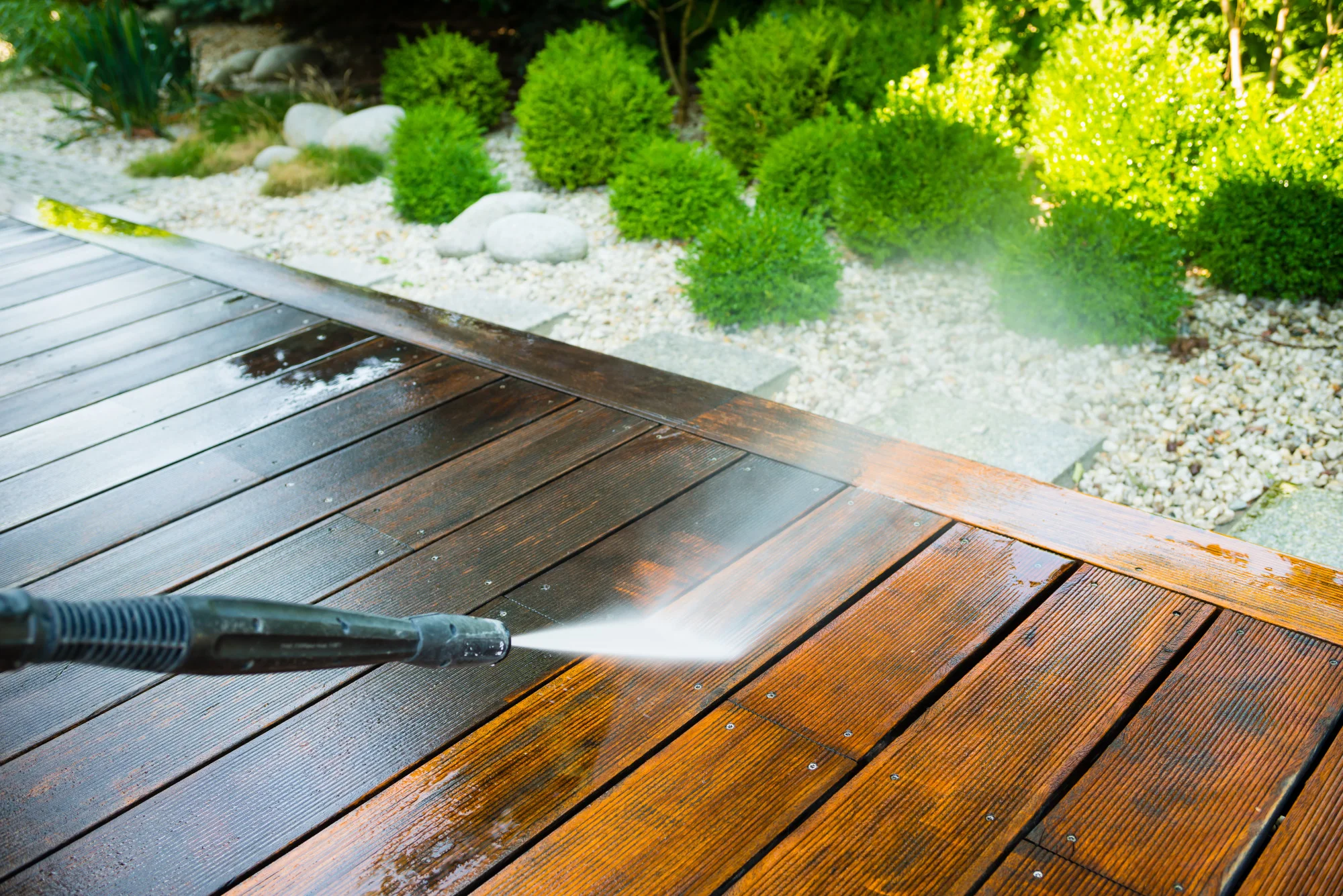
A wide-fan nozzle spreads water over a larger area. It reduces the force on the wood, lowering damage risk. Attach this nozzle to your pressure washer before starting.
This nozzle helps clean surfaces gently and thoroughly. It removes dirt and grime without cutting into the wood. Always test the pressure on a small area first.
Sweeping Motions Along Wood Grain
Move the spray in smooth, sweeping motions along the wood grain. This follows the natural lines of the wood, preventing damage. Use steady speed to ensure even cleaning.
Avoid spraying directly against the grain or staying in one spot too long. These habits can cause splintering or gouges. Keep the nozzle about 12 inches from the surface.
Rinsing And Drying
Rinsing and drying your deck after pressure washing is key. This step removes leftover dirt and cleaner. It also prepares the wood for drying and sealing. Proper rinsing and drying prevent damage and ensure a clean finish. Follow these simple steps for best results.
Thorough Water Rinse
Use clean water to rinse the deck fully. Start at one end and move steadily to the other. Avoid staying too long in one spot to prevent wood damage. A wide spray nozzle helps rinse evenly. Make sure no soap or dirt remains on the surface. Rinse the deck edges and corners carefully. This step flushes out grime loosened by washing.
Allowing Proper Dry Time
Let the deck dry completely before using or sealing it. Drying usually takes 24 to 48 hours. Weather affects drying time; warm, dry days speed it up. Avoid walking on the deck while wet to stop marks. Check that the wood feels dry to the touch. Proper drying stops mold and helps sealants stick well. Patience here pays off with a longer-lasting deck.
Post-wash Inspection
After pressure washing your deck, a careful inspection is essential. This step ensures the deck is clean and safe for use. It also helps spot any damage caused by the cleaning process or existing issues that need repair. Taking time to check the deck can prevent future problems and keep the wood in good condition.
Checking For Damage
Look closely at the wood for cracks, splinters, or soft spots. These signs show where the wood may be weak or rotting. Check the railings and steps for loose nails or screws. Pressure washing can sometimes loosen fasteners or reveal hidden damage. Mark any problem areas to fix later to avoid accidents or further damage.
Identifying Areas Needing Additional Cleaning
Even after washing, some spots might still look dirty or stained. Check corners, gaps between boards, and places under furniture or plants. These areas often hold more dirt and mildew. Use a brush or a lower pressure setting to clean these spots again. Doing this will make your deck look fresh and well cared for.

Credit: www.olympic.com
Sealing And Maintenance Tips
Sealing and maintaining your deck extends its life and keeps it looking great. After pressure washing, sealing protects wood from moisture, sun, and wear. Regular care prevents damage and reduces the need for costly repairs.
Choosing The Right Sealant
Select a sealant based on your deck’s wood type and climate. Transparent sealants show the wood’s natural color. Semi-transparent sealants add color and protect against UV rays. Solid sealants cover imperfections but hide the wood grain. Look for water-resistant and mildew-resistant formulas for long-lasting protection.
Regular Cleaning Schedule
Clean your deck twice a year to prevent dirt buildup. Sweep leaves and debris regularly to avoid stains and mold. Use a mild soap and water solution for light cleaning between pressure washes. Check for damage like cracks or splinters and fix them promptly. A clean deck stays safe and attractive year-round.
Frequently Asked Questions
What Do You Put On A Deck Before Pressure Washing?
Clear all furniture and debris from the deck. Sweep loose dirt and leaves. Apply a deck cleaner if needed before pressure washing. Use a wide-fan nozzle and wash parallel to the wood grain.
What Is The Mistake For Pressure Washing A Deck?
Common mistakes include using too high pressure, spraying too close, and not following wood grain, causing wood damage. Use a wide-fan nozzle and smooth, consistent strokes.
Can You Clean A Deck With A Pressure Washer?
Yes, you can clean a deck with a pressure washer. Use a wide-fan nozzle and sweep parallel to the wood grain. Remove furniture and debris first, then pre-treat stains if needed. Apply consistent, gentle pressure to avoid damaging the wood while effectively removing dirt and grime.
How Much Does It Cost To Pressure Wash A 12×12 Deck?
Pressure washing a 12×12 deck typically costs between $60 and $120. Prices vary by location and service quality.
How Do I Prepare My Deck Before Pressure Washing?
Clear all furniture and debris, sweep loose dirt, and pre-treat with a cleaner if needed.
Conclusion
Pressure washing your deck keeps it clean and extends its life. Clear the area and use the right nozzle. Move the spray smoothly along the wood grain. Avoid high pressure to prevent damage. Regular cleaning prepares your deck for sealing or staining.
A clean deck looks inviting and feels safer. Take your time and follow steps carefully. Enjoy your refreshed outdoor space after washing. Simple care makes a big difference over time.
