
Last Updated: March 21, 2026
Are you wondering if you can use an orbital sander on your drywall? Whether you’re tackling a small patch or prepping walls for a fresh coat of paint, knowing the right sanding tool can save you time and frustration.
Using an orbital sander might seem like a quick fix, but it comes with its own set of do’s and don’ts that could make or break your project. You’ll discover when an orbital sander is a smart choice for drywall, how to use it without damaging your walls, and what alternatives could work better for bigger jobs.
Keep reading to learn how to get smooth, professional-looking drywall with the right sanding approach.
Orbital Sander Basics
An orbital sander is a popular power tool used for smoothing surfaces. It uses a sanding pad that moves in small circles or orbits. This movement helps remove material evenly and prevents deep scratches.
Understanding the basics of an orbital sander helps decide if it suits drywall work. The tool is lightweight and easy to handle. It works well on wood, metal, and drywall surfaces for small tasks.
What Is An Orbital Sander?
An orbital sander has a round sanding pad that spins and vibrates. It moves in random orbits, which reduces visible sanding marks. This makes the finish smooth and uniform.
How Does An Orbital Sander Work?
The motor drives the sanding pad in circular motions. The pad also vibrates slightly, which prevents swirl marks. Sandpaper discs attach to the pad using hook-and-loop fasteners.
Types Of Orbital Sanders
There are two main types: random orbital and finishing sanders. Random orbital sanders move in random patterns for faster material removal. Finishing sanders have smaller orbits and are gentler on surfaces.
Common Uses Of Orbital Sanders
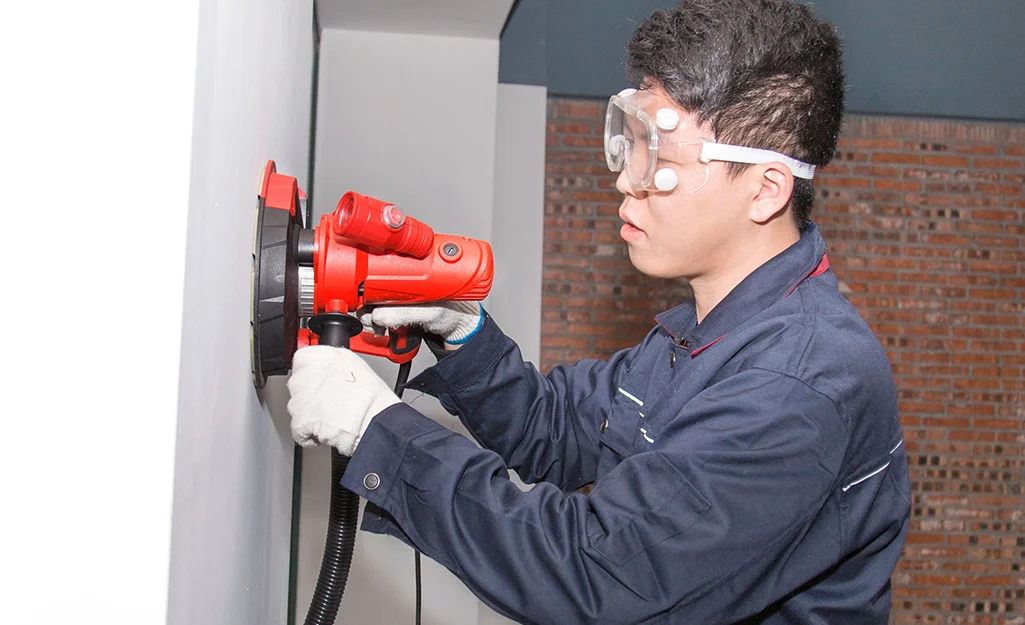
Orbital sanders smooth wood, paint, and small drywall patches. They help prepare surfaces for painting or staining. They work best on flat or slightly curved areas.
Credit: www.homedepot.com
Ideal Drywall Tasks
Using an orbital sander on drywall works best for specific tasks. It provides control and efficiency on smaller or detailed areas. The tool helps achieve a smooth surface without damaging the drywall. Here are some ideal drywall tasks for an orbital sander.
Small Patch Work
Orbital sanders handle small patch work with ease. They smooth out joint compound or filler quickly. This prevents rough spots and blends the patch into the surrounding wall. The sander’s size allows for precise control around edges.
Resanding Painted Surfaces
Resanding painted drywall benefits from an orbital sander’s light touch. It removes imperfections and uneven paint layers. The tool readies the surface for a fresh coat of paint. It also helps avoid damage to the drywall beneath.
Texture Removal
Orbital sanders can remove drywall texture before refinishing. They strip off old popcorn or knockdown finishes. This creates a flat surface for new textures or paint. Care is needed to avoid over-sanding and harming the drywall paper.
Proper Sanding Techniques
Proper sanding techniques are essential for a smooth, professional drywall finish. Using an orbital sander correctly can save time and reduce effort. It also helps avoid damage and uneven surfaces. Follow these key tips to get the best results on drywall.
Steady Overlapping Motion
Move the sander in steady, overlapping circles. This pattern prevents uneven spots and swirl marks. Keep the motion consistent to blend the surface smoothly. Avoid stopping in one place for too long.
Light Pressure Use
Apply only light pressure on the sander. Let the tool’s power do the work. Pressing too hard can damage drywall paper or create gouges. Light pressure leads to better control and a finer finish.
Continuous Movement
Keep the sander moving constantly while it touches the wall. Stopping can cause dips or rough patches. Continuous movement ensures even sanding and a uniform surface. This technique reduces sanding marks.
Avoid Fastener Damage
Watch for nails and screws under the drywall surface. Avoid sanding directly over them. Hitting fasteners can damage the sander pad and the drywall itself. Sand around these areas carefully to protect your tools and walls.
Dust Management
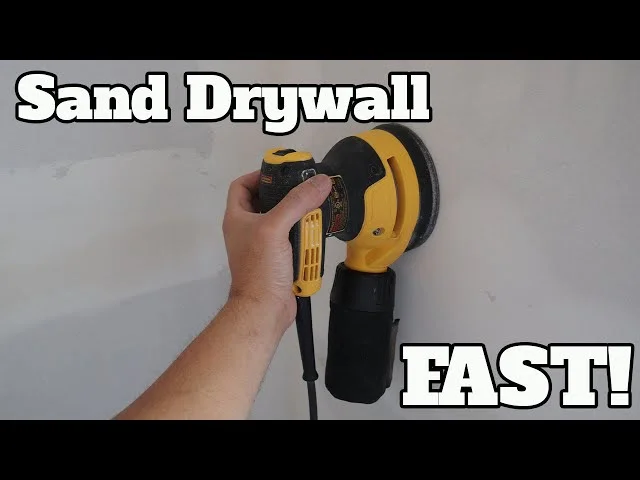
Drywall sanding creates a lot of dust. Use a vacuum attachment with your orbital sander to control dust. This keeps your workspace clean and improves visibility. Good dust management also helps the finish dry evenly and look better.
Common Mistakes To Avoid
Using an orbital sander on drywall can speed up your work. Yet, many make mistakes that cause damage or uneven surfaces. Avoiding these errors saves time and effort. Here are common mistakes to watch out for during drywall sanding.
Applying Too Much Pressure
Pressing hard can gouge the drywall surface or tear the paper layer. Let the sander’s weight do the work. Light pressure ensures smooth, even sanding without damage.
Stopping In One Spot
Holding the sander still causes uneven spots or swirl marks. Keep the sander moving steadily in overlapping patterns. This prevents visible sanding marks and keeps the surface uniform.
Using The Wrong Grit Sandpaper
Starting with very coarse grit can create deep scratches. Begin with medium grit and finish with fine grit sandpaper. This approach smooths the surface gradually and avoids rough patches.
Not Managing Dust Properly
Drywall dust spreads everywhere and can clog the sander. Attach a vacuum or dust collection system. This keeps your workspace cleaner and improves sanding quality.
Hitting Fasteners Directly
Running the sander over nails or screws can damage the tool and wall. Sand carefully around fasteners to avoid dents or tool wear. Use hand sanding near these spots if needed.
Dust Control Tips
Using an orbital sander on drywall helps smooth small patches and painted areas efficiently. Keep the sander moving steadily and apply light pressure to avoid damage. Attach a vacuum to reduce dust for a cleaner, smoother finish.
Use A Vacuum Attachment
Attach a vacuum to your orbital sander. It catches most dust as you work. This keeps the air cleaner and reduces mess. Using a vacuum helps protect your lungs and your home.
Wear A Dust Mask
Always wear a dust mask while sanding drywall. It stops dust from entering your nose and mouth. Choose a mask rated for fine dust particles. This simple step keeps you healthy during sanding.
Seal Off The Room
Close doors and windows before sanding. Use plastic sheets to cover doorways. This prevents dust from spreading to other areas. Keeping dust contained makes cleanup easier and faster.
Clean Frequently
Stop sanding to clean dust regularly. Wipe walls and floors with a damp cloth. Vacuum the area to remove loose dust. Frequent cleaning lowers the risk of dust buildup.
Use Lower Grit Sandpaper
Start with a coarser grit to reduce dust. Coarser sandpaper removes material faster with less dust. Switch to finer grit for finishing touches. This method controls dust while smoothing surfaces.
Credit: www.youtube.com
Alternative Sanding Tools
Sanding drywall requires the right tools to achieve a smooth, professional finish. While orbital sanders can work on small areas, alternative sanding tools often deliver better results. These tools help control dust and prevent damage to the drywall surface. Using the proper equipment makes sanding easier and faster.
Dedicated Drywall Sanders
Dedicated drywall sanders are built specifically for drywall surfaces. They have larger sanding pads that cover more area quickly. These sanders usually come with long handles to reach high walls and ceilings. Most models include dust collection systems to reduce mess. Their design helps avoid gouging or damaging drywall paper. These tools save time on large projects and produce smooth finishes.
Manual Sanding Blocks
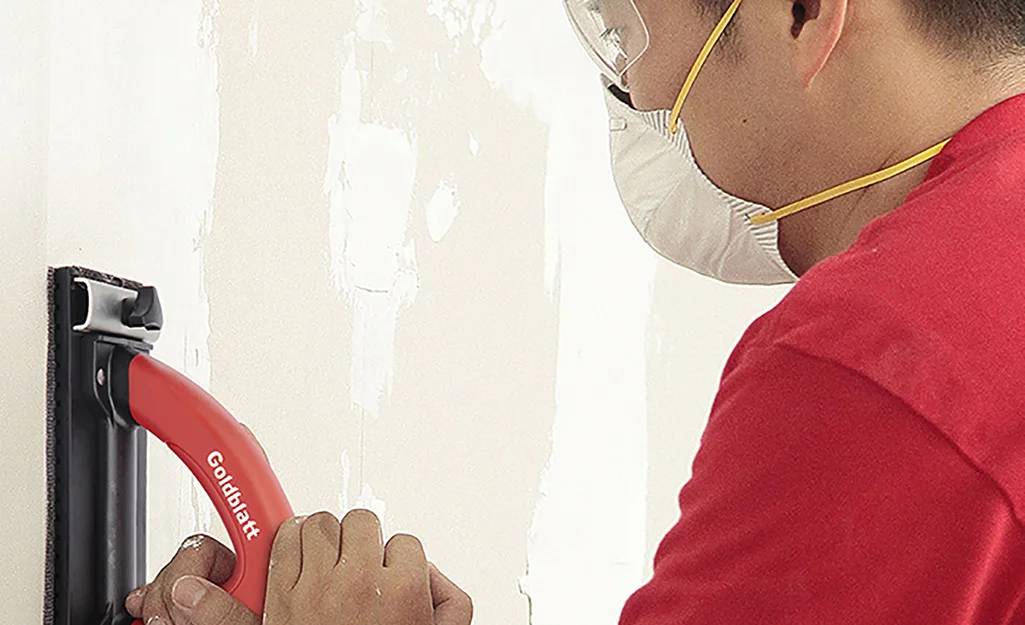
Manual sanding blocks are simple tools for small drywall jobs. They allow precise control over pressure and movement. These blocks hold sandpaper firmly and help sand corners or edges carefully. Using a sanding block reduces the risk of over-sanding. They create less dust compared to powered tools. Manual sanding works well for touch-ups and delicate areas.
When Not To Use An Orbital Sander
Orbital sanders can be handy for drywall, but not always the best choice. Knowing when to avoid them prevents damage and saves time. Some drywall tasks need gentler or more specialized tools.
Using an orbital sander in the wrong situations can cause rough surfaces or holes. It may also create too much dust or uneven sanding.
On Large Wall Surfaces
Orbital sanders work best on small areas. Large walls need consistent, even sanding. Using an orbital sander on big surfaces can cause uneven spots. A drywall sander or pole sander is better for this job.
On Delicate Or Thin Drywall
Thin drywall can easily get damaged by orbital sanders. The tool’s speed and pressure may cause dents or tear the paper. Hand sanding or a softer tool keeps the surface safe.
On Finished Or Painted Walls
Orbital sanders can remove paint or finish too quickly. This may leave marks or expose the drywall underneath. Use a sanding sponge or fine-grit sandpaper for touch-ups.
Near Nails And Screws
Sanding near fasteners risks hitting them with the sander pad. This can damage the tool and the wall. Sand carefully by hand in these areas instead.
When Dust Control Is Crucial
Orbital sanders create a lot of dust. Without a vacuum attachment, dust spreads everywhere. In small or closed spaces, use hand sanding or a drywall sander with built-in dust control.
Credit: www.homedepot.com
Finishing Touches After Sanding
After sanding drywall with an orbital sander, several finishing steps ensure a smooth, ready-to-paint surface. These touches help remove dust, fix imperfections, and prepare walls for priming or painting. Taking time for these steps improves the overall look and durability of your drywall work.
Proper finishing also helps avoid uneven paint or texture problems. Even minor dust or bumps can show through paint. The right final steps create a professional, clean finish that lasts.
Cleaning Off Dust
Dust from sanding settles on the drywall and surrounding areas. Use a vacuum or a dry cloth to remove this dust. Wiping walls with a damp sponge captures fine dust particles. A clean surface helps paint stick better and look smoother.
Inspecting For Imperfections
Look closely for small dents, gouges, or rough spots. Lightly run your hand across the wall to feel bumps or uneven areas. Mark these spots to apply more joint compound or filler. Sand again lightly after repairs dry to keep the surface flat.
Applying A Primer
Primer seals drywall and joint compound, creating an even base for paint. Use a drywall-specific primer for best results. Primer blocks uneven absorption of paint and prevents blotchy finishes. Apply with a roller or brush and let it dry fully before painting.
Frequently Asked Questions
What Is The Difference Between A Drywall Sander And An Orbital Sander?
A drywall sander is designed for large, flat surfaces and controls dust effectively. An orbital sander suits small patches and detailed work but lacks specialized dust management.
What Kind Of Sander Is Best For Drywall?
A drywall sander with a vacuum attachment works best for large surfaces. For small patches, use an orbital sander for smooth finishes.
In Which Situations Should An Orbital Sander Not Be Used?
Avoid using an orbital sander on delicate surfaces, curved edges, or large drywall areas needing uniform finish. It can cause damage or uneven sanding.
Can I Sand Drywall With A Sander?
Yes, you can sand drywall with a sander. Use an orbital sander for small patches or smoothing filler. Apply light pressure and keep the sander moving to avoid damage. For large areas, consider a dedicated drywall sander for better efficiency and dust control.
Can You Use An Orbital Sander On Drywall?
Yes, orbital sanders work well for small drywall patches and smoothing joint compound.
Conclusion
Using an orbital sander on drywall works well for small patches and light smoothing. Move the sander steadily and apply gentle pressure to avoid damage. Always keep it moving to prevent uneven spots or swirl marks. Dust control is important, so use a vacuum attachment if possible.
For larger projects, a dedicated drywall sander may be a better choice. Manual sanding can also work for tiny areas. Overall, an orbital sander can help, but use it carefully and choose the right tool for the job.
Related reading: hackzall vs reciprocating saw comparison.
Related reading: what a reciprocating saw is used for.
Related reading: reciprocating saw vs Sawzall comparison.
Related reading: how to use a reciprocating saw.
{ “@context”: “https://schema.org”, “@type”: “Article”, “headline”: “Can You Use an Orbital Sander on Drywall: Expert Tips Revealed”, “description”: “Can you use an orbital sander on drywall? It is a power tool used to smooth surfaces and can effectively prepare drywall for painting or finishing.”, “url”: “https://www.powertoolstoday.com/can-you-use-an-orbital-sander-on-drywall/”, “datePublished”: “2025-12-03”, “dateModified”: “2026-03-18”, “author”: { “@type”: “Organization”, “name”: “Power Tools Today”, “url”: “https://www.powertoolstoday.com” }, “publisher”: { “@type”: “Organization”, “name”: “Power Tools Today”, “url”: “https://www.powertoolstoday.com” }, “mainEntityOfPage”: { “@type”: “WebPage”, “@id”: “https://www.powertoolstoday.com/can-you-use-an-orbital-sander-on-drywall/” }, “image”: { “@type”: “ImageObject”, “url”: “https://www.powertoolstoday.com/wp-content/uploads/2025/11/can-you-use-an-orbital-sander-on-drywall.webp” } }{ “@context”: “https://schema.org”, “@type”: “Article”, “headline”: “Can You Use an Orbital Sander on Drywall: Expert Tips Revealed”, “description”: “Can you use an orbital sander on drywall? It is a power tool used to smooth surfaces and can effectively prepare drywall for painting or finishing.”, “url”: “https://www.powertoolstoday.com/can-you-use-an-orbital-sander-on-drywall/”, “datePublished”: “2025-12-03”, “dateModified”: “2026-03-19”, “author”: { “@type”: “Organization”, “name”: “Power Tools Today”, “url”: “https://www.powertoolstoday.com” }, “publisher”: { “@type”: “Organization”, “name”: “Power Tools Today”, “url”: “https://www.powertoolstoday.com” }, “mainEntityOfPage”: { “@type”: “WebPage”, “@id”: “https://www.powertoolstoday.com/can-you-use-an-orbital-sander-on-drywall/” }, “image”: { “@type”: “ImageObject”, “url”: “https://www.powertoolstoday.com/wp-content/uploads/2025/11/can-you-use-an-orbital-sander-on-drywall.webp” } }nn