
Last Updated: March 21, 2026
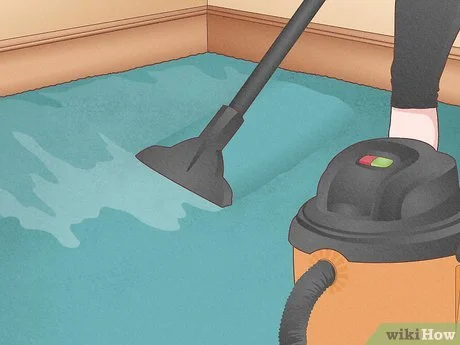
Have you ever spilled water on your carpet and wondered if you could just vacuum it up? It’s a common question because a wet carpet can quickly turn into a big problem.
You might think grabbing your regular vacuum is the fastest way to fix the mess, but hold on—doing that could actually make things worse. Using the wrong vacuum on a wet carpet can damage your machine, create electrical hazards, and even lead to mold growth that puts your health at risk.
So, what should you do instead? Keep reading to discover the safest and most effective ways to deal with a wet carpet and protect both your home and your vacuum.
Credit: www.wikihow.com
Risks Of Vacuuming Wet Carpet
Vacuuming a wet carpet might seem like a quick fix. It can remove some moisture, but it also brings serious risks. Standard vacuum cleaners are not made to handle water. Using them on a wet carpet can lead to damage and safety problems.
Understanding these risks helps protect your home and your vacuum cleaner. Avoid mistakes that can cost you more in repairs or replacements.
Electrical Hazard
Water and electricity do not mix. A standard vacuum can short circuit if it sucks up water. This creates a risk of electric shock. It can harm you and damage your vacuum cleaner’s motor. Never use a regular vacuum on a wet carpet.
Damage To Vacuum Cleaner
Water can clog filters and corrode internal parts. It harms the motor and other components. Using the wrong filter for wet pickup causes permanent damage. Your vacuum may stop working after wet cleaning. This leads to costly repairs or buying a new one.
Mold And Mildew Growth
Vacuuming wet carpet may push moisture deeper into fibers. This creates a perfect place for mold to grow. Mold causes bad smells and health issues. It can damage the carpet permanently. Drying the carpet properly is crucial to avoid mold problems.
Credit: www.carpettech.com
Electrical Hazards Explained
Vacuuming a wet carpet can be risky due to electrical dangers. Water and electricity do not mix well. Using a regular vacuum on wet carpet may cause serious problems. Understanding these hazards helps keep you safe and protect your equipment.
Water can enter the vacuum’s motor and cause a short circuit. This can lead to electric shock, which is dangerous for anyone nearby. The risk grows if the vacuum is plugged into a power source while wet.
Risk Of Electric Shock
Electric shock happens when water conducts electricity through the vacuum. It can harm you physically or cause injury. Even a small amount of moisture inside the vacuum can trigger this. Avoid using regular vacuums on wet surfaces to prevent shocks.
Damage To Vacuum Motor
Water inside the vacuum motor can cause it to fail. Motors are not made to handle liquids. Moisture can corrode parts and clog filters. This damage can lead to costly repairs or replacing the vacuum entirely.
Short Circuits And Fire Hazard
Water exposure can cause short circuits inside the vacuum. A short circuit may create sparks or overheating. This increases the risk of fire in your home. Using a vacuum not designed for wet use is unsafe and can lead to accidents.
Why Wet/dry Vacuums Are Safer
Wet/dry vacuums have special seals and insulation. They are built to handle liquids safely. These vacuums reduce the chance of electrical hazards. They also have filters designed for wet debris. Using them correctly prevents damage and keeps you safe.
Damage To Vacuum Cleaners
Vacuuming a wet carpet with a standard vacuum cleaner can cause serious damage. Most regular vacuum cleaners are not designed to handle moisture. Water inside the vacuum can short-circuit the motor and electronic parts. This often leads to permanent damage and costly repairs. Using a regular vacuum on wet carpet also creates safety hazards, including electrical shocks.
Wet carpets require special care and tools. Wet/dry vacuums are built to handle liquids safely. They have waterproof parts and filters designed for water extraction. Even so, these vacuums need proper use and cleaning after wet carpet vacuuming. Otherwise, moisture can cause rust, clogging, or mold inside the machine.
Motor Damage From Water Exposure
Water can enter the motor housing of a standard vacuum. This causes the motor to short-circuit or burn out. Motors are not sealed for wet use, so moisture causes corrosion. Once damaged, the vacuum may stop working completely. Repairing or replacing the motor can be expensive.
Filter Clogging And Corrosion
Standard vacuum filters are not made for water. Wet debris clogs filters quickly and reduces suction power. Filters may tear or become moldy if wet for long. Corrosion of metal filter parts also happens over time. This weakens the vacuum’s performance and lifespan.
Electrical Hazards And Safety Risks
Vacuuming wet carpet with a non-wet vacuum risks electric shock. Water conducts electricity and can cause sparks inside the vacuum. Users can get shocked or suffer burns from faulty equipment. This makes it unsafe to use standard vacuums on wet surfaces.
Wet/dry Vacuum Considerations
Wet/dry vacuums have sealed components to prevent water damage. They use special filters and containers for liquids. Still, they must be cleaned well after use to avoid mold and corrosion. Do not vacuum soaking wet carpets; remove excess water first. Proper maintenance extends the life of wet/dry vacuums.
Mold Growth Concerns
Mold growth is a serious concern when dealing with wet carpets. Moisture trapped in carpet fibers creates an ideal environment for mold spores to thrive. Mold can start growing within 24 to 48 hours after water exposure. This growth damages the carpet and affects indoor air quality.
Ignoring mold can lead to health problems such as allergies, asthma, and respiratory issues. The musty smell from mold is often the first sign of a hidden problem. It can spread quickly beneath the carpet and into the padding and subfloor.
Mold Development Timeline
Mold can appear very fast on wet carpet. In just one day, spores begin to multiply. Two days of dampness allow mold colonies to form. Waiting longer increases the risk of extensive damage and costly repairs.
Health Risks From Mold Exposure
Mold releases tiny spores into the air. Breathing these spores can irritate the lungs and skin. People with allergies or asthma are especially vulnerable. Prolonged exposure may cause headaches, coughing, and eye irritation.
Preventing Mold Growth In Wet Carpets
Remove excess water quickly to reduce mold chances. Use towels or a wet/dry vacuum designed for moisture. Increase air circulation with fans or dehumidifiers. Dry the carpet fully within 24 hours to stop mold from forming.
Safe Alternatives To Standard Vacuums
Standard vacuums are not safe for wet carpets. They can short-circuit and break. Using the right tools keeps your home safe and your carpet dry.
Several alternatives work well for wet carpets. These options remove moisture without risking damage or electrical hazards.
Wet/dry Vacuum Cleaners
Wet/dry vacuums handle both water and dry dirt. They have special seals and motors to resist water damage. Use them to suck up excess water quickly. These vacuums help reduce drying time and prevent mold growth.
Carpet Extractors
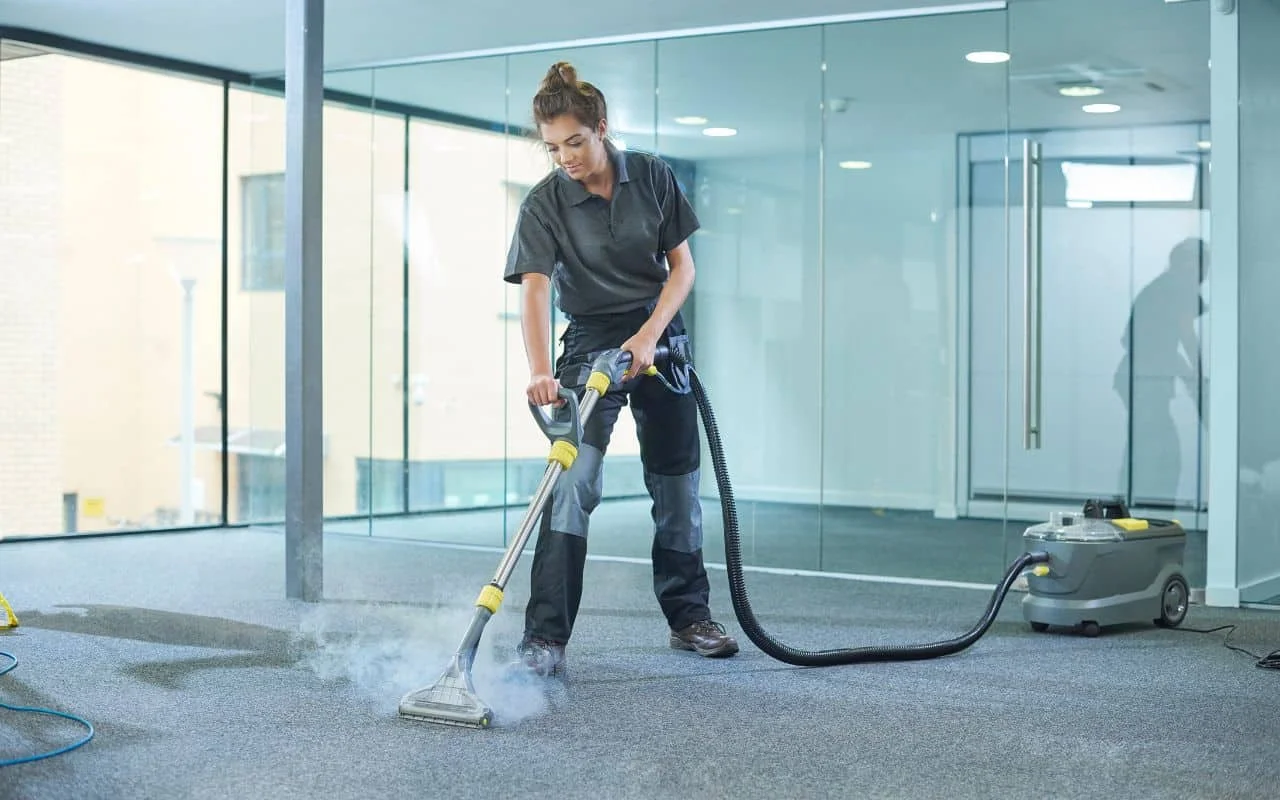
Carpet extractors spray cleaning solution and then suck it up along with dirt and water. They are made for deep cleaning and drying carpets. These machines remove moisture more efficiently than standard vacuums.
Air Movers And Dehumidifiers
Air movers blow strong air over wet carpets to speed drying. Dehumidifiers pull moisture from the air. Together, they create ideal drying conditions. This method helps avoid carpet damage and mold.
Manual Absorption Methods
Use clean towels or mops to soak up water first. Press firmly to absorb as much moisture as possible. This simple step reduces the load on machines and speeds up drying.
Using A Wet/dry Vacuum Properly
Using a wet/dry vacuum properly is key to safely cleaning wet carpets. These vacuums are made to handle liquids and solids. They prevent damage to the machine and reduce risks to your safety.
Before vacuuming, ensure the carpet is not soaking wet. Remove as much water as possible by blotting with towels. This step helps the vacuum work more effectively and avoids clogging.
Always check that the vacuum is set up correctly for wet use. Use the right filters and attachments designed for liquid pickup. This prevents damage to the motor and keeps the vacuum functioning well.
Preparing The Carpet For Vacuuming
Start by removing loose debris from the carpet. Use a broom or dry vacuum to clean dry dirt. Blot the wet areas with absorbent towels to soak up excess water. Avoid rubbing, which can push water deeper into the fibers.
Setting Up Your Wet/dry Vacuum
Attach the proper filter designed for wet use. Make sure the vacuum’s tank is empty and clean. Connect the correct hose and nozzle for carpet cleaning. Check the power cord and plug for any damage before use.
Vacuuming The Wet Carpet Safely
Turn on the vacuum and start suctioning the wet carpet slowly. Move the nozzle in straight lines to cover the entire wet area. Do not stay in one spot too long to avoid over-saturation. Empty the vacuum tank frequently to maintain suction power.
Cleaning And Maintaining The Vacuum After Use
After vacuuming, disconnect the vacuum and empty the tank completely. Rinse the tank and filters with clean water and let them dry. Check for any signs of damage or clogging. Store the vacuum in a dry place to prevent mold and rust.
Steps To Dry A Wet Carpet Quickly
Drying a wet carpet quickly prevents mold and keeps your home fresh. Acting fast reduces damage and restores comfort. Follow clear, simple steps to dry your carpet efficiently.
Remove Excess Water
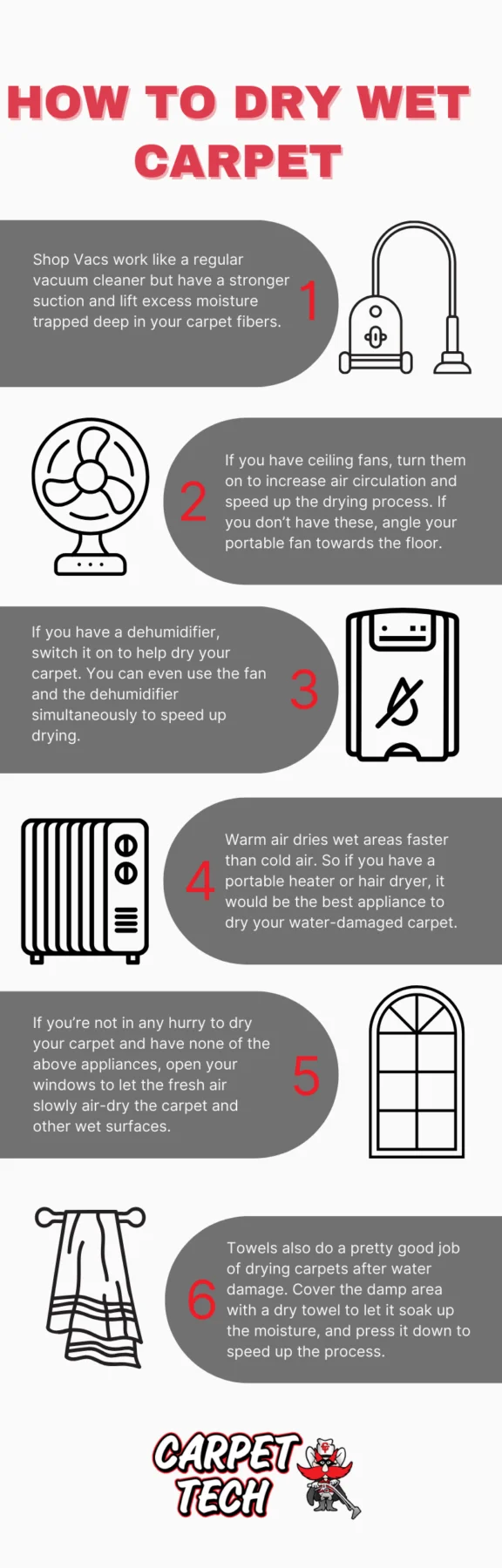
First, blot the wet area with clean towels or cloths. Press firmly to soak up as much water as possible. Avoid rubbing, which can push water deeper into the carpet fibers.
Use A Wet/dry Vacuum
Use a wet/dry vacuum to extract remaining moisture safely. These vacuums are designed to handle water without damage. Do not use a regular vacuum on a wet carpet to avoid electric hazards.
Increase Airflow
Place fans around the wet carpet to speed drying. Open windows to improve air circulation if weather allows. A dehumidifier helps remove moisture from the air quickly.
Lift The Carpet If Possible
Carefully lift carpet edges to expose the padding and floor. Dry the padding underneath to prevent mold growth. Use fans or a hairdryer on low heat to dry hidden areas.
Keep The Area Ventilated
Keep doors and windows open for better airflow. Avoid walking on the damp carpet to help it dry faster. Continue drying efforts until the carpet feels completely dry.
When To Vacuum After Drying
Vacuuming a carpet too soon after it gets wet can cause damage. The carpet must be fully dry before vacuuming. Wet fibers are fragile and can tear easily. Dirt and debris can stick to damp areas and make the carpet look worse.
Proper drying prevents mold and mildew growth under the carpet. It also protects the vacuum cleaner from damage. Waiting ensures your carpet stays clean and healthy.
Check For Complete Dryness
Touch the carpet surface to see if it feels dry. Look for any damp spots or dark patches. Use a moisture meter for better accuracy. The carpet should feel cool but dry to the touch.
Allow Sufficient Air Circulation
Open windows and doors to increase airflow. Use fans or a dehumidifier to speed drying. Air circulation helps remove moisture faster. Avoid vacuuming until the carpet is completely dry.
Wait For The Carpet Backing To Dry
The backing can hold moisture longer than the surface. Lift a corner of the carpet carefully and check the underside. Dry backing prevents mold and odor problems. Vacuuming too early risks spreading moisture.
Use A Wet/dry Vacuum For Damp Carpets
If the carpet is slightly damp but not wet, use a wet/dry vacuum. These vacuums are designed to handle moisture safely. Avoid using regular vacuums on any damp carpet. Always follow the vacuum’s instructions carefully.
Credit: applebycleaning.com
Frequently Asked Questions
What Happens If You Vacuum Wet Carpet?
Vacuuming a wet carpet with a regular vacuum risks electrical shock and damages the vacuum motor. Use a wet/dry vacuum instead.
How Can I Dry My Wet Carpet Fast?
Blot excess water with towels immediately. Use a wet/dry vacuum for moisture extraction. Increase airflow using fans or a dehumidifier. Avoid regular vacuuming until fully dry to prevent damage and mold growth.
How To Vacuum A Wet Carpet?
Use a wet/dry vacuum designed for liquids to safely extract moisture. First, blot excess water with towels. Avoid standard vacuums to prevent damage and electrical hazards. After vacuuming, increase airflow with fans or dehumidifiers to dry the carpet fully before regular vacuuming.
How Long Does It Take For Mold To Grow Under Wet Carpet?
Mold can begin growing under a wet carpet within 24 to 48 hours. Prompt drying prevents mold development.
Can I Use A Regular Vacuum On A Wet Carpet?
No, regular vacuums can short circuit and get damaged by water, risking electric shock.
Conclusion
Vacuuming a wet carpet with a regular vacuum is unsafe and harmful. Water can cause electrical shocks and damage your vacuum’s motor. Use a wet/dry vacuum designed for liquid cleanup instead. Always remove excess water by blotting with towels first.
After that, increase airflow with fans or a dehumidifier to dry the carpet faster. Only vacuum when the carpet is completely dry to avoid problems. Taking these steps helps protect your home and your equipment. Stay safe and keep your carpet clean the right way.
{ “@context”: “https://schema.org”, “@type”: “Article”, “headline”: “Can You Vacuum Wet Carpet: Essential Tips to Avoid Damage”, “description”: “Can you vacuum wet carpet? Learn why using a vacuum on wet carpet can cause damage and the best methods to dry and clean damp flooring safely.”, “url”: “https://www.powertoolstoday.com/can-you-vacuum-wet-carpet/”, “datePublished”: “2025-12-13”, “dateModified”: “2026-03-18”, “author”: { “@type”: “Organization”, “name”: “Power Tools Today”, “url”: “https://www.powertoolstoday.com” }, “publisher”: { “@type”: “Organization”, “name”: “Power Tools Today”, “url”: “https://www.powertoolstoday.com” }, “mainEntityOfPage”: { “@type”: “WebPage”, “@id”: “https://www.powertoolstoday.com/can-you-vacuum-wet-carpet/” }, “image”: { “@type”: “ImageObject”, “url”: “https://www.powertoolstoday.com/wp-content/uploads/2025/11/can-you-vacuum-wet-carpet.jpg” } }{ “@context”: “https://schema.org”, “@type”: “Article”, “headline”: “Can You Vacuum Wet Carpet: Essential Tips to Avoid Damage”, “description”: “Can you vacuum wet carpet? Learn why using a vacuum on wet carpet can cause damage and the best methods to dry and clean damp flooring safely.”, “url”: “https://www.powertoolstoday.com/can-you-vacuum-wet-carpet/”, “datePublished”: “2025-12-13”, “dateModified”: “2026-03-19”, “author”: { “@type”: “Organization”, “name”: “Power Tools Today”, “url”: “https://www.powertoolstoday.com” }, “publisher”: { “@type”: “Organization”, “name”: “Power Tools Today”, “url”: “https://www.powertoolstoday.com” }, “mainEntityOfPage”: { “@type”: “WebPage”, “@id”: “https://www.powertoolstoday.com/can-you-vacuum-wet-carpet/” }, “image”: { “@type”: “ImageObject”, “url”: “https://www.powertoolstoday.com/wp-content/uploads/2025/11/can-you-vacuum-wet-carpet.jpg” } }nn