Digital vs Analog Multimeter: Which Is Better for You?

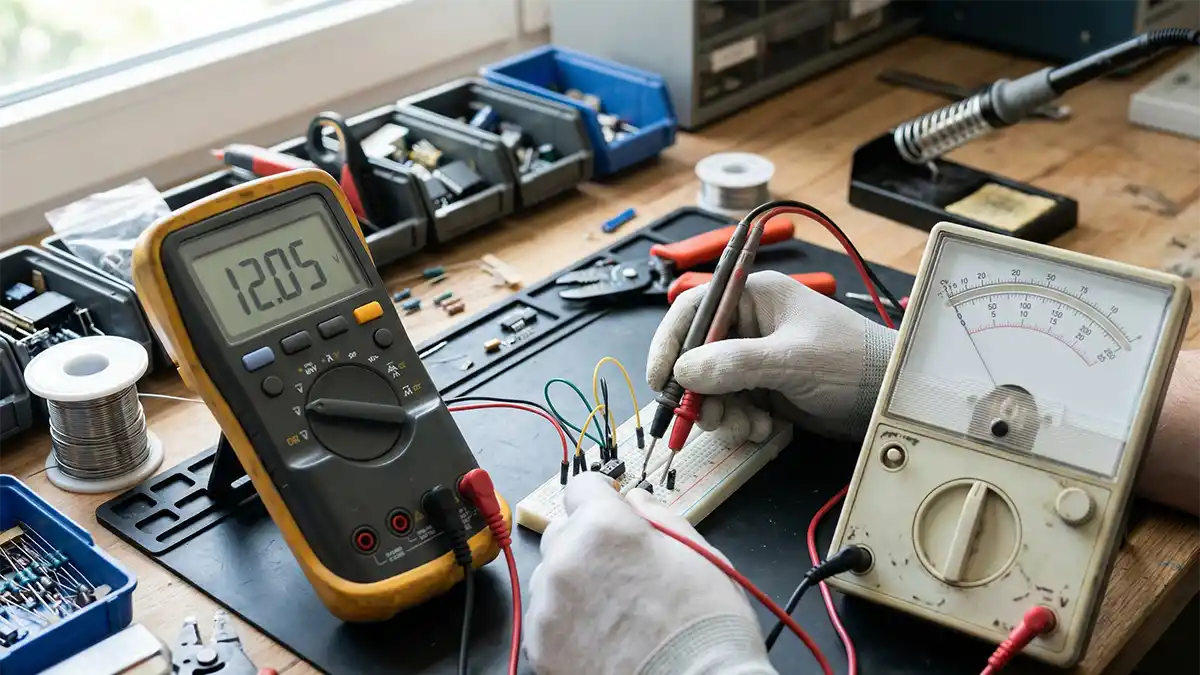
digital vs analog multimeter

Digital multimeters (DMM) dominate modern electrical work — they’re easier to read, more accurate, more durable, and cost the same or less than quality analog meters. Analog multimeters still have specific advantages: they’re better at displaying changing or fluctuating readings and they don’t require batteries for resistance measurement in some designs. For most homeowners and …

Read more

Multimeter vs Voltage Tester: Which Tool Do You Actually Need?

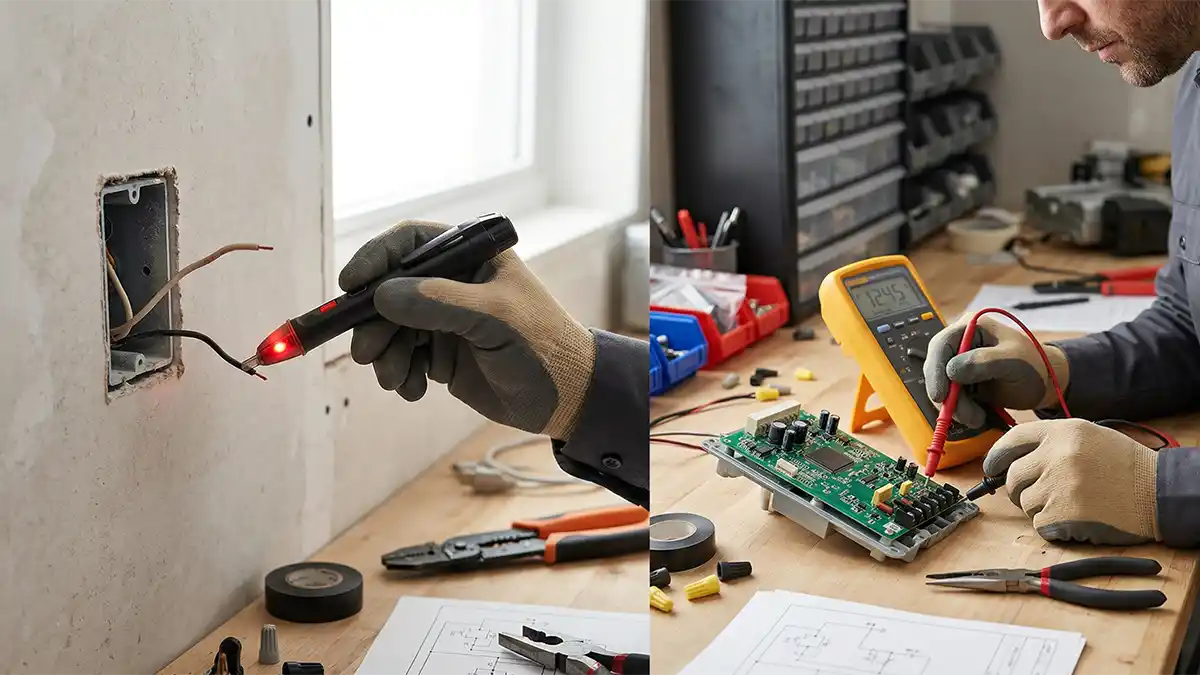
multimeter vs voltage tester

Multimeter vs Voltage Tester: Which Tool Do You Actually Need? A voltage tester tells you if electricity is present — that’s it. A multimeter measures voltage, current, resistance, continuity, and more. For a quick outlet check before touching wires, a voltage tester is faster. For diagnosing electrical problems, testing circuits, or doing any serious electrical …

Read more

How to Use a Clamp Meter: Step-by-Step Guide for Measuring Current

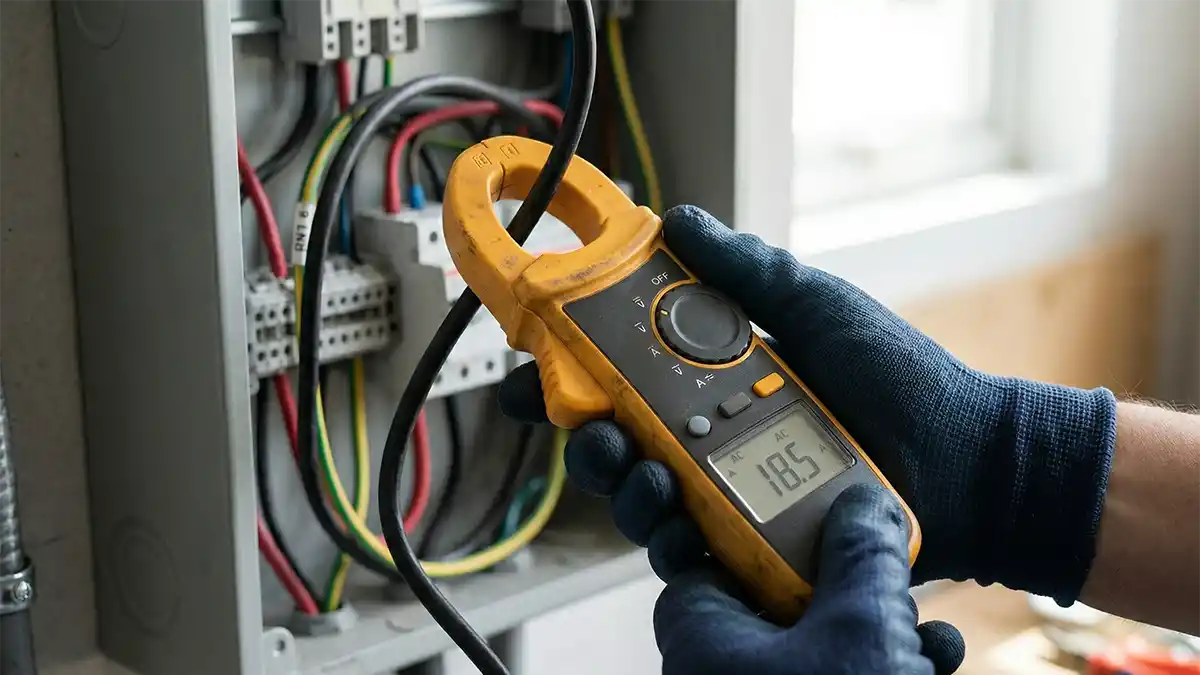
how to use clamp meter

How to Use a Clamp Meter: Step-by-Step Guide for Measuring Current A clamp meter measures current (amps) by clamping around a single wire — without cutting the circuit or making probe contact with live conductors. It’s safer and faster than using a standard multimeter for current measurement. This guide covers how to use a clamp …

Read more

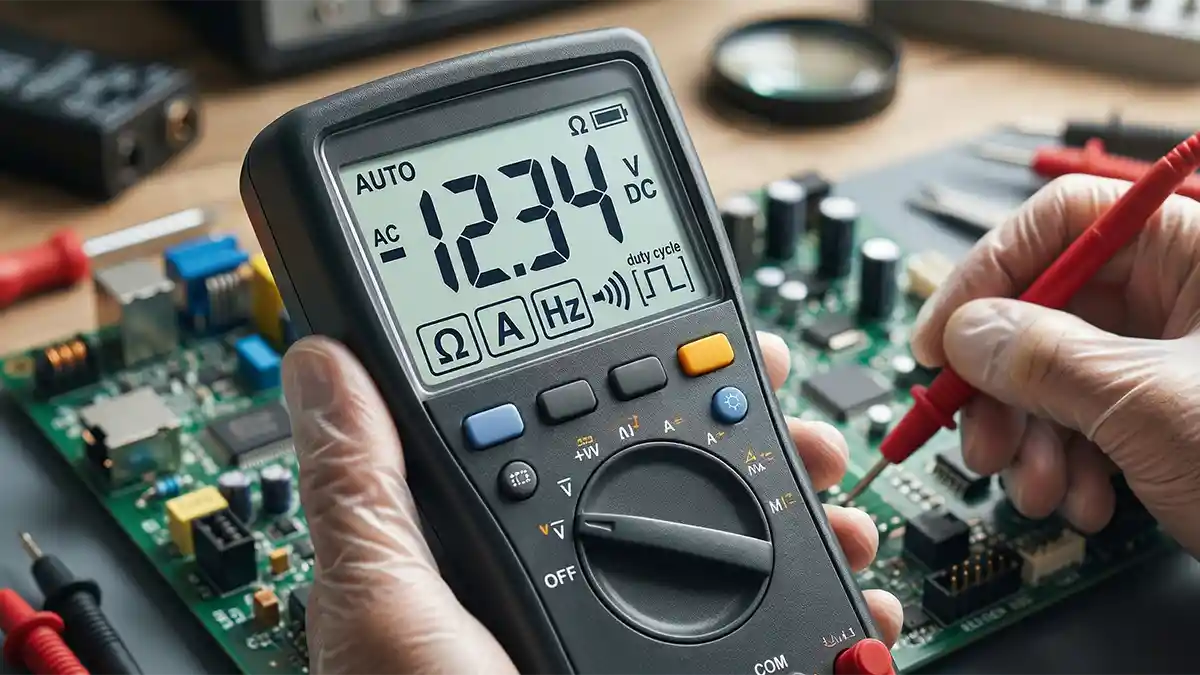
How to Read a Multimeter Display: Every Symbol and Reading Explained

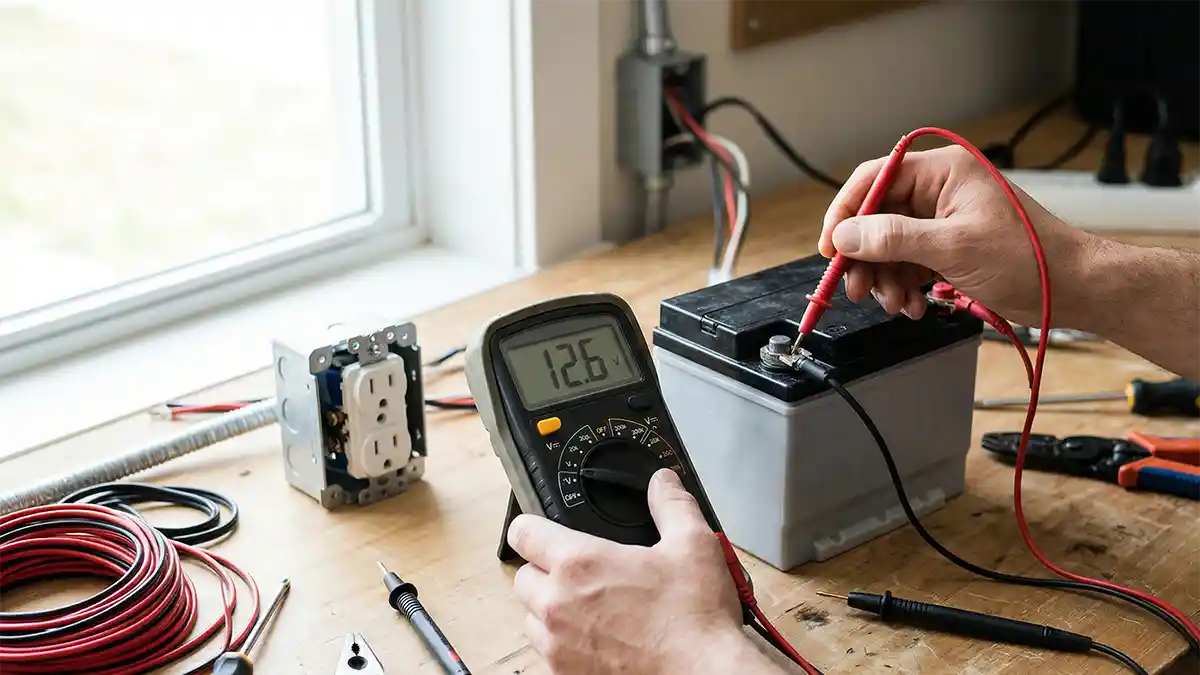
how to read multimeter display

Reading a multimeter display correctly means understanding the numbers, units, decimal points, and mode symbols on screen. The large number is your measurement. The unit shown (V, mV, A, mA, Ω, kΩ, MΩ) tells you what you’re measuring. The mode indicator (V~, V=, Ω, A~, A=) confirms your selected function. This guide explains every element …

Read more

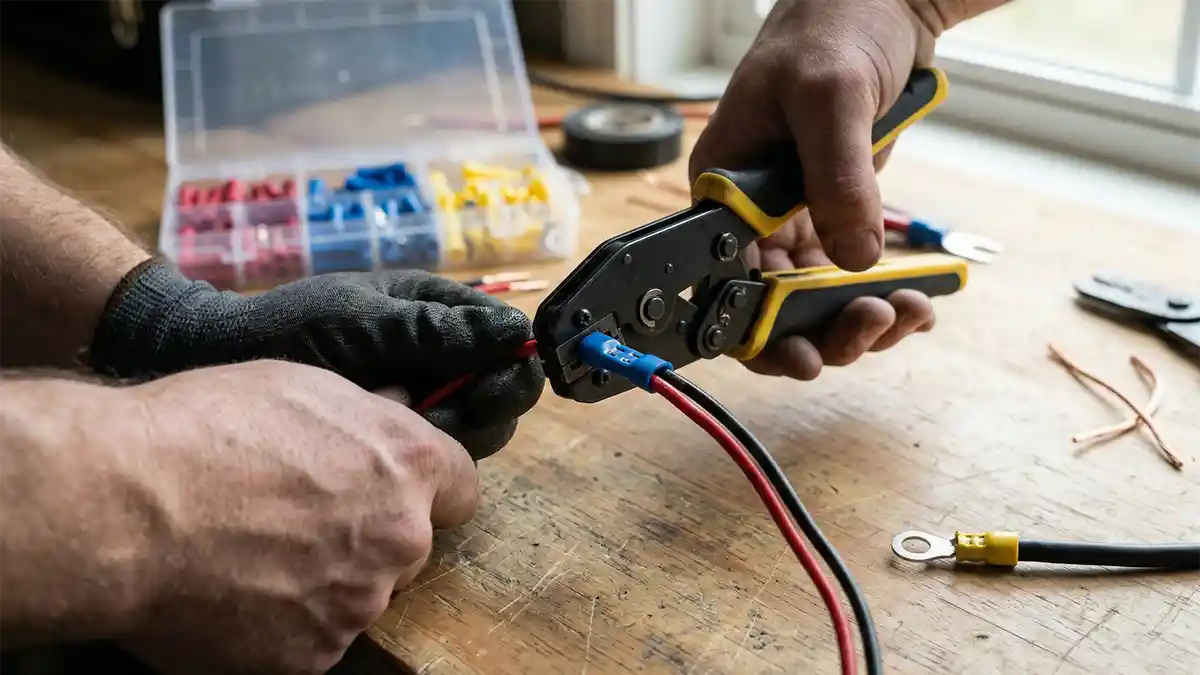
How to Crimp Wire Connectors: Step-by-Step Guide for Solid Connections

how to crimp wire connectors

Crimping wire connectors creates a gas-tight mechanical and electrical connection between a wire and a terminal without soldering. Done correctly, a crimp is as reliable as a solder joint — often more so in high-vibration environments. The key is using the right connector for the wire gauge, the right crimping tool, and applying full crimping …

Read more

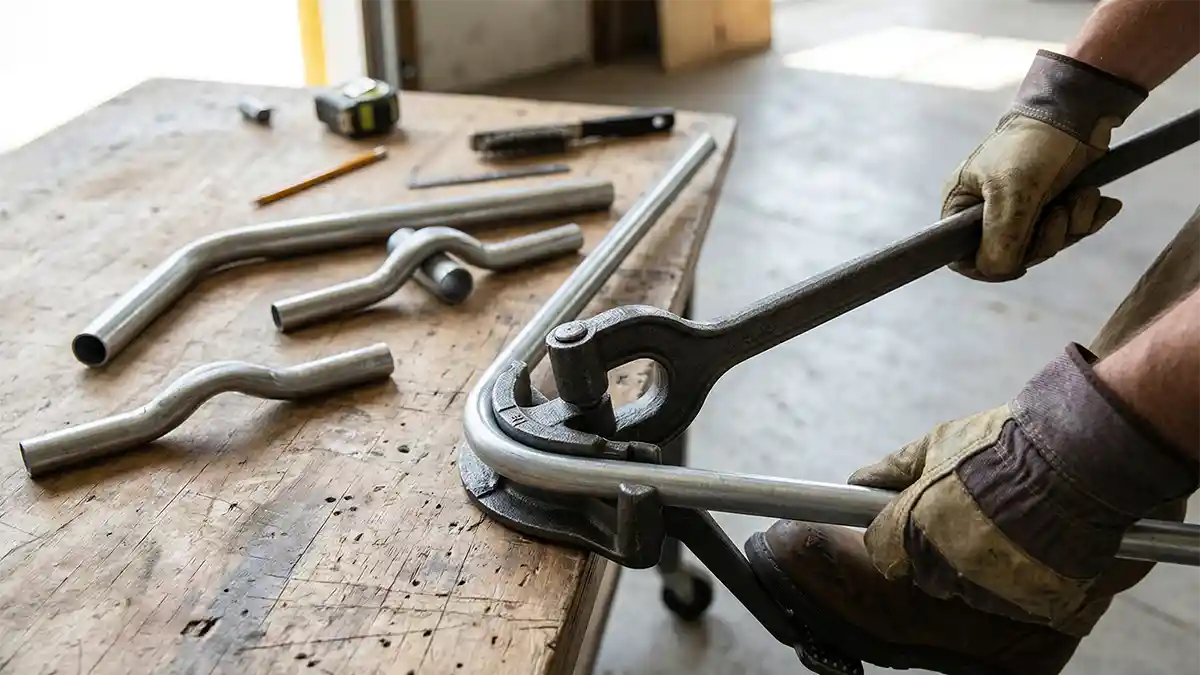
How to Use a Conduit Bender: 90-Degree Bends, Offsets, and Saddles

how to use conduit bender

A conduit bender shapes rigid or EMT conduit into precise angles so wire runs can navigate walls, ceilings, and obstacles without kinking. The key skills are reading the bender’s built-in markings correctly, applying consistent foot pressure, and measuring from the correct reference point. This guide covers the three most common bends: the 90-degree stub-up, the …

Read more

🛒 Affiliate Disclosure: As an Amazon Associate, I earn from qualifying purchases. Some links on this site are affiliate links — clicking them may earn us a small commission at no extra cost to you. Learn more