String Trimmer Safety Tips: Use Your Weed Eater Without Injury

string trimmer safety tips

String trimmers are among the most common causes of lawn care-related injuries — primarily from flying debris striking eyes, legs, and ankles. The rotating cutting line spins at 7,000–12,000 RPM and launches stones, wire fragments, glass, and debris at high velocity. Following these safety practices eliminates nearly all of that risk. Required Personal Protective Equipment …

Read more

Leaf Blower for Deck Cleaning: How to Do It Right
leaf blower for deck cleaning

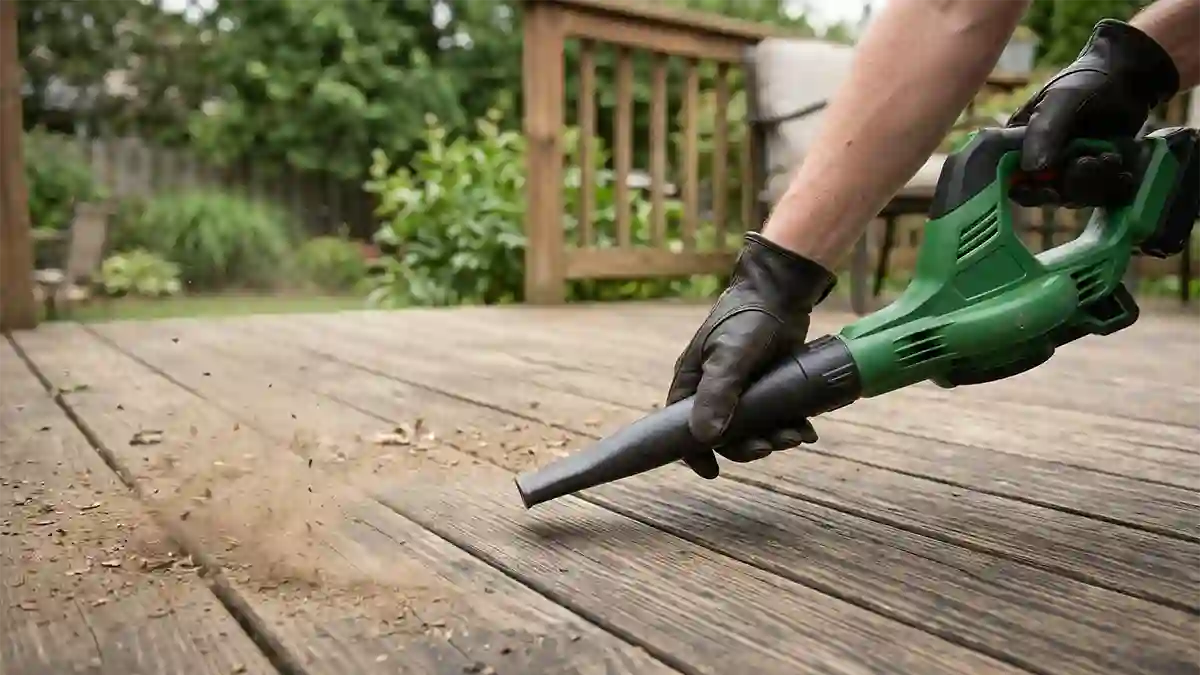
A leaf blower cleans a deck faster and more completely than a broom — especially for clearing debris trapped between deck boards, blowing out corners, and drying wet surfaces quickly. With the right technique, you can have a clean deck in 5–10 minutes versus 20–30 with a broom. Here’s how to use a leaf blower …
Read more

Electric vs Gas Log Splitter: Which Should You Buy?

electric log splitter vs gas

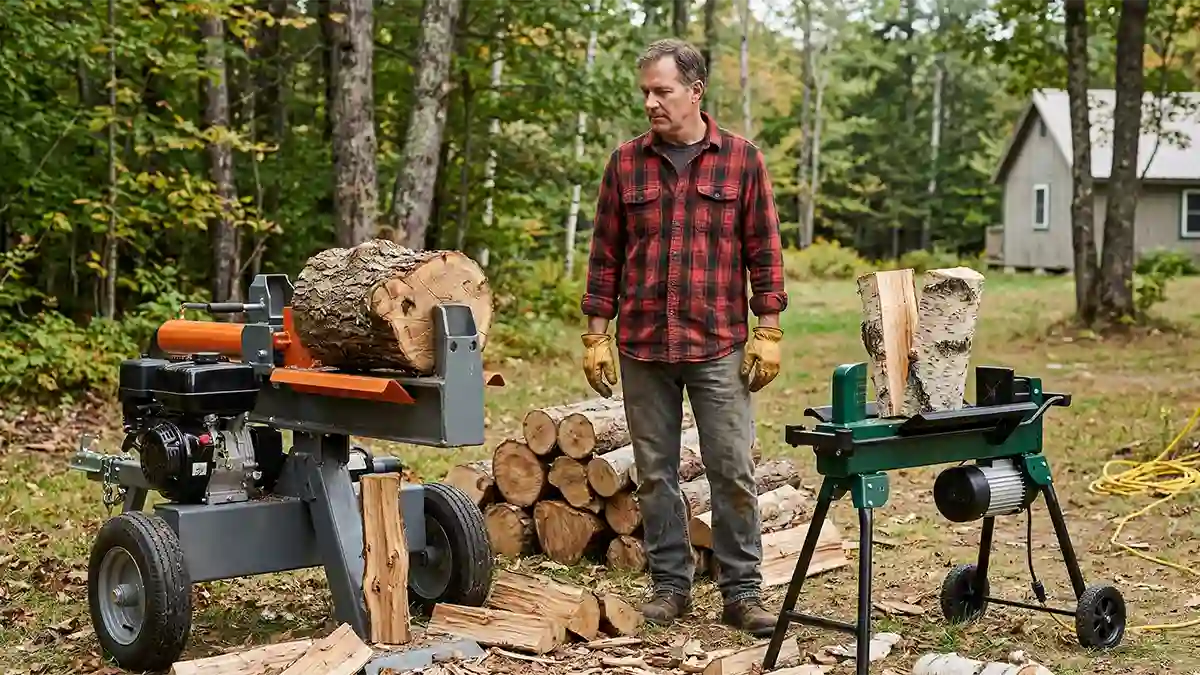
For most homeowners splitting firewood for a single fireplace or wood stove — 1 to 3 cords per season — an electric log splitter handles the job at a fraction of the cost, noise, and maintenance of a gas model. Gas log splitters outperform electric for commercial volumes, large-diameter rounds, and splitting on remote property …

Read more

How to Split Wood Logs: Technique for Log Splitters and Axes

how to split wood logs

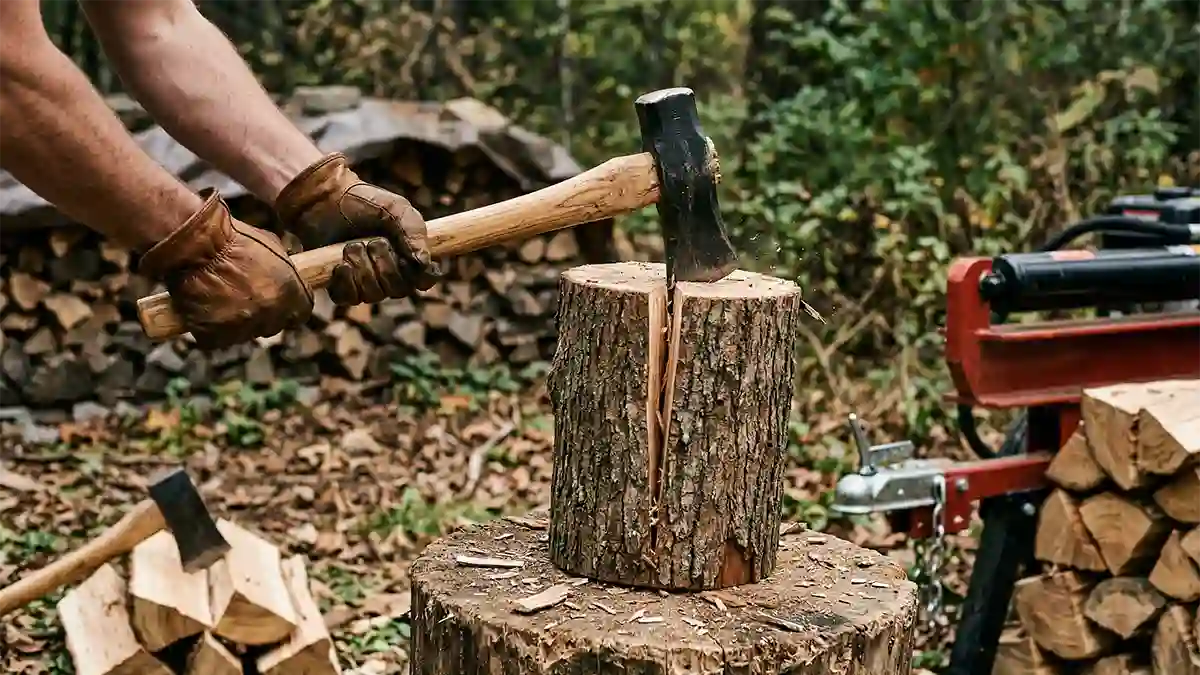
Wood splits most efficiently when you work with the grain, not against it. Whether you’re using a log splitter or a splitting maul, the key is consistent positioning, targeting natural cracks, and matching your tool’s force to the log’s size and species. This guide covers correct technique for both mechanical log splitters and manual splitting, …

Read more

Leaf Blower Won’t Start: Fix Guide for Gas, Battery, and Electric

leaf blower wont start fix

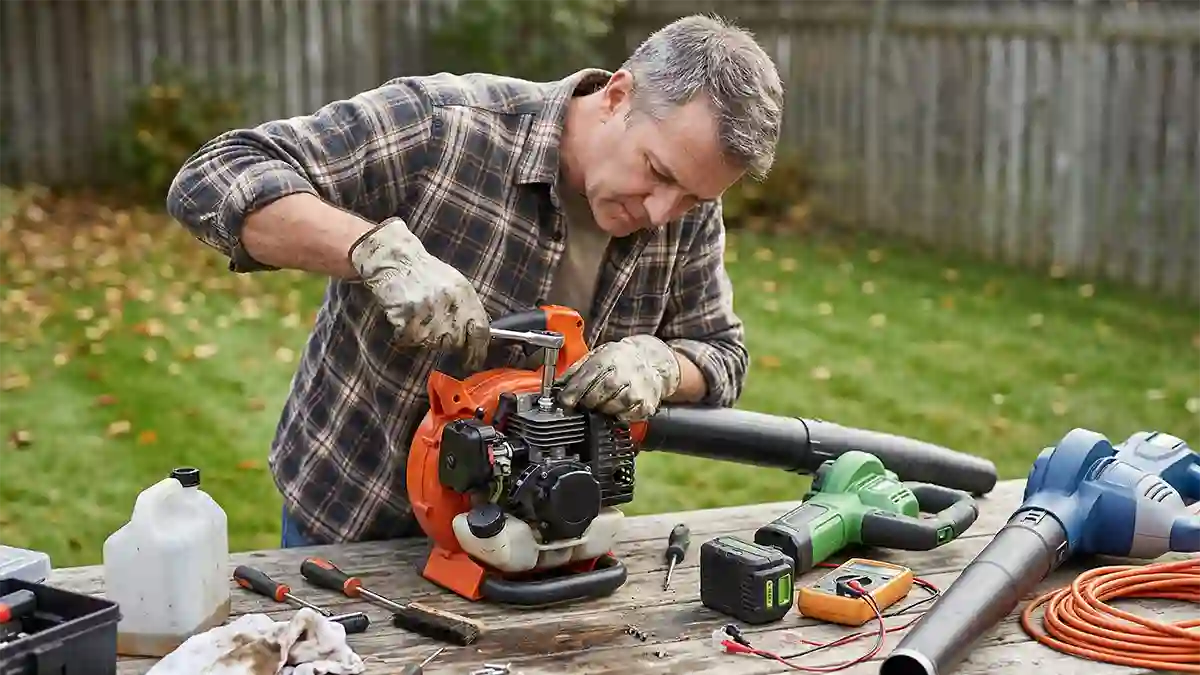
A leaf blower that won’t start is almost always fixable at home. For gas models, the issue is usually stale fuel, a fouled spark plug, or a clogged carburetor after storage. For battery models, it’s typically a charge, temperature, or safety lock issue. This guide walks through the fastest diagnosis path for each type, starting …

Read more

Gas vs Electric Chainsaw: Complete Side-by-Side Comparison

gas chainsaw vs electric

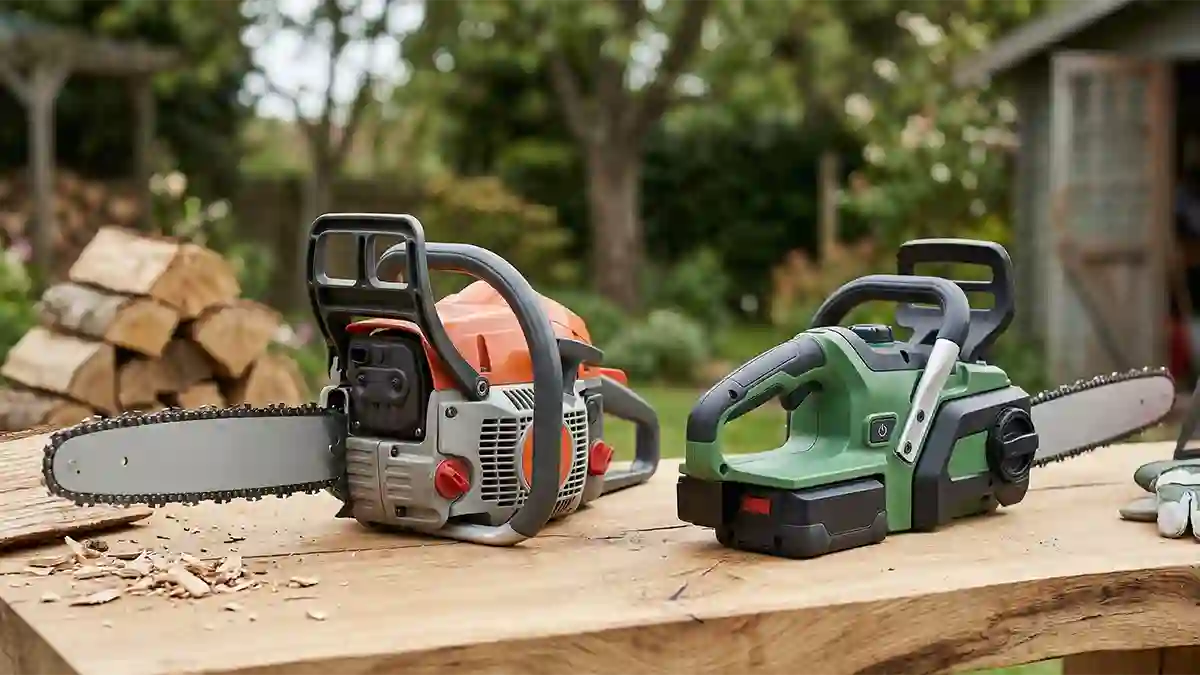
Gas chainsaws deliver more raw cutting power and full portability — the choice for felling large trees, storm cleanup, and remote work. Electric chainsaws (corded and battery) are quieter, lighter, lower-maintenance, and sufficient for most homeowner tasks including limbing, bucking, and small tree removal. For most homeowners with a single wooded property, a 40V–80V battery …

Read more

Cordless Chainsaw Battery Life: Runtime, Tips, and Maximizing Performance

cordless chainsaw battery life

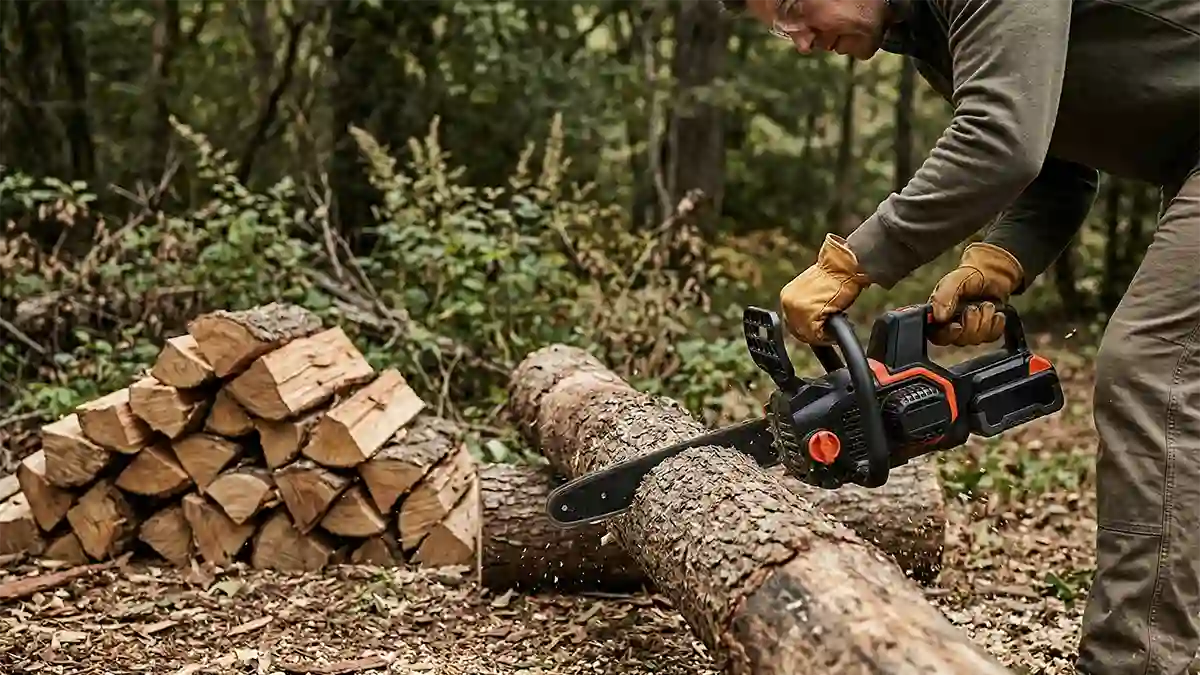
A fully charged 2.5 Ah battery in a 40V cordless chainsaw typically provides 20–30 minutes of moderate cutting time. A 5.0 Ah battery in a 56V–80V saw extends that to 40–60+ minutes under similar loads. But runtime varies significantly based on wood diameter, species, chain sharpness, and temperature. Here’s what actually affects your cordless chainsaw …

Read more

Single Stage vs Two Stage Snowblower: Which Do You Need?

single stage vs two stage snowblower

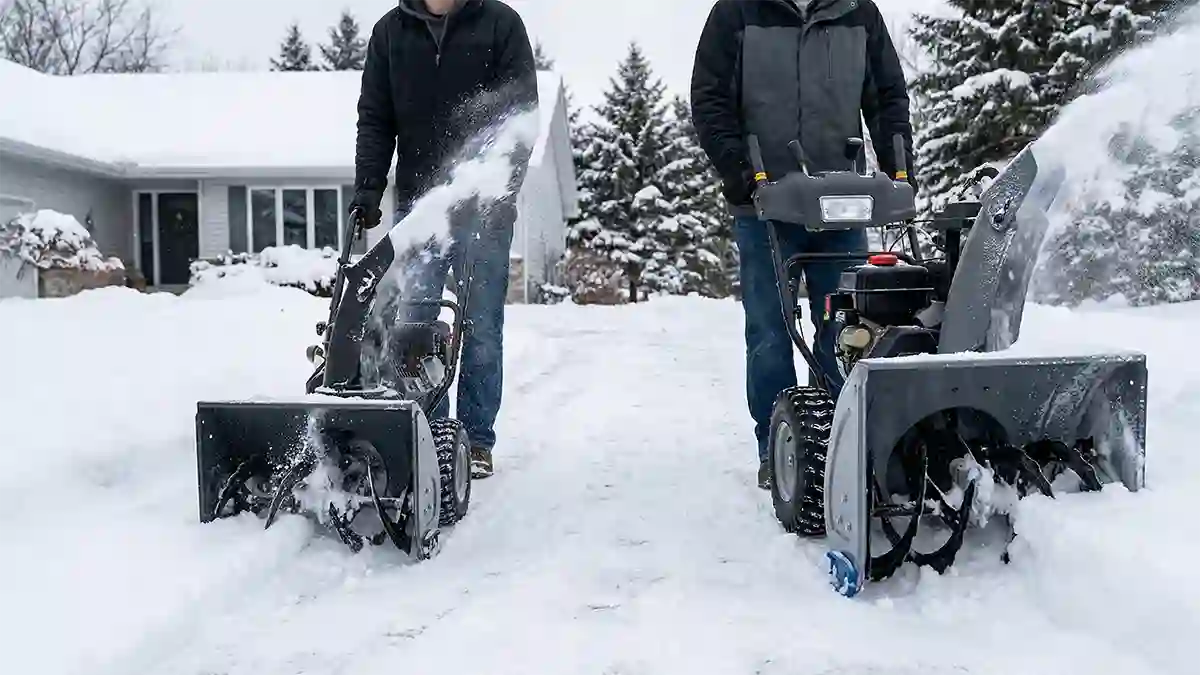
Single stage snowblowers are lighter, easier to maneuver, and ideal for flat paved driveways with up to 8″–9″ of snow. Two stage snowblowers handle heavy snowfall (12″+ inches), long driveways, and uneven or gravel surfaces where a single stage would struggle or stall. Your driveway length, typical snowfall depth, and surface type are the three …

Read more

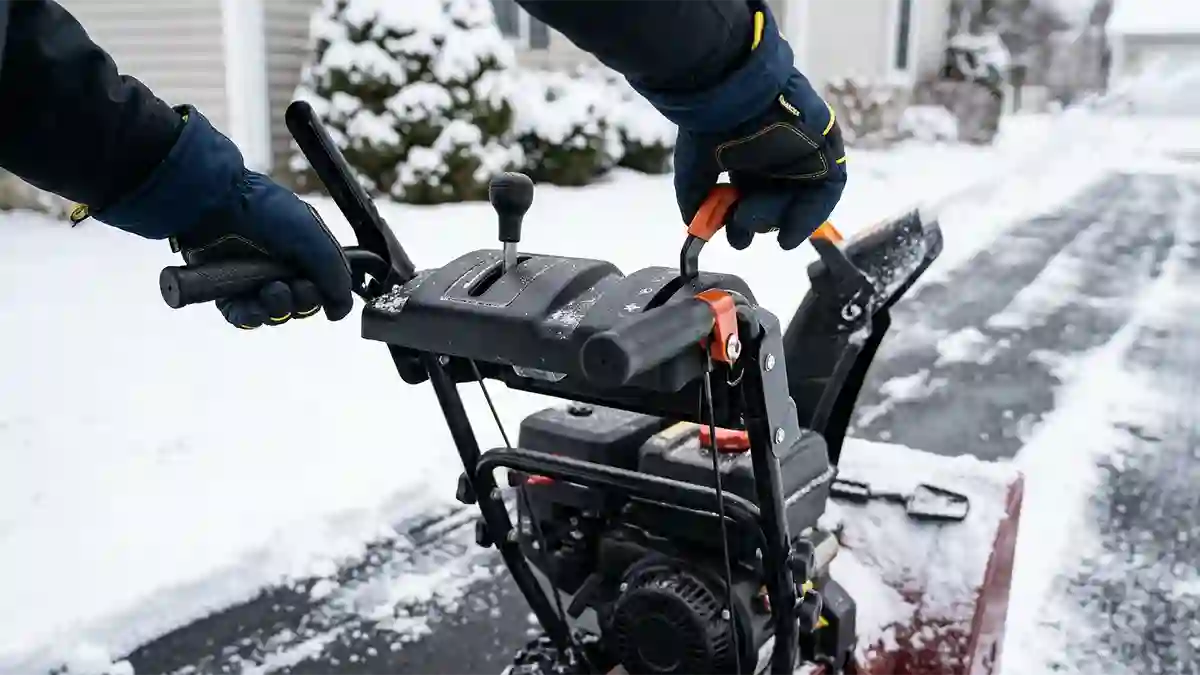
How to Use a Snow Blower: Technique, Patterns, and Safety Tips

how to use snow blower

Using a snow blower effectively is about more than just pushing it through snow — chute direction, clearing pattern, overlapping passes, and knowing when to slow down all determine whether you finish fast with clean results or spend twice as long re-clearing blown snow. This guide covers the correct technique for both single stage and …

Read more

How to Store a Snow Blower: End-of-Season Storage Guide

how to store snow blower

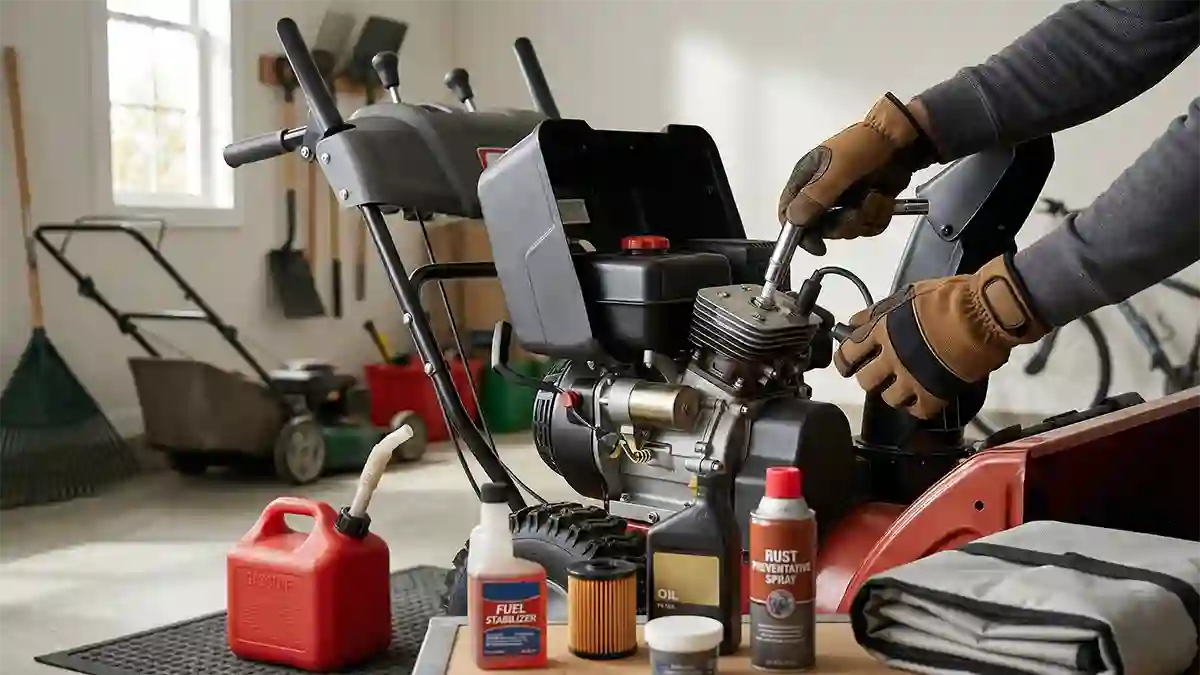
Proper end-of-season storage is the single biggest factor in whether your snow blower starts reliably next winter. The most common cause of snow blower no-start after summer storage is degraded fuel in the carburetor. A 30-minute storage routine at season’s end prevents almost all of these problems. Here’s the complete process for gas and battery …

Read more

🛒 Affiliate Disclosure: As an Amazon Associate, I earn from qualifying purchases. Some links on this site are affiliate links — clicking them may earn us a small commission at no extra cost to you. Learn more