
Last Updated: March 20, 2026
When it comes to tackling your next cutting or grinding project, you might find yourself wondering: should you reach for a circular saw or an angle grinder? Both tools have their strengths, but using the wrong one can cost you time, effort, and a perfect finish.
If you want sharp, clean cuts on wood, a circular saw might be your go-to. But if you need to grind, polish, or cut through metal or stone, an angle grinder could be exactly what you need. You’ll discover the key differences between these two power tools, how each works best, and which one fits your specific needs.
Keep reading to make sure your next project is not just done—but done right.
Credit: www.robsonforensic.com
Tool Designs Compared
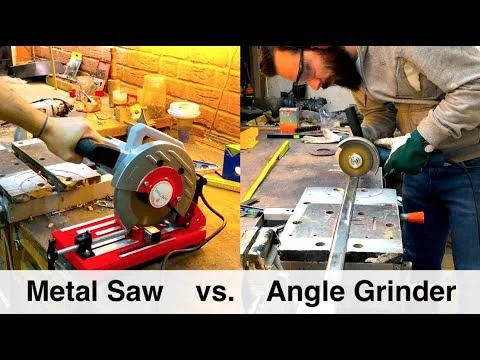
Understanding the design differences helps in choosing the right tool for your job. Circular saws and angle grinders serve distinct purposes. Their shapes, grips, and blade types reflect their unique functions. Examining their features reveals how each tool performs tasks efficiently.
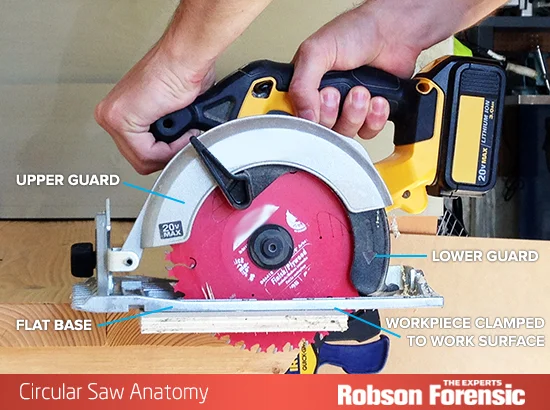
Circular Saw Features
The circular saw has a flat base plate for stability. It uses a round blade with many teeth. The blade spins at high speed to cut wood smoothly. It often includes a guard for user safety. The handle aligns with the blade for controlled straight cuts. Depth and angle adjustments allow precise cutting. Most circular saws are lightweight and easy to handle. They are ideal for long, straight cuts in wood and sheet materials.
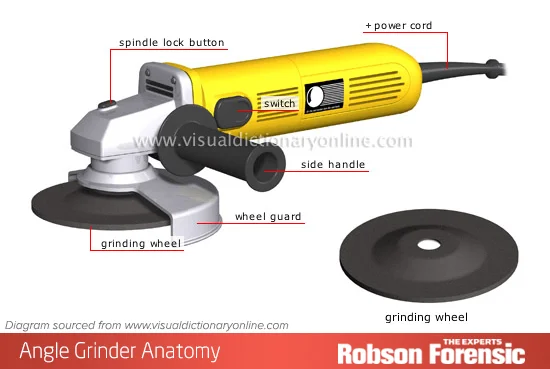
Angle Grinder Features
The angle grinder has a compact, rounded body for close work. It holds a small, spinning disc that can cut, grind, or polish. The disc spins perpendicular to the handle for versatile use. Side handles improve grip and control during tough jobs. It can use different disc types for metal, masonry, or tile. The tool is heavier and designed for one-handed or two-handed use. Angle grinders excel at cutting metal and rough shaping tasks. They provide fast, rough cuts but lack the precision of a circular saw.
Primary Uses
The primary uses of a circular saw and an angle grinder differ significantly due to their design and cutting mechanisms. Understanding these uses helps you choose the right tool for your project. Each tool excels in specific materials and tasks.
Woodworking With Circular Saws
Circular saws are perfect for cutting wood. They deliver straight, clean cuts quickly. These saws work well with plywood, hardwood, and softwood. Their blade size and power allow for deep cuts in thick boards. Circular saws also handle sheet materials like MDF and particleboard with ease. They are ideal for framing, decking, and general carpentry tasks. The blade spins fast, slicing through wood fibers without much effort. This tool helps create precise cuts for furniture, shelves, and flooring.
Metal And Masonry With Angle Grinders
Angle grinders shine when working with metal and masonry. They cut, grind, and polish metal surfaces effectively. This tool handles steel pipes, rebar, and sheet metal with ease. It also works on stone, concrete, and brick using special discs. The grinder’s high speed removes rust, paint, and burrs from metal parts. It can shape metal edges and smooth rough surfaces quickly. Angle grinders are versatile for welding prep, metal fabrication, and masonry repairs. Their compact size allows work in tight spaces where larger tools can’t fit.
Cutting Performance
Cutting performance is a key factor in choosing between a circular saw and an angle grinder. Both tools serve different purposes and excel in various cutting tasks. Understanding their accuracy, speed, versatility, and control helps pick the right tool for the job.
Accuracy And Speed
Circular saws provide precise, straight cuts. Their design supports guided cutting along marked lines. This makes them ideal for woodworking and framing tasks that need clean edges.
Angle grinders cut faster but with less precision. They work well for rough cuts, shaping metal, and removing excess material. Speed comes at the cost of neatness, often requiring extra finishing work.
Versatility And Control
Angle grinders offer great versatility. You can change discs to cut, grind, polish, or sand various materials. This flexibility suits metalwork and small demolition jobs.
Circular saws focus mainly on cutting wood, plywood, and some plastics. They provide better control for straight cuts but lack the multi-use capability of angle grinders.
Blade And Disc Types
Choosing the right blade or disc affects the performance of circular saws and angle grinders. Each tool uses specific types designed for different tasks. Understanding blade and disc types helps pick the best option for your project.
Circular Saw Blades
Circular saw blades vary by material and tooth design. Common blades include those for wood, metal, and masonry. Wood blades have many sharp teeth for smooth cuts. Metal blades feature fewer teeth and are made of tougher materials. Masonry blades use diamond edges to cut concrete or bricks. Blade size must match the saw’s specifications for safety and efficiency.
Angle Grinder Discs
Angle grinder discs come in several types for cutting, grinding, and polishing. Cutting discs are thin and designed for slicing metal or stone. Grinding discs are thicker to handle rough surfaces and remove excess material. Wire brush discs clean surfaces or remove rust. Polishing pads smooth and shine different materials. Always use discs rated for your grinder’s speed to avoid accidents.
Safety Considerations
Safety is the top priority when using power tools like circular saws and angle grinders. Both tools can cause serious injuries without proper care. Understanding safety rules helps prevent accidents and ensures smooth work. Users must focus on handling, operation, and protective gear.
Handling And Operation
Hold the tool firmly with both hands. This gives better control and reduces kickback risks. Always keep the blade or disc away from your body. Never force the tool; let it cut at its own speed. Keep the work area clean and free of obstacles. Disconnect power before changing blades or discs. Use clamps to secure the material being cut. Avoid distractions and stay alert during operation.
Protective Gear Recommendations
Wear safety goggles to protect your eyes from sparks and debris. Use ear protection to guard against loud noise. Gloves help protect your hands from sharp edges and heat. Wear a dust mask to avoid inhaling dust particles. Use sturdy shoes to protect your feet from falling objects. Long sleeves and pants protect your skin from sparks. Always check your gear before starting any job.
Credit: www.youtube.com
Choosing The Right Tool
Choosing the right tool between a circular saw and an angle grinder depends on your specific needs. Each tool has strengths suited to different tasks. Understanding these differences helps you work efficiently and safely. Consider what you need to cut, how portable the tool should be, and the convenience it offers. These factors guide you to the best choice for your project.
Task Requirements
Circular saws excel at straight, clean cuts on wood and sheet materials. They provide precise results for framing, decking, and plywood cutting. Angle grinders shine in metal cutting, grinding, and polishing tasks. They handle rough cuts, rust removal, and shaping metal edges. Choose a circular saw for accuracy and smooth edges. Pick an angle grinder for versatility and tougher materials.
Portability And Convenience
Angle grinders are usually smaller and lighter than circular saws. They are easy to carry and use in tight spaces. Battery-powered models add extra freedom without cords. Circular saws are bulkier but offer stable, guided cutting. They often need a flat surface or saw horses for best results. Consider where you will work and how easy it is to move your tool. Portability can make a big difference on job sites or in home workshops.
Credit: www.robsonforensic.com
Frequently Asked Questions
When To Use Angle Grinder Vs Circular Saw?
Use a circular saw for clean, straight wood cuts with stability and precision. Choose an angle grinder for cutting, grinding, or polishing metal, stone, or masonry freehand. Circular saws excel in woodworking; angle grinders handle tougher materials and versatile tasks.
Can An Angle Grinder Be Used As A Circular Saw?
An angle grinder can cut wood but lacks the precision and safety of a circular saw. Use proper blades and caution.
Can You Do A 45 Degree Cut With A Circular Saw?
Yes, you can make a 45-degree cut with a circular saw by adjusting its bevel angle. Ensure the saw’s base plate is set to 45 degrees before cutting. This adjustment lets you achieve precise angled cuts easily and efficiently.
Can I Cut A 2×4 With An Angle Grinder?
Yes, you can cut a 2×4 with an angle grinder using a wood-cutting blade. Expect rough edges and slower cuts.
What Is The Main Difference Between Circular Saw And Angle Grinder?
A circular saw cuts wood in straight lines; an angle grinder cuts, grinds, and polishes metal.
Which Tool Is Safer For Cutting Wood, Circular Saw Or Angle Grinder?
A circular saw is safer for wood due to its design and blade guard.
Conclusion
Choosing between a circular saw and an angle grinder depends on your task. Circular saws cut wood quickly and cleanly. Angle grinders handle metal, stone, and rough cuts well. Each tool has strengths for different jobs. Use the right tool to save time and effort.
Understanding their differences helps you work smarter. Keep safety in mind while using either tool. Both are valuable in any toolbox. Pick the tool that fits your project needs best. Simple and clear.
{ “@context”: “https://schema.org”, “@type”: “Article”, “headline”: “Circular Saw Vs Angle Grinder: Ultimate Tool Showdown Revealed”, “description”: “Circular saw vs angle grinder compares two power tools used for cutting and grinding, highlighting their distinct functions, designs, and typical applications.”, “url”: “https://www.powertoolstoday.com/circular-saw-vs-angle-grinder/”, “datePublished”: “2025-11-18”, “dateModified”: “2026-03-18”, “author”: { “@type”: “Organization”, “name”: “Power Tools Today”, “url”: “https://www.powertoolstoday.com” }, “publisher”: { “@type”: “Organization”, “name”: “Power Tools Today”, “url”: “https://www.powertoolstoday.com” }, “mainEntityOfPage”: { “@type”: “WebPage”, “@id”: “https://www.powertoolstoday.com/circular-saw-vs-angle-grinder/” }, “image”: { “@type”: “ImageObject”, “url”: “https://www.powertoolstoday.com/wp-content/uploads/2025/11/circular-saw-vs-angle-grinder.webp” } }{ “@context”: “https://schema.org”, “@type”: “Article”, “headline”: “Circular Saw Vs Angle Grinder: Ultimate Tool Showdown Revealed”, “description”: “Circular saw vs angle grinder compares two power tools used for cutting and grinding, highlighting their distinct functions, designs, and typical applications.”, “url”: “https://www.powertoolstoday.com/circular-saw-vs-angle-grinder/”, “datePublished”: “2025-11-18”, “dateModified”: “2026-03-19”, “author”: { “@type”: “Organization”, “name”: “Power Tools Today”, “url”: “https://www.powertoolstoday.com” }, “publisher”: { “@type”: “Organization”, “name”: “Power Tools Today”, “url”: “https://www.powertoolstoday.com” }, “mainEntityOfPage”: { “@type”: “WebPage”, “@id”: “https://www.powertoolstoday.com/circular-saw-vs-angle-grinder/” }, “image”: { “@type”: “ImageObject”, “url”: “https://www.powertoolstoday.com/wp-content/uploads/2025/11/circular-saw-vs-angle-grinder.webp” } }nn