
Last Updated: March 20, 2026
When it comes to choosing the right drill bit, you want something that matches your project and lasts through the toughest jobs. Are you struggling to decide between cobalt and titanium drill bits?
You’re not alone. Both have strong reputations, but each shines in different ways depending on what you’re drilling. Understanding the key differences can save you time, money, and frustration. You’ll discover which drill bit suits your needs best—whether you’re working with hard metals or softer materials.
Keep reading, and by the end, you’ll know exactly which drill bit to reach for next time you pick up your drill.
Credit: www.protoolreviews.com
Material Composition
Understanding the material composition of drill bits is essential for choosing the right tool. The material affects durability, heat resistance, and overall performance. Cobalt and titanium drill bits differ mainly in their metal makeup and coating.
Composition Of Cobalt Drill Bits
Cobalt drill bits are made by mixing steel with cobalt, usually 5% to 8%. This alloy creates a very hard and heat-resistant bit. The cobalt helps the bit stay sharp for longer and resist wear during tough jobs. These bits work well on hard metals like stainless steel. They can handle high temperatures without losing strength or breaking easily.
Composition Of Titanium Drill Bits
Titanium drill bits use standard high-speed steel as a base. They get a thin layer of titanium nitride coating on the surface. This coating makes the bit harder and reduces friction. It also helps the bit last longer than plain steel bits. However, the coating wears off over time. Once worn, the bit loses some of its durability and cannot be re-coated. These bits are best for softer materials like wood and mild steel.
Credit: www.reddit.com
Heat Resistance
Cobalt drill bits handle high heat well, making them ideal for hard metals like stainless steel. Titanium bits heat up faster and suit softer materials like wood and mild steel. Heat resistance affects durability and performance during tough drilling tasks.
Understanding Heat Resistance In Drill Bits
Heat resistance is a key factor for drill bit performance and lifespan. Drill bits generate heat during use. High heat can damage or dull the bit quickly. Materials that resist heat last longer and maintain sharpness better. This is especially important when drilling metals.
Cobalt Drill Bits And Heat Resistance
Cobalt drill bits contain a high percentage of cobalt mixed with steel. This mix allows them to tolerate very high temperatures. Cobalt bits can work at temperatures over 1000°F without losing strength. They stay sharp even under heavy use and heat. This makes cobalt bits ideal for hard metals like stainless steel.
Titanium Drill Bits And Heat Resistance
Titanium drill bits have a titanium nitride coating over high-speed steel. This coating helps reduce heat build-up and friction. Titanium bits stay cooler than plain steel bits at first. But the coating wears off after repeated use. Once worn, heat resistance drops and bits dull faster. They perform best on softer materials like wood and mild steel.
Comparing Heat Resistance: Cobalt Vs Titanium
Cobalt bits outperform titanium bits in heat resistance. Their alloy design handles heat better and lasts longer. Titanium bits work well for lower heat tasks but lose their edge faster. For tough jobs with high heat, cobalt bits offer greater reliability. For lighter tasks, titanium bits provide good heat control at a lower cost.
Durability And Lifespan
Durability and lifespan are key factors when choosing between cobalt and titanium drill bits. They determine how long the bit lasts and how well it handles tough materials. Understanding these aspects helps pick the right drill bit for your projects.
Durability Of Cobalt Drill Bits
Cobalt drill bits are made from a mix of steel and cobalt. This alloy makes them very strong and resistant to heat. They hold up well during heavy use and can drill through hard metals like stainless steel. Their durability suits demanding jobs that wear down other bits quickly.
Durability Of Titanium Drill Bits
Titanium drill bits are high-speed steel bits coated with titanium nitride. The coating makes the bit harder and reduces friction. They work well on softer materials like wood and mild steel. The titanium coating helps protect the bit but wears off over time.
Lifespan Of Cobalt Drill Bits
Cobalt bits last longer than many other types of bits. Their resistance to heat and wear means they stay sharp through many uses. Users save money by not replacing them often. They keep drilling accurately even after tough tasks.
Lifespan Of Titanium Drill Bits
Titanium bits have a shorter lifespan than cobalt bits. The titanium coating can wear off after repeated use. Once the coating is gone, the bit loses its advantages. They are less suitable for hard metals but good for light to medium jobs.
Performance On Different Materials
Performance on different materials varies greatly between cobalt and titanium drill bits. Each type handles certain surfaces better. Choosing the right bit improves drilling speed and extends tool life.
Understanding how cobalt and titanium bits perform helps pick the best tool for each job.
Cobalt Drill Bits On Hard Metals
Cobalt drill bits excel at drilling hard metals like stainless steel. Their alloy contains up to 8% cobalt, which boosts heat resistance. They stay sharp longer under high temperatures. This makes them ideal for tough metals and heavy-duty use.
Titanium Drill Bits On Soft Materials
Titanium drill bits suit softer materials such as wood and mild steel. They have a titanium nitride coating that reduces friction. This coating helps the bit last longer on lighter jobs. These bits are less expensive and work well on general-purpose tasks.
Durability And Wear Resistance
Cobalt bits maintain their sharpness after many uses. Their strength prevents quick wear or breakage. Titanium bits wear down as the coating fades. Once the coating is gone, the bit loses its benefits and cannot be resharpened effectively.
Suitability For High Heat Drilling
Cobalt bits withstand high heat better than titanium bits. High temperatures often occur during metal drilling. Cobalt’s heat resistance prevents loss of hardness and tool damage. Titanium bits perform best in cooler conditions with less heat buildup.
Cost And Value
Choosing between cobalt and titanium drill bits depends on the balance of cost and value. Both have distinct prices and benefits that affect your investment. Understanding these differences helps you pick the right bit for your needs.
Cost Comparison Of Cobalt And Titanium Drill Bits
Cobalt drill bits cost more due to their alloy composition. The blend of steel and cobalt increases durability and heat resistance. Titanium drill bits are cheaper because they use high-speed steel with a titanium coating. This coating adds hardness but wears off with use.
Value And Longevity
Cobalt bits last longer in tough materials like stainless steel. Their heat resistance prevents quick wear during heavy drilling. Titanium bits perform well on soft materials but lose their coating faster. Once the coating fades, titanium bits need replacement or lose effectiveness.
Cost Efficiency For Different Jobs
For frequent drilling in hard metals, cobalt bits save money over time. They require fewer replacements, reducing overall costs. Titanium bits suit occasional use and softer materials. They offer good initial value but may need more frequent replacement.
Maintenance And Sharpening
Maintaining and sharpening drill bits extends their life and ensures better performance. Both cobalt and titanium bits need proper care to work well over time. Understanding the differences in maintenance helps you choose the right approach.
Maintenance Of Cobalt Drill Bits
Cobalt bits resist heat and wear very well. Cleaning them after use removes metal shavings and debris. Use a soft brush or cloth for cleaning. Avoid using harsh chemicals that can damage the alloy. Store cobalt bits in a dry place to prevent rust.
Maintenance Of Titanium Drill Bits
Titanium bits have a coating that wears off with use. Clean bits carefully to avoid scratching the coating. Wipe with a dry cloth to remove dirt and dust. Keep them away from moisture to stop rust. Proper storage helps maintain the coating longer.
Sharpening Cobalt Drill Bits
Cobalt bits can be sharpened multiple times without losing strength. Use a bench grinder with a fine wheel for best results. Keep the angle of the cutting edge consistent while sharpening. Cool the bit in water often to avoid overheating. Proper sharpening restores cutting power effectively.
Sharpening Titanium Drill Bits
Titanium bits can be sharpened but lose their coating after the first sharpening. Use a grinder carefully to avoid removing too much material. Maintain the original angle of the tip for best results. After sharpening, the bit will act like a standard steel bit. Consider replacing bits once coating wears off.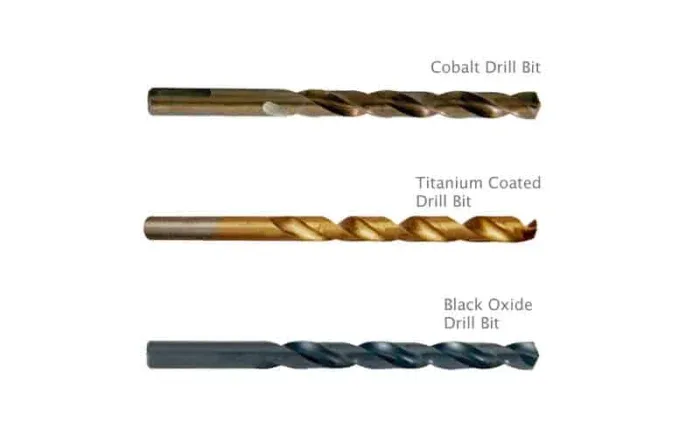
Credit: www.tenyutool.com
Conclusion
Choosing between cobalt and titanium drill bits depends on your needs. Cobalt bits handle hard metals and high heat well. Titanium bits work best on softer materials and general tasks. Cobalt bits last longer but cost more. Titanium bits are affordable but wear faster.
Both have clear strengths and weaknesses. Pick the bit that fits your project type and budget. Knowing these differences helps you drill smarter and save time.
Frequently Asked Questions
Cobalt drill bits are expensive and brittle, increasing breakage risk. They wear faster on softer materials and require careful handling.
Titanium drill bits excel at drilling wood, plastic, and soft metals like mild steel. Their titanium coating reduces wear and heat.
Cobalt drill bits suit hard metals due to heat resistance and durability. Titanium bits work well on softer materials. For tough jobs, cobalt is best; for general use, titanium offers good value. Choose based on material hardness and job demands.
Cobalt drill bits resist heat and stay sharp longer, making them ideal for drilling hard metals like stainless steel. They offer durability and efficiency for tough jobs.
Cobalt bits are made for hard metals; titanium bits suit softer materials like wood.
Cobalt drill bits last longer due to their strong alloy and heat resistance.