
To drill a hole in stainless steel, use a sharp cobalt bit, low drill speed, firm steady pressure, and cutting oil. Stainless steel work-hardens when it gets too hot, so the goal is to make the bit cut chips instead of rubbing and polishing the surface.
For most DIY holes, mark the spot with a center punch, drill a small 1/8-inch pilot hole, then step up to the final size. Keep the bit cool, clamp the metal firmly, and stop if you see smoke, blue chips, or a squealing sound.
This guide covers the right drill bit, speed, oil, pilot-hole method, safety gear, and quick fixes when the bit slips, overheats, or stops cutting. For choosing the drill itself, see our drill buying guide.
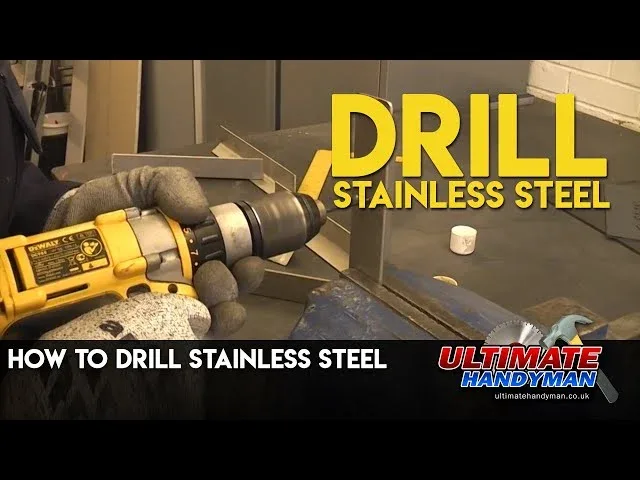
Choose the Right Bit Before Drilling Stainless Steel
The drill bit matters more on stainless steel than on mild steel or wood. A dull general-purpose bit will rub, heat the surface, and make the hole harder to finish.
For clean results, use a sharp cobalt bit for twist-drilled holes, a step bit for thin sheet metal, or a quality hole saw for larger holes. If the bit stops making chips, replace or sharpen it before you force the drill.
Cobalt Bits for Heat Resistance
Cobalt drill bits, often labeled HSS-Co, handle heat better than standard high-speed steel. Many common cobalt bits use 5% to 8% cobalt, which helps the cutting edge stay sharp when stainless steel gets hot.
Use a split-point cobalt bit when possible. It starts cleaner, wanders less, and needs less pressure than a basic round-shank bit.
When Coated HSS Bits Are Enough
Coated HSS bits can work for a few small holes in thin stainless sheet, especially if the bit is sharp and you use cutting oil. They are not the best choice for repeated holes, thick stainless, or hardened material.
If you are drilling several holes, cobalt usually costs less in the long run because it survives heat better and cuts longer.
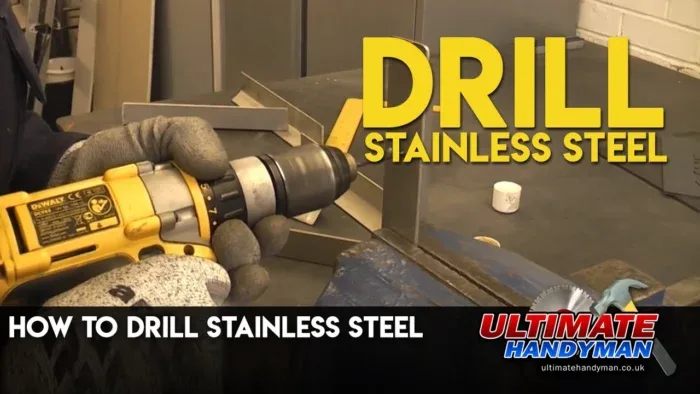
Credit: www.youtube.com
How to Drill a Hole in Stainless Steel Step by Step
- Mark the hole center. Use a marker or scribe so the bit starts exactly where you want it.
- Make a center punch mark. A small dimple keeps the bit from skating across the smooth stainless surface.
- Clamp the metal. Never hold stainless steel by hand while drilling. Thin sheet can grab and spin.
- Add cutting oil. Put oil on the bit and the hole area before you start, then reapply as needed.
- Start with a pilot hole. A 1/8-inch pilot hole is enough for many common DIY holes. For larger holes, step up in 1 or 2 sizes instead of jumping straight to the final bit.
- Drill slow with steady pressure. Keep the bit cutting. If you only make dust or the bit squeals, slow down, add oil, and press more steadily.
- Deburr the hole. Use a deburring tool, countersink bit, or small file to remove sharp edges after drilling.
For more detail on pilot holes, read our guide to drilling a pilot hole.
Use Slow Speed So the Bit Cuts Instead of Burns
Speed is where many stainless steel holes go wrong. Too much RPM creates heat, dulls the bit, and can harden the surface right where you need to cut.
As a simple starting point, use a low speed for larger bits and a moderate-low speed for small bits. A 1/8-inch bit can usually run faster than a 1/2-inch bit, but both need oil and steady pressure.
Why Low RPM Matters
Stainless steel is a hard material that resists cutting. Fast drill speeds generate heat and can make the surface harder to drill. Slower speeds reduce friction and help the bit cut clean chips.
A corded drill or drill press gives better speed control for thick stainless. A cordless drill can still work for small holes if it has a low-speed setting and enough torque.
Signs the Bit Is Overheating
Stop and cool the bit if you see smoke, blue or purple chips, a glowing tip, or a shiny spot that the bit no longer bites into. Those are signs of too much heat.
Add more oil, slow the drill, and let the bit cool before continuing. If the bit is dull, pushing harder usually makes the problem worse.
Apply Firm Pressure Without Forcing the Drill
Applying pressure correctly is key when drilling stainless steel. Too much force can damage the drill bit or workpiece. Too little pressure will slow the process and cause excessive heat. The goal is steady, controlled pressure that allows smooth cutting and prevents slipping.
Using the right pressure helps the drill bit cut effectively without overheating. This improves the hole quality and extends the tool’s life. Below are important tips for applying pressure correctly.
Use Steady Feed Pressure
Hold the drill firmly with both hands. Keep the drill bit perpendicular to the surface. Apply steady pressure, pushing just enough to keep the bit cutting. Avoid sudden pushes or jerks. Let the drill bit do the work.
Maintain a slow and consistent speed. This helps the bit cut without overheating. Pause occasionally to clear metal shavings. This prevents clogging and keeps pressure even. A firm and steady technique improves accuracy and tool life.
Preventing Bit Damage
Excessive pressure causes the bit to wear quickly or break. Too much force generates heat, which weakens the bit. Use moderate pressure to avoid these problems. If the bit struggles, reduce speed instead of pushing harder.
Use cutting oil to reduce friction and heat. This helps the bit last longer. Replace dull bits promptly to avoid damage to the stainless steel. Proper pressure and care keep the drill bit sharp and effective.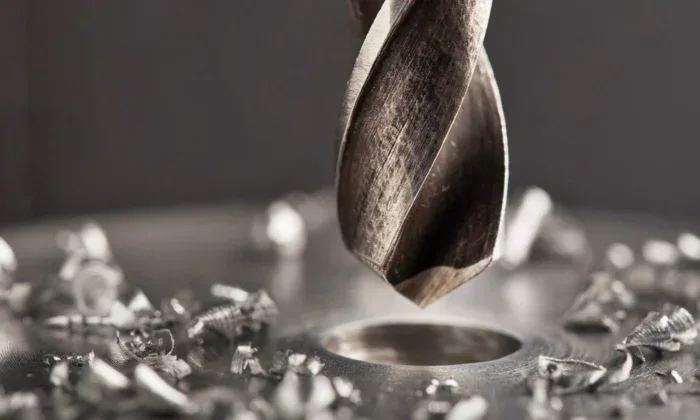
Credit: anchorlube.com
Use Cutting Oil to Control Heat
Using lubricants is essential when drilling stainless steel. This metal is tough and generates a lot of heat during drilling. Heat can damage the drill bit and the workpiece. Lubricants reduce friction and carry away heat. They make drilling smoother and safer. Applying the right lubricant extends the life of your tools and improves the quality of the hole.
Best Lubricants for Stainless Steel
Cutting fluids come in various types. Oil-based lubricants are common for stainless steel. They provide excellent cooling and reduce wear on the bit. Water-soluble oils mix with water to offer cooling and lubrication. Synthetic fluids are another choice, offering good heat control. Some people use household oils like motor oil or cutting oil. Choose a lubricant that suits your drill bit and project size.
Benefits For Bit Longevity
Lubricants keep the drill bit cooler during use. Cooler bits stay sharper longer. This means less frequent replacements and better drilling performance. Lubricants also reduce friction, which lowers wear on the bit’s cutting edges. A well-lubricated drill bit cuts cleaner and with less effort. Using lubricants saves money by protecting your drill bits from early damage.
Prepare and Secure the Stainless Steel
Preparing and securing stainless steel properly is key to a clean drilling process. Stainless steel is tough and can easily move or slip without the right setup. Taking time to prepare the metal ensures safety and accuracy. It also helps prevent damage to the drill bit and the workpiece.
Use the right tools and techniques before drilling. This section covers pilot holes, clamping methods, and essential safety gear.
Start With a Pilot Hole
Start with a small pilot hole to guide the larger drill bit. This reduces bit wandering and ensures the hole is in the right place. Use a center punch to mark the spot before drilling the pilot hole. A pilot hole also lowers the risk of cracking or bending the metal during drilling.
Clamping For Stability
Secure the metal firmly with clamps before drilling. Clamps stop the metal from shifting or spinning, which can cause injury or damage. Use a sturdy workbench and choose clamps that fit the metal piece well. Proper clamping improves drill bit life and makes the process smoother.
Safety Gear Essentials
Wear safety glasses to protect your eyes from metal shards. Gloves can protect your hands but avoid loose gloves that may catch in the drill. Use ear protection if the drilling noise is loud. A dust mask may be needed if metal dust forms during drilling. Always follow basic safety rules to prevent accidents.
Final Takeaway
Drilling stainless steel takes patience and the right tools. Choose cobalt drill bits for best results. Use slow speeds and steady pressure to avoid overheating. Apply cutting oil to keep the bit cool and sharp. Take breaks if the metal gets too hot.
Follow these simple steps to drill clean, accurate holes. Practice helps improve your technique over time. With care, drilling stainless steel becomes manageable and safe.
Frequently Asked Questions
A cobalt HSS-Co drill bit is the best choice for most stainless steel holes because it handles heat better than a standard HSS bit. For thin sheet metal, a step bit can also work well.
Center punch the mark, clamp the metal, add cutting oil, drill a 1/8-inch pilot hole, then step up to the final size at low speed with steady pressure.
Drill stainless steel slow. High speed creates heat, dulls the bit, and can work-harden the surface. Use low RPM, cutting oil, and enough pressure to make chips.
The bit may be dull, overheated, or rubbing instead of cutting. Add oil, reduce speed, use steadier pressure, and replace the bit if it no longer makes clean chips.
