
Last Updated: March 20, 2026
Are you ready to take control and safely cut down that tree in your yard? Using a chainsaw might seem intimidating at first, but with the right steps and precautions, you can do it confidently and effectively.
In this guide, you’ll learn exactly how to cut down a tree with a chainsaw, step by step. From planning your cuts to making the tree fall exactly where you want, you’ll discover tips that keep you safe and save you time.
Keep reading, because mastering this skill will give you the power to handle your tree-cutting projects like a pro.
Credit: smallfarms.cornell.edu
Safety Gear Essentials
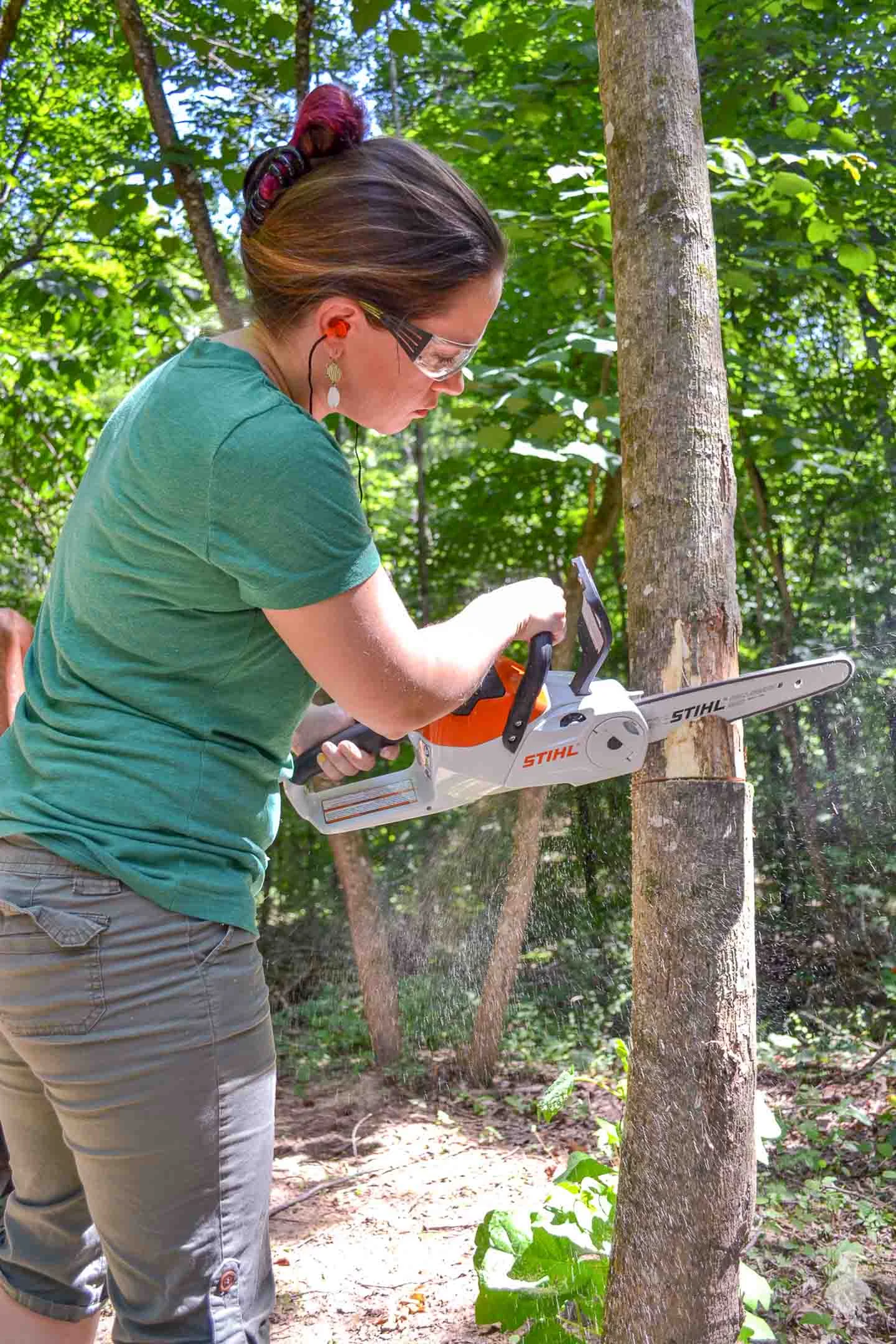
Using a chainsaw to cut down a tree can be dangerous without the right safety gear. Proper equipment protects your body from injuries and accidents. Wearing the correct safety gear is the first step before starting any cutting work. It helps you stay safe from flying debris, loud noise, and sharp tools. Below are the essential safety items you need before cutting a tree with a chainsaw.
Helmet With Face Shield
A helmet protects your head from falling branches. The face shield guards your eyes against wood chips and dust. Choose a helmet that fits snugly and has a clear, durable shield. Never cut without this protection.
Hearing Protection
Chainsaws produce loud noise that can damage your ears. Use ear muffs or ear plugs to reduce sound levels. Consistent use prevents hearing loss and improves focus on the task.
Chainsaw Protective Gloves
Gloves give your hands a strong grip and protect against cuts. Look for gloves made from cut-resistant materials. They also help reduce vibration from the chainsaw, making handling easier.
Chainsaw Chaps Or Pants
Chaps or pants made for chainsaw use shield your legs from accidental cuts. They contain layers of strong fibers that stop the chain quickly if it hits. Always wear them over regular clothes for extra safety.
Steel-toe Boots
Boots with steel toes protect your feet from heavy falling branches. They also offer good traction on slippery or uneven ground. Pick boots that cover your ankles to avoid sprains.
Credit: deerassociation.com
Assessing The Tree And Surroundings
Assessing the tree and its surroundings is the first step to cut a tree safely. This step helps avoid accidents and damage. Careful observation of the tree’s condition and the area around it sets the foundation for a smooth cut.
Check the tree’s height and lean to predict its fall direction. Study the ground for obstacles or uneven spots. Make sure you know where people, buildings, and power lines are nearby.
Inspecting The Tree’s Condition
Look for dead branches or signs of disease on the tree. These can cause unpredictable breaks during cutting. Notice if the tree leans in a particular direction or if it has a thick or thin trunk. These details affect how you cut the tree down.
Evaluating The Surrounding Area
Clear the area around the tree from tools, debris, and other objects. Identify a safe escape path opposite the tree’s fall direction. Make sure no one stands within the danger zone. Check for power lines or structures that the tree could hit.
Choose two paths to move quickly away from the tree. The first should be at a 45-degree angle away from the planned fall line. The second path acts as a backup if the tree shifts unexpectedly. Keep these paths clear at all times during cutting.
Planning Your Escape Route
Planning your escape route is a critical step before cutting down a tree with a chainsaw. It ensures safety and helps avoid accidents during the tree felling process. A well-planned escape route allows you to quickly move away as the tree begins to fall.
Before starting the cut, look around the tree and find a clear path to run. The path should be free of obstacles like rocks, branches, or uneven ground. This will help you stay steady and avoid tripping.
Choose A Clear Path Away From The Tree
Select a path that leads at a 45-degree angle from the direction the tree will fall. This angle keeps you out of the tree’s fall zone. Make sure the path is wide and clear, allowing a fast and safe exit.
Remove Obstacles Along The Escape Route
Check the chosen path for anything that can block your way. Remove small branches, rocks, or debris. Clear the ground to prevent slips or trips. A clean path helps you move quickly and safely.
Plan Multiple Escape Routes
Have at least two escape routes ready. Trees can fall in unexpected directions. If one path is blocked, use the second. This backup plan increases your safety during the cut.
Practice Moving Along Your Escape Route
Walk your escape routes before cutting the tree. This practice helps you remember the path and check for hidden hazards. Being familiar with the route makes your escape faster and more confident.
Making The Directional Notch
Making the directional notch is the first key step to safely cut down a tree with a chainsaw. This notch guides the tree to fall in the direction you want. It controls the fall and helps prevent accidents. Understanding how to make this notch right is very important for safe tree felling.
Choosing The Side For The Notch
Pick the side where you want the tree to fall. This side should be clear of obstacles like buildings or power lines. The ground should be stable for walking away safely. Face the tree and decide the safest and easiest direction for the tree to drop.
Making The Top Cut
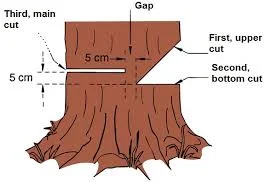
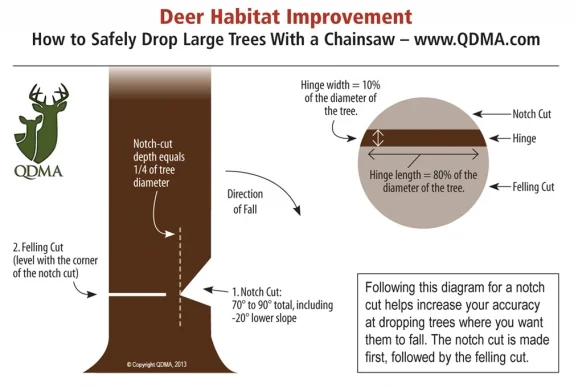
Start the notch by making the top cut first. Cut downward at a 45-degree angle into the tree. This cut should go about one-quarter to one-third of the tree’s diameter. Keep the chainsaw steady and cut smoothly to avoid rough edges.
Making The Bottom Cut
Next, make the bottom cut horizontal. This cut meets the top cut and removes a wedge of wood. The angle between the cuts forms the notch. This notch will open toward the side you want the tree to fall. Make sure the cuts meet cleanly without leaving extra wood.
Checking The Notch Depth And Shape
The notch should be about one-quarter to one-third deep. The shape looks like a triangle or a “V.” A correct notch depth helps control the tree’s fall. Too shallow or too deep can cause the tree to fall unpredictably. Check the notch carefully before moving on.
Executing The Back Cut
The back cut is the final and most important cut when cutting down a tree. It releases the tension holding the tree upright. This cut works with the notch cut to control the tree’s fall direction. Proper execution ensures safety and precision during felling.
Focus on making the back cut slightly above the bottom of the notch. This gap, called the hinge, guides the tree as it falls. The hinge keeps the tree attached just enough to prevent sudden or uncontrolled dropping.
Positioning Yourself For The Back Cut
Stand on the opposite side of the notch. Keep your feet firm and balanced. Avoid standing directly behind the tree. Always have a clear escape path ready for a quick retreat.
Starting The Back Cut
Begin cutting slowly and steadily. Use the chainsaw’s full bar length to make the cut smooth. Stop cutting before reaching the notch’s back edge. Leave about one inch of wood for the hinge.
Controlling The Tree Fall
Watch the tree closely as the back cut nears completion. The tree will start to lean toward the notch side. Step back along your escape route immediately after the tree begins to fall. Never turn your back to the falling tree.
Using Wedges And Tools
Using wedges and tools makes cutting down a tree safer and easier. Wedges guide the tree to fall in the right direction. Tools help control the cut and prevent accidents. Proper use of wedges reduces the risk of the chainsaw getting stuck.
Choosing the right wedges and tools is important. Plastic or metal wedges are common. Plastic wedges are lightweight and easy to use. Metal wedges are stronger for bigger trees. Always have a hammer or mallet to drive the wedges in place.
Choosing The Right Wedges
Select wedges that fit the size of the tree. Use plastic wedges for small to medium trees. Metal wedges work best on large, heavy trees. Pick wedges with a bright color to see them easily. Make sure the wedges are in good condition before use.
How To Use Wedges Safely
Insert the wedge into the back cut of the tree. Tap the wedge gently with a hammer or mallet. Drive the wedge in slowly to avoid damage. Use more than one wedge if needed for large trees. Stop if the chainsaw blade gets pinched or stuck.
Additional Tools To Help
Carry a felling lever or pry bar to help push the tree. Use a measuring tape to check tree height and lean. Wear safety gear like gloves, helmet, and eye protection. Have a first aid kit nearby for emergencies. Keep a clear escape path at all times.
Handling Tree Fall And Aftercare
Handling the tree fall and aftercare is the most important part of cutting down a tree. This step ensures safety and prepares the area for cleanup. Careful attention here prevents accidents and damage to property.
After making the final cut, watch the tree fall closely. Stand clear on your planned escape path. Never turn your back on the falling tree. Stay alert to branches or debris that may fall unexpectedly.
Safe Escape And Positioning
Move quickly to your escape route once the tree begins to fall. Keep your eyes on the tree until it reaches the ground. Avoid running or rushing to stay balanced. Stay at a safe distance to avoid injury.
Inspecting The Fallen Tree
Check the tree for tension or stress points before moving closer. Look for branches under pressure or splits in the trunk. Use caution when approaching the tree to avoid snapping limbs. This inspection helps plan the next steps safely.
Removing Branches And Limbs
Start by cutting smaller branches away from the trunk. Use the chainsaw carefully and keep a steady stance. Clear limbs to make the trunk easier to handle. Remove debris promptly to keep the work area safe.
Cutting The Trunk Into Sections
Cut the trunk into manageable pieces for transport or disposal. Choose sections small enough to lift safely. Work slowly and keep the chainsaw steady. Follow proper cutting techniques to avoid kickback or binding.
Site Cleanup And Safety Checks
Clear all branches, wood pieces, and sawdust from the area. Check for nails, ropes, or other hazards left in the wood. Remove tools and equipment safely. Leave the site tidy to prevent accidents and prepare for future use.
Credit: www.uglyducklinghouse.com
Chainsaw Maintenance Tips
Chainsaw maintenance is key to safe and efficient tree cutting. A well-kept chainsaw cuts faster and lasts longer. Neglecting care can cause accidents and tool damage.
Regular checks and cleaning keep the chainsaw ready. This section covers simple steps to maintain your chainsaw before and after use.
Checking And Sharpening The Chain
Dull chains slow down cutting and increase risks. Check the chain teeth for sharpness often. Use a round file matched to the chain size. Sharpen each tooth evenly for smooth cuts.
Cleaning The Air Filter
Dust and debris clog the air filter quickly. A dirty filter reduces engine power and causes overheating. Remove the filter and clean it with soap and water. Dry completely before reinstalling.
Lubricating The Bar And Chain
Proper lubrication reduces wear and heat. Check the oil level before starting. Use bar and chain oil only. Run the chainsaw and watch oil flow along the chain. Add oil if flow is weak.
Tightening The Chain
A loose chain can jump off or cause kickback. Check chain tension regularly. The chain should be snug but still move by hand. Adjust the tension screw to tighten or loosen as needed.
Inspecting The Spark Plug
The spark plug starts the engine. Dirty plugs cause hard starts or stalling. Remove the plug and check for carbon buildup. Clean with a wire brush or replace if damaged.
Frequently Asked Questions
How To Safely Cut Down A Tree With A Chainsaw?
Identify tree hazards and lean direction. Wear safety gear. Clear escape routes. Cut a notch facing the fall direction. Make a back cut and retreat safely.
What Are The 5 Steps Of Tree Felling?
1. Assess the tree’s height, lean, and nearby hazards. 2. Gather all necessary safety gear and tools. 3. Plan and clear a safe escape route. 4. Cut a notch on the side facing the fall direction. 5. Make the back cut and quickly move to safety.
How To Cut Trees Down For Beginners?
Start by assessing tree height, lean, and hazards. Wear safety gear and clear the area. Cut a notch on the fall side, then make a back cut opposite the notch. Use wedges to guide the fall. Always have an escape route ready and stay alert.
What Side Of A Tree Do You Cut To Make It Fall?
Cut the side facing the direction you want the tree to fall. First, cut a wedge-shaped notch there. Then, make the back cut on the opposite side to guide the fall safely.
How Do I Safely Cut Down A Tree With A Chainsaw?
Plan your cuts carefully, wear protective gear, clear the area, and use proper cutting techniques.
Conclusion
Cutting down a tree with a chainsaw takes care and focus. Always wear safety gear to protect yourself. Plan your cuts before starting. Clear the area and know your escape path. Work slowly and stay alert for any changes. This approach helps you cut trees safely and effectively.
Practice these steps to build confidence over time. Safety should always be your top priority during the job.
Related reading: How to Measure a Chainsaw Bar.
{ “@context”: “https://schema.org”, “@type”: “Article”, “headline”: “How to Cut down a Tree With a Chainsaw: Safe & Easy Steps”, “description”: “Learn how to cut down a tree with a chainsaw by understanding the essential steps, safety tips, and techniques for effective and secure tree felling.”, “url”: “https://www.powertoolstoday.com/cut-down-tree-chainsaw/”, “datePublished”: “2025-11-24”, “dateModified”: “2026-03-18”, “author”: { “@type”: “Organization”, “name”: “Power Tools Today”, “url”: “https://www.powertoolstoday.com” }, “publisher”: { “@type”: “Organization”, “name”: “Power Tools Today”, “url”: “https://www.powertoolstoday.com” }, “mainEntityOfPage”: { “@type”: “WebPage”, “@id”: “https://www.powertoolstoday.com/cut-down-tree-chainsaw/” }, “image”: { “@type”: “ImageObject”, “url”: “https://www.powertoolstoday.com/wp-content/uploads/2025/11/How-to-Cut-down-a-Tree-With-a-Chainsaw-1024×576.webp” } }nn