
Last Updated: March 20, 2026
When you pick up a drill, choosing the right bit can make all the difference between a clean, precise hole and a frustrating, messy job. You might wonder—what sets wood drill bits apart from metal ones?
The answer lies in their design, shape, and coating, all tailored to tackle very different materials. If you want your drilling projects to go smoothly, understanding these differences is key. You’ll discover how to identify wood and metal drill bits at a glance, why each type is made the way it is, and how using the wrong bit can affect your work.
Stick with me, and you’ll never have to guess which drill bit to use again.
Tip Design Differences
Drill bit tips are made differently for wood and metal. The design helps the bit cut through material cleanly and quickly. Each tip suits the material’s hardness and texture. Choosing the right tip improves drilling accuracy and tool life.
Wood Drill Bit Tips
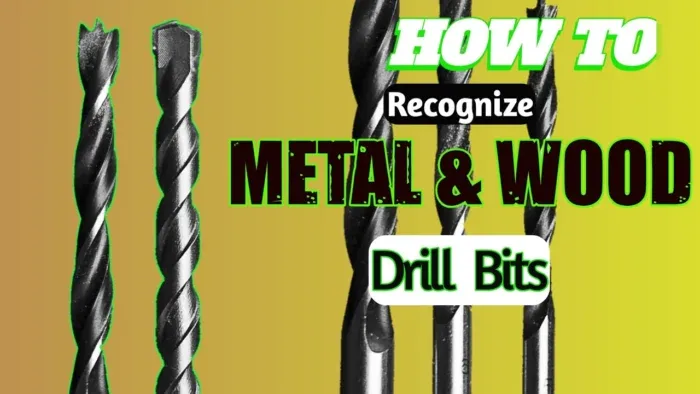
Wood drill bits often have a pointed tip called a brad point. This tip has a sharp center spike that starts the hole precisely. It also has two cutting edges on the sides. These edges slice through wood fibers smoothly.
The brad point prevents the bit from wandering. It helps drill clean, round holes without splintering the wood. This tip design works well on soft and hardwood alike.
Metal Drill Bit Tips
Metal drill bits have a different tip called a conical or split point. The tip is sharp but lacks a center spike. Instead, it has two angled cutting edges that meet at the center.
This design helps the bit grind through tough metal. It reduces slipping and allows for controlled drilling. Metal tips often have coatings like black oxide or titanium. These coatings increase heat resistance and durability.
Impact Of Tip Design On Drilling
The tip shape controls how well the bit grips the surface. Wood tips with a center point start holes easily without slipping. Metal tips with split points reduce walking on hard surfaces.
Using the wrong tip can cause rough holes or damage. Wood bits in metal wear quickly and slip. Metal bits in wood may tear fibers and cause splintering.
Credit: www.youtube.com
Color And Coating
Color and coating help identify wood and metal drill bits quickly. These features also improve performance and lifespan. Both wood and metal bits come with different finishes. Each finish suits a specific material and drilling need.
Color Differences In Wood And Metal Drill Bits
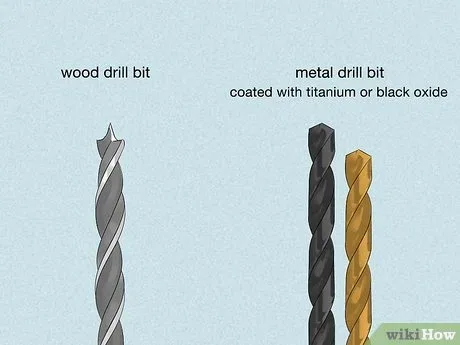
Wood drill bits often have a shiny silver or black color. Some have a bright, polished look. Metal drill bits usually appear darker. Black oxide or gold titanium colors are common. These colors show the bit’s durability and heat resistance.
Coating Types For Wood Drill Bits
Wood bits rarely have heavy coatings. They rely on sharp edges and points. A clear or light finish may protect them from rust. The focus is on clean cuts and precision. Coatings that reduce friction are less common here.
Coating Types For Metal Drill Bits
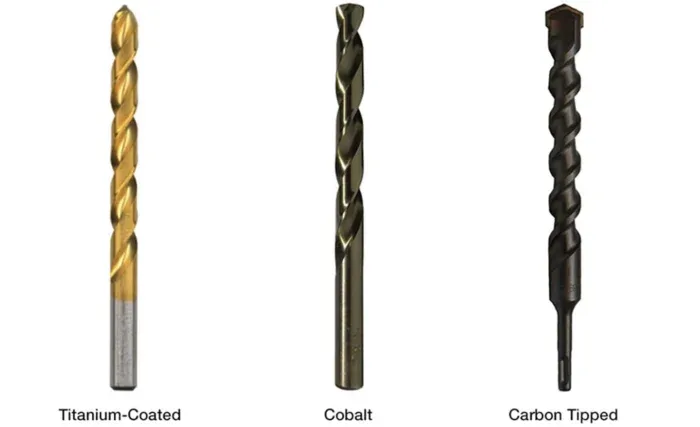
Metal drill bits often have special coatings. Black oxide reduces rust and increases bit life. Titanium coating makes bits harder and heat-resistant. Some metal bits have cobalt for extra toughness. These coatings help drill through hard metals easily.
How Color And Coating Affect Performance
Coatings reduce heat during drilling metal. This prevents the bit from wearing out fast. Wood bits need less heat control. Sharp points and edges cut wood cleanly. Color also helps users choose the right bit at a glance.
Material And Construction
Material and construction play a key role in the performance of drill bits. Wood and metal drill bits differ significantly in these aspects. Understanding these differences helps you choose the right bit for your project.
Material Composition
Wood drill bits usually consist of high-speed steel (HSS). Some have carbon steel for softer wood types. Metal drill bits commonly use high-speed steel as well. Many metal bits include coatings like titanium or black oxide. These coatings increase strength and reduce heat during drilling.
Tip Design And Shape
Wood drill bits have a sharp point called a brad point. This tip helps start drilling precisely without slipping. It also has spurs on the edges to cut clean holes in wood. Metal drill bits have a conical or split point tip. This design helps them cut through hard metal surfaces efficiently. They lack the spurs found on wood bits.
Durability And Heat Resistance
Wood drill bits do not usually need special coatings. Wood is softer and generates less heat while drilling. Metal drill bits require coatings to handle higher heat. Titanium and black oxide coatings improve wear resistance. These coatings extend the bit’s life when drilling metal.
Credit: www.wikihow.com
Cutting Performance
Cutting performance is a key factor when choosing drill bits for wood or metal. Each material demands a different bit design to work well. The right drill bit ensures clean holes and efficient drilling.
Wood drill bits cut quickly and smoothly through soft and hard wood. Metal drill bits focus on precision and durability to handle tough metals.
Cutting Speed
Wood drill bits cut faster because wood is softer. Their sharp spurs help start holes cleanly without tearing. Metal bits cut slower to prevent overheating and wear.
Heat Resistance
Metal drill bits have coatings like black oxide or titanium. These reduce heat and keep the bit sharp longer. Wood bits usually lack these coatings since wood drilling generates less heat.
Cut Quality
Wood drill bits produce clean, splinter-free holes. Their pointed tips guide the bit to avoid wandering. Metal drill bits create precise holes but may leave rough edges if used improperly.
Best Applications
Wood drill bits have a sharp center point to keep the bit steady and clean the hole. Metal drill bits feature a conical tip designed for hard surfaces and often include coatings to reduce heat. Choosing the right bit improves drilling accuracy and tool life.
Choosing the right drill bit affects your project quality and speed. Wood and metal drill bits suit different materials and tasks. Each type offers unique advantages that improve drilling results.
Using the correct bit reduces damage to materials and tools. It also ensures cleaner holes and safer work conditions.
Best Applications For Wood Drill Bits
Wood drill bits work best on soft and hard wood types. They create clean, precise holes with minimal splintering. The sharp point helps start the hole without slipping.
These bits are ideal for furniture making, cabinetry, and carpentry projects. They also work well on plywood and composite wood materials. Wood drill bits can cut through soft plastics and some drywall.
Best Applications For Metal Drill Bits
Metal drill bits are designed for drilling steel, aluminum, and other metals. They have strong tips that resist heat and wear. These bits produce smooth holes in metal surfaces without cracking or chipping.
They suit automotive repairs, metal fabrication, and construction jobs. Metal drill bits also work on hard plastics and fiberglass. High-speed steel and cobalt bits are common for tougher metals.
Choosing The Right Bit
Selecting the correct drill bit improves your drilling results. Each bit suits specific materials. Using the wrong bit can damage the material or the bit itself.
Wood and metal require different drill bits. Understanding their differences helps you pick the right one. This section covers key points to consider.
Material Compatibility
Wood drill bits have a sharp point for clean holes. They often feature spurs to prevent splintering. Metal drill bits have a blunt tip designed to cut harder surfaces. Always match the bit to the material for best performance.
Bit Design And Shape
Wood bits usually have a brad point tip that centers easily. Metal bits have a split point or conical tip for better grip. The shape affects how the bit cuts and how clean the hole is.
Coating And Durability
Metal drill bits often come with coatings like black oxide or titanium. These coatings reduce heat and improve lifespan. Wood bits usually have no special coating as wood is softer.
Speed And Pressure
Drilling wood allows faster speeds and less pressure. Metal drilling needs slower speeds and steady pressure to avoid overheating. Choose a bit that can handle these conditions well.
Size And Length
Select the right size to match your screw or hole requirement. Wood bits come in longer lengths for deep holes. Metal bits tend to be shorter but stronger.
Credit: www.homedepot.com
Conclusion
Choosing the right drill bit matters for your project’s success. Wood drill bits have a sharp center point to start holes easily. Metal drill bits feature a chisel-shaped tip to cut through hard surfaces. Using the wrong bit can damage material or tool.
Know the differences to save time and avoid mistakes. Simple tips help pick the correct bit every time. This knowledge makes drilling safer and more effective. Keep your tools sharp and match bits to material. Drill smarter, not harder.
Frequently Asked Questions
Wood drill bits feature a sharp central spur (brad point) to prevent slipping and are usually silver. Metal bits lack a central spur, have a conical tip, and often display black oxide, titanium, or cobalt coatings for durability and heat resistance.
Yes, metal drill bits can drill wood but may cause splintering or less clean holes. Wood bits provide cleaner, precise cuts.
Check the drill bit tip: metal bits have sharp, conical points without a central spur. Look for black oxide, titanium, or cobalt coatings. The shaft may show “HSS” marking. Wood bits have a central brad point and are usually plain steel colored.
Yes, use special metal drill bits like high-speed steel (HSS) or cobalt bits. They resist heat and stay sharp drilling metal.
Wood drill bits have a pointed tip for clean holes; metal bits have a sharp, angled tip for cutting metal.
Wood bits usually have a center point and spurs on the edges to cut wood fibers.