
Last Updated: March 20, 2026
When you pick up a hammer or a mallet, do you ever wonder which one is right for your project? Choosing between these two tools might seem simple, but using the wrong one can damage your work or make the job harder than it needs to be.
You need to know exactly what sets a hammer apart from a mallet—how their materials, purpose, and the force they deliver affect your results. Whether you’re driving nails, shaping wood, or assembling furniture, understanding the key differences will save you time, effort, and frustration.
Keep reading, and you’ll discover everything you need to confidently decide: Hammer or mallet—which one belongs in your toolbox?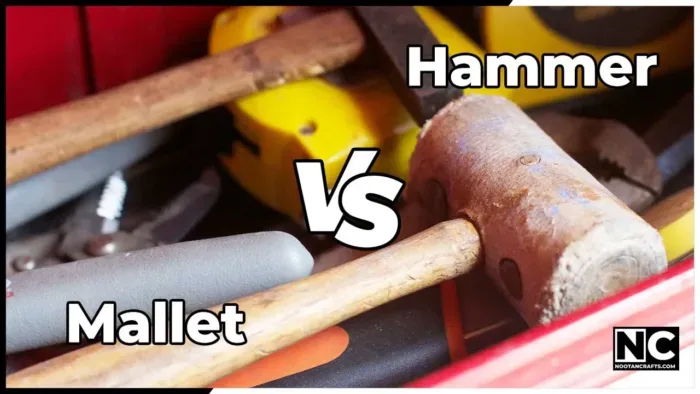
Credit: nootancrafts.com
Key Material Differences
Understanding the key material differences between a hammer and a mallet helps you choose the right tool. These tools look similar but serve different purposes due to their materials. The choice of material affects how each tool strikes and impacts the workpiece.
Hammers have hard heads, usually made of steel. Mallets have softer heads made of wood, rubber, or plastic. This difference changes how force is delivered and what tasks each tool suits best.
Hammer Head Materials
Hammer heads are mostly made from hardened steel. This material is strong and durable. It can drive nails, break objects, or shape metal. The steel head delivers a sharp, strong blow that can deform the surface.
Mallet Head Materials
Mallet heads are made from softer materials like wood, rubber, or plastic. These materials absorb some impact, reducing damage to the surface. Mallets are ideal for delicate work where you do not want marks or dents.
Handle Materials
Hammer handles are often wood, fiberglass, or steel. They provide strength and control. Mallet handles are usually wood or plastic, matching the softer head. This combination helps control force and avoid damage.
Impact And Surface Protection
Hammers deliver a strong impact that can bend or break objects. Mallets deliver a softer impact that protects surfaces. This makes mallets perfect for woodworking, assembling furniture, or striking chisels.
Credit: www.redboxtools.com
Primary Uses Of Each Tool
Understanding the primary uses of a hammer and a mallet helps in choosing the right tool. Each tool has a specific role in different tasks. Using the correct one improves work quality and safety.
Hammers are strong tools designed for heavy-duty jobs. Mallets, on the other hand, are softer and meant for gentle strikes.
Primary Uses Of A Hammer
Hammers drive nails into wood or other materials. They also break objects and shape metal parts. Construction workers and carpenters often rely on hammers for framing and demolition. The steel head delivers strong, focused force. This makes it ideal for tasks needing power and precision.
Primary Uses Of A Mallet
Malets apply force without damaging surfaces. They are used in woodworking to tap joints together. Artists use mallets to shape soft metals or stone. The soft head prevents marks or dents on delicate materials. Mallets also help in assembling furniture and fitting parts gently.
Impact And Force Comparison
The impact and force delivered by a hammer and a mallet differ greatly. Both tools serve unique purposes based on their design and materials.
Understanding how each tool applies force helps in choosing the right one for a job. The nature of the impact affects the workpiece and the tool’s efficiency.
Force Delivery Of A Hammer
A hammer has a heavy, metal head that delivers strong, focused force. Its impact is sharp and powerful, ideal for driving nails or breaking hard materials.
The metal head concentrates energy on a small area, creating high impact pressure. This can damage delicate surfaces but excels in tough tasks.
Force Delivery Of A Mallet
A mallet features a soft head made of wood, rubber, or plastic. It spreads the force over a wider area to avoid surface damage.
The softer head reduces the risk of dents and marks, making mallets perfect for woodworking and assembling parts gently.
Comparing Impact Effects
Hammers provide high-impact force that can deform or break materials. They are suitable for heavy-duty tasks requiring strong blows.
Mallets produce a softer impact, preserving the material’s surface. They suit tasks that need careful tapping or shaping without damage.
Choosing Based On Force Needs
Select a hammer for jobs needing strong, precise strikes. It delivers maximum force in a compact area.
Choose a mallet for tasks needing gentle force and surface protection. It offers controlled impact with less risk of damage.
When To Avoid Using A Mallet
Knowing when to avoid using a mallet is important for any project. Mallets have softer heads that protect surfaces. Yet, not every job suits a mallet’s gentle touch. Choosing the wrong tool can damage materials or reduce work quality.
This section explains key situations where a mallet should not be used. Understanding these limits helps you pick the right tool every time.
Using A Mallet On Hard Surfaces
Mallets should not be used on hard surfaces like metal or concrete. The soft head cannot deliver enough force. It may wear out quickly or fail to move the material. A hammer with a steel head works better here.
Driving Nails Or Fasteners
Mallets are poor for driving nails or screws. They lack the sharp impact needed to push fasteners deep. Nails may bend or stay loose. A hammer with a solid metal head is ideal for this task.
Shaping Or Breaking Hard Materials
When shaping metal or breaking hard objects, mallets are not suitable. Their soft heads absorb force instead of applying it. This can cause incomplete shaping or damage to the mallet. Use a hammer designed for heavy impact instead.
Work Requiring Precision And Strong Impact
Tasks needing precise, strong blows should avoid mallets. The soft head may cause less control and weaker hits. A hammer with a firm head provides the accuracy and power needed for delicate or tough jobs.
Specialized Hammer Types
Specialized hammer types serve specific jobs that general hammers cannot handle well. These tools are designed to improve precision, reduce damage, or increase force depending on the task.
Choosing the right hammer type helps get the job done faster and safer. Each type has unique features that suit different materials and applications.
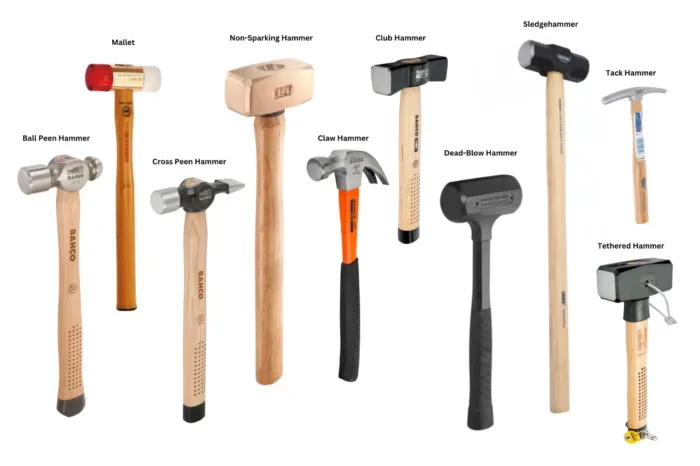
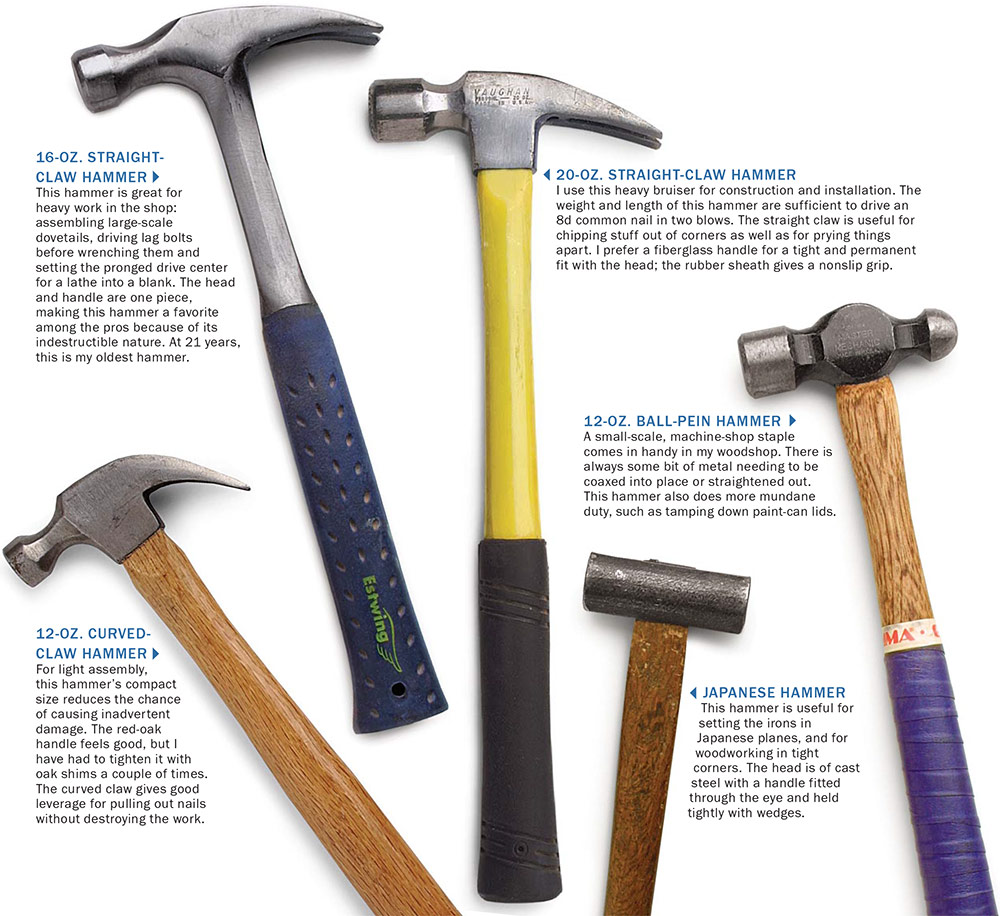
Claw Hammer
The claw hammer is common in woodworking and construction. It has a curved claw for pulling nails out of wood. The flat side drives nails into surfaces.
This hammer provides good balance between striking and prying.
Ball Peen Hammer
The ball peen hammer is used mainly in metalwork. One side is flat for striking. The other side is rounded to shape metal or close rivets.
This hammer is essential in shaping and finishing metal parts.
Dead Blow Hammer
The dead blow hammer reduces rebound after impact. It has a hollow head filled with steel shot or sand. This design helps deliver controlled force without damaging surfaces.
It is perfect for delicate assembly and automotive work.
Rubber Mallet
The rubber mallet has a soft, flexible head. It applies force without leaving marks or dents. This tool is ideal for working with soft materials like wood or tile.
It helps adjust parts gently during installation or repair.
Wooden Mallet
Wooden mallets are common in woodworking and carpentry. The wooden head prevents damage to chisels and fine joinery. It offers a controlled strike without marring surfaces.
Wooden mallets are lightweight and easy to handle.
Credit: www.finewoodworking.com
Choosing The Right Tool For Your Project
Choosing the right tool affects the quality of your work. The decision depends on the task and the material you handle. Picking the proper tool saves time and prevents damage. It also makes your work safer and easier.
Understanding the differences between a hammer and a mallet helps you select the correct one. Each tool serves specific purposes and suits certain materials better. Let’s explore how to choose the right tool for your project.
Material And Design Differences
Hammers have hard steel heads. They deliver strong, focused force. Mallets have softer heads made of wood, rubber, or plastic. They apply force gently without damaging surfaces. Choose a hammer for heavy, tough jobs. Pick a mallet for delicate or precise work.
Types Of Tasks
Use a hammer to drive nails or shape metal. It is powerful and precise. Use a mallet to join wood pieces or adjust soft materials. It avoids dents and scratches. Match the tool to the task to get the best results.
Impact On Materials
Hammers can damage soft materials. They leave marks or cause splits. Mallets protect the material surface. They spread force evenly and reduce impact. Consider the material’s strength before choosing your tool.
Comfort And Control
Hammers are heavier and may cause fatigue over time. Mallets are lighter and easier to control. Choose a tool that feels comfortable and suits your skill level. Proper grip and control improve accuracy and safety.
Conclusion
Choosing between a hammer and a mallet depends on your task needs. Hammers deliver strong, direct force for nails and metalwork. Mallets provide gentle, controlled strikes to protect surfaces. Knowing these differences helps you pick the right tool. Use hammers for heavy-duty jobs and mallets for delicate work.
This simple choice improves your results and protects your materials. Keep both tools handy for various projects. Understanding their uses makes your work easier and more efficient.
Frequently Asked Questions
A hammer qualifies as a mallet if it has a soft head made of wood, rubber, or plastic. Mallets deliver softer, controlled strikes to avoid surface damage.
Avoid using a mallet on hard metal surfaces, nails, or tasks requiring heavy impact. It can damage mallet heads and deliver insufficient force.
A ball hammer has a hard steel head for driving nails or shaping metal. A mallet has a softer head, like wood or rubber, to strike without damaging surfaces. Mallets deliver gentler, controlled blows, while ball hammers provide harder impacts for heavy-duty tasks.
Use a rubber mallet to apply gentle, controlled force without damaging surfaces. It prevents dents unlike a hard hammer.
A hammer has a hard steel head; a mallet has a softer wooden or rubber head.
Use a mallet to avoid surface damage and apply gentle force on soft materials.
Related reading: how to use a claw hammer.
{ “@context”: “https://schema.org”, “@type”: “Article”, “headline”: “Hammer Vs Mallet: Ultimate Guide to Choosing the Right Tool”, “description”: “Hammer vs mallet explores the differences in design and use, highlighting how each tool suits specific tasks like driving nails or shaping materials gently.”, “url”: “https://www.powertoolstoday.com/hammer-vs-mallet/”, “datePublished”: “2025-11-08”, “dateModified”: “2026-03-18”, “author”: { “@type”: “Organization”, “name”: “Power Tools Today”, “url”: “https://www.powertoolstoday.com” }, “publisher”: { “@type”: “Organization”, “name”: “Power Tools Today”, “url”: “https://www.powertoolstoday.com” }, “mainEntityOfPage”: { “@type”: “WebPage”, “@id”: “https://www.powertoolstoday.com/hammer-vs-mallet/” }, “image”: { “@type”: “ImageObject”, “url”: “https://www.powertoolstoday.com/wp-content/uploads/2025/11/Hammer-Vs-Mallet-Ultimate-Guide-to-Choosing-the-Right-Tool-1024×576.webp” } }nn