
Last Updated: March 21, 2026
If you drive an electric car or are thinking about getting one, understanding how charging stations work is key to a smooth experience. You might wonder what happens when you plug in your vehicle—how does the electricity flow, and how does the station communicate with your car?
Knowing these basics can save you time and help you make smarter choices about where and when to charge. You’ll discover the simple yet fascinating process behind electric car charging stations, how they deliver power to your vehicle, and what you need to know to charge efficiently.
Keep reading to unlock the secrets of electric vehicle charging and make your next charge hassle-free.
Types Of Charging Stations
Electric car charging stations come in different types. Each type offers a different speed and method of charging. Understanding these types helps drivers choose the right option for their needs.
Charging stations mainly fall into three categories. These include Level 1, Level 2, and DC Fast Charging. Each serves a unique purpose and suits different situations.
Level 1 Charging
Level 1 charging uses a standard 120-volt outlet. It is the slowest way to charge an electric car. This method adds about 3 to 5 miles of range per hour. It works well for overnight charging at home.
No special equipment is needed beyond the car’s charger. Level 1 is the most accessible but takes the longest to fill the battery.
Level 2 Charging
Level 2 charging uses a 240-volt outlet, like those for large appliances. It charges much faster than Level 1. Typically, it adds 15 to 30 miles of range per hour.
Many public stations and home chargers use Level 2. It requires special installation but suits daily drivers well. Level 2 is common for workplaces and shopping centers.
Dc Fast Charging
DC Fast Charging delivers direct current to the battery. It bypasses the car’s onboard charger for quicker energy transfer. This method can add 60 to 100 miles of range in 20 minutes.
DC Fast Chargers are found mostly in public stations along highways. They help drivers recharge quickly on long trips. This type requires special connectors and higher power levels.
Electricity Flow Process
The electricity flow process is the heart of electric car charging stations. It explains how power moves from the grid to your vehicle. Understanding this flow helps to know how charging stations deliver energy safely and efficiently. The process has two main parts: power source to station and station to vehicle connection.
Power Source To Station
Electricity starts at the power grid or renewable energy sources. It travels through power lines to the charging station. The station has equipment to control and convert this power. This includes transformers and converters that adjust voltage and current. These steps make electricity compatible with electric vehicle batteries. The station also monitors safety to prevent overloads or faults.
Station To Vehicle Connection
The charging station connects to the car with a cable and plug. Once connected, the station and car communicate. They check battery status and set charging limits. Electricity flows from the station through the cable into the car’s battery. The process continues until the battery reaches full charge or the session ends. This connection ensures safe and efficient energy transfer.
Communication Between Car And Station
Electric car charging stations and vehicles must talk to each other to charge safely and efficiently. This communication ensures the car receives the right amount of power. It also protects the battery and the user from harm. The process starts as soon as the car plugs into the station.
Data flows between the car and the station, confirming identity and sharing important details. This dialogue controls how the charging happens. It can adjust power levels and stop charging if needed. Understanding this communication helps explain how electric cars charge smoothly.
Authentication Methods
Authentication checks if the user has permission to charge. Many stations use RFID cards or apps for this step. The car or user scans a card or enters details on an app. The station confirms the user’s identity before starting the charge.
Some stations connect to a cloud service to verify accounts. This step prevents unauthorized use and helps with billing. Authentication keeps the system secure and fair for all users.
Charging Protocols
Charging protocols are the rules for how cars and stations communicate. These rules manage power flow and safety checks. Common protocols include CHAdeMO, CCS, and Tesla’s Supercharger system.
The protocol defines signals sent back and forth. For example, the station tells the car how much current is available. The car responds with how much it can safely take. Protocols also monitor temperature and battery health during charging.
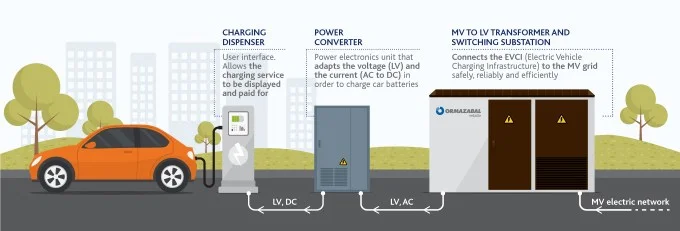
Credit: www.ormazabal.com
Onboard Charger Role
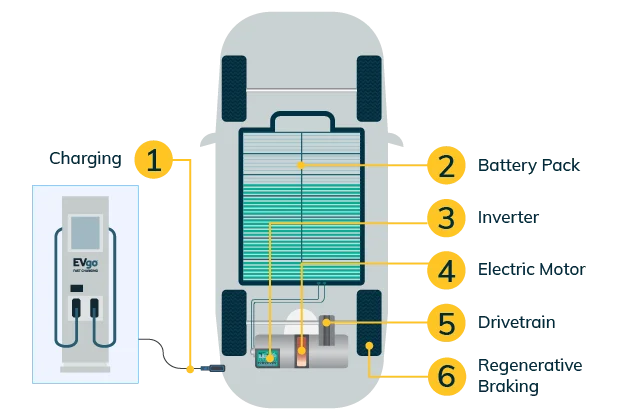
The onboard charger is a key part inside every electric vehicle. It controls how electricity from the charging station gets stored in the car’s battery. This device ensures the power flows safely and efficiently during charging. Understanding the onboard charger’s role helps explain the charging process better.
Ac To Dc Conversion
Electric car charging stations often send alternating current (AC) power. The onboard charger changes this AC power into direct current (DC). Batteries only store DC electricity. This conversion allows the battery to charge properly. The onboard charger also controls the amount of power sent to the battery. It prevents overloading and protects the battery’s life.
Battery Management
The onboard charger works closely with the battery management system. This system monitors battery health and temperature. It makes sure the battery charges at the right speed. If the battery gets too hot or full, the charger slows down or stops. This helps keep the battery safe and long-lasting. Proper battery management improves overall car performance.
Charging Time Factors
Charging time varies widely for electric vehicles. Several key factors affect how long your EV takes to charge. Understanding these helps plan your charging stops better. Two main elements influence charging speed: the battery size and its current state, plus the charger’s power output.
Battery Size And State
The battery size directly impacts charging time. Larger batteries hold more energy and take longer to fill. Smaller batteries charge faster but need more frequent charging.
The battery’s current state also matters. A nearly empty battery charges slower at first. As the battery fills up, the charging speed usually slows down. This protects the battery and keeps it safe.
Charger Power Output
Charging stations differ in power output, measured in kilowatts (kW). Higher kW chargers deliver more electricity quickly. This reduces the overall charging time.
Lower power chargers, like home chargers, take longer. Public fast chargers provide high power and speed up charging. Not all vehicles can use the highest power levels, so compatibility matters.
Payment And Pricing Models
Electric car charging stations use different payment and pricing models. These models affect how much drivers pay and how they access the chargers. Understanding these options helps drivers choose the best way to charge their vehicles.
Pay-per-use
Pay-per-use means drivers pay only for the electricity they use. The price is usually based on kilowatt-hours (kWh) delivered. Some stations charge by the minute instead. This model suits occasional users and those who do not want monthly fees. Payment methods include credit cards, mobile apps, or RFID cards.
Subscription Plans
Subscription plans offer regular users a fixed monthly fee. Drivers get access to multiple stations or a network. Plans may include discounts or unlimited charging. Subscriptions are ideal for daily commuters or frequent travelers. Many providers offer easy sign-up and app-based management.
Free Charging Options
Some locations provide free charging to attract customers or promote clean energy. Free chargers appear at malls, hotels, or workplaces. They may have time limits or slower charging speeds. Free charging is a bonus but may not always be available or convenient.
Safety Features In Stations
Electric car charging stations have built-in safety features to protect users and vehicles. These features prevent accidents and damage during the charging process. Safety is a top priority for manufacturers and operators of charging stations.
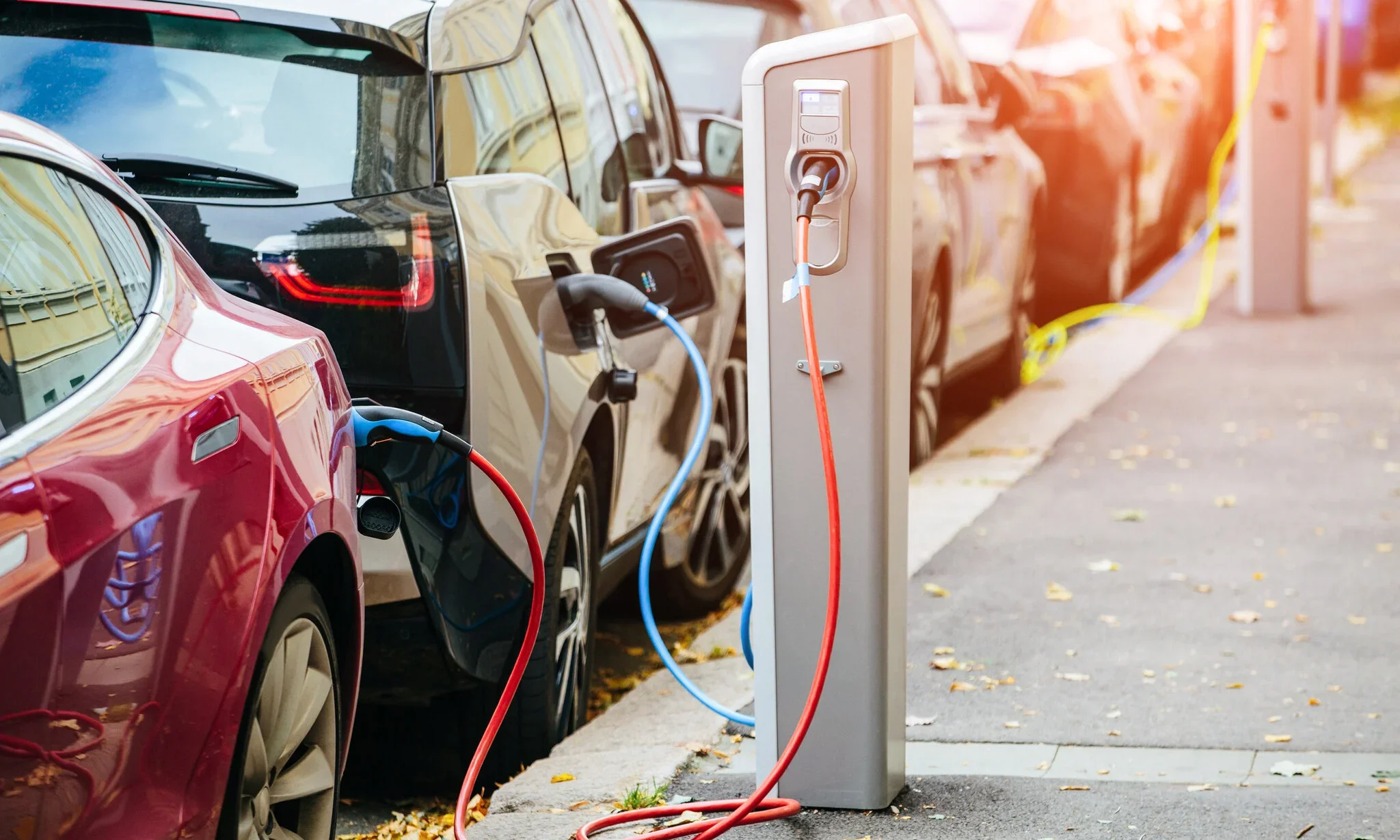
Smart technology monitors the station’s operation at all times. It detects electrical faults and responds quickly. This reduces risks like electric shock, fire, or equipment failure.
Overcurrent Protection
Overcurrent protection stops excess electrical current from flowing. Too much current can damage the car’s battery or the charging system. The station uses sensors to detect high current levels. It then cuts off power immediately to avoid harm.
This feature protects both the vehicle and the user. It ensures the charging process stays within safe limits. Overcurrent protection also helps to prevent power surges and short circuits.
Temperature Monitoring
Charging stations monitor temperature to avoid overheating. High temperatures can damage electrical components and reduce battery life. Temperature sensors track heat in the charger and cable.
If the temperature rises above safe levels, the system lowers or stops the power flow. This prevents fires and equipment failure. Temperature monitoring keeps the charging process safe and reliable for every user.
Credit: www.evconnect.com
Future Of Charging Technology
The future of electric car charging technology holds exciting possibilities. It aims to make charging simpler, faster, and more convenient. Innovations focus on removing common barriers and improving user experience. Two key developments are wireless charging and ultra-fast chargers.
Wireless Charging
Wireless charging lets electric cars charge without plugs or cables. The car parks over a charging pad that uses magnetic fields to transfer energy. This method reduces wear on connectors and eliminates tripping hazards. It also allows for easy charging in tight spaces or public areas. Wireless charging is expected to become more common in homes and city streets.
Ultra-fast Chargers
Ultra-fast chargers deliver very high power to electric vehicles. They can charge a car’s battery to 80% in as little as 15 minutes. These chargers use advanced cooling systems to manage heat during fast charging. They are ideal for long-distance travel and quick stops. Ultra-fast charging stations will expand on highways and in busy urban locations.
Credit: www.evgo.com
Frequently Asked Questions
How Long Does It Take To Charge An Electric Car At A Public Charging Station?
Charging time at public stations varies by charger type and car model. Level 2 chargers take 3-8 hours, while DC fast chargers can charge 80% in 20-40 minutes.
How Much Does It Cost To Charge An Electric Car At A Charge Point?
Charging an electric car at a charge point typically costs between $0. 10 to $0. 30 per kWh. Prices vary by location and charger type.
How Much Does It Cost To Charge An Electric Car At A Charging Station In The Us?
Charging an electric car at a US station typically costs $0. 10 to $0. 30 per kWh. Prices vary by location and charger type.
Is It Still Free To Charge An Electric Car?
Charging an electric car is rarely free now. Most public stations charge per kilowatt-hour or by session. Some places offer free charging promotions.
How Do Electric Car Charging Stations Transfer Power?
Charging stations send electricity through a cable to the car’s battery, refilling its energy.
Conclusion
Electric car charging stations supply electricity to your vehicle’s battery. They connect, communicate, and transfer power efficiently. Different chargers offer varying speeds for convenience. Understanding this process helps you use stations confidently. Charging an electric car is simple and eco-friendly.
As electric vehicles grow popular, charging options expand too. Knowing how stations work makes your driving smoother. Keep exploring to stay updated on electric car technology.
Related reading: Best EV Home Chargers.
Related reading: Best Solar Charge Controllers.
{ “@context”: “https://schema.org”, “@type”: “Article”, “headline”: “How Do Electric Car Charging Stations Work: Explained Simply”, “description”: “How do electric car charging stations work by supplying power to recharge EV batteries through connectors and managing energy flow safely and efficiently.”, “url”: “https://www.powertoolstoday.com/how-do-electric-car-charging-stations-work/”, “datePublished”: “2025-12-11”, “dateModified”: “2026-03-18”, “author”: { “@type”: “Organization”, “name”: “Power Tools Today”, “url”: “https://www.powertoolstoday.com” }, “publisher”: { “@type”: “Organization”, “name”: “Power Tools Today”, “url”: “https://www.powertoolstoday.com” }, “mainEntityOfPage”: { “@type”: “WebPage”, “@id”: “https://www.powertoolstoday.com/how-do-electric-car-charging-stations-work/” }, “image”: { “@type”: “ImageObject”, “url”: “https://www.powertoolstoday.com/wp-content/uploads/2025/11/how-do-electric-car-charging-stations-work.jpg” } }{ “@context”: “https://schema.org”, “@type”: “Article”, “headline”: “How Do Electric Car Charging Stations Work: Explained Simply”, “description”: “How do electric car charging stations work by supplying power to recharge EV batteries through connectors and managing energy flow safely and efficiently.”, “url”: “https://www.powertoolstoday.com/how-do-electric-car-charging-stations-work/”, “datePublished”: “2025-12-11”, “dateModified”: “2026-03-19”, “author”: { “@type”: “Organization”, “name”: “Power Tools Today”, “url”: “https://www.powertoolstoday.com” }, “publisher”: { “@type”: “Organization”, “name”: “Power Tools Today”, “url”: “https://www.powertoolstoday.com” }, “mainEntityOfPage”: { “@type”: “WebPage”, “@id”: “https://www.powertoolstoday.com/how-do-electric-car-charging-stations-work/” }, “image”: { “@type”: “ImageObject”, “url”: “https://www.powertoolstoday.com/wp-content/uploads/2025/11/how-do-electric-car-charging-stations-work.jpg” } }nn