
Last Updated: March 20, 2026
Have you ever wondered what makes a leaf blower such a powerful tool for clearing your yard? Whether you’re battling piles of fallen leaves or stubborn debris, understanding how a leaf blower works can help you use it more effectively and keep your outdoor space spotless.
This simple yet clever device uses air in a way you might not expect, turning a quiet breeze into a strong gust that moves leaves in seconds. Keep reading, and you’ll discover exactly what powers your leaf blower and why it’s the go-to tool for quick, easy yard cleanup.
Credit: www.iqsdirectory.com
Power Sources
The power source is the heart of every leaf blower. It drives the fan that creates the air stream. Different power types affect the blower’s strength, noise, and ease of use.
Choosing the right power source depends on your needs. Some offer more power, while others provide convenience and quiet operation.
Gas-powered Leaf Blowers
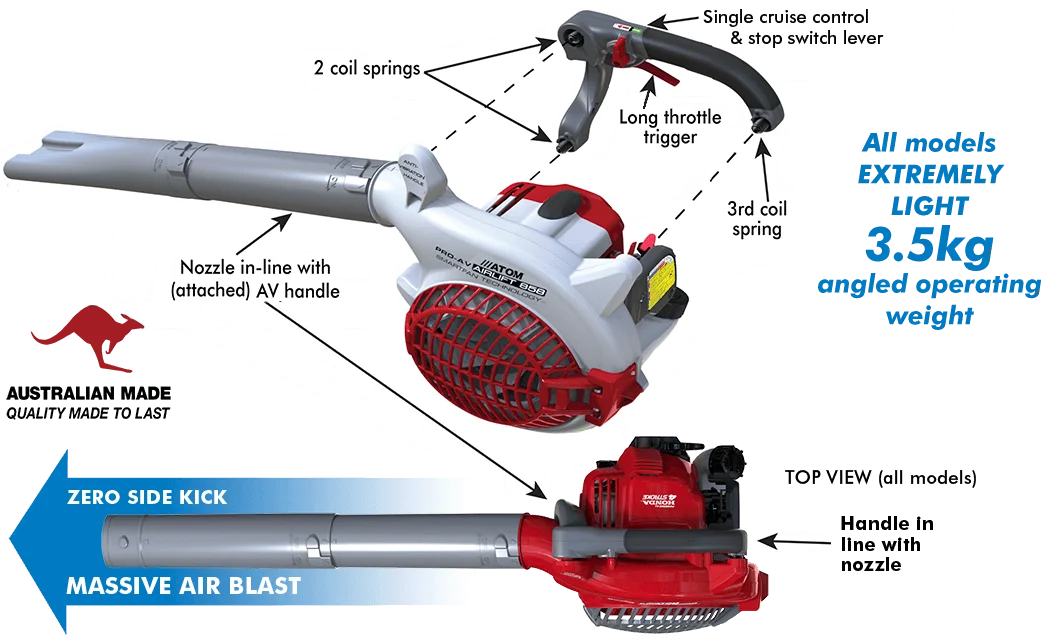
Gas-powered blowers use small engines fueled by gasoline. These engines spin the impeller to push air out fast. They deliver strong airflow, ideal for large yards and heavy debris.
These blowers tend to be louder and heavier. They need regular maintenance, including refilling fuel and changing spark plugs. Their power suits tough outdoor jobs well.
Electric Corded Leaf Blowers
Electric corded blowers plug into an outlet for power. They run quietly and start easily with a button press. Their lightweight design makes them easy to carry and use.
The main limit is the cord, which restricts movement. They work best near power sources and on smaller areas. These blowers require less upkeep than gas models.
Battery-powered Leaf Blowers
Battery-powered blowers use rechargeable batteries for cordless freedom. They combine the quietness of electric models with easy mobility. Their weight is usually light, allowing longer use without fatigue.
Battery life limits how long they run before needing a recharge. Newer batteries offer longer run times and faster charging. They suit medium-sized yards and quick cleanups well.
Credit: www.youtube.com
Impeller And Airflow
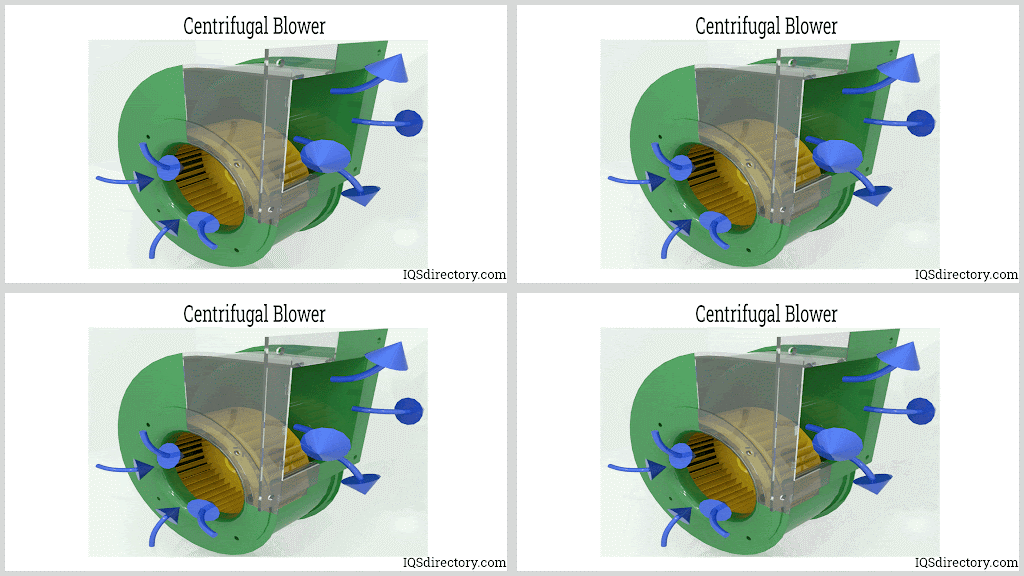
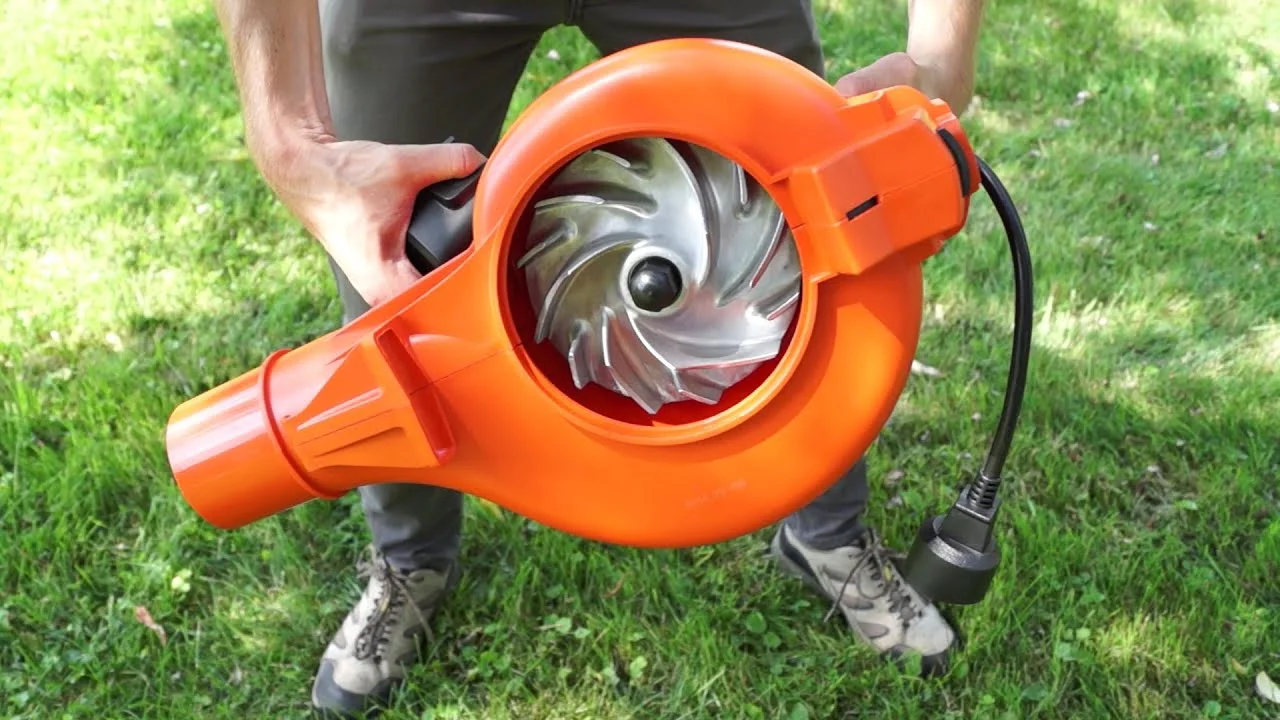
The impeller and airflow are central to how a leaf blower works. The impeller is a fan inside the blower that spins very fast. This spinning creates a strong airflow that moves leaves and debris.
The impeller pulls air into the blower through an intake. Then, it pushes this air out through a narrow nozzle. The air comes out at high speed, creating a powerful stream. This stream can blow leaves, grass clippings, and other yard debris away with ease.
What Is An Impeller?
An impeller is a fan with blades fixed to a shaft. The shaft connects to the motor or engine of the blower. When the motor runs, it spins the impeller quickly. This action pulls air inside and pushes it out forcefully.
How Does Airflow Work?
Airflow starts at the intake vent where air enters the blower. The spinning impeller pulls the air in and forces it through the housing. The design of the housing directs the air toward the nozzle. The nozzle narrows the airflow, increasing its speed and power.
Why Is Airflow Important?
Strong airflow determines how well the blower clears debris. Faster air pushes leaves farther and faster. Proper airflow also reduces clogs inside the blower. This improves performance and makes yard work easier.
Types Of Leaf Blowers
Leaf blowers come in several types, each designed for specific tasks and user needs. Understanding these types helps you choose the right tool for your yard work. Some models focus on power, while others prioritize ease and comfort. There are also versatile options that combine blowing and vacuuming functions.
Gas-powered Models
Gas-powered leaf blowers use a small engine fueled by gasoline. They deliver strong air power, ideal for large yards or heavy debris. These models are usually heavier and louder. They require regular maintenance and fuel mixing in two-stroke engines. Four-stroke engines run cleaner but are often heavier.
Electric Blowers
Electric leaf blowers run on electricity through a cord or battery. Corded models offer unlimited run time but limit movement. Battery-powered blowers give more freedom but need charging. These blowers are lighter and quieter than gas models. They suit small to medium yards and light debris.
Backpack Designs
Backpack leaf blowers place the motor on your back. This design spreads the weight evenly, reducing arm fatigue. They provide strong airflow and are good for long jobs. Backpack blowers are common among professionals and homeowners with large properties.
Walk-behind Units
Walk-behind leaf blowers look like lawnmowers. You push them while they blow leaves in front. These units cover large areas quickly and reduce physical strain. They are perfect for commercial use or big lawns. Walk-behind blowers often have adjustable speeds and wide nozzles.
Blower/vac Hybrids
Blower/vac hybrids switch between blowing and vacuuming modes. They can blow leaves into piles or suck them up for easy disposal. Vacuuming usually includes a shredder to reduce debris volume. These models add versatility and save time during yard cleanup.
Air Intake And Nozzle Design
The air intake and nozzle design are key parts of a leaf blower. They control how air moves through the machine. This airflow creates the power needed to move leaves and debris.
The air intake pulls air into the blower. The impeller then speeds up this air and pushes it out. The nozzle shapes and directs the air stream for the best effect.
Air Intake Function
The air intake is usually located at the back or side. It allows fresh air to enter the blower. A clean and well-designed intake helps the impeller work efficiently.
Filters often cover the intake. They stop dust and dirt from entering the machine. This keeps the blower running smoothly for longer.
Nozzle Shape And Design
The nozzle focuses the fast-moving air into a narrow stream. This boosts the air’s speed and force. Different nozzle shapes change how air flows and how far it travels.
Some nozzles are wide for broad coverage. Others are narrow for concentrated power. The right nozzle helps clear leaves faster and with less effort.
Performance Factors
Several factors influence a leaf blower’s performance. Understanding these helps you choose the right tool for your needs. Key elements include air speed, noise levels, and how comfortable the blower is to use. Each factor affects how efficiently the blower clears leaves and debris.
Air Speed And Volume
Air speed measures how fast air moves from the nozzle. Higher speeds clear leaves faster and handle wet or heavy debris better. Air volume is the amount of air moved. More volume means the blower can move larger piles of leaves with ease. Both speed and volume work together to boost overall performance.
Noise Levels
Leaf blowers create noise during operation. Gas-powered models usually produce louder sounds than electric ones. Excessive noise can disturb neighbors and cause hearing damage. Some cities restrict blower noise during certain hours. Choosing a quieter model is better for residential use and long work sessions.
Weight And Ergonomics
Heavy blowers cause fatigue, especially during long use. Lightweight models reduce strain on arms and back. Ergonomic designs include padded handles and adjustable straps for comfort. Backpack blowers distribute weight evenly, making them easier to carry. Proper ergonomics improve control and reduce injury risk.
Energy Efficiency Tips
Energy efficiency matters when using a leaf blower. It saves power and reduces costs. Small changes in how you operate the blower can make a big difference. Follow these tips to keep your leaf blower running efficiently.
Use The Right Power Setting
Choose the lowest power setting that does the job well. High power wastes energy and creates more noise. Adjust speed based on the amount of debris you need to move.
Maintain Your Leaf Blower Regularly
Clean the air filters often to keep air flowing freely. Check and replace spark plugs if needed. A well-maintained blower uses less fuel or battery power.
Use Battery-powered Models Wisely
Fully charge the battery before use for maximum power. Avoid stopping and starting frequently as it drains the battery faster. Store batteries in a cool, dry place to extend life.
Plan Your Work Efficiently
Clear leaves in one direction to avoid redoing the same area. Work during dry weather for better results with less effort. Group tasks to minimize blower run time.
Maintenance Essentials
Maintaining a leaf blower keeps it running smoothly and extends its life. Regular care prevents breakdowns and ensures strong airflow. Simple steps protect your investment and save repair costs.
Proper upkeep also improves safety and reduces noise. A well-maintained blower performs better and uses less fuel or battery power.
Cleaning The Air Filter
The air filter stops dust and debris from entering the engine. Check it often and clean or replace it as needed. A dirty filter reduces power and can damage the motor.
Checking And Replacing Spark Plugs
Spark plugs ignite the fuel in gas leaf blowers. Inspect them regularly for wear or carbon buildup. Replace spark plugs yearly or after 100 hours of use to keep the engine starting easily.
Inspecting The Fuel System
Use fresh fuel mixed at the right ratio for two-stroke engines. Old fuel can clog carburetors and cause hard starts. Drain fuel before storage to avoid gum buildup inside the system.
Cleaning The Cooling Fins
Cooling fins prevent the engine from overheating. Remove dirt and leaves from the fins to maintain airflow. Overheating reduces engine life and performance.
Tightening Screws And Bolts
Vibrations loosen screws and bolts over time. Check and tighten them regularly to prevent parts from falling off or causing damage. Loose parts can lead to unsafe operation.
Storing The Leaf Blower Properly
Store the blower in a dry, clean place away from sunlight. Keep it upright to avoid fuel leaks. Proper storage protects the machine and makes it ready for the next use.
Safety And Best Practices
Using a leaf blower requires attention to safety and best practices. The machine produces strong air streams that can move debris quickly. Careless use may cause injury or damage to property. Follow safety steps to protect yourself and others.
Wear Protective Gear
Always wear safety glasses or goggles to protect your eyes. Use ear protection to reduce noise exposure. Gloves help prevent hand injuries and improve grip. Long pants and closed shoes protect your legs and feet.
Check The Work Area
Clear the area of stones, sticks, or other loose objects. These items can become dangerous projectiles when hit by air. Keep children and pets away while using the blower. Be aware of nearby windows, cars, and delicate plants.
Operate The Blower Correctly
Hold the blower firmly with both hands for control. Do not point the nozzle towards people or animals. Use steady, sweeping motions to move leaves and debris. Avoid blowing debris into roads or neighbor’s property.
Maintain The Equipment
Inspect the blower before each use for damage or loose parts. Clean air filters and remove debris from the nozzle regularly. Follow the manufacturer’s instructions for fuel and battery care. Store the blower in a safe, dry place after use.
Credit: atomindustries.com
Frequently Asked Questions
How Do Leaf Blowers Work?
A leaf blower uses a motor to spin an impeller fan, drawing air in and forcing it out rapidly. This powerful air stream moves leaves and debris efficiently.
What Should You Not Do With A Leaf Blower?
Do not use a leaf blower near open windows or pets. Avoid blowing debris onto roads or neighbors’ property. Never operate without protective gear. Avoid using it on wet leaves or in strong winds. Do not ignore local noise and environmental regulations.
Is It Worth Having A Leaf Blower?
A leaf blower quickly clears leaves and debris, saving time and effort. It suits yards of all sizes, improving garden maintenance efficiency.
How To Use A Leaf Blower To Collect Leaves?
Use the leaf blower to gather leaves into a pile by directing the airflow steadily. Then, scoop or vacuum the collected leaves for easy removal.
How Does A Leaf Blower Create Strong Air Flow?
A motor spins an impeller fan that pulls air in and pushes it out fast through a nozzle.
Conclusion
A leaf blower moves air fast to clear leaves and debris. It uses a motor to spin a fan inside. This fan pulls air in and pushes it out forcefully. Different types offer various power and portability options. Gas models are strong but noisy.
Electric ones are quieter and lighter. Knowing how it works helps you choose the right tool. Using a leaf blower saves time and effort in yard work. Simple, effective, and easy to use for keeping spaces clean.
{ “@context”: “https://schema.org”, “@type”: “Article”, “headline”: “How Does a Leaf Blower Work: The Ultimate Guide to Power & Efficiency”, “description”: “How does a leaf blower work by using a powerful motor to create airflow that moves leaves and debris for efficient outdoor cleaning and maintenance.”, “url”: “https://www.powertoolstoday.com/how-does-a-leaf-blower-work/”, “datePublished”: “2025-11-21”, “dateModified”: “2026-03-18”, “author”: { “@type”: “Organization”, “name”: “Power Tools Today”, “url”: “https://www.powertoolstoday.com” }, “publisher”: { “@type”: “Organization”, “name”: “Power Tools Today”, “url”: “https://www.powertoolstoday.com” }, “mainEntityOfPage”: { “@type”: “WebPage”, “@id”: “https://www.powertoolstoday.com/how-does-a-leaf-blower-work/” }, “image”: { “@type”: “ImageObject”, “url”: “https://www.powertoolstoday.com/wp-content/uploads/2025/11/how-does-a-leaf-blower-work.webp” } }nn