
Last Updated: March 21, 2026
Have you ever wondered how two pieces of metal can join together so quickly and firmly without any screws or rivets? That’s exactly what a spot welder does—and understanding how it works can open new doors whether you’re into DIY projects, automotive repair, or manufacturing.
Imagine being able to fuse metal sheets with a simple press and an electric spark, creating strong bonds almost instantly. You’ll discover the fascinating process behind spot welding, how the tool operates, and why it’s a game-changer in industries from car making to electronics.
Stick with me, and you’ll soon see just how powerful and practical spot welding can be for your work or hobby.
Credit: fractory.com
Spot Welding Basics
Spot welding joins two metal sheets by pressing them together and sending electric current through the contact point. This current creates heat, which melts the metal and forms a strong bond. The process is quick and works best with thin metal materials.
What Is Spot Welding?
Spot welding joins two metal sheets by heat and pressure. It uses electrical current to melt metal at small points. The melted metal cools and bonds the sheets together. This creates a strong, lasting connection without extra materials like solder.
Key Components Of A Spot Welder
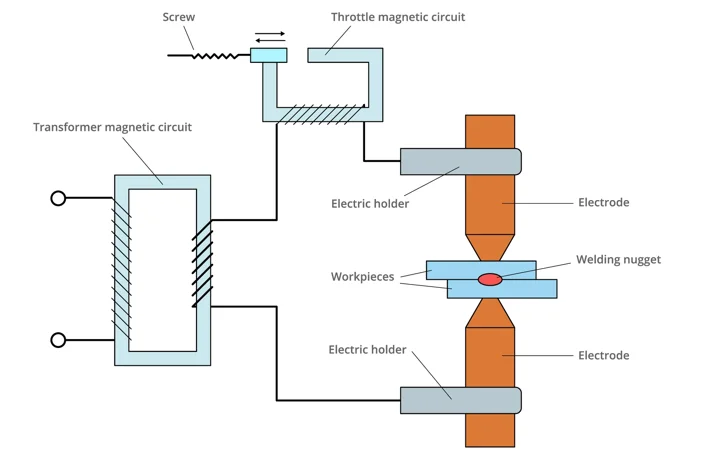
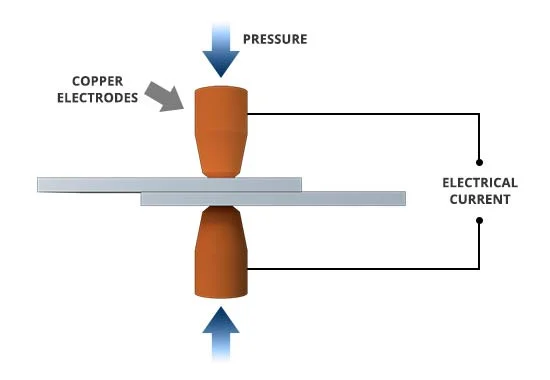
A spot welder has two main parts: electrodes and a power supply. Electrodes press the metal sheets tightly. The power supply sends electric current through the electrodes. This current creates heat at the contact points. The heat melts the metal, making the weld.
How The Welding Process Works
First, the metal sheets are placed between the electrodes. The electrodes press the sheets firmly. Then, the welder sends a high electric current through the electrodes. This current produces heat exactly where the metals touch. The heat melts the metal, forming a weld nugget. After cooling, the sheets are fused together.
Materials Suitable For Spot Welding
Spot welding works best on thin metal sheets. Common metals include steel and stainless steel. Aluminum can also be spot welded but needs special settings. The metals must be clean and free from rust or paint. This ensures a strong, reliable weld.
Core Components
A spot welder has several key parts that work together to join metals. Each component plays a vital role in the welding process. Understanding these parts helps explain how the machine creates strong welds quickly.
The main elements include the electrodes, transformer, and control system. These parts control the flow of electricity and the pressure applied to the metal sheets. Their combined function produces the heat needed for welding.
Electrodes
Electrodes are the metal tips that touch the workpieces. They conduct electric current into the metals. The pressure from the electrodes holds the sheets tightly together. Copper alloys are common materials for electrodes due to their high conductivity and durability.
Electrodes must be clean and well-maintained. Dirty or worn electrodes reduce welding quality. They also affect the heat distribution during the process.
Transformer
The transformer reduces high voltage to a low voltage with high current. This current passes through the electrodes to heat the metal sheets. The transformer controls the amount of energy needed for each weld.
Spot welders use a step-down transformer for safety and efficiency. The high current creates the intense heat needed to melt the metal at the spot.
Control System
The control system manages the welding time, current, and pressure. It ensures consistent welds by regulating these variables. Operators can adjust settings for different metal thicknesses and types.
Advanced control systems may include timers and sensors. These features improve precision and reduce errors during welding.
Electric Current And Heat
Spot welding joins metal sheets by pressing them together and sending electric current through the contact point. The current creates heat that melts the metal, forming a strong bond quickly. This process works best on thin metals with precise electrode placement.
Electric Current Flow In Spot Welding
Spot welding uses electric current to join metal sheets. The welder sends a strong current through two metal pieces. The current flows at the point where the metals touch. This flow creates resistance at the contact spot.
The resistance slows the current and causes heat to build up. This heat is enough to melt the metal edges together. The molten metal forms a small weld nugget. This nugget holds the metal sheets tightly once cooled.
Heat Generation And Its Role
Heat is crucial in spot welding. It comes from electrical resistance at the metal contact. The higher the current, the more heat is produced. The welder controls the current to reach the right temperature.
Heat melts the metal only at the spot where the electrodes press the sheets. This creates a strong, clean joint without melting the whole sheet. The heat also makes sure the metals fuse well and form a solid bond.
Controlling Temperature And Time
Temperature and welding time must be precise. Too little heat or time means weak welds. Too much heat can burn through the metal. Spot welders use timers and current controls to keep this balance.
The electrodes press the metals together during welding. This pressure helps the heat focus on a small area. It also pushes the molten metal to join firmly. Correct control of current, heat, and pressure creates strong welds fast.
Pressure Application
Pressure application is a key part of how a spot welder works. It holds the metal pieces tightly together during welding. This tight hold ensures the electrical current flows through the right spot. Without enough pressure, the weld will be weak or incomplete.
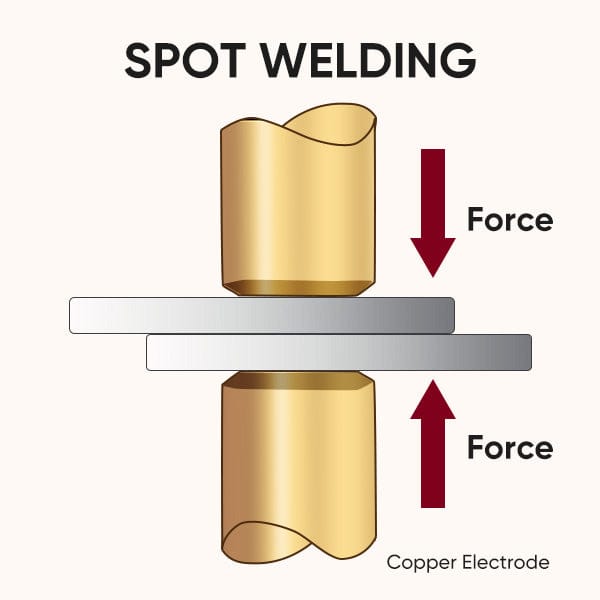
The spot welder uses two copper electrodes to press the metal sheets. These electrodes squeeze the sheets with controlled force. The pressure helps the metal surfaces touch firmly. This contact is necessary for the electrical current to create heat.
Pressure also controls the size and quality of the weld. Too little pressure causes poor contact and weak welds. Too much pressure can cause the metal to deform or break. The right pressure balances heat and metal flow for a strong joint.
How Pressure Affects Welding Quality
Pressure directly affects the strength of the weld spot. Strong pressure creates a smaller, denser weld. This improves the bond between the metal sheets. Low pressure causes gaps or weak spots in the weld. Consistent pressure is important for repeatable results.
Tools Used To Apply Pressure
Spot welders use pneumatic or hydraulic systems to apply pressure. These systems control the force and timing precisely. The copper electrodes act as clamps and conduct electricity. Some welders have adjustable pressure settings for different metals and thicknesses.
Pressure Timing During Welding
Pressure is applied before and during the electrical current flow. The metal sheets must be tightly pressed before current passes. Pressure is maintained while the weld cools to avoid cracks. Releasing pressure too early weakens the joint.
Welding Process Steps
Spot welding joins metal pieces quickly and securely. The process uses heat and pressure to fuse metals at specific points. Each step in the welding process is important for a strong bond. Understanding these steps helps in producing quality welds and efficient work.
Preparation Of Metal Surfaces
Clean metal surfaces remove dirt and oils. This ensures a better electrical connection. Proper surface preparation prevents weak welds and defects.
Positioning The Metal Sheets
Place the metal sheets between the welding electrodes. Align the sheets carefully for accurate welding. Proper positioning ensures the weld forms at the right spot.
Applying Pressure With Electrodes
The electrodes press the metal sheets together firmly. Pressure holds the metals in place. It also helps the heat to spread evenly.
Passing Electric Current
High electrical current flows through the electrodes. The current heats the metal at the contact point. This heat melts the metal, creating a weld nugget.
Cooling And Solidifying The Weld
After heating, the current stops but pressure remains. The weld cools and solidifies under pressure. This creates a strong, permanent bond between metals.
Removing The Electrodes
Once the weld solidifies, remove the electrodes. Check the weld for strength and quality. Proper removal avoids damaging the welded joint.
Credit: yeswelder.com
Material Compatibility
Material compatibility is key for effective spot welding. Not all metals respond equally to the spot welding process. The welder must create a strong bond without damaging the materials.
Spot welders work best with metals that conduct electricity well and heat evenly. Thin metal sheets usually offer the best results. The thickness of the material affects the weld strength and quality.
Compatible Metals For Spot Welding
Steel and stainless steel are the most common metals for spot welding. They have good electrical conductivity and melt at suitable temperatures. Aluminum can also be spot welded but needs higher current and precise control.
Nickel alloys and some copper alloys can be spot welded too. These metals require careful adjustment of welder settings. Spot welding aluminum requires clean surfaces to avoid weak joints.
Limitations With Dissimilar Metals
Spot welding dissimilar metals is difficult. Different melting points and conductivity cause uneven heating. This may lead to weak or brittle joints. Some combinations need special techniques or filler materials.
For example, joining steel to aluminum needs extra care. The metals expand differently with heat. This can cause cracks or poor adhesion.
Material Preparation For Better Compatibility
Clean surfaces improve weld quality. Dirt, oil, or rust block current flow and weaken joints. Proper cleaning and surface preparation are essential. Removing coatings or paint helps create a strong weld.
Clamping materials firmly ensures good contact. This reduces resistance and improves heat generation. Correct electrode pressure also matters for consistent results.
Common Uses
Spot welding is a popular technique used in many industries. It quickly joins two metal pieces by applying pressure and electricity. This method creates strong bonds without melting the entire metal. Many manufacturers rely on spot welding for its speed and efficiency. The common uses of spot welders show why this tool is essential for metalworking tasks.
Automotive Industry
Spot welders hold car parts firmly together. They join metal sheets in car bodies and frames. This method ensures a strong and lightweight structure. It saves time during vehicle assembly. Spot welding keeps cars safe and durable on the road.
Electronics Manufacturing
Spot welding connects small metal parts in electronic devices. It links battery tabs and metal contacts. This process is fast and precise. It helps produce reliable gadgets that last long. Electronics makers use spot welders to build quality products.
Metal Furniture Production
Spot welders join metal tubes and sheets for furniture. They create chairs, tables, and shelves. The welds hold pieces tightly without visible seams. This makes metal furniture both strong and attractive. Spot welding supports fast and neat assembly.
Construction And Building
Spot welding attaches metal panels and reinforcements in buildings. It strengthens steel frames and bridges. This technique provides quick and secure connections. Builders trust spot welders to maintain structural integrity. It helps complete projects faster and safer.
Pros And Cons
Spot welding has many advantages and some drawbacks. Understanding these helps decide if it fits your project needs. It’s useful to know what works well and what does not.
Advantages Of Spot Welding
Spot welding is fast and saves time in production. It creates strong joints without adding extra material. The process uses less energy than other welding methods. It works well for thin metal sheets. Spot welding is clean and does not produce harmful fumes. It is easy to automate for large-scale manufacturing. The equipment is usually compact and simple to operate. These benefits make spot welding popular in many industries.
Disadvantages Of Spot Welding
Spot welding works best on thin metals only. Thick materials may not weld properly with this method. It requires precise alignment of metal sheets and electrodes. Misalignment can cause weak or uneven welds. Spot welding is not suitable for joining different types of metals. The weld spots may leave marks on the surface. Repairing or redoing spot welds is difficult. These limitations can affect certain applications.
Credit: www.twi-global.com
Frequently Asked Questions
How Does The Spot Welding Work?
Spot welding joins two metal sheets by pressing them together and passing electric current. The current heats and fuses the metals at the contact point, creating a strong, quick bond without filler material.
What Are The Disadvantages Of Spot Welding?
Spot welding suits thin metals but struggles with thick or dissimilar materials. It needs precise electrode alignment. Welds may weaken under stress and limit joint design flexibility.
What Is A Spot Welder Good For?
A spot welder joins overlapping metal sheets using pressure and electric current. It suits automotive, electronics, and appliance manufacturing. It creates fast, strong, clean welds without filler material, ideal for thin metals and mass production.
How Strong Is A Spot Weld?
A spot weld creates a strong bond by fusing metal sheets with heat and pressure. Its strength depends on material type, thickness, and weld size. Properly done, spot welds can withstand significant stress, suitable for automotive and industrial applications.
What Is The Basic Principle Of Spot Welding?
Spot welding joins metal sheets by passing electric current through them, creating heat that fuses the metal.
Conclusion
Spot welders join metal sheets quickly and effectively. They use pressure and electricity to create strong bonds. This method works best with thin metals. Spot welding saves time in many industries. Understanding how it operates helps in using it safely.
The process is simple but requires careful electrode placement. Spot welding remains a popular choice for fast, clean metal joining.
{ “@context”: “https://schema.org”, “@type”: “Article”, “headline”: “How Does a Spot Welder Work: Unveiling Its Powerful Welding Magic”, “description”: “How does a spot welder work by using electrical current to join metal surfaces through localized heat generated at the contact point for strong, precise bonds.”, “url”: “https://www.powertoolstoday.com/how-does-a-spot-welder-work/”, “datePublished”: “2025-12-05”, “dateModified”: “2026-03-18”, “author”: { “@type”: “Organization”, “name”: “Power Tools Today”, “url”: “https://www.powertoolstoday.com” }, “publisher”: { “@type”: “Organization”, “name”: “Power Tools Today”, “url”: “https://www.powertoolstoday.com” }, “mainEntityOfPage”: { “@type”: “WebPage”, “@id”: “https://www.powertoolstoday.com/how-does-a-spot-welder-work/” }, “image”: { “@type”: “ImageObject”, “url”: “https://www.powertoolstoday.com/wp-content/uploads/2025/11/how-does-a-spot-welder-work.jpg” } }{ “@context”: “https://schema.org”, “@type”: “Article”, “headline”: “How Does a Spot Welder Work: Unveiling Its Powerful Welding Magic”, “description”: “How does a spot welder work by using electrical current to join metal surfaces through localized heat generated at the contact point for strong, precise bonds.”, “url”: “https://www.powertoolstoday.com/how-does-a-spot-welder-work/”, “datePublished”: “2025-12-05”, “dateModified”: “2026-03-19”, “author”: { “@type”: “Organization”, “name”: “Power Tools Today”, “url”: “https://www.powertoolstoday.com” }, “publisher”: { “@type”: “Organization”, “name”: “Power Tools Today”, “url”: “https://www.powertoolstoday.com” }, “mainEntityOfPage”: { “@type”: “WebPage”, “@id”: “https://www.powertoolstoday.com/how-does-a-spot-welder-work/” }, “image”: { “@type”: “ImageObject”, “url”: “https://www.powertoolstoday.com/wp-content/uploads/2025/11/how-does-a-spot-welder-work.jpg” } }nn