
Last Updated: March 21, 2026
Have you ever wondered how a wet and dry vacuum can handle both spills and dust without missing a beat? Whether you’re cleaning up a flooded garage or just tackling stubborn dirt, understanding how this versatile machine works can make your job easier and more efficient.
You’ll discover the simple yet powerful way a wet and dry vacuum creates suction to pick up liquids and solids alike. By the time you finish reading, you’ll know exactly how to use your vacuum the right way—and why it’s a must-have tool for your home or workshop.
Keep reading to unlock the secrets behind its unique design and get the most out of your cleaning routine.
Wet And Dry Vacuum Basics
A wet and dry vacuum cleans both wet spills and dry debris. It combines features of a regular vacuum and a water extractor. This makes it useful for many tasks around the home or workshop.
These vacuums have strong suction power. They can pick up liquids like water and mud. At the same time, they handle dust, dirt, and small particles well. This dual ability saves time and effort.
Design And Structure
Wet and dry vacuums have a sturdy tank to hold liquids and solids. Inside, a filter separates debris from the airflow. The filter type changes depending on the task. For wet cleaning, the filter is removed or replaced to avoid damage.
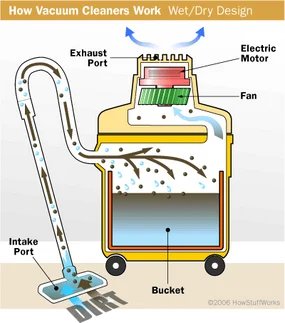
The motor creates suction by pulling air through the hose. Dirt and liquid enter the tank through the nozzle. The tank seals tightly to prevent leaks and spills.
How It Switches Between Wet And Dry Modes
Switching modes is simple. For wet cleaning, remove the dry filter and any dust bags. This prevents clogging and protects the motor. When cleaning dry debris, reinstall the filter and use the dust bag if available.
Some models have special attachments for wet or dry cleaning. Changing these attachments helps optimize performance for each job.
Common Uses
Wet and dry vacuums clean flooded floors, spills, and wet carpets. They also pick up sawdust, dirt, and small debris from workshops or garages. This tool works in places where regular vacuums fail.
Because they handle both wet and dry messes, these vacuums reduce the need for multiple cleaning devices. They are popular for home repairs and heavy-duty cleaning tasks.
Motor And Suction Mechanism
The motor and suction mechanism form the heart of a wet and dry vacuum. They work together to create strong airflow. This airflow draws in dirt, dust, and liquids from surfaces. Understanding how these parts function helps explain the vacuum‘s power and versatility.
Electric Motor Function
The electric motor powers the vacuum’s suction. It spins a fan at high speed inside the vacuum. This fan creates airflow by pushing air out of the vacuum tank. The motor runs on electricity and is designed to handle tough tasks.
Creation Of Suction
As the fan pushes air out, it lowers air pressure inside the tank. This pressure difference causes air to rush in through the vacuum nozzle. The moving air carries dirt and liquids into the tank. The stronger the motor, the greater the suction power.
Handling Wet And Dry Materials
The suction mechanism works the same for wet and dry debris. The vacuum tank is sealed to keep liquids from leaking out. Filters and traps prevent wet materials from reaching the motor. This design allows the vacuum to switch between wet and dry cleanup easily.
Debris And Liquid Separation
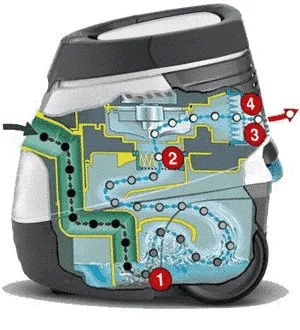
The key feature of a wet and dry vacuum is its ability to separate debris and liquids efficiently. This separation ensures the vacuum cleans both dry dirt and wet spills without damage. It also prevents clogging and protects the motor. Understanding how this process works helps users maintain the vacuum properly and use it effectively.
How Debris Is Separated
When the vacuum sucks up dry debris, the particles are trapped by a filter or a collection bag. The filter stops dust and dirt from reaching the motor. Larger debris falls into the main collection tank. This design keeps the vacuum running smoothly and avoids blockages.
How Liquids Are Handled
For wet vacuuming, the vacuum bypasses the dry filter or removes it to avoid damage. Liquids are collected directly in the tank. The tank is made to hold water and other liquids safely. This prevents leaks and protects internal parts.
The Role Of The Collection Tank
The collection tank acts as the main container for both debris and liquids. It separates solid waste from liquids by design. Heavy debris settles at the bottom, while liquids stay on top or in a separate compartment. This helps keep the vacuum balanced and easy to empty.
Why Proper Separation Matters
Proper separation prevents damage to the vacuum’s motor and filter. It also improves cleaning efficiency. Without good separation, liquids could ruin the motor or clog the filter. Clean separation extends the vacuum’s lifespan and saves repair costs.
Credit: www.physicsforums.com
Filters And Their Roles
Filters play a key role in the operation of wet and dry vacuums. They protect the motor and improve air quality by trapping dust and debris. Different filters handle wet or dry messes. Choosing the right filter keeps the vacuum working efficiently.
Types Of Filters In Wet And Dry Vacuums
Wet and dry vacuums use various filters based on the task. Foam filters are common for wet cleaning. They absorb moisture and prevent damage to the motor. Paper or cartridge filters are best for dry debris. They trap fine dust and small particles effectively.
How Filters Protect The Vacuum Motor
Filters stop dirt and water from reaching the motor. This protection extends the vacuum’s lifespan. Without filters, debris could cause clogs or motor failure. Regular filter cleaning maintains strong suction power and prevents breakdowns.
Cleaning And Maintaining Filters
Keeping filters clean is vital for vacuum performance. Foam filters should be rinsed after wet use and allowed to dry. Dry filters need gentle tapping or vacuuming to remove dust. Replace filters as recommended to avoid damage and loss of suction.
Filter Placement And Vacuum Efficiency
Proper filter installation ensures the vacuum works well. Filters must fit snugly to stop particles from escaping. A loose filter lowers suction and can let dust enter the motor. Always check filter placement before using the vacuum.
Switching Between Wet And Dry Modes
Switching between wet and dry modes in a wet and dry vacuum is simple and essential. It allows the vacuum to handle both liquid spills and dry debris effectively. Understanding this process helps protect the machine and improves cleaning results.
Preparing The Vacuum For Wet Mode
First, remove the dry filter and dust bag. These parts can get damaged if wet. Next, check if the vacuum has a special foam filter for wet use. If it does, install it. Some vacuums do not need a filter for wet mode. Always empty the tank before starting wet cleaning.
Setting The Vacuum For Dry Mode
For dry mode, place the dry filter back inside. Attach the dust bag if your model uses one. Make sure the tank is empty and dry. This setup protects the motor from dust and dirt. It also keeps the vacuum working well for a long time.
Switching Safely Between Modes
Always turn off and unplug the vacuum before changing modes. Empty and clean the tank after wet use. Let the vacuum dry completely before switching to dry mode. This prevents damage and bad smells. Follow the user manual for your specific model instructions.
Credit: home.howstuffworks.com
Common Uses And Applications
A wet and dry vacuum is a versatile cleaning tool used in many settings. It handles both wet spills and dry debris with ease. This flexibility makes it popular for homes, workshops, and commercial spaces.
Its common uses cover a wide range of tasks. From cleaning floors to clearing out vehicle interiors, the wet and dry vacuum saves time and effort. Below are some typical applications that show its usefulness.
Cleaning Household Spills And Messes
Wet and dry vacuums quickly soak up water spills and liquid messes. They also pick up dust, dirt, and crumbs from carpets and hard floors. This helps keep homes tidy and safe from slip hazards.
Workshop And Garage Maintenance
In workshops, these vacuums remove sawdust, metal shavings, and small debris. They clean up oil spills and other liquids on garage floors. This keeps work areas organized and reduces risks of accidents.
Automotive Detailing
Car owners use wet and dry vacuums to clean vehicle interiors. They vacuum dirt from seats, carpets, and floor mats. They also extract water from wet upholstery after rain or spills.
Flood And Water Damage Cleanup
After floods or leaks, wet and dry vacuums help remove standing water. They speed up drying times and reduce mold growth risks. This makes them essential for emergency cleanup tasks.
Outdoor And Patio Cleaning
These vacuums clear leaves, dirt, and debris from patios and decks. They remove wet mud and help prepare outdoor areas for use. Their strong suction handles both dry and damp materials.
Maintenance And Cleaning Tips
Proper maintenance keeps your wet and dry vacuum working well for a long time. Cleaning after use prevents damage and bad smells. It also improves suction power and extends the vacuum’s life.
Follow simple steps to keep your vacuum clean and ready for the next job. Regular checks stop small issues from becoming costly repairs. Here are key tips to maintain and clean your wet and dry vacuum.
Empty The Tank After Each Use
Always empty the vacuum tank right after cleaning. Remove any liquids or debris to avoid mold and odors. Wipe the tank with a dry cloth to remove leftover dirt. Let it air dry before storing.
Clean Or Replace Filters Regularly
Filters catch dust and particles to protect the motor. Wet use needs filter removal or special wet filters. Dry filters need cleaning or replacement often for best suction. Check the manufacturer’s guide for filter care instructions.
Check And Clear Hoses
Hoses can clog with debris or dirt. Detach hoses and look inside for blockages. Use a long brush or water to clean them out. Dry the hose fully before reattaching to prevent mold.
Inspect The Power Cord And Attachments
Look for cuts, frays, or damage on the power cord. Replace damaged cords to avoid electrical hazards. Clean attachments like nozzles and brushes with warm water. Dry them completely before use or storage.
Store In A Dry, Cool Place
Keep your vacuum in a dry area to prevent rust or mold. Avoid places with extreme heat or cold. Store the vacuum upright and keep accessories organized. Proper storage helps maintain performance and durability.
Safety Precautions And Limitations
Using a wet and dry vacuum requires attention to safety rules and understanding its limits. These precautions protect users and keep the vacuum working well for a long time. Ignoring safety can cause accidents or damage the machine.
Knowing what the vacuum can and cannot do helps avoid problems. Wet and dry vacuums are strong, but they have clear boundaries for safe use. Follow safety tips closely to get the best results.
Safety Tips For Using A Wet And Dry Vacuum
Always unplug the vacuum before cleaning or changing parts. Use the vacuum in dry areas only when handling dry debris. Remove the filter when vacuuming liquids to prevent damage. Wear gloves and eye protection if cleaning harmful substances. Avoid vacuuming flammable materials like gasoline or hot ashes. Keep the vacuum away from children and pets during use.
Common Limitations Of Wet And Dry Vacuums
Wet and dry vacuums are often larger and heavier than regular vacuums. They can be noisy, which may disturb others nearby. The battery life limits cordless models, so plan work accordingly. After use, the vacuum needs proper cleaning to maintain performance. Some vacuums cannot handle very fine dust or toxic materials safely.
Important Restrictions To Remember
Do not vacuum hot or burning objects. Avoid sucking up chemicals or flammable liquids. Never use the vacuum in a poorly ventilated space with fumes. Do not operate the vacuum without the proper filters or bags installed. Always check the manufacturer’s instructions for specific warnings and guidelines.
Credit: www.gadgetreview.com
Frequently Asked Questions
What Are The Disadvantages Of Wet Dry Vacuum Cleaner?
Wet dry vacuum cleaners are often bulky and heavy, making them hard to carry. They can be noisy during operation. Users must clean filters and tanks after use. Battery life may limit cordless models. Some models lack specialized attachments for delicate surfaces.
Do You Leave The Filter In A Wet Dry Vac When Vacuuming Water?
Do not leave the filter in a wet dry vac when vacuuming water. Remove the filter and bag to prevent damage and clogging.
What Should You Not Vacuum With A Wet/dry Vac?
Do not vacuum flammable liquids, hot ashes, burning debris, or toxic materials with a wet/dry vac. Avoid vacuuming delicate electronics or hazardous dust. These can damage the vacuum or cause safety risks. Always use the appropriate filter and operate in well-ventilated areas.
Can You Use A Wet And Dry Vacuum Without Water?
Yes, you can use a wet and dry vacuum without water. It efficiently cleans dry debris like dust, dirt, and sawdust. Remove or install the correct filter depending on the task. Always empty and clean the tank after use to maintain performance.
What Is A Wet And Dry Vacuum Used For?
It cleans both wet spills and dry dirt from floors and surfaces easily.
Conclusion
A wet and dry vacuum cleans both liquids and solids with ease. It uses strong suction to remove messes from floors and surfaces. Filters and tanks keep wet and dry waste separate for safe use. This tool suits many cleaning jobs at home or work.
Knowing how it works helps you choose the right vacuum. Use it properly to keep your space clean and dry. Simple maintenance extends the vacuum’s life and performance. A wet and dry vacuum offers practical cleaning power for everyday needs.
{ “@context”: “https://schema.org”, “@type”: “Article”, “headline”: “How Does a Wet And Dry Vacuum Work: Ultimate Cleaning Guide”, “description”: “Learn how does a wet and dry vacuum work by understanding its dual ability to clean liquids and solids using separate suction and filtration systems.”, “url”: “https://www.powertoolstoday.com/how-does-a-wet-and-dry-vacuum-work/”, “datePublished”: “2025-11-29”, “dateModified”: “2026-03-18”, “author”: { “@type”: “Organization”, “name”: “Power Tools Today”, “url”: “https://www.powertoolstoday.com” }, “publisher”: { “@type”: “Organization”, “name”: “Power Tools Today”, “url”: “https://www.powertoolstoday.com” }, “mainEntityOfPage”: { “@type”: “WebPage”, “@id”: “https://www.powertoolstoday.com/how-does-a-wet-and-dry-vacuum-work/” }, “image”: { “@type”: “ImageObject”, “url”: “https://www.powertoolstoday.com/wp-content/uploads/2025/11/how-does-a-wet-and-dry-vacuum-work.webp” } }nn